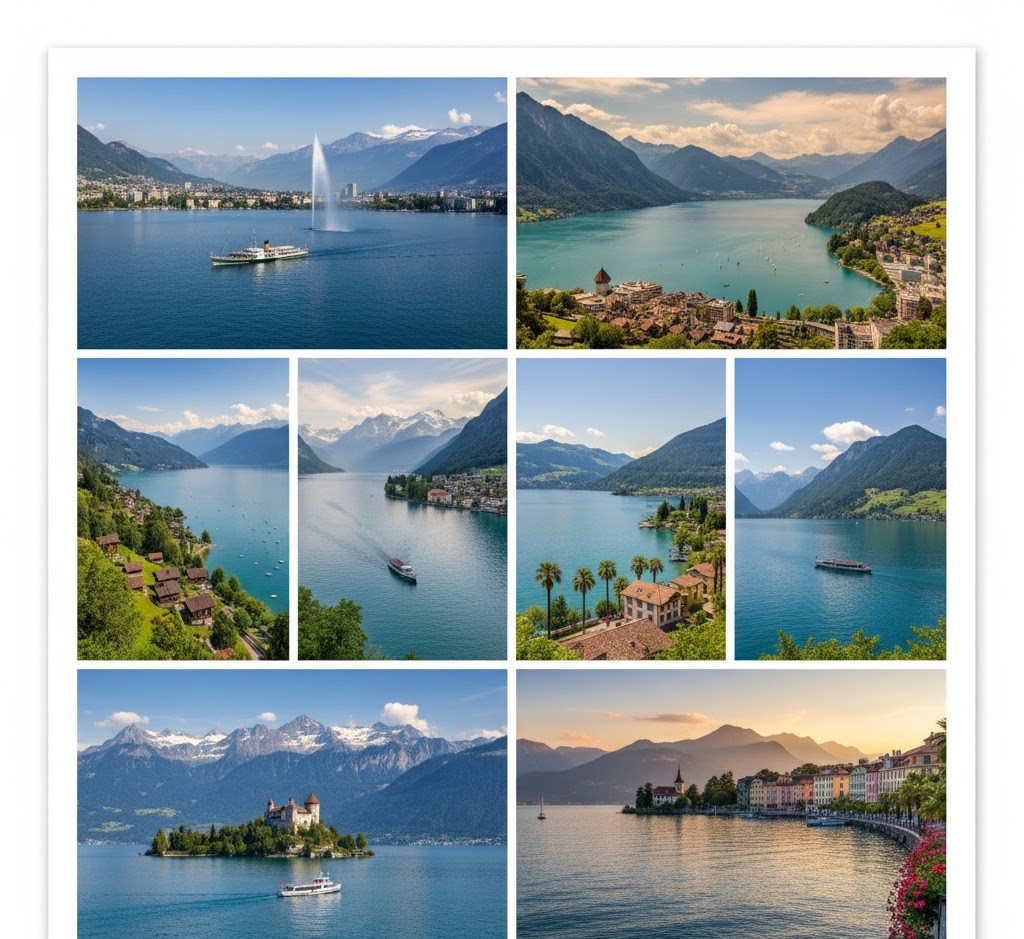
The Swiss Lake District: Magnificent Vistas from Lake Geneva to Lake Lucerne
focusAnaliz: The Seal of the Glacier, the Cradle of History, and Four Distinct Routes
Switzerland was practically created as a country of lakes; approximately 1,500 lakes and rivers cover 4% of the country’s surface area. These water reserves have shaped not only the country’s natural beauty but also its economy and history. Each major lake is a giant valley bed left behind by glaciers, and each is like a separate sea reflecting the surrounding culture, language, and history in a completely different way. The international appeal of Lake Geneva (Lac Léman) and the deep history of Lake Lucerne (Vierwaldstättersee), where the legendary Rütli Oath was born, show that this geography is more than just scenery.
This article focuses on Switzerland’s two largest and most significant lakes: Lake Geneva, a symbol of cosmopolitan elegance, and Lake Lucerne, the birthplace of the Swiss Confederation. We will explore both the geological secrets and the unique culture that has flourished around these lakes.
Section I: Lake Geneva (Lac Léman) – The Inland Sea of Western Europe
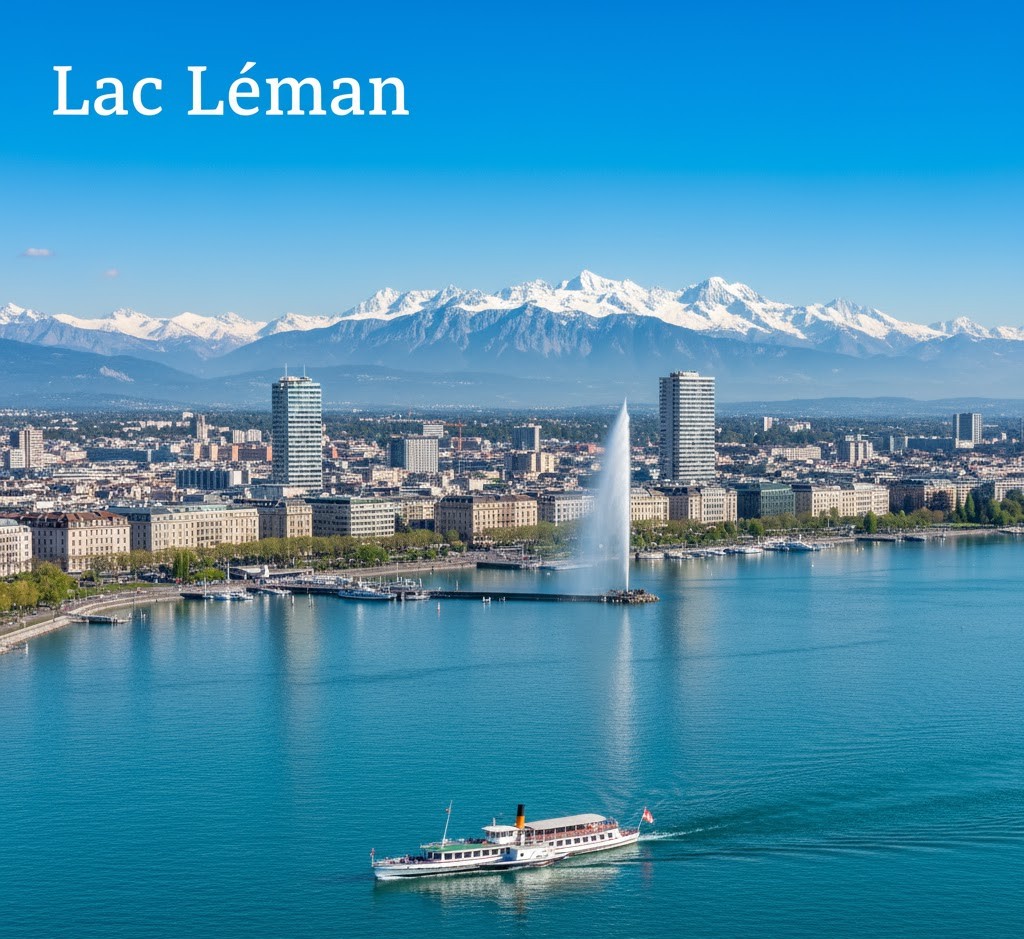
Lake Geneva is not only the largest lake in Switzerland but also the largest inland sea in Western Europe. This enormous crescent-shaped body of water separates two countries, with 60% remaining in Switzerland and 40% in France.
Cosmopolitan Life and the Microclimate Miracle
The area around Lake Geneva is the heart of international diplomacy and luxury living in Switzerland.
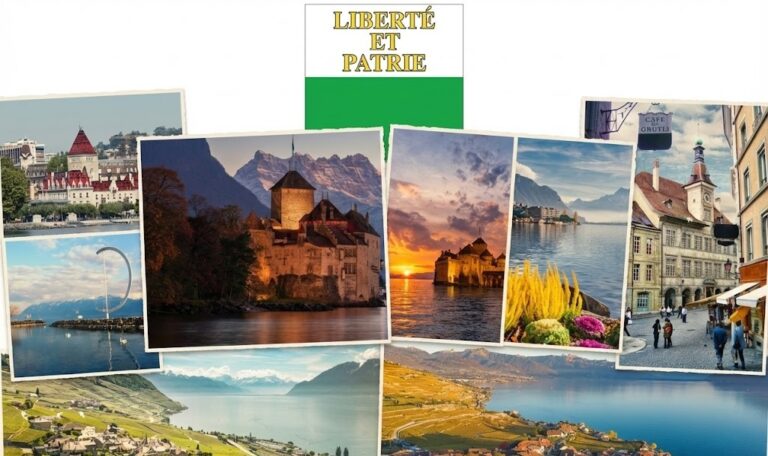
- Geological Giant: The lake was formed 15,000 years ago by the melting of the Rhône glacier, and it stands out with a maximum depth reaching 310 meters. The Rhône River both feeds the lake and drains its waters, flowing out from the city of Geneva.
- Mediterranean Front: Regions like Montreux and Lavaux enjoy a mild microclimate created by the lake’s large water mass. Here, you can see palm trees, agaves, and the UNESCO World Heritage terraced vineyards of Lavaux. This mildness makes the shore of Lake Geneva attractive even during the winter months.
- Elegance and Nostalgia: The famous Jet d’Eau (Water Jet) in Geneva and the fleet of Belle Époque-era paddle steamers still operating on the lake add a nostalgic elegance to the region. Cities like Lausanne and Montreux are cultural and commercial hubs along the lakeshore.
Section II: Lake Lucerne (Vierwaldstättersee) – The Cradle of the Confederation
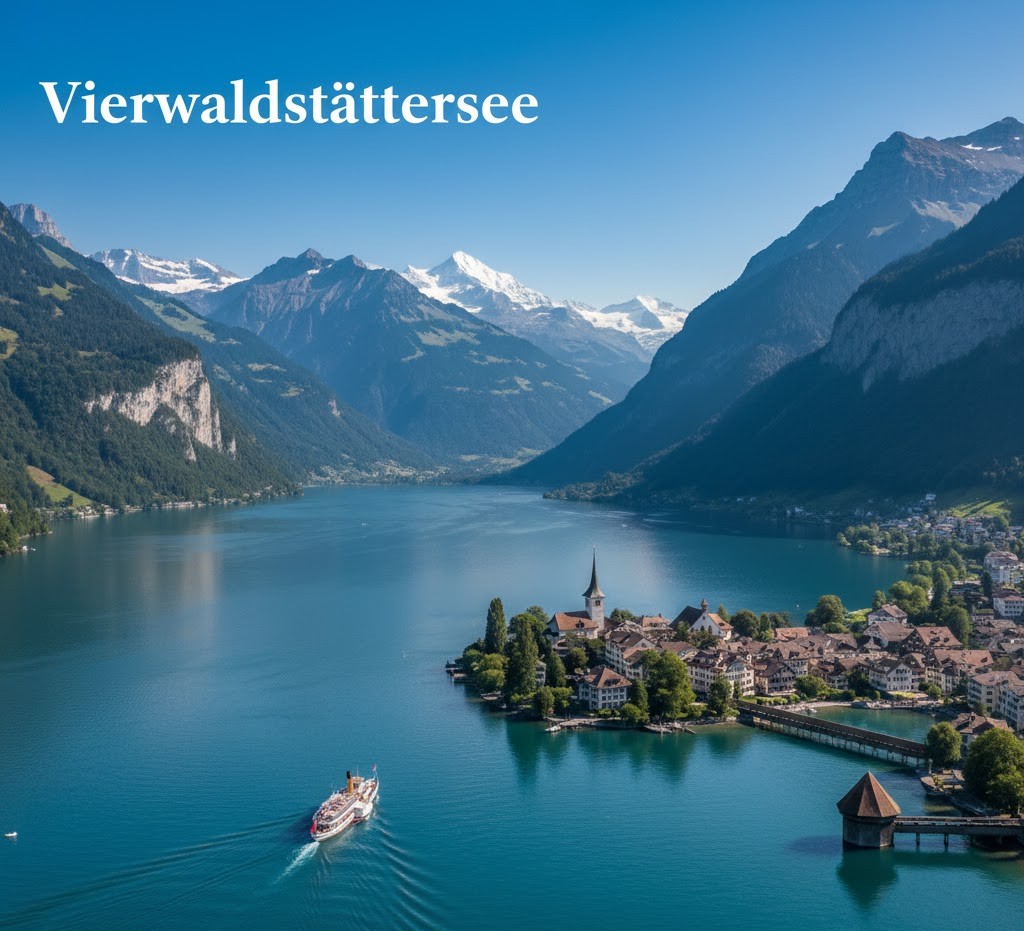
Lake Lucerne (Lake of the Four Cantons) is an extremely irregularly shaped, fjord-like lake, situated in the geographical heart of Switzerland between steep limestone mountains (Rigi and Pilatus). Its name comes from the four cantons (Uri, Schwyz, Unterwalden, and Lucerne) surrounding it, and it has hosted the most critical events in Swiss history.
History, Art, and Legends
Lake Lucerne is the place where not only nature but also national consciousness was shaped.
- Geological Shape: The lake was formed by the melting of the Reuss Glacier, and its shoreline has a unique irregularity, appearing to stretch into four different valleys.
- Center of History: The Rütli Meadow, where the legendary Rütli Oath was taken in 1291, leading to the formation of the Swiss Confederation, is located on the lake’s shore. Furthermore, important events of the William Tell legend (his leap from the boat, the slaying of Gessler) took place around this lake.
- Culture and Art: The lake shores have been a focal point and residence for important political and artistic figures such as Richard Wagner, Wolfgang von Goethe, and Audrey Hepburn. The Chapel Bridge (Kapellbrücke) and Water Tower (Wasserturm) in the city of Lucerne are symbols of the region’s architectural and cultural heritage.
Section III: The Ecological and Economic Importance of the Lakes
The lakes in Switzerland are not only tourist attractions but also serve vital ecological and economic functions.
- Fresh Water Source: These lakes supply drinking water to over 500,000 Swiss and French citizens. They play a crucial role in protecting Switzerland’s water reserves, earning the country the nickname “the water tower of Europe.”
- Microclimate and Agriculture: The lakes moderate the surrounding area in winter, allowing for the cultivation of vineyards and Mediterranean flora in regions like Lavaux (Geneva) or Ticino (Lago Maggiore/Lugano).
- Transportation and Tourism Infrastructure: Historically important trade routes, the lakes remain central to tourist transportation today. Regular boat and steamer services on the lakes allow visitors to use historical routes and experience the scenery from a different perspective.
Section IV: Switzerland’s Other Five Famous Lakes
While Lake Geneva and Lake Lucerne are the largest and most historic, Switzerland’s lake district is much broader, featuring other colossal bodies of water that stand out in different regions:
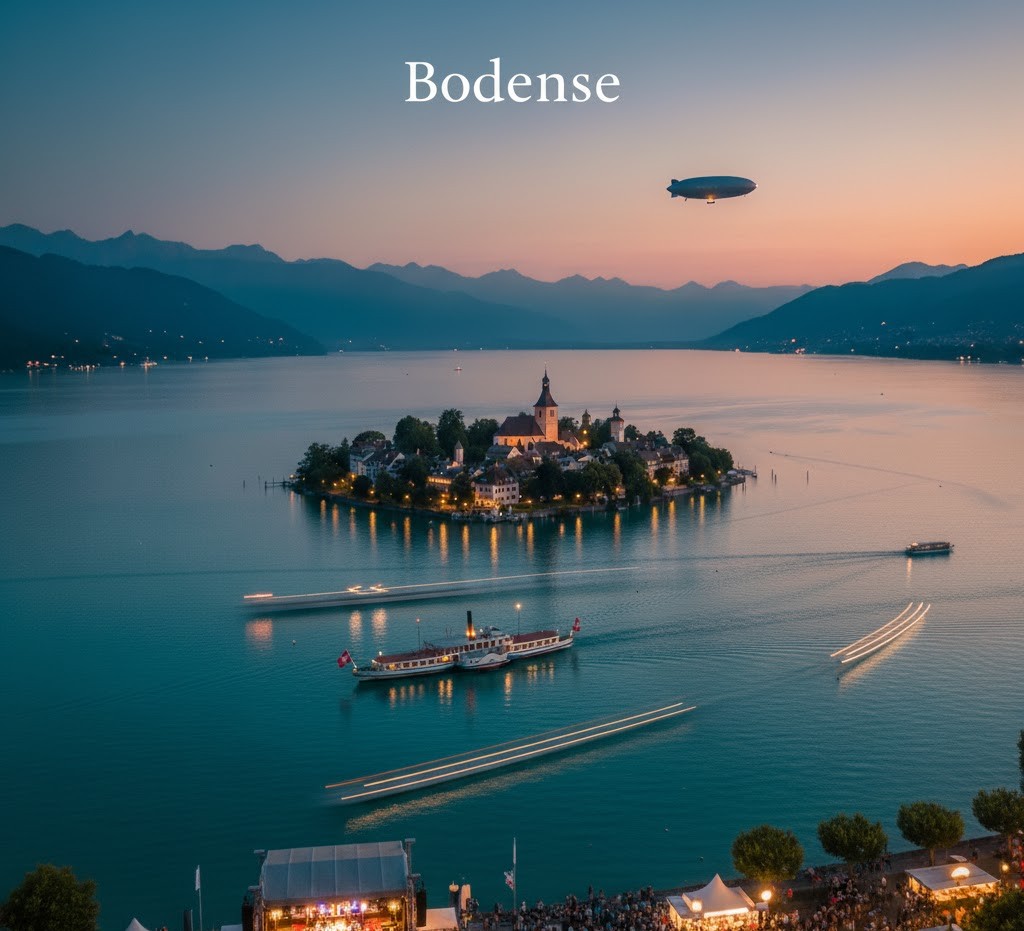
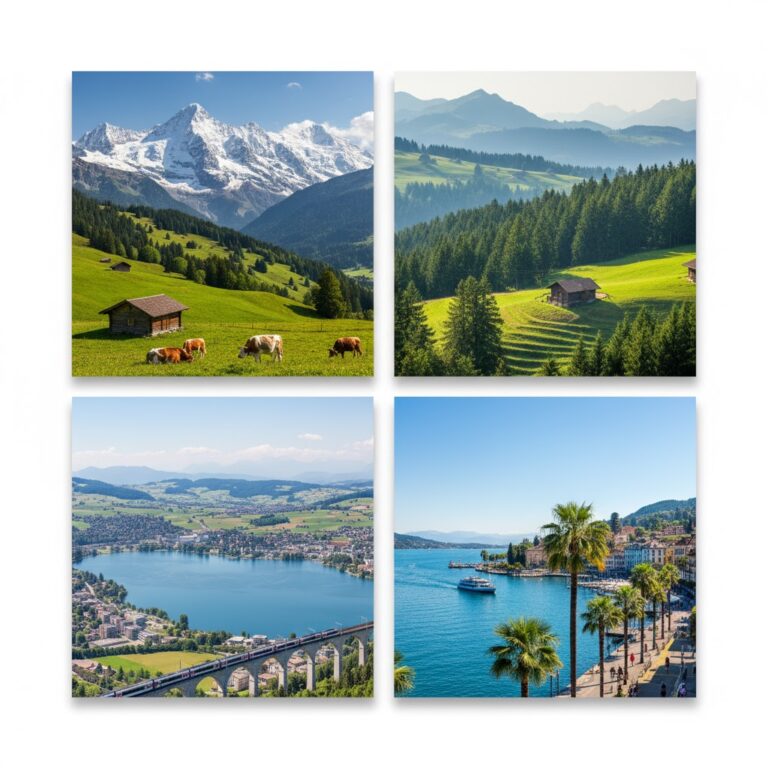
- Lake Constance (Bodensee): Shared with Germany and Austria, this is one of Central Europe’s largest lakes and is extremely popular in summer for both Switzerland and its neighboring countries.
- Lake Zurich (Zürichsee): Located on the shores of the financial and cultural hub, Zurich. It is known for the luxury living along the “Gold Coast” (Goldküste) and its proximity to the city center.
- Lake Lugano (Lago di Lugano): Found in the Italian-speaking Ticino canton, it benefits from a Mediterranean climate. Palm trees and the influence of the Italian lifestyle are prevalent.
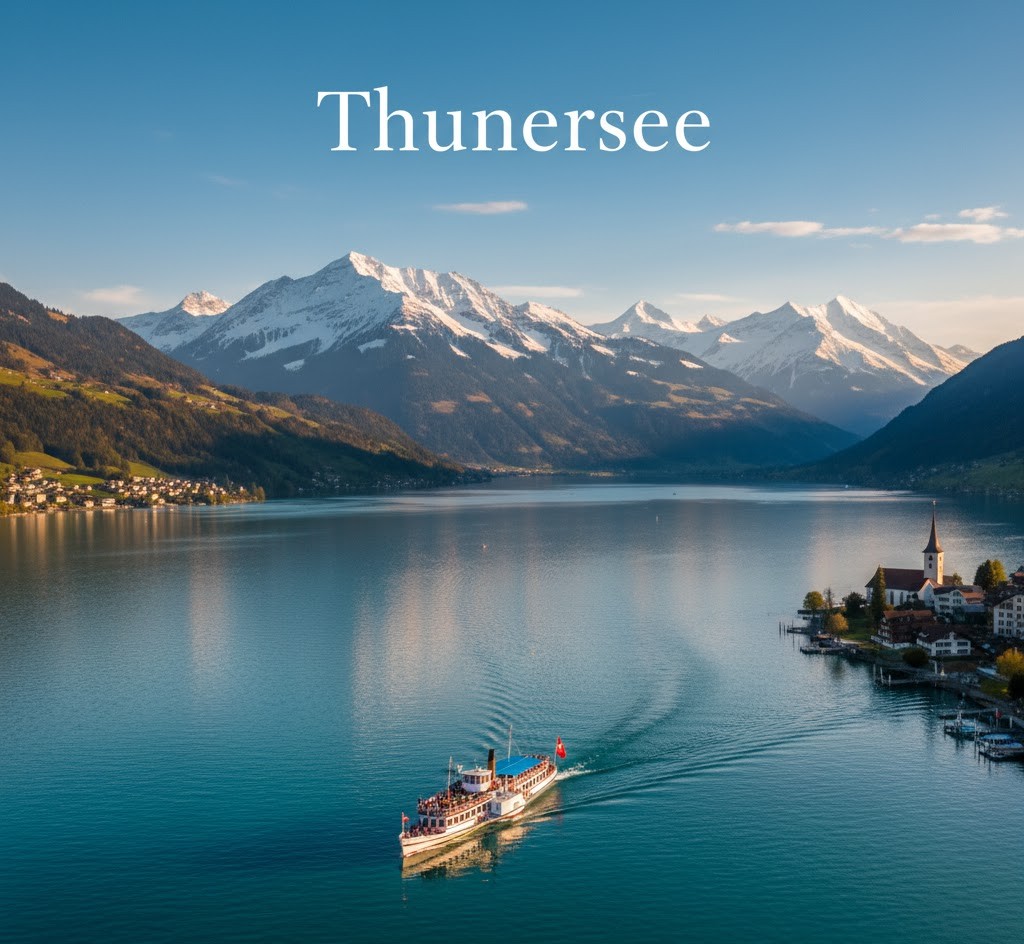
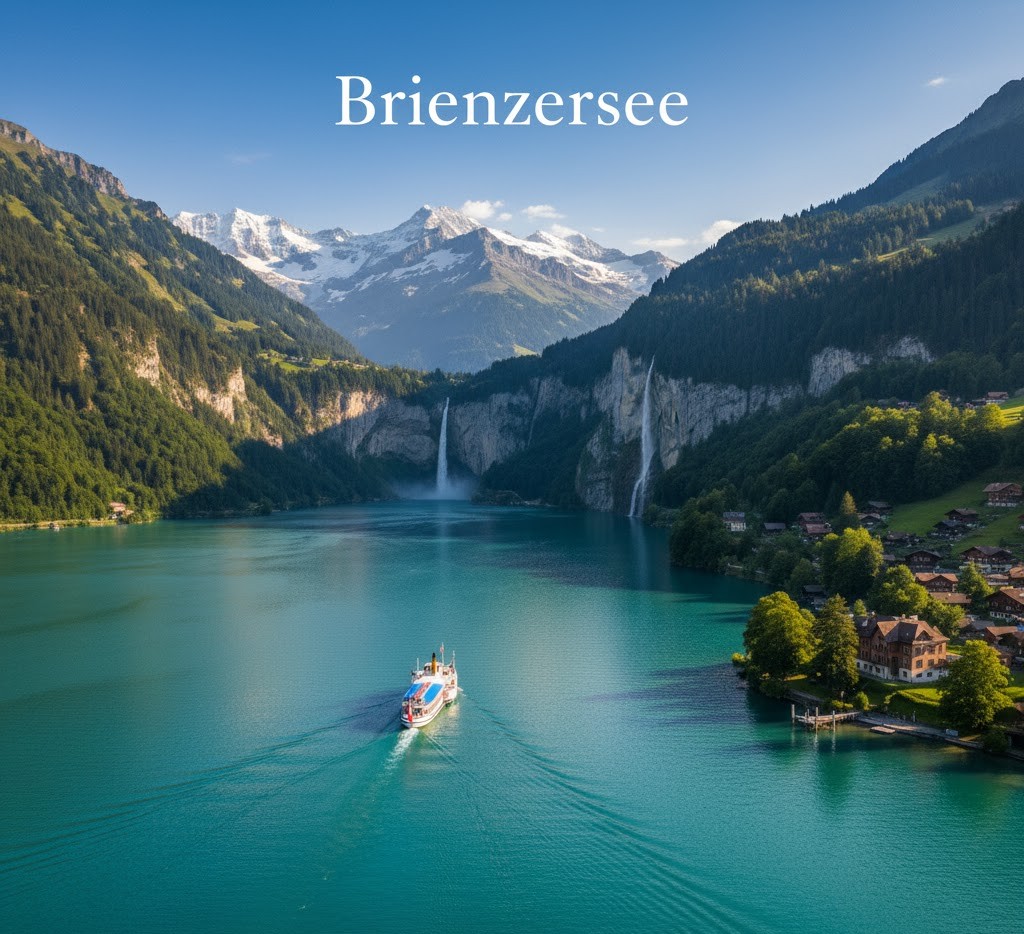
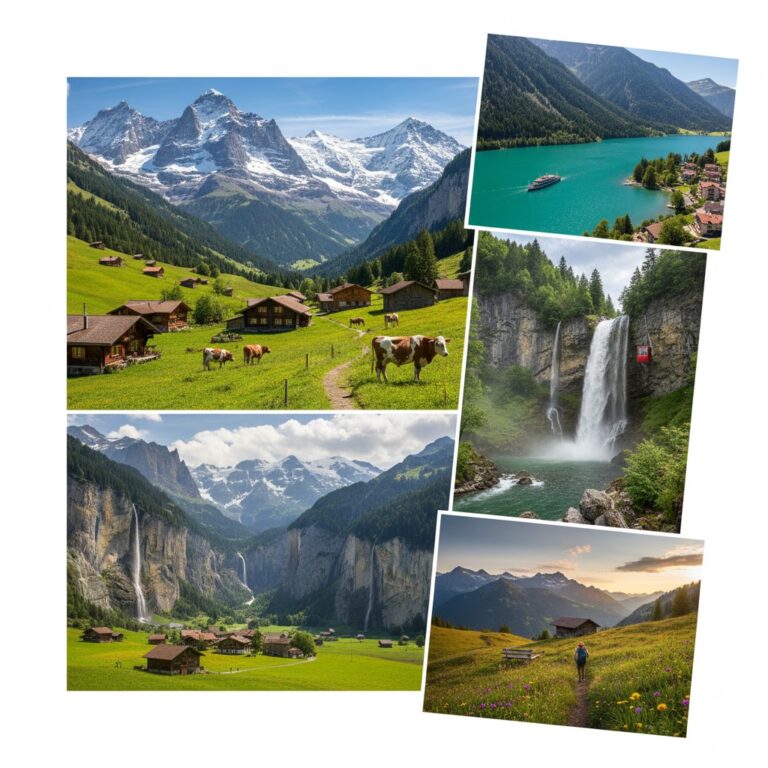
- Lake Thun and Lake Brienz (Bernese Oberland): Famous for their emerald-green waters fed by glacial melt. Separating Interlaken, these lakes are key locations for adventure sports and stunning Alpine views. To explore the natural wonders surrounding this region in more detail, you can read our article titled Bernese Oberland: A Natural Marvel in the Heart of Switzerland—Legendary Routes from Eiger to Interlaken.
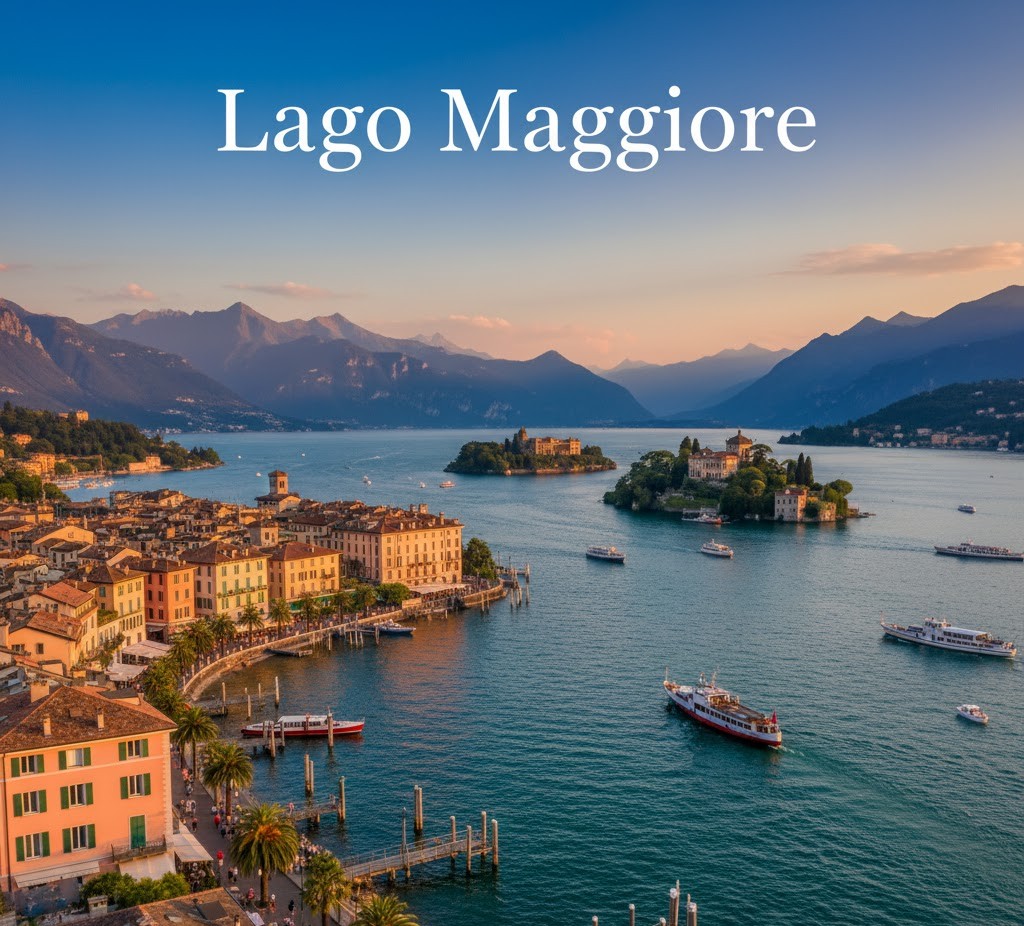
- Lago Maggiore (Verbano): Extending into Italy, this large lake is known for its subtropical gardens and the Isole di Brissago, which resemble the Borromee Islands.
Conclusion: The lakes of Switzerland are not just bodies of water; they are the collective memory of the country. From the grandeur of Lake Geneva to the historical echoes of Lake Lucerne, every water mass tells a different story. Shaped by the power of glaciers, these lakes simultaneously offer Switzerland’s elegance, history, and natural generosity, inviting your readers into the heart of the Alpine geography.