A Step-by-Step Guide to Moving to Switzerland: Visa, Housing, Job, Insurance
focusAnaliz: The Four Stages of Planned Migration and the Secret to Successful Adaptation
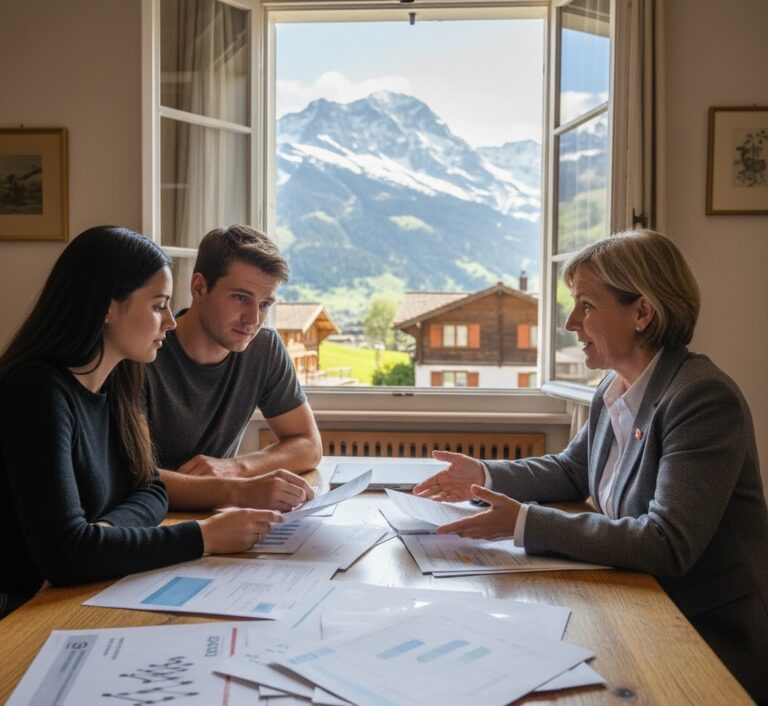
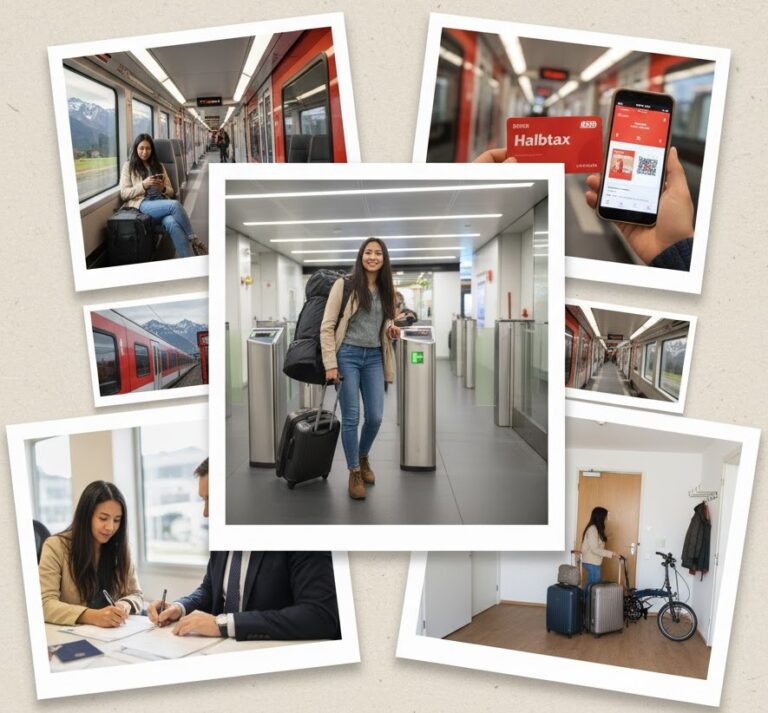
Moving to Switzerland is a major step for many. They are seeking high standards of living. However, this process is complex. It is a four-stage bureaucratic marathon, not just about arriving. The key to success is strict adherence to Switzerland’s precision-demanding system. Therefore, remember that Switzerland rewards meticulously prepared files, not spontaneous solutions.
To tell the truth, this process is quite difficult for nationals of non-EU and non-EFTA countries. In fact, settling in Switzerland outside of family reunification is genuinely challenging. This is especially true if one lacks specialized job qualifications. Even the mere thought of it can be daunting. Naturally, Switzerland’s stance varies by country. It also depends on the individual’s qualifications and profession. Moreover, the process after deciding to settle is quite exhausting. It demands considerable effort until one’s life is systematized.
In our previous article, we discussed 10 Essential Facts You Need to Know Before Moving to Switzerland. Now, we will examine the four critical stages necessary for settling in Switzerland from scratch. This will be done in light of those facts.
Stage I: Legal Basis and Residence Permit (The Starting Point)
The most critical starting point of the relocation process is securing the legal right to work or stay long-term. This must be done before arriving or commencing employment.
- 1. Job Offer and Quota: The first and most difficult step is obtaining a valid job offer from a Swiss employer. This applies to Non-EU/EFTA nationals. Your employer must prove that they could not find a suitable local candidate. This is required due to the principle of labor market priority. This process is initiated directly by the employer. Furthermore, it is subject to cantonal/federal quotas. Start by checking whether your country is a member of the EU/EFTA (for the current list of EU/EFTA countries, consult the Official SEM List).
- 2. National Visa (D Visa): Once the residence permit (L or B) is approved, you must apply for the National D-Type Visa. This visa is required for long-term residence. This application is submitted to the Swiss representation in your country of residence.
- 3. Official Sources and Application Authorities: For general rules regarding visa and residence permit applications, follow the current guidelines on the official website of the State Secretariat for Migration (SEM). However, the actual applications are submitted to the Cantonal Migration Office (Migrationsamt) of the canton where you will reside.
Stage II: Pre-Arrival Logistics and Financial Preparation
Once visa approval is received and the legal basis is secured, resolving documentation and housing matters before arriving in Switzerland accelerates adaptation.
- 4. Housing Search and Competition: The rental housing market in major cities is highly competitive. Consequently, many landlords require the tenant to have an official Swiss employment contract and a clean Debt Enforcement Certificate (Betreibungsauszug). Therefore, arranging temporary rentals (Airbnb, short-term apartments) or temporary accommodation through your employer may be necessary during the initial months.
- 5. Document Preparation: Have all legal documents (Birth/Marriage certificates, diplomas, etc.) that you need to prepare in your home country readily available. Ensure they are in multilingual format (Apostille/notarized).
Stage III: Arrival in Switzerland and Registration Obligation
The first and most crucial steps you must take upon arriving in Switzerland are to complete official registrations within the legal deadlines.
- 6. Residence Registration (14-Day Rule): Even if your residence permit is approved, you are obligated to register in person at the local municipality (Gemeinde) or the Cantonal Migration Office within 14 days of entering Switzerland. Following this registration, your biometric data is taken. Then, your residence card (L/B) is sent to you.
- 7. Compulsory Health Insurance (3-Month Rule): Having health insurance is mandatory for living in Switzerland. However, you are given a period of three months from your arrival to fulfill this obligation. You must select insurance and start your policy within this period. If this period is exceeded, the canton will automatically register you for a high-premium policy.
- 8. Bank Account Opening: You must open an account with a local bank (PostFinance, UBS, etc.) to receive your salary and manage daily financial transactions. Generally, banks typically request your residence permit (or registration confirmation).
Stage IV: Adaptation and Integration (The Start of the Journey)
Once the initial bureaucratic hurdles are overcome, the adaptation process begins. This process will determine your long-term quality of life.
- 9. Integration and Language Training: Cantons will evaluate integration (language level, respect for local culture) for your long-term residence (C Permit) application. Therefore, enrolling in language courses aimed at A2/B1 levels in the official language of your region is the most solid step to take.
- 10. Adherence to Social Rules: Strictly adhering to quiet hours (especially Sundays and after 10:00 PM) and neighbour rules is essential for successful adaptation. These are the foundation of Swiss life. Adopt the Swiss rhythm by spending Sundays hiking or relaxing in the Alps.
Conclusion: Moving to Switzerland is a complex but manageable process. This holds true provided you take the correct steps sequentially. Planning every step of the bureaucratic process meticulously is the biggest stride you will take toward this new and organized life. If you succeed in completing all these necessary procedures, you must be prepared to set aside at least 2–3 years for the adaptation process. This is necessary even though the country you are settling in is a strong nation like Switzerland. Furthermore, if you wish to shorten this period, I strongly recommend learning the language of the canton you are settling in. Economically, I also advise you not to have excessive expectations in the initial phase. While salaries are good, and very good in some fields, the expenses are commensurate with them. By following the steps in this guide and showing the respect required by the system, you can secure your quality of life in Switzerland.