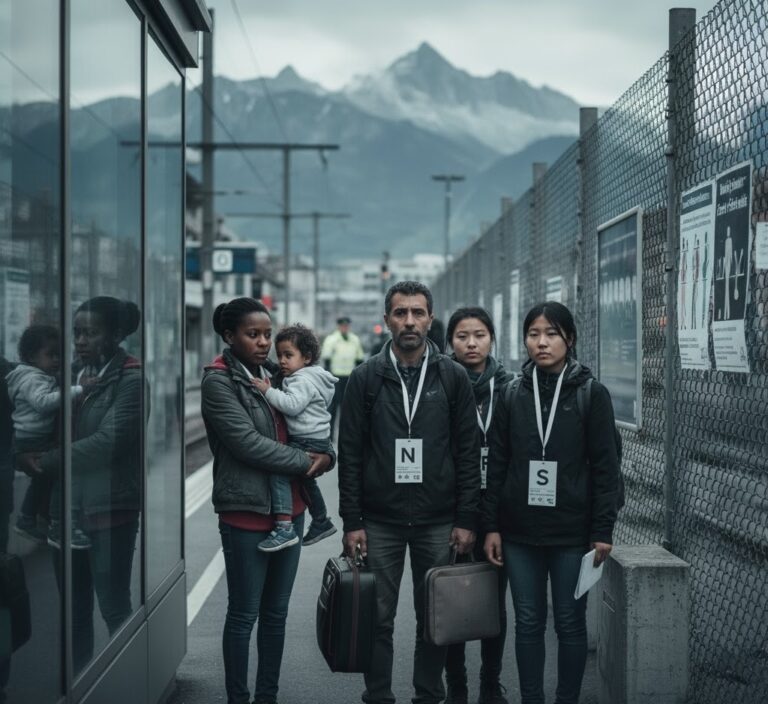
Your New Life in Switzerland: What to Do in the First 3 Months
focusAnaliz: The 14-Day Rule, the 3-Month Insurance Limit, and the Key to System Adaptation
Arriving in Switzerland is not the end of the bureaucratic marathon. It is merely the starting line. Even with legal permits, the country’s meticulous administrative system imposes critical tasks. Newcomers must complete these tasks within the first 90 days. Crucially, these first three months determine the legal foundation, financial future, and social integration speed of your new life. Failing to manage this process successfully can lead to high fines and unnecessary difficulties in adapting.
My personal observation during this process is this: The best thing you can do is rapidly embrace the country’s rule-based rhythm. Do this if you want to claim the reward of the high quality of life Switzerland offers.
When I first arrived in Switzerland, I was genuinely surprised by the scenery. Frankly, I did not have much information about Switzerland. I was only hearing things and occasionally passing through for visits to Germany. Whether due to the change in air or not, headaches that had never troubled me turned into migraine attacks. Fortunately, they subsided over time, but I experienced severe headaches. Despite this, since I had the advantage of Italian, I could handle my paperwork easily. Nonetheless, the documents requested must genuinely be complete, precise, and submitted with accurate timing for the process to go smoothly.
Let us solve this complex maze. We will examine the most critical steps required to quickly start your life according to a clear timeline. For starters, our article [A Step-by-Step Guide to Moving to Switzerland: Visa, Housing, Job, Insurance] covers the initial preparatory steps.
1. Stage: The First Two Weeks (The 14-Day Rule) – Urgent Registration
This period contains the most crucial and time-sensitive steps in Switzerland. Even with your residence permit, notification to the local authorities is mandatory.
- 1. Urgent Residence Registration: It is mandatory to register in person at the local municipality (Gemeinde) or Migration Office within 14 days of entering Switzerland. I remember registering with the municipality first, if I recall correctly. This step is the initial process for capturing your biometric data and preparing your residence card.
- 2. Opening a Bank Account: Opening an account at a local bank within the second week is vital. This is because your salary will be deposited in Swiss Francs (CHF). Moreover, you need to set up automatic payments for rent and insurance. PostFinance, UBS, or cantonal banks can be preferred.
- 3. Phone and Internet: Reliable mobile and home internet connections are essential for the permanent housing search and official communication. Arranging these services promptly makes daily transactions easier.
2. Stage: The First Three Months (The 90-Day Rule) – Mandatory Insurance and Basics of Integration
This period involves the biggest decisions that will affect your financial future. Legal limits exist, particularly concerning health insurance.
- 4. Mandatory Basic Health Insurance (Krankenkasse): Everyone residing in Switzerland is legally obliged to take out mandatory basic health insurance (Grundversicherung) within three months of arrival. This is a legal requirement. This was the first shocking reality about health insurance for me. The critical point is this: Even if you take out insurance within this period, your premiums are collected retroactively. If you exceed this period, the canton will automatically assign you to an expensive insurer, and you will pay an additional penalty.
- 5. Converting Temporary Housing to Permanent: End the initial temporary accommodation. Then, you should begin applications for a long-term rental apartment. Do this using documents like the Debt Enforcement Certificate (Betreibungsauszug) and your employment contract.
- 6. School Enrollment for Children: If you have children, immediately completing their enrollment in the local school (Schule) is critical. Furthermore, obtaining information about language support programs is also important for their adaptation.
- 7. Investing in SBB Cards: The Swiss public transport system is a way of life. Therefore, considering the Half-Fare Card or General Abonnement (GA) Cards enables you to effectively manage transportation costs from day one.
3. Stage: The First Six Months and Beyond – Adaptation and Uyum
Once the legal and financial infrastructure is complete, cultural and practical adaptation begins.
- 8. Exchanging the Driving License: For most non-EU driving licenses, you are obligated to exchange your license within one year of arriving. During this period, your old license remains valid.
- 9. Language Barriers and Cantonal Language: Cantons will evaluate integration (language level, respect for local culture) for your C Permit application. I realized that my Italian was insufficient in Bern, and they stipulated that I must learn the cantonal official language, German, to obtain my permit. Enrolling in language courses aiming for A2/B1 levels in the official language of your region is the most solid step.
- 10. Understanding Your Permit Status: You will need to apply for permanent residence (C Permit) in the future. Knowing the difference between L, B, and C permits and understanding the requirements is critical. You can specifically review the article [Swiss Residence Permits (B, C, L): Which One Is Right for You?].
Conclusion: The first 3 months in Switzerland require high planning and speed. In summary, avoiding legal deadlines like the 14-day registration, 3-month insurance, and 1-year driving license period will ensure your new life here proceeds smoothly. By meticulously following these steps, you not only adapt to the Swiss system but also immediately begin to benefit from the high quality of life it offers.