Swiss Savings Tips Grocery Energy Guide: 10 Strategies for Subscriptions, Food, and Housing Costs
focusAnaliz: Financial Discipline and System Optimization in a High-Cost Country
Switzerland is one of the countries with the highest cost of living in the world. This Swiss Savings Tips Grocery Energy guide aims to ensure financial balance in daily life rather than just relying on high salaries. As detailed in our article How Expensive Is Life in Switzerland? 2025 Current Cost Guide, while high salaries balance these costs to some extent, managing the monthly budget requires serious financial discipline, especially for immigrants and low/middle-income households. Financial sustainability is possible not just by avoiding large expenses, but also by applying micro-strategies to daily and mandatory costs like subscriptions, groceries, and energy.
This article presents 10 concrete, actionable, and proven ways to save money in Switzerland. These strategies range from avoiding the allure of Migros and Coop to adopting the cost discipline of German-rooted grocery chains and utilizing the competition among smartphone operators. For general life and cost guidance, you can find our hub article: Switzerland: The Ultimate Guide | The Reality of Life, Work, and Cost from an Immigrant’s Perspective .
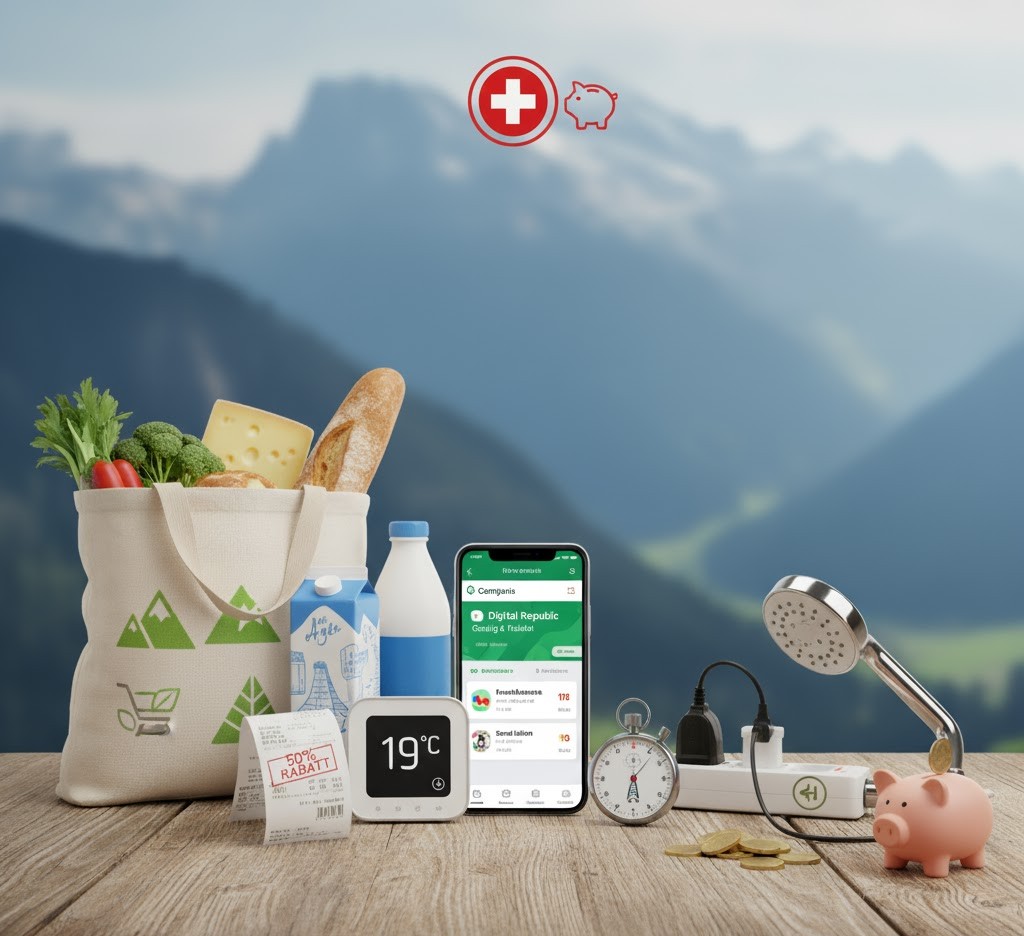
✅ Summary Table: Savings Areas
Area | Most Effective Method | Potential Annual Savings (CHF) |
|---|---|---|
Groceries | Prioritize Lidl, Aldi, and Denner | 1,000 – 2,000 CHF |
Subscriptions | Switch to virtual operators (Digital Republic, Wingo) | 500 – 800 CHF |
Energy/Heating | 19°C Rule and Short Burst Ventilation (Stoßlüften) | 200 – 400 CHF |
Housing | Compulsory insurance and telecom comparison | 300 – 600 CHF |
Total Potential | — | ~3,500 CHF (and above) |
✅ Section I: Grocery and Food Expenditure Savings Strategies (Min. 1,500 CHF)
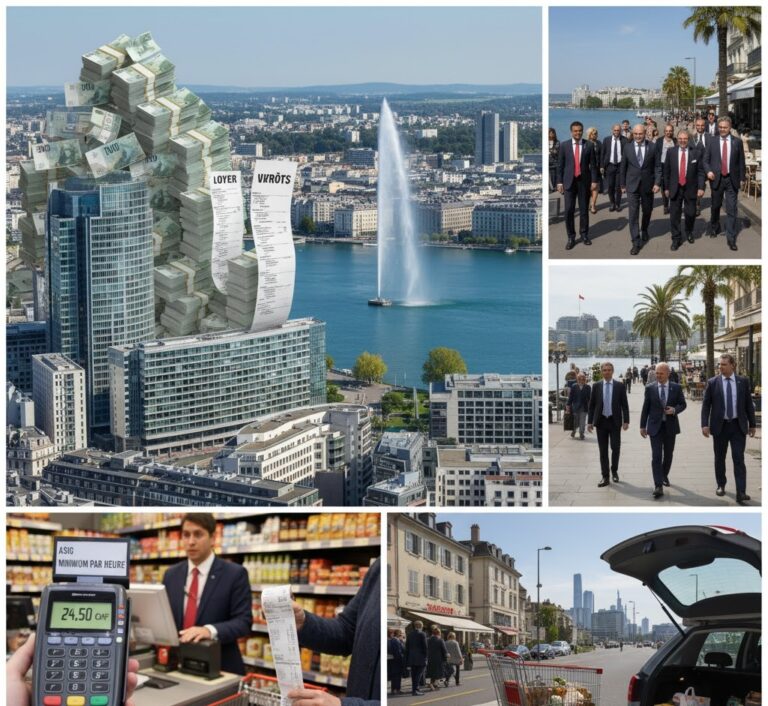
Grocery expenses… Ah, those famous Swiss prices! Frankly, the item that depletes the budget fastest in this country, consuming it like a black hole, is undoubtedly grocery shopping. Therefore, smart shopping is no longer a luxury; it is the absolute necessity for survival and maintaining financial balance.
1. ✅ Use Grocery Chains Smartly and Track Discount Hours
Although an oligopoly exists in Switzerland’s food market (Migros and Coop dominance), new players are available for savings.
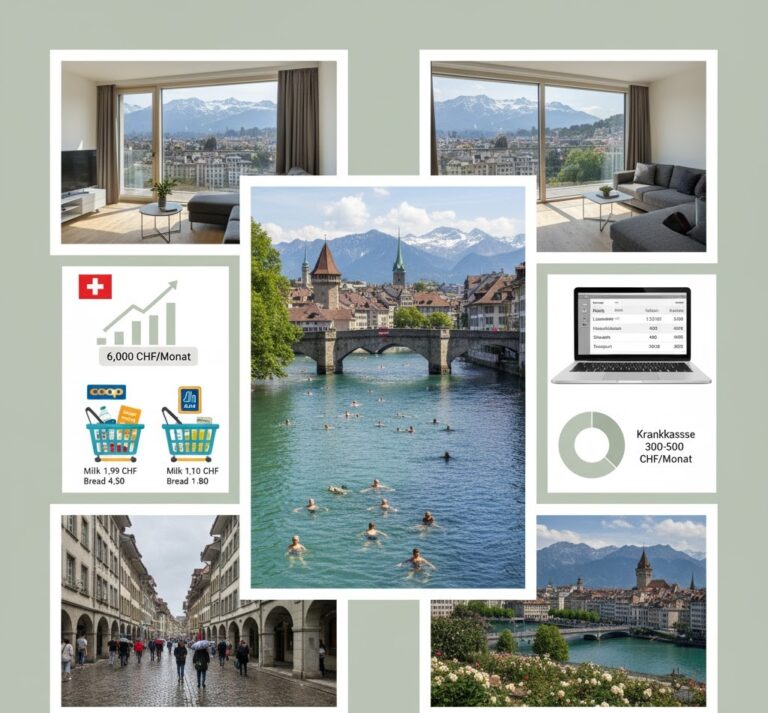
- Prioritize Cheaper Stores: For almost every product, Lidl, Aldi, and Denner are cheaper than the traditional Migros/Coop. Focus on these chains, especially for basic food, breakfast items, milk, cheese, and cleaning supplies.
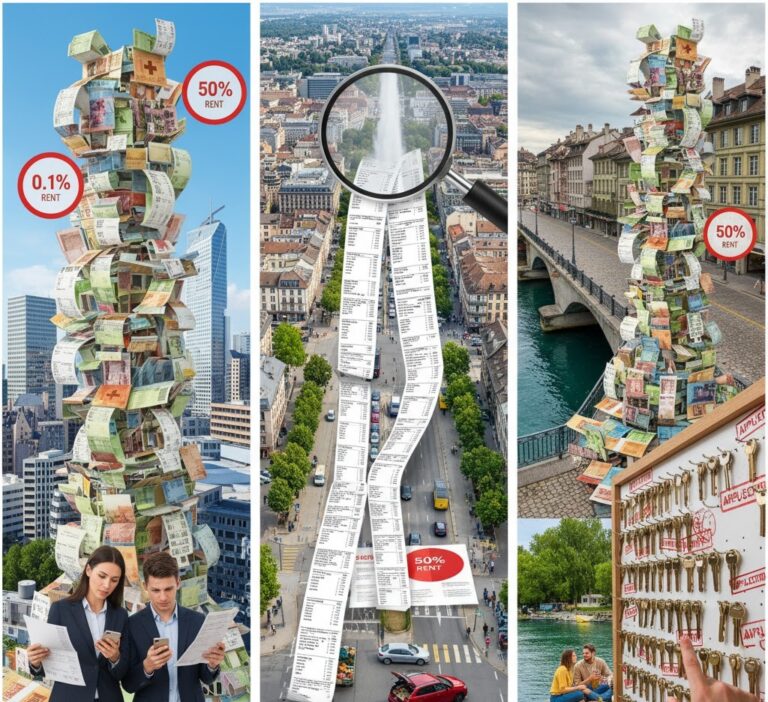
- Discount Hours: In Migros and Coop, fresh products are sold at a 50% discount approximately 30-60 minutes before closing. This strategy significantly eases the budget while preventing waste.
- A Small Note: For those who enjoy eating out but are mindful of their budget, be sure to use apps like Too Good To Go. In my observations, these platforms allow restaurants and bakeries to offer their surplus food at very low prices near closing time. This is a great solution for both your wallet and the planet.
2. ✅ Plan Cross-Border Shopping to Cover Four Countries
The borders Switzerland shares with its four neighbouring countries (Germany, France, Italy, and Austria) offer significant price advantages for food and certain consumer goods. Consequently, this is one of the most effective Swiss Savings Tips Grocery Energy strategies, especially for residents in border cantons.
- Germany (DE) Route: Border towns like Lörrach, Waldshut, and Konstanz are very advantageous, particularly for meat, dairy, detergents, and personal care products. German grocery chains (Aldi Süd, Lidl) are generally cheaper than their Swiss branches.
- France (FR) Route: The areas around St. Louis, Annemasse, and Ferney-Voltaire are preferred, especially for fresh meat, seafood, and quality wine/cheese. This region is close to the cantons of Geneva and Vaud.
- Italy (IT) Route: For residents in the Ticino canton, regions like Chiasso, Como, and Varese create a significant price difference for fresh vegetables, fruits, and traditional Italian food products.
- Austria (AT) Route: Markets on the Austrian border (e.g., Vorarlberg), near the cantons of St. Gallen and Graubünden, can also be attractive for general food and alcohol prices.
Critical Customs Quotas and Legal Restrictions:
- Mind the Customs Quotas: There are duty-free import quotas for products like meat (1 kg per person per day), tobacco, alcohol, and pet food. In particular, exceeding the meat quota (the 1 kg limit) can result in paying more tax than the product’s price.
- VAT Exemption Application: For your cross-border purchases, request a Tax Free form from stores to get a VAT (Value Added Tax) refund on your expenses. However, even if you receive the VAT refund, paying Swiss VAT for products exceeding the quota upon entry into Switzerland is mandatory. Tracking quotas is the most critical step in this savings method.
- Try Aligro: If you cannot travel abroad, the wholesale Aligro markets can offer more advantageous prices than Migros/Coop for large families or bulk buyers.
✅ Section II: Optimizing Subscription and Communication Costs (Min. 700 CHF)
Subscriptions constitute the largest and most easily optimized part of monthly fixed expenses. Therefore, the energy list’s second main stop is here.
3. ✅ Switch to “Virtual Operators” for Communication
Switzerland’s major mobile operators (Swisscom, Sunrise) are expensive. Yet, virtual operators using these networks offer much more affordable prices.
- Use Flexibility: Brands like Digital Republic, Wingo, or Yallo offer the same network quality (including 5G) at much lower monthly fees. Digital Republic, for instance, stands out with its flexible tariffs and E-SIM option.
- Follow Discount Campaigns: Communication companies run very significant campaigns (like 50% off for life) during Black Friday, Christmas, or special days. Wait for these campaigns before your commitment period ends.
4. ✅ Negotiate Your Existing Subscriptions
Loyalty is generally not rewarded in services like communication, internet, or even compulsory health insurance (Krankenkasse). On the contrary, threatening to leave is rewarded.
- The “Cancellation Call” Strategy: When your current telecom contract is about to expire, call customer service and say, “I want to cancel my contract.” Present them with affordable offers you’ve received from competitors. Most of the time, they will offer you special, non-public discounts (Retention Offers).
- Foreign Service Subscriptions: For international platforms like YouTube Premium or Netflix, using cards like Revolut and a VPN to subscribe through countries where billing is cheaper can reduce costs by 1-2 CHF per month.
5. ✅ Check Eligibility for Serafe Fee Exemption
The SERAFE fee (approx. 335 CHF annually), mandatory per household for radio and television broadcasting in Switzerland, is an unavoidable cost for most.
- Exemption is Narrow: Getting an exemption from Serafe is extremely difficult. Indeed, exemption applies only to those with diplomatic status or recipients of Supplementary Benefits (EL).
- Mandatory Payment: Even if you do not use the internet, TV, or radio, every household residing in Switzerland is obligated to pay this fee. Consequently, if you do not meet the exemption conditions, you must include this item as a mandatory expense. You can find detailed information about SERAFE exemption conditions on the official website (Source: SERAFE).
✅ Section III: Fundamental Solutions for Housing and Energy Costs
Heating and electricity bills are the biggest strains on the Swiss budget during winter months. However, significant savings can be achieved through correct usage habits. The energy part of Swiss Savings Tips Grocery Energy offers ways to reduce bills without compromising your quality of life.
6. ✅ Apply the Heating Rule: 19°C Discipline
Swiss federal energy guidelines aim to optimize maximum room temperature.
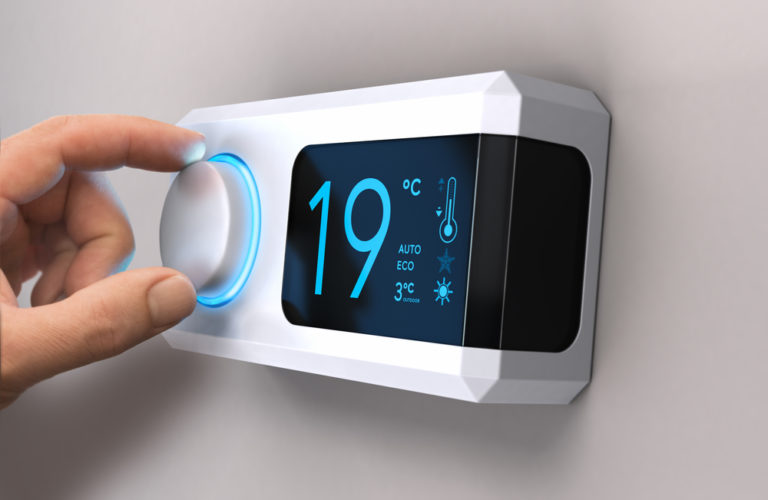
- The 19 Degree Rule: Keep the temperature in your living rooms at 19-20°C. Crucially, reducing the temperature by just one degree can mean up to 6% savings in heating costs.
- Unused Rooms: Lower the temperature of unused or guest rooms to 16°C (snow symbol or * star position on the thermostatic valve).
7. ✅ Use Short and Intensive Ventilation (Stoßlüften)
The biggest mistake made during heating is leaving windows “slightly ajar” for long periods.
- Energy Efficient Ventilation: Instead of leaving windows constantly ajar, open all windows completely for 5 to 10 minutes, 3 times a day, to achieve rapid air exchange. This method is called “Stoßlüften”. Therefore, this refreshes the room’s air while preventing heat energy from escaping through the walls.
- Humidity Control: Do not neglect ventilation after using the bathroom or kitchen to quickly vent moisture.
8. ✅ Optimize Hot Water Consumption
Approximately 15% of Swiss households’ energy bill goes toward hot water production.
- Shorten Shower Time: Shortening your shower time by 1-2 minutes directly reduces water and energy costs.
- Efficient Shower Heads: Using low-flow and energy-efficient shower heads can reduce water consumption by up to 30% without feeling the difference.
- Thermostat Setting: Set the water thermostat to 50°C for instant heating systems and 60°C for tank systems. Higher temperatures lead to energy waste.
9. ✅ Eliminate Standby Mode and Use Machines Efficiently
Electronic devices left in standby mode are known as “silent electricity thieves.” As a result, they cause hundreds of francs in unnecessary consumption annually.
- Unplug Devices: Unplug devices like televisions, computer monitors, coffee makers, and chargers when not in use, or use power strips with switches.
- Dishwasher/Washing Machine: Run these machines fully loaded and prefer low-temperature programs (30°C).
10. ✅ Use Comparison Sites for Mandatory Expenses
Comparison platforms are available for many essential services in Switzerland and provide significant savings.
- Insurance Comparison: Use platforms like Comparis to compare both compulsory health insurance (Krankenkasse) and other policies annually. Insurance premiums can vary greatly between cantons and providers. Our article Swiss Health Insurance Selection: A Comprehensive Guide for Immigrants will guide you (Source: Comparis).
- Financial Optimization: Research the lowest-fee and most efficient options for financial products. Avoid high-interest banks and credit cards. For the right start in banking, our article Opening a Bank Account in Switzerland and Guide for Financial Start will help you.
✅ Conclusion
The Swiss Savings Tips Grocery Energy strategies covered in this guide are the key to managing high-cost living. These 10 steps range from small daily habit changes to major financial decisions.
Remember, every franc saved in Switzerland is worth more than a franc saved elsewhere. Therefore, financial discipline and applying these practical tips will give you a significant advantage in your Swiss life.
Which step will you take today to start your 3,500 CHF savings journey? Share your strategy in the comments!