👑 Basel-Stadt: Guide to Living, Costs, Neighborhoods, and Job Opportunities

✅ focusAnaliz: Basel Through an Immigrant’s Eyes – First Impressions and Financial Realities
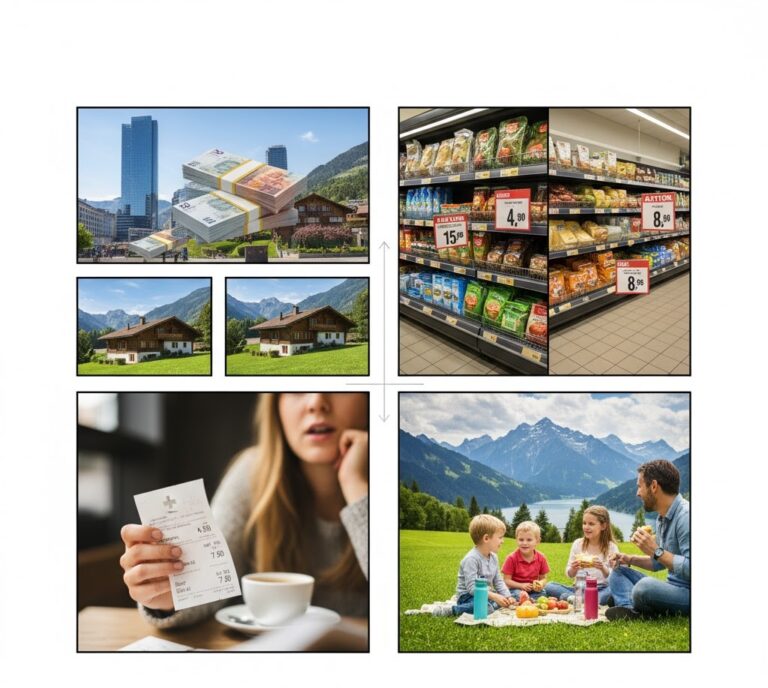
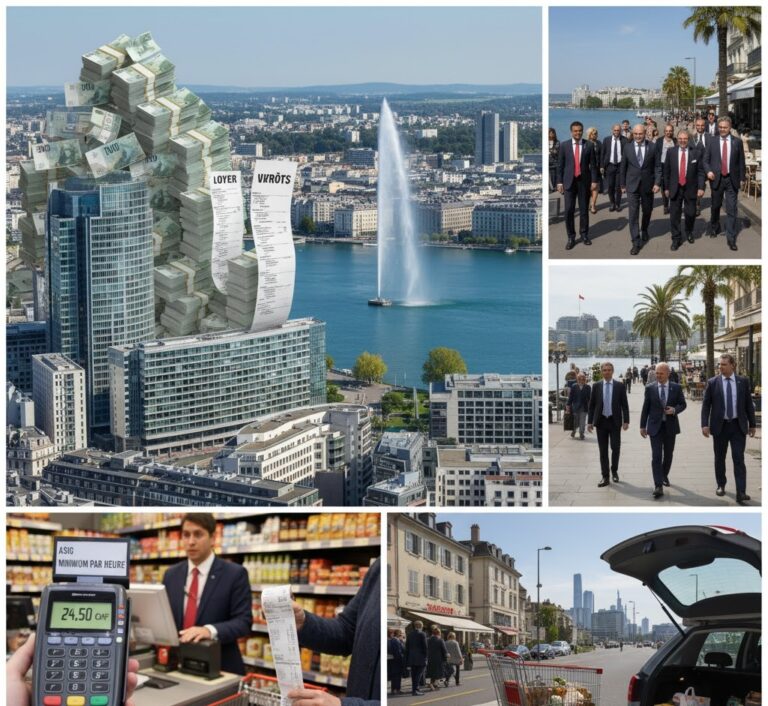
For someone living in Switzerland, particularly in Bern like me, Basel-Stadt is more than just a finance and culture “hub”; it’s truly a gateway to Europe. Its location in the northwest, bordering Germany and France, gives the canton an international dynamic, but this also brings its own brand of cost stress. Based on my observations as a Chef/Pizzaiolo, the high rent and health insurance costs in Basel amplify my concerns about worker parity. The 1.5-salary reality—where a ‘Working Poor’ resident pays the same basic fixed costs (rent, insurance) as a CEO in Zurich—applies strongly here in Basel. In this article, we’ll look beyond Basel’s glittering exterior to analyze its financial and social truths.
✅ Basel-Stadt: Quick Info and Canton Profile
Key Information about the Canton of Basel-Stadt:
Criterion | Detail |
|---|---|
Capital | Basel (Basel-Stadt is a single city-canton) |
Official Language | German |
Population | Approximately 200,000 (as of 2024) |
Key Sectors | Pharma, Chemistry, Banking, Logistics |
Border Neighbors | Germany (Baden-Württemberg) and France (Alsace) |
Special Feature | Smallest canton in Switzerland by area, with the highest population density. |
🎯 Main Definition:
Basel-Stadt is the smallest city-canton in Switzerland, located at the border with Germany and France. It is a globally leading hub for the pharmaceutical and chemical industries, characterized by high living standards and cultural richness.
✅ Core Information
Basel-Stadt comprises only the city of Basel and the municipalities of Riehen and Bettingen, making it one of the most compact administrative units in Switzerland. The official language throughout the canton is German, but due to the international workforce, English is widely spoken. Its economy is dominated by global pharmaceutical giants like Roche and Novartis, alongside the finance sector. This structure yields both high earning potential and correspondingly high living costs.
- Geographical Location: Situated on the Rhine River at the intersection of three countries, the canton serves as a vital logistical and commercial center.
- Cultural Wealth: The canton is famous for the Fasnacht carnival in winter and numerous museums (Kunstmuseum Basel). If you wish to learn more, you can read our article on Switzerland’s Cultural Codes: Mysterious Rituals and the Art of Living.
✅ Detailed Guide
✅ Costs and Living Expenses 💰
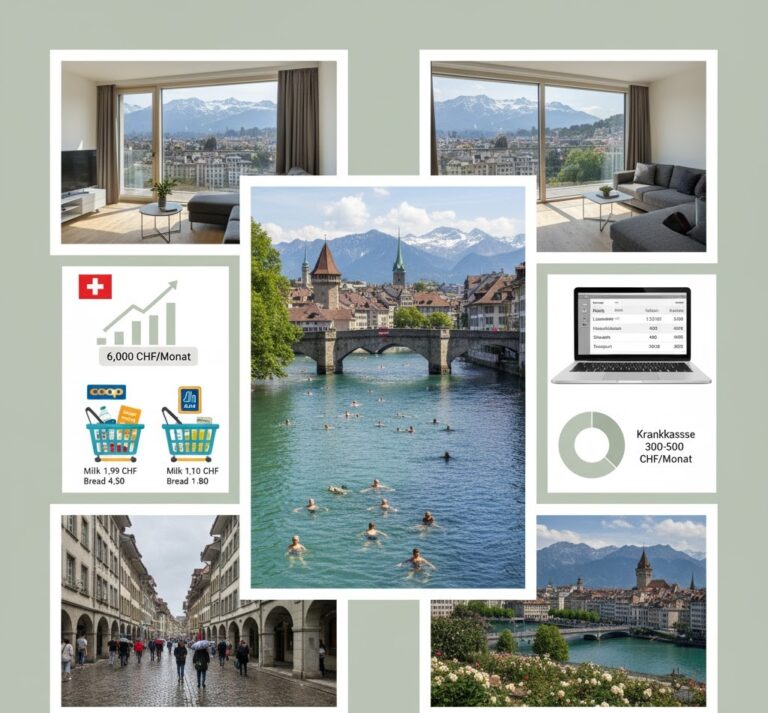
Basel ranks among the most expensive cities in Switzerland, after Zurich and Geneva. A large portion of the expenses comes from rent and health insurance premiums. As reported, Basel-Stadt residents pay the highest mandatory basic health insurance premiums in all of Switzerland (2023 average: CHF 426.40/month). This burden significantly reduces the financial advantage of high salaries.
- Rent: Prices escalate quickly near the city center. Cross-border residence provides a critical balancing mechanism to soften costs.
- Health Insurance: Due to the high premiums, seeking premium reductions and comparing tariffs is crucial. To make the right choices here, be sure to check our Swiss Health Insurance Selection: A Comprehensive Guide for Immigrants.
✅ Neighborhoods: Where to Live? 📌
For those seeking financial sustainability, more affordable housing options are available in neighborhoods priced below the cantonal average (e.g., Austrasse or Holeestrasse). Kleinbasel in particular combines relatively lower costs with a vibrant, multicultural atmosphere compared to Grossbasel.
- Grossbasel (Great Basel): Includes the historical center, financial districts, and elite residential areas.
- Riehen and Bettingen: Offer a quieter, greener, and more family-oriented lifestyle.
✅ Job Opportunities and Industry Structure 🚦
Basel is focused on highly qualified professionals due to the presence of global pharmaceutical giants (Novartis, Roche).
- High-Demand Sectors: Life Sciences, Finance, and Innovation.
- Lower-Wage Sectors: Despite the wealth generated by the primary sectors, workers in basic service industries like gastronomy, cleaning, and retail—those without diplomas or earning near minimum wage—are also present. These sectors form the backbone of the cantonal economy.
✅ focusAnaliz: Financial Pressure and System Trustworthiness
While Basel’s strategic Dreiländereck location offers opportunities for cost optimization, the accompanying challenges increase the pressure on legal immigrants. From my own experiences in Bern, dealing with the German language requirement and the Milan visa process, I know that bureaucratic hurdles can cost us priceless, stolen time.
Based on my experience as a Chef/Pizzaiolo, I observe that in highly competitive markets like Basel, the strong influence of large chains (Coop/Migros) on the wholesale market forces small businesses to operate with extremely thin profit margins. This situation compounds the financial pressure on the Working Poor segment in labor-intensive sectors. Furthermore, the general skepticism within the financial system increases the difficulties legal immigrants face during banking transactions, potentially damaging the perception of the system’s trustworthiness. In the face of high fixed costs, such obstacles overshadow the canton’s financial advantages.
My advice is to consider not just the money but also the cost of stolen time when making financial decisions. Adopting the Swiss Rules of Life: Order, Silence, and Adaptation Guide helps accelerate local acceptance and integration.
✅ Adaptation Roadmap
- Registration: Register with the Bürgergemeinde or the cantonal migration office within 14 days of moving to Basel-Stadt.
- Health Insurance: Secure mandatory health insurance (Krankenkasse) within three months, and perform a tariff comparison due to the high premiums.
- Transport Pass: Obtain a public transport subscription (e.g., U-Abo) that covers the three countries; this is key to cost optimization.
- Language Integration: Focus on learning High German (Hochdeutsch), a fundamental necessity for social and economic integration.
- Neighborhood Choice: To balance the high fixed costs (premiums), prioritize more accessible neighborhoods like Austrasse or Kleinbasel when choosing housing.
✅ Cost and Duration Table
Average costs and waiting times for an immigrant in Basel-Stadt (based on report data):
Item | Average Cost (CHF/Month/Year) | Average Duration |
|---|---|---|
1-Bedroom Rent (Outside Center) | 1,300 – 1,800 CHF/Month | 3 – 6 Months (House Hunt) |
Mandatory Health Premium | 426.40 CHF/Month (Adult Avg., 2023) | Annually Mandatory |
Average Net Salary (Unskilled Sector) | 3,800 – 4,500 CHF/Month | N/A |
Average Net Salary (Highly Qualified) | 7,500 – 11,000 CHF/Month | N/A |
B/L Permit Waiting Time | None | 4 – 12 Weeks |
❓ Frequently Asked Questions (FAQ)
❓ Question: Does shopping in neighboring Germany or France make a big financial difference?
✅ Answer: Yes. A price difference of 30% to 60% can occur, especially for essential consumer goods like groceries, vegetables, and cleaning supplies. This cost optimization strategy is vital, as detailed in our article Swiss Savings Tips Grocery Energy Guide: 10 Strategies for Subscriptions, Food, and Housing Costs.
❓ Question: Are the rumors about a high tax burden in Basel true?
✅ Answer: While Basel-Stadt has a more competitive tax structure for some income groups compared to cantons like Geneva or Vaud, the high general cost of living can make the perceived tax burden higher. This is a critical difference explored in our Swiss Tax System Cantonal Difference Guide: Structure, Types, and Tax Load Advantages.
❓ Question: Why is rent less flexible in Basel-Stadt compared to Geneva or Zurich?
✅ Answer: Basel-Stadt is a city-canton confined to a small geographic area. Growth potential is limited, and international demand (especially from pharma professionals) keeps the supply-demand balance extremely tight, sustaining consistently high prices.
✅ Alternatives
If the density and cost of Basel-Stadt feel overwhelming, you can explore alternatives in the surrounding area:
- Basel-Landschaft: This neighboring canton (capital Liestal) offers lower rents and a quieter life while maintaining easy public transport access to central Basel.
- Germany/France: Living in the neighboring regions significantly lowers the cost of living but requires accepting the bureaucracy of the Cross-Border Commuter Status and longer commute times.
✅ Recommendations / Tips
- Networking: Since the pharma and finance giants in Basel often operate in a closed loop, utilize networking tactics through LinkedIn and industry events, as described in our Swiss Job Interview Strategies: Cultural Alignment, Competency Focus, and a Comprehensive Guide for Immigrants, in addition to formal applications.
- Financial Counter-Calculation: As stated in the manifesto, when evaluating your salary, calculate your true purchasing power by factoring in Basel-Stadt’s high health insurance and rent costs (using the Working Poor comparison) rather than just the net amount.
- Cultural Alignment: Although Basel is close to Germany and France, the Swiss Rules of Life: Order, Silence, and Adaptation Guide are strictly enforced throughout the canton. Adherence to rules like Sunday quiet hours is fundamental to your acceptance.
✅ Conclusion
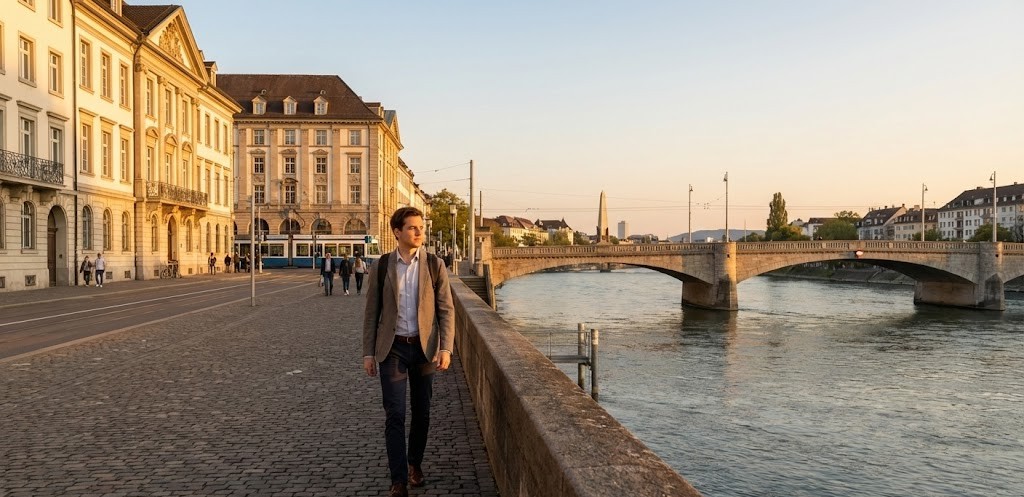
Basel-Stadt is one of Switzerland’s most cosmopolitan and economically dynamic cantons. Its potential for high salaries, global career opportunities, and rich culture make it highly attractive. However, this appeal comes at a price: the nation’s highest fixed costs and the mandatory adjustment to strict Swiss rules. This guide aims to be your companion in understanding the financial pressure and social expectations in Basel, helping you maximize your quality of life.
Bibliography
For Detailed Information on the Official Website of the Canton of Basel-Stadt and Administrative Information: https://www.bs.ch/
For Federal Statistical Office (BFS) Data on Population and Cost Metrics in Basel-Stadt: https://www.bfs.admin.ch/