COST OF LIVING IN ZURICH: THE HEART OF GLOBAL FINANCE AND QUALITY OF LIFE
I. Zurich: The Balance of High Salary, High Cost, and Smart Living
Zurich is the heart of global finance and one of the cities offering the highest quality of life worldwide. This title, however, brings with it one of the world’s highest costs of living. Life in Zurich requires establishing a delicate balance between high salaries and the necessity of being cautious with every expense, despite the comfort of its superior infrastructure. If you want comprehensive information about the complex financial landscape Zurich offers, you can start right here with the ultimate guide to living and working in Switzerland.
focusAnaliz: Success in Zurich: Not Just Earning High, But Spending Smart, and the Low Wage Reality
In my observation, earning a high salary in Zurich creates an illusion. This is because success in this city is not just about earning high but also about spending smart.
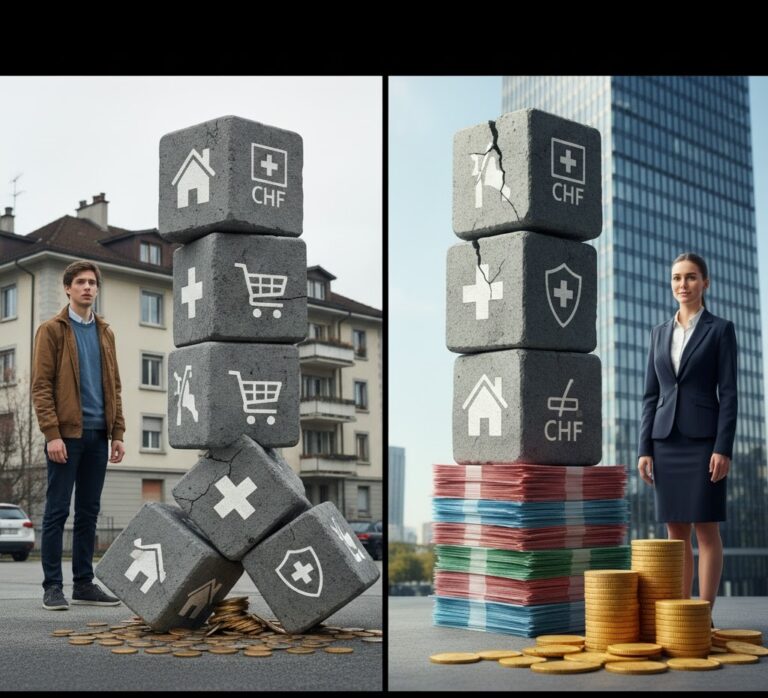
In my opinion, the real aspect of Zurich that should be criticized is the low wage reality hidden behind this curtain of high cost. Those who do not spend smart lose a significant part of their earnings to items like Accommodation and Housing Expenses. This situation overshadows Zurich’s quality of life with the inequality created by the Swiss wage structure. It is my personal view that spending smart and saving are the most crucial keys to existing here.
II. Accommodation and Housing Expenses: The Largest Budget Item
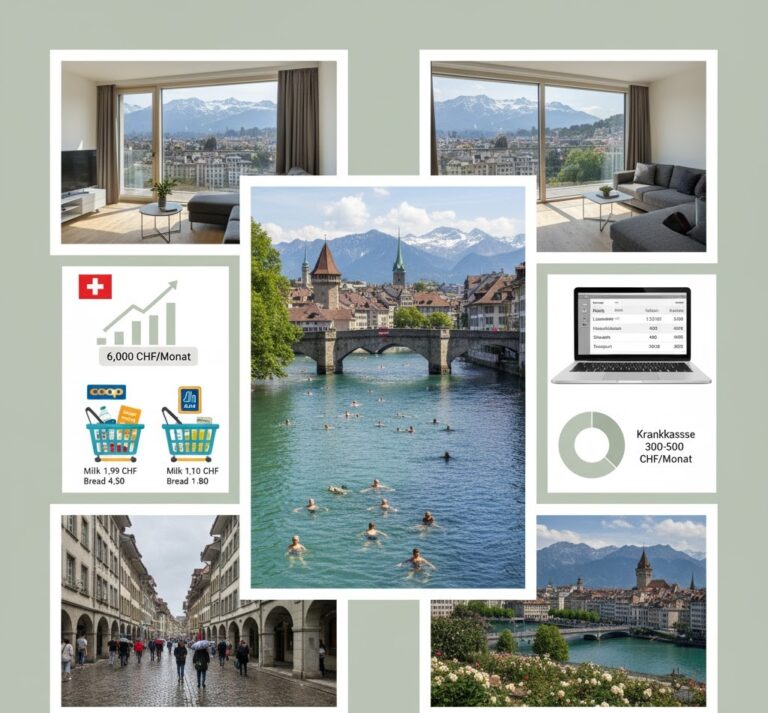
Housing in Zurich constitutes the largest portion of your budget. Although prices seem astronomical, the security, public transport access, and quality of housing obtained in return are above world standards. The difficulty of finding housing is, in my opinion, one of Zurich’s biggest disadvantages.
Average Monthly Rental Prices and Location Strategies
Apartment Type | City Center (Kreis 1, 8) | Suburbs (Oerlikon, Altstetten) |
|---|---|---|
1-Room / Studio | 2,000 – 3,200 CHF | 1,400 – 2,000 CHF |
2-Room (1 Bedroom) | 2,800 – 4,000+ CHF | 1,800 – 2,500 CHF |
Shared Apartment (WG) | N/A | 700 – 1,200 CHF (Per Room) |
- Housing Strategy: Areas like Altstetten or Oerlikon, which are just 10–20 minutes by train from the center, offer more reasonable rents and maintain easy access due to Zurich’s excellent public transport network. Competition for housing is high, and a complete application file is critical.
- Additional Costs (Nebenkosten): Besides the rent, supplementary costs like heating, water, garbage collection (Nebenkosten, approximately 150–300 CHF) and personal electricity, internet/TV expenses must be included in the budget.
Comparison Note: If you are curious about comparing the Cost of Living in Bern, the capital of Switzerland, with Zurich, and want to learn the cost balance of a calmer canton, you can check our detailed article [Cost of Living in Bern] .
III. Food and Grocery Expenses: The Price Dilemma and Savings
Significant savings are possible on grocery expenses. The price difference in Zurich is sharply divided based on quality and brand.
Basic Grocery Basket Comparison
Item (Staple) | High-end Chains (Coop, Migros) | More Affordable Chains (Denner, Aldi, Lidl) |
|---|---|---|
1 Liter Milk | 1.80 – 2.50 CHF | 1.10 – 1.40 CHF |
Basic Bread (500 g) | 3.00 – 4.50 CHF | 1.80 – 2.50 CHF |
Chicken Breast (1 kg) | 22 – 30 CHF | 16 – 20 CHF |
Eggs (10 pcs) | 5.50 – 7.50 CHF | 3.50 – 5.00 CHF |
- Economic Critique: High customs duties and technical trade barriers (“Swiss finish”) on imported products restrict competition in the domestic market and keep prices high. Saving money is a necessity here.
IV. Transportation, Health Insurance, and Tax Strategies
1. Public Transport Excellence (ZVV Zone)
Zurich’s transportation system (ZVV) offers the famous Swiss punctuality and cleanliness, despite its high cost. Although the public transport system is expensive, owning a car in Zurich is both a waste of time and much more costly than a ZVV pass. Considering the problems of finding parking and the costs of insurance, taxes, and fuel, public transport is the most logical and economical way to get around the city.
- Monthly Pass: The average monthly cost for the city center (Zone 1 and 2) is 85 – 100 CHF. An annual pass is more economical.
- Smart Strategy: Owning a Half-Fare Card (G-Abonnement) for longer distances halves the prices of single and day tickets, resulting in significant savings.
2. Mandatory Health Insurance (Krankenkasse)
Health insurance (Krankenkasse) is the strictest mandatory expense. Everyone moving to Zurich is legally required to sign an insurance contract within the first three months. Average monthly premiums can range between 350 – 600 CHF (depending on age, deductible, and model chosen). Choosing a high deductible (Franchise) is the most effective way to lower monthly premiums for healthy individuals.
V. Income Analysis: Balancing Costs with High Salaries
The only way to understand the cost of living in Zurich is to compare it with the high salaries.
Average Gross Monthly Salaries by Job Category (Zurich)
Job Category | Average Gross Monthly Salary (CHF) |
|---|---|
Skilled Worker/Service Staff | 5,500 – 6,500 CHF |
Mid-level Office Employee | 7,500 – 9,500 CHF |
Experienced Professional (IT, Finance, Engineering) | 10,000 – 15,000 CHF and above |
- Financial Reality: Despite high expenses, the average net income in Zurich provides higher purchasing power and greater savings potential than in most Western European cities.
Conclusion: Living in Zurich is not a Costly Adventure; it’s a Smart Strategic Investment
Living in Zurich is not a costly adventure; it is a financial and career-oriented strategy. In my opinion, the city more than justifies its high cost with quality-of-life elements like a zero crime rate, excellent infrastructure, and flawless lake/mountain access.
You can fully benefit from this high standard of living by smart budgeting, choosing housing outside the center, and utilizing discount opportunities. Remember that this city is a paradise for those who know where to spend their money.