Swiss Online Shopping Guide: E-commerce Trends, Platforms, and Savings Tips
✅ 1) Introduction
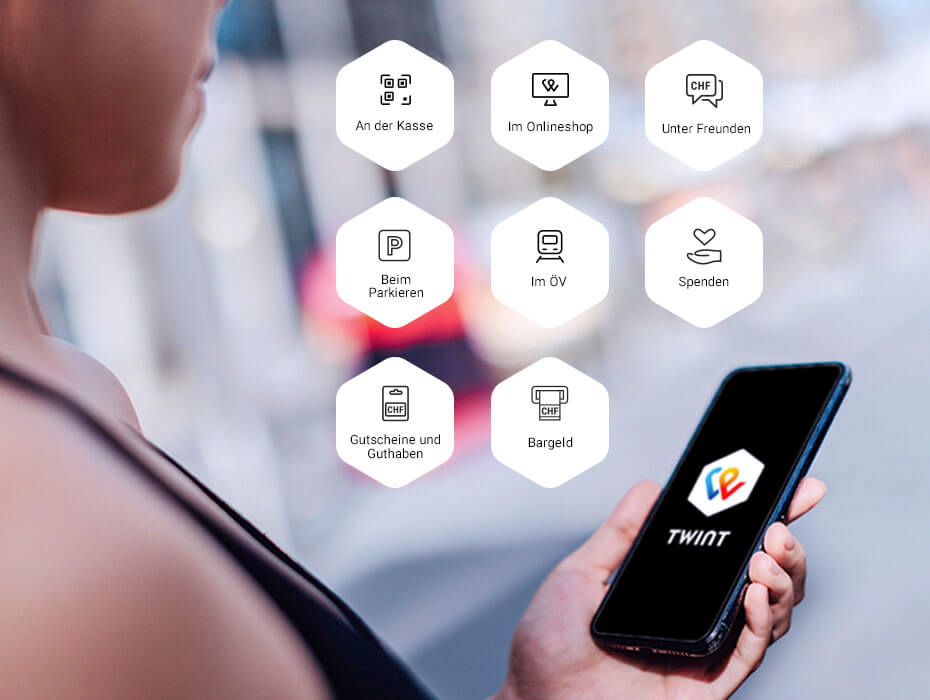
Switzerland is known as one of the world’s most developed countries with its high-tech infrastructure and flawless systems. Therefore, at first glance, it might be assumed that everything progresses digitally and quickly. However, according to my observations, the situation, especially in online shopping and daily digital services, is very different from what we expect. On one hand, mobile payment systems like Twint, developed by local banks, are breaking records, while on the other hand, the public maintains its unwavering loyalty to cash money.
This article analyzes statistics on the 2025 e-commerce market, price advantages, payment methods, points to note, and future trends. This analysis is critically important for residents to understand the opportunities and challenges presented by digital payment systems and e-commerce. **For a broader perspective on this matter, you must check our article ** Switzerland: The Ultimate Guide .
✅ 2) Quick Summary Table
Heading | Brief Information |
|---|---|
Where? | Across Switzerland |
Average Cost | High (Annual Market Volume 16.3 Billion CHF) |
Who is it for? | Price-conscious local people and immigrants |
Key Trend | Shift to cross-border shopping |
✅ 3) Basic Information
Definition: The e-commerce market is characterized as a market with high purchasing power but a small population. Robust technological infrastructure and fast internet speeds form the basis of online shopping. Market growth is primarily accelerated by increasing purchases made from abroad.
Background / Context: E-commerce volume reached approximately 16.3 billion CHF in 2024. 73% of users made at least one online purchase per year. Fashion, electronics, and home goods were the most preferred categories. Local platforms lead in delivery time. Data from the Swiss National Bank (SNB) reveals the public’s tendency toward cash usage. (External Link)
Why It Matters: Online shopping has become an important way to manage the daily budget in the price-sensitive Swiss market. As discussed in the article Swiss Shopping Culture: Grocery Prices, Discount Days, and Local Products, knowing discounts is critically important.
✅ 4) Detailed Guide Section
4.1 Most Used Platforms
- Local Platforms (Galaxus, Digitec)
- The biggest online shopping players are strong in electronics and general goods.
- Offer fast delivery (usually 1–3 days).
- Provide clear stock, delivery information, and price comparison features.
- Cross-Border Platforms (Amazon.de, etc.)
- International platforms offer price advantages.
- Customs and shipping costs may apply; return processes can be longer.
- Second-Hand Platforms (Ricardo, Tutti)
- Especially preferred for electronics, furniture, and collection items.
4.2 Payment Methods
- Digital Payment (Twint): Mobile and contactless payments are rapidly increasing. Some sellers only accept digital payments or cash.
- Credit Card: Common on international sites.
- Invoice Payment: The order is delivered, and then payment is made (Commonly used on local platforms).
✅ 5) Experience / Suggestion Section
While online shopping has advantages, success here requires following discounts on local sites using different languages, rather than just relying on digital systems. In cross-border shopping, meticulously calculating shipping and customs costs is vital.
✅ 6) Step-by-Step Guide / Application
- Compare prices.
- Follow coupon and campaign days.
- Check second-hand platforms.
- Calculate shipping and return fees in advance.
✅ 7) Cost / Fee / Time Table
Item | Price | Explanation |
|---|---|---|
Twint Setup | Free | Requires a Swiss bank account. |
Annual Online Tax | 7.7% VAT (MwSt.) | Standard value-added tax added to high prices. |
International Shipping/Customs | High | Customs duties and VAT are added to goods from outside the EU; this increases the final price. |
Average Online Basket Value | 100 CHF+ | Basket values are high due to high consumer purchasing power. |
✅ 8) Frequently Asked Questions (FAQ)
Q: Is shopping on Amazon.de advantageous in Switzerland?
Answer: Mostly yes. Especially in categories like technology and clothing, Amazon.de or other international sites can be more affordable than local Swiss prices. However, customs and shipping costs must be calculated carefully.
Q: Is online grocery shopping common in Switzerland?
Answer: Local chains like Migros and Coop offer online grocery services. However, due to high delivery fees and inflexible delivery times, most consumers still prefer physical markets.
✅ 9) Alternatives
Alternatives to avoid high prices in online shopping include:
- Physical Cross-Border Shopping: Driving to border towns like Lörrach (Germany) or Saint-Louis (France) for physical grocery shopping.
- Second-Hand Market: Local second-hand platforms like ricardo.ch and tutti.ch offer significant savings on expensive items like furniture and electronics.
✅ 10) Advice / Tips
- Price Comparison: Do not buy the same product without comparing prices on Galaxus, Amazon.de, and MediaMarkt CH.
- Carry Cash: In small cafes and bars, not accepting cards other than Twint or cash is common.
✅ 11) Conclusion Section
Although Switzerland is making rapid strides in digitalization, in my opinion, consumer behavior and the high cost reality are slowing this process. The widespread use of Twint is a sign of local financial strength; however, the shift to cross-border shopping reveals how critical the pricing policy is.
By using the strategies and platforms presented in this article, you too can overcome the challenges of digital life in Switzerland, control your budget, and not only adapt to the system but also exist as a smart consumer. Using digital services effectively is one of the keys to improving the quality of life in Switzerland.