The Dual Identity of Ticino: Italian Soul, Swiss Order, and the Lugano & Locarno Guide
✅ 1) Introduction
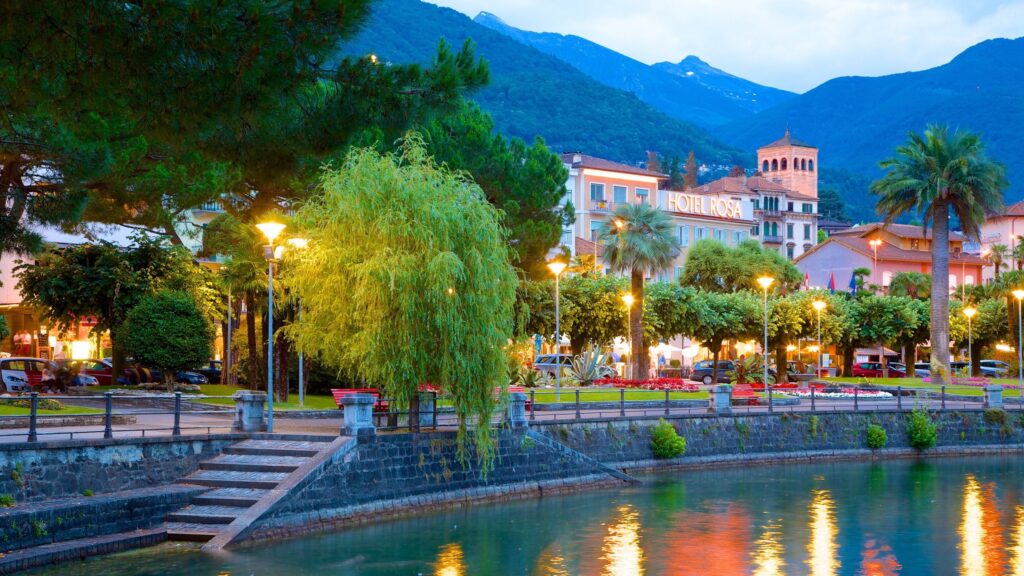
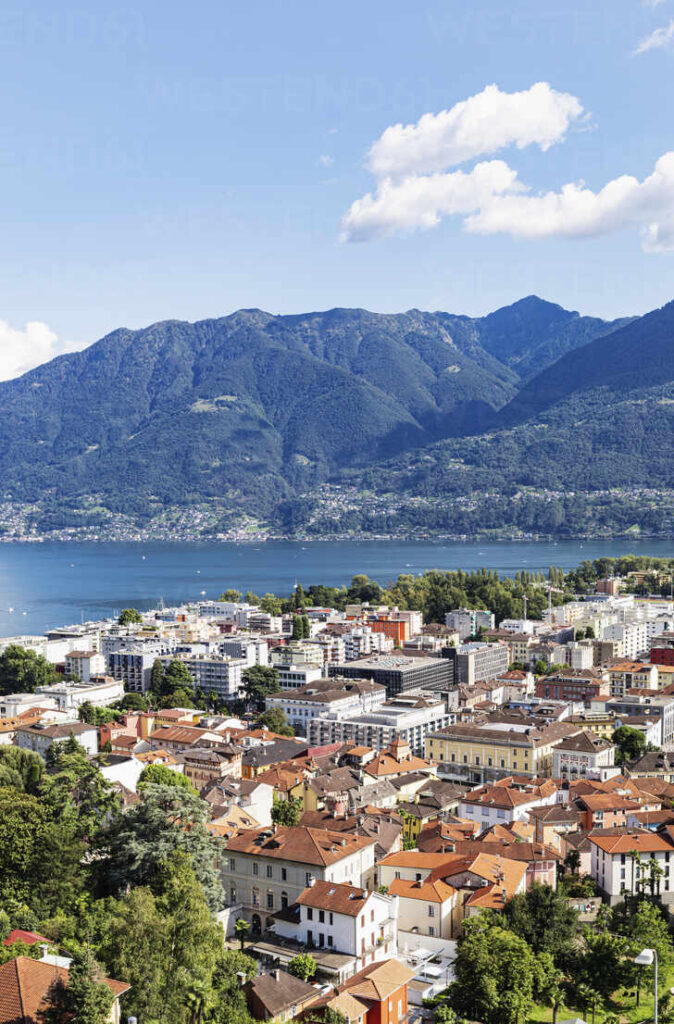
When you step into the Ticino Region, the southern gateway of Switzerland, your first feeling will be that of “Switzerland disguised as Italy.” Palm trees, olive trees, the scent of Italian cuisine, and Mediterranean warmth… This geography combines the famous Swiss order and discipline north of the Alps with the passionate soul of the South. However, this is not just a cultural experience; it is also a complex way of life caught between cross-border workers (Frontalieri), linguistic identity, and the reality of the high cost of living.
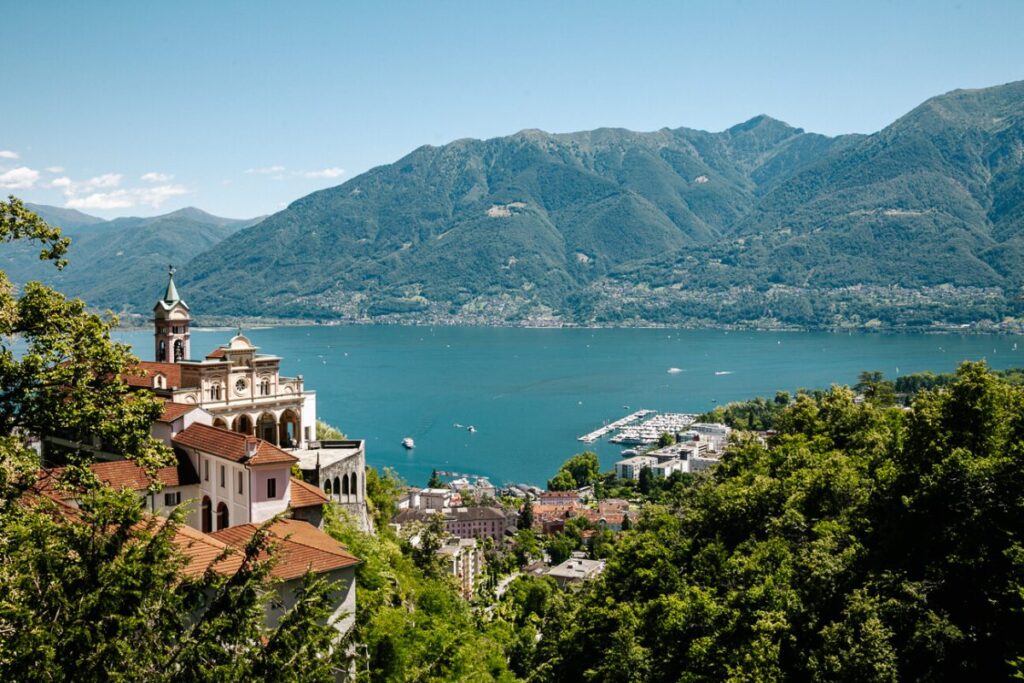
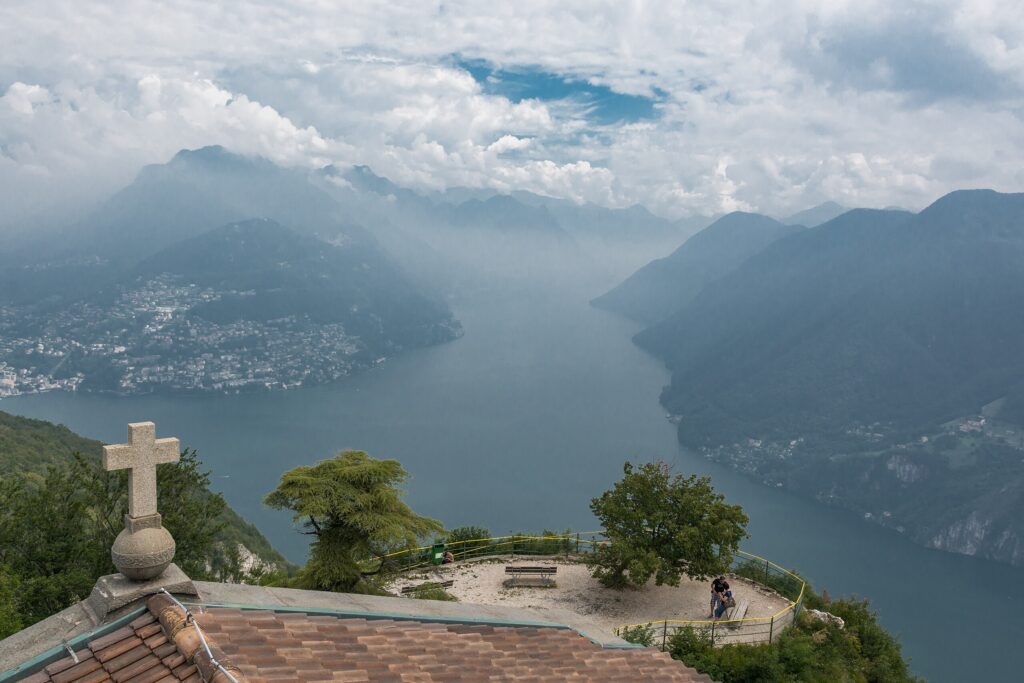
This guide will highlight not only the tourist beauties of Lugano and Locarno (Monte San Salvatore, Piazza Grande) but also reveal the geographical and social separation between the two shores of Italian Switzerland. Our goal is to offer a concrete guide for everyone embarking on this journey, by analyzing the high quality of life and the economic and cultural balance behind it.
✅ 2) Quick Summary Table
Heading | Brief Information |
|---|---|
Regional Character | Swiss Order Ruled by Italian Soul |
Main Cities | Lugano, Locarno (Canton Ticino) |
Who is it for? | Those seeking sun, Italian language, and Swiss quality |
Key Reality | High social tension due to cross-border workers (Frontalieri). |
✅ 3) Basic Information
Definition: Ticino is the only fully Italian-speaking canton in Switzerland. Due to its geographical location and cultural ties, it is distinctly separate from the rest of Switzerland (Röstigraben and Polentagraben). This region is centered around Lake Maggiore and Lake Lugano.
Background / Context: Ticino has a rich history dating back to the Roman period. Although the region resisted Italian cultural influence for a long time, this identity is evident today. However, the presence of Italian-speaking people in the region is vitally important for the country’s multilingual identity, as we also noted in our article Swiss Languages.
Why It Matters: This region is where the economic and social balance is most acutely felt, since it is frequented by Frontalieri who commute between the high-wage Swiss labor market and the lower-cost Italian life. This shows how the Swiss welfare model operates at its borders.
✅ 4) Detailed Guide Section
4.1 Italian Soul and Swiss Order (Cultural Conflict)
Ticino’s biggest appeal is the warmth brought by the Italian soul, the outdoor lifestyle, and the order and security provided by Switzerland. Based on my observations, life here flows slower, people are more extroverted, and this is a source of relaxation even for immigrants from Northern Switzerland. However, the Italian-speaking regions offer fewer job opportunities compared to the financial strength of the Northern cantons (like Zurich).
4.2 Lugano: The Glimmer of the Financial Center
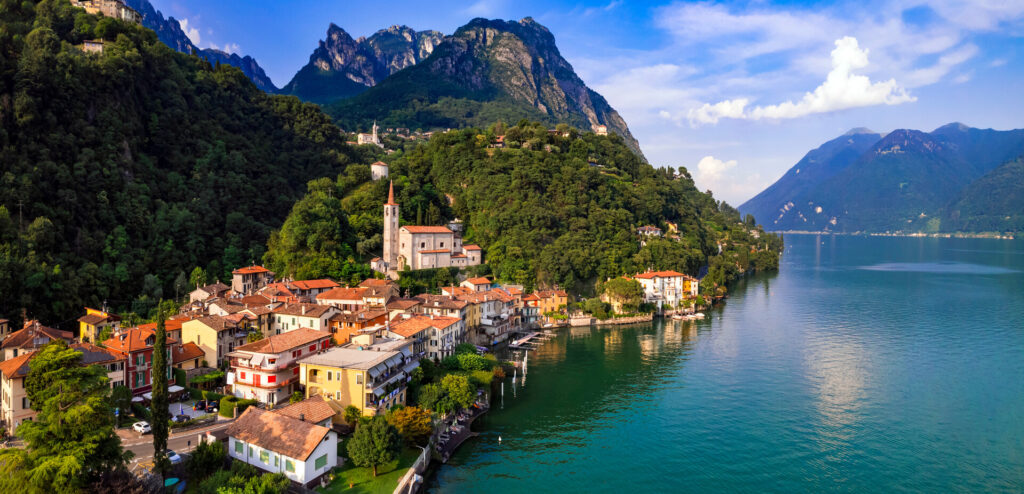
- Center: Lugano, located on the shore of Lake Lugano, is the financial and commercial center of Ticino. Via Nassa is a famous address for luxury shopping.
- Sightseeing: Ascending Monte San Salvatore and Monte Brè by funicular offers breathtaking views of the lake and the Italian Alps.
- Cultural Shadow: Places like the Museo delle Culture show the region’s deep connection to Italian culture. We examine the costs of this region in more detail in COST OF LIVING IN ZURICH: THE HEART OF GLOBAL FINANCE AND QUALITY OF LIFE.
4.3 Locarno: Sun, Art, and the Allure of the North
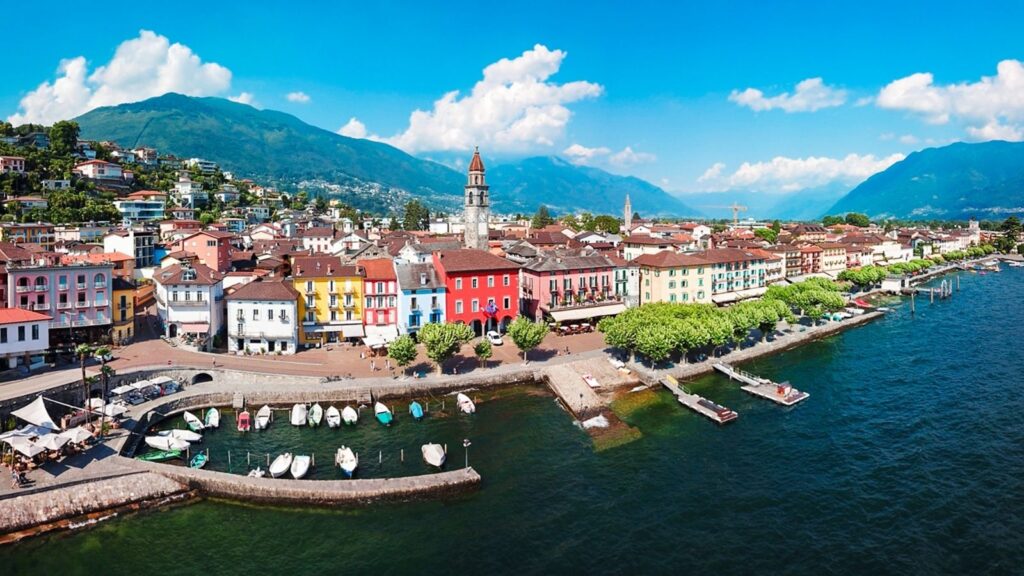
- Warmest City: Locarno is known as the warmest city in Switzerland. Palm trees and olive trees add a Mediterranean atmosphere here.
- Piazza Grande: The heart of the city, Piazza Grande, hosts an international film festival in the summer.
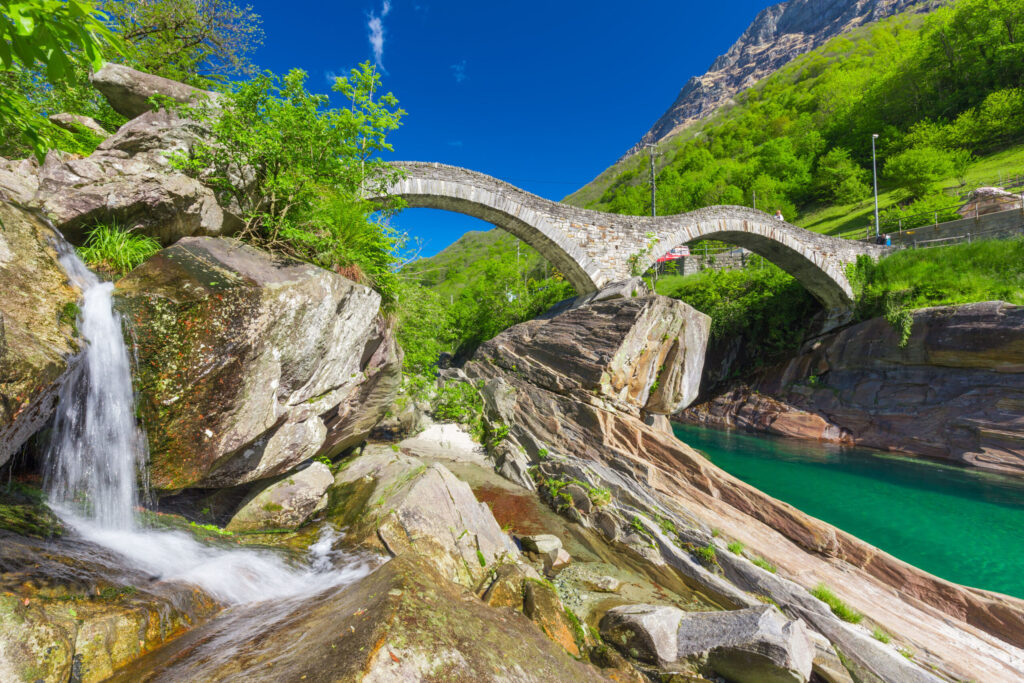
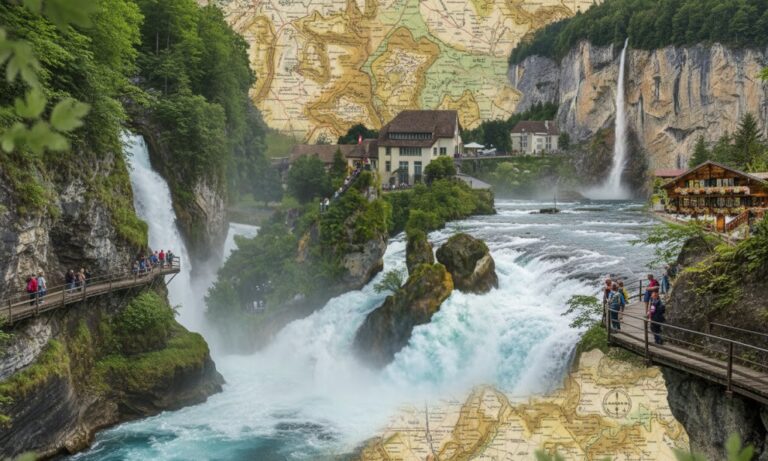
- Lesser-Known Gems: The Waterfall of Foroglio (off the tourist routes) and the view from Cardada (above Locarno) extending to the Dufour Peak are worth seeing.
✅ 5) Experience / Suggestion Section
Life in Ticino, in my opinion, offers a different answer to the question of what it means to live in Switzerland. If you love the language and need a warmer social life, this is a humane sanctuary away from the discipline of Northern Switzerland.
However, if you are considering settling here, you must absolutely learn Italian. Although people may understand English, cultural integration progresses through the Italian language.
✅ 6) Step-by-Step Guide / Application (For Travelers)
Lugano and Locarno Travel Flow (Cultural Experience)
- Start in Lugano: Begin with a boat tour on Lake Lugano. Then explore the Parco Civico and Via Nassa (luxury shopping) street.
- Panoramic Summit: Ascend Monte San Salvatore or Monte Brè by funicular to catch breathtaking views of the lake and the Italian Alps. (Buy your tickets in advance!)
- Cultural Insight: In Locarno, visit Piazza Grande and the Castelgrande (Bellinzona) castle, which is on the UNESCO World Heritage List.
- Nature Walk: Head for less-known, artistic walking trails like the Olive Trail (Sentiero dell’Olivo) around Lake Lugano.
✅ 7) Cost / Fee / Time Table (Frontalieri Focus)
Item | Price (CHF) | Explanation |
|---|---|---|
Average Rent (2 Rooms) | 1,400 – 2,000 CHF | Lugano/Locarno average. |
Health Insurance (Per Person) | 350 – 450 CHF | The mandatory and criticized highest premium in Switzerland. |
Domestic Train (Lugano-Zurich) | 70 – 90 CHF | High cost due to the distance between North and South. |
Average Monthly Expense | 3,500 – 4,500 CHF | Estimated cost of living for a single person after rent and insurance. |
✅ 8) Frequently Asked Questions (FAQ)
Q: Is being a Cross-Border Worker (Frontalieri) in Ticino advantageous?
Answer: Yes, the combination of Italian cost of living and the Swiss salary provides a financial advantage. However, new tax agreements and transportation costs reduce this advantage. You can obtain detailed information on the status and rights of cross-border workers from the official website of the State Secretariat for Migration (SEM). (External Link)
Q: Is knowledge of Italian mandatory in Ticino?
Answer: Yes. Italian is the official language of the canton. Unlike Northern Switzerland, knowledge of Italian is essential for job and social integration.
✅ 9) Alternatives
Alternatives for those who want to live in Ticino are:
- Living on the Border (Como, Varese): Living in Italy and working in Switzerland with a G Permit (Frontalieri).
- Other Italian Switzerland Areas: Moving to smaller municipalities (Bellinzona) in the Italian-speaking regions may lower rents.
✅ 10) Advice / Tips
- Italian Practice: Learn the language not only for work but also for the social environment; this accelerates your integration.
- Public Transport: Use steamboats and local funiculars (Monte San Salvatore) for sightseeing on Lake Maggiore and Lake Lugano.
✅ 11) Conclusion Section
Ticino is a unique region with a Mediterranean texture, an Italian soul, but a Swiss system. This article highlights the beauty of Lugano and Locarno, the will to coexist, and the cost-balancing strategies, while also exposing the economic test faced by Frontalieri.
To make the best decision for yourself, you must first analyze all topics starting with our ultimate guide ** Switzerland: The Ultimate Guide article.