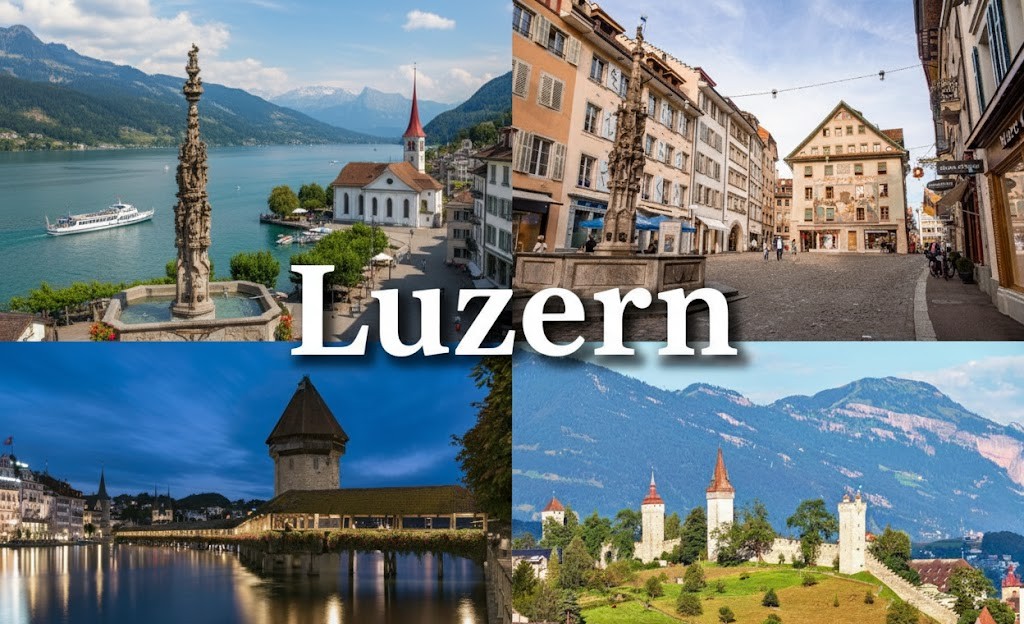
Lucerne: Chapel Bridge, Lake Lucerne, and the Peaceful Heart of Switzerland
✅ INTRODUCTION: focusAnalysis – LUCERNE FROM THE PERSPECTIVE OF AN IMMIGRANT FROM BERN
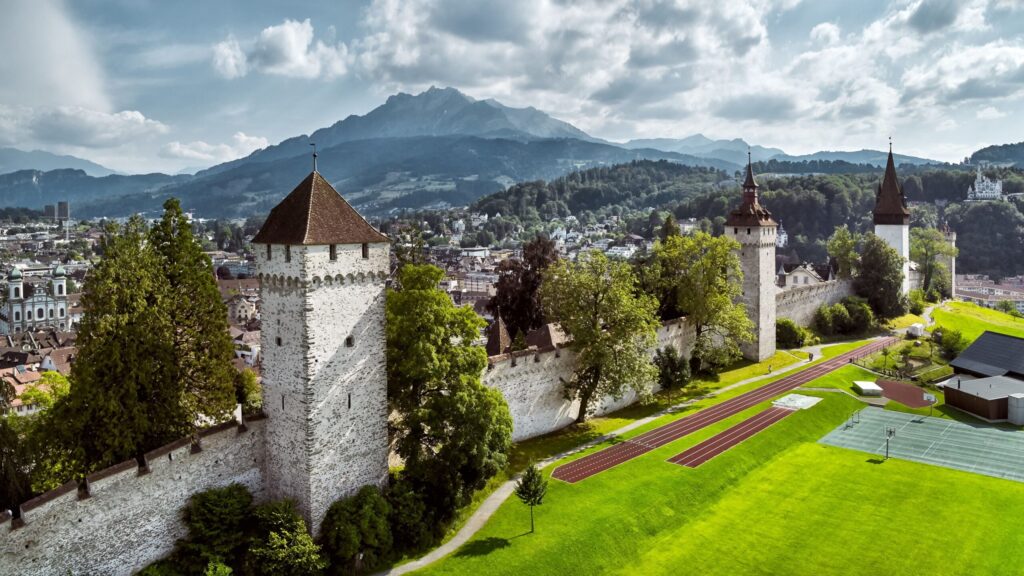
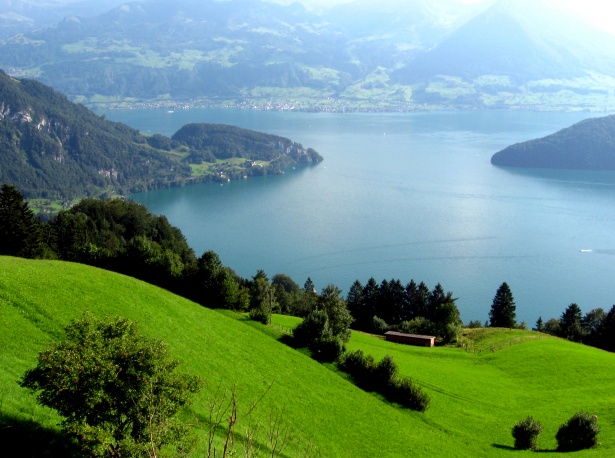
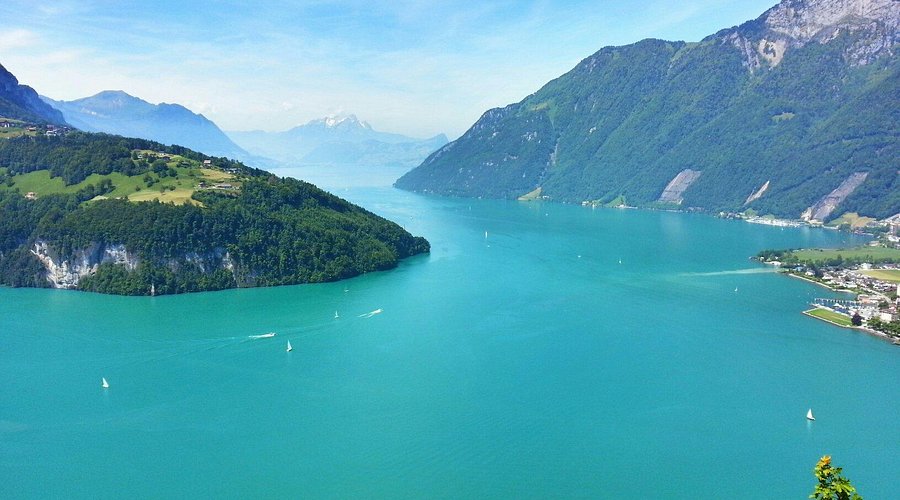
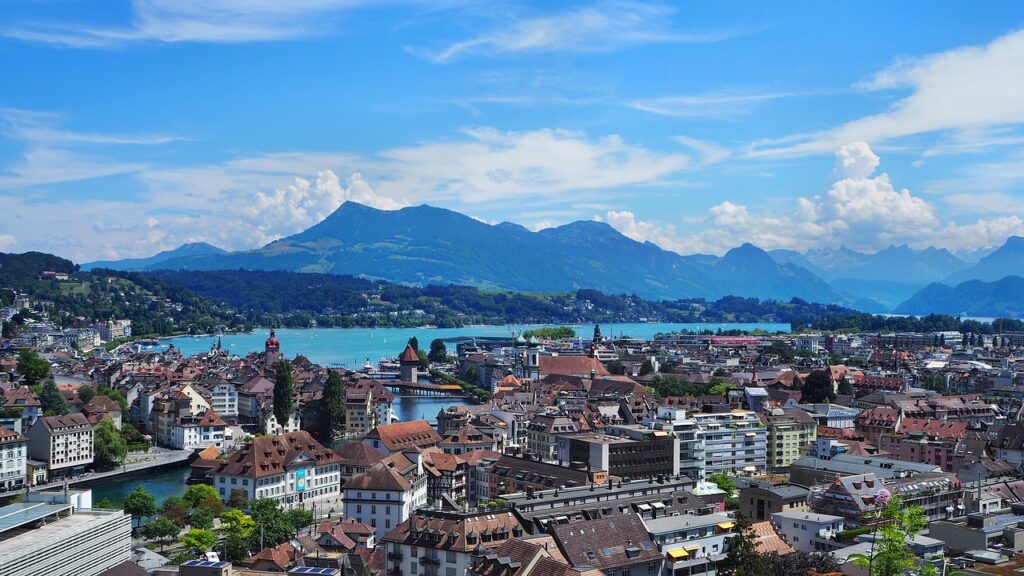
Lucerne, nestled on the shores of Lake Lucerne (Vierwaldstättersee), is essentially a postcard-perfect summary of Switzerland, with its historical texture and the majestic Alps rising directly behind it. As an immigrant living in Bern, exploring the beauty of Switzerland has always been a budget equation for me. I know that a significant portion of our salaries goes towards rent, insurance, and daily necessities while we try to build a life here according to Swiss standards. Therefore, when visiting attractions like Lucerne, the question, “Is this beauty worth the high cost?” always lingers in the back of our minds.
This guide, much like the story of the Chapel Bridge rising from the ashes, shows you how to enjoy the high-level experiences Lucerne offers through cost-effective strategies, without making major sacrifices to your budget. Lucerne is not just a tourist stop; it proves that, with the right planning, it is a wonderful city to explore even for workers we might label as the Working Poor. Our goal is to ensure that every franc (CHF) you spend translates into a premium experience.
✅ Quick Summary Table
Key Information | Detail | Significance |
|---|---|---|
Zone 10 Transportation | Free with the Visitor Card | Completely eliminates daily transport costs and allows flexibility in choosing accommodation. |
Mountain Trip Focus | Tell-Pass vs. Swiss Travel Pass (STP) | If Rigi and Titlis are priorities, the regional Tell-Pass offers better value for money. |
Chapel Bridge | Built 1333, burned 1993, restored | Symbolizes the city’s cultural resilience and is a free cultural/photo spot. |
Pilatus Summit Note | Golden Round Trip (Boat, Cogwheel, Cable Car) | Operates in the summer months (May–October). Advance reservation is essential during the high season. |
🎯 Main Definition
Lucerne is a timeless Swiss city located on the shores of Lake Lucerne (Vierwaldstättersee) in Central Switzerland, famous for the historic Chapel Bridge and the surrounding mountains of Pilatus, Titlis, and Rigi, offering visitors a rich cultural experience managed through smart budgeting.
✅ CORE INFORMATION
Travelers planning to visit Lucerne can use two fundamental tools to control costs: the free local card provided by the city and regional/national travel passes.
- Lucerne Visitor Card: This card is offered free of charge to all guests staying overnight in Lucerne and grants completely free use of all buses and trains within the critical Zone 10 of the city network. This means the daily transportation cost of at least 10–20 CHF is eliminated, particularly vital for someone on a lower salary, and encourages exploring more affordable accommodation options outside the center (but still within Zone 10).
- Tell-Pass and Swiss Travel Pass (STP): Given the rapidly increasing transportation costs in Switzerland, these passes are strategically important. While the STP offers benefits across all of Switzerland, the Tell-Pass allows for completely free travel to high-cost mountain excursions like Titlis and Rigi, thus providing the highest value for those focusing solely on Central Switzerland.
✅ DETAILED GUIDE
Lucerne’s historical and cultural stops offer the best ways to explore the city without straining your budget.
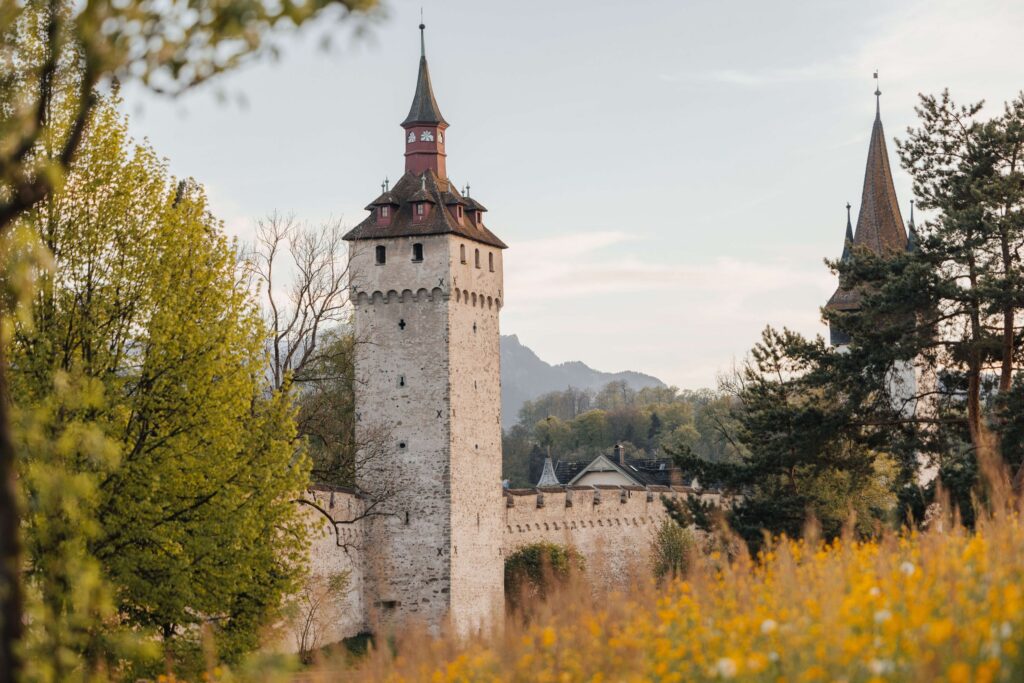
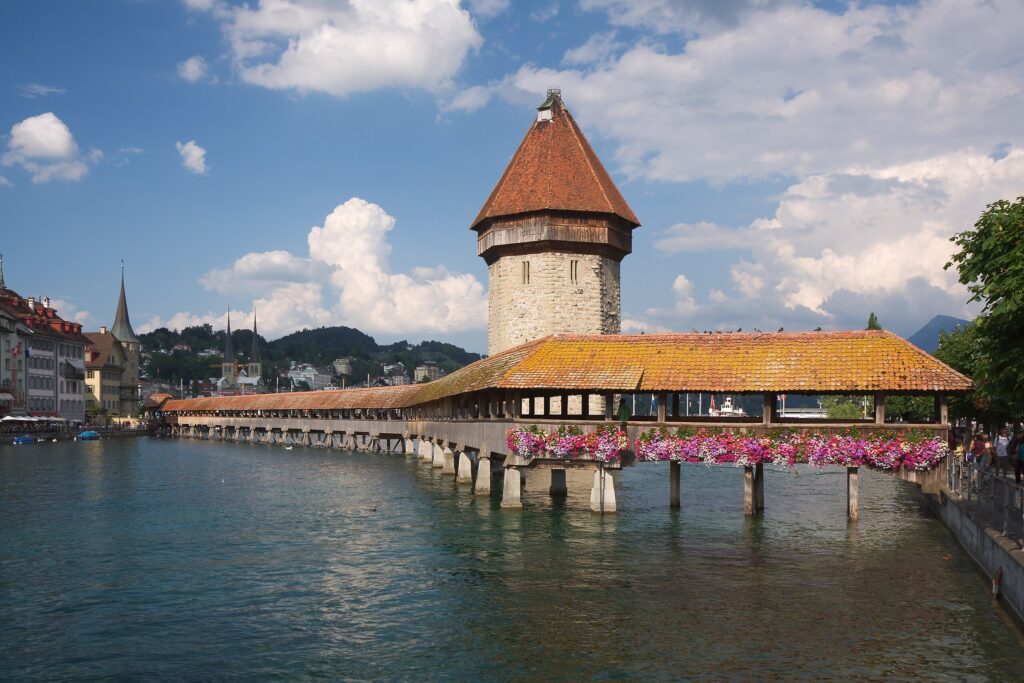
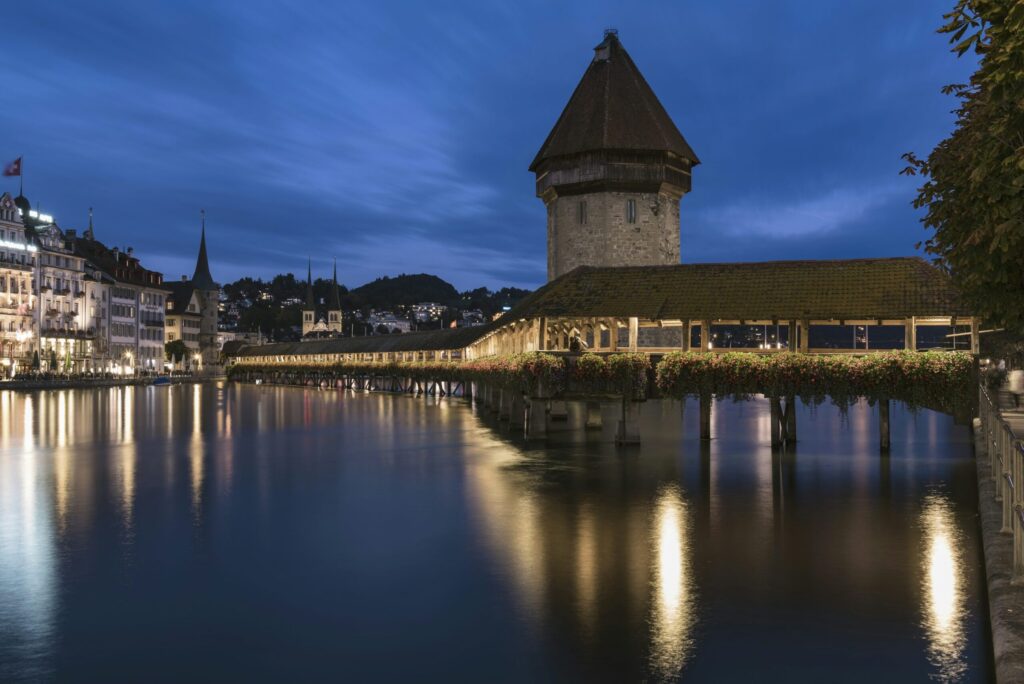
- 📌 The Chapel Bridge (Kapellbrücke) and Cultural Resilience: This iconic wooden bridge, built in 1333, is not just an architectural marvel, but also a monument that was rapidly restored after the 1993 fire, demonstrating the strong commitment and resilience of the Lucerne people to their cultural identity. Crossing the bridge and viewing the Water Tower (Wasserturm) is entirely free.
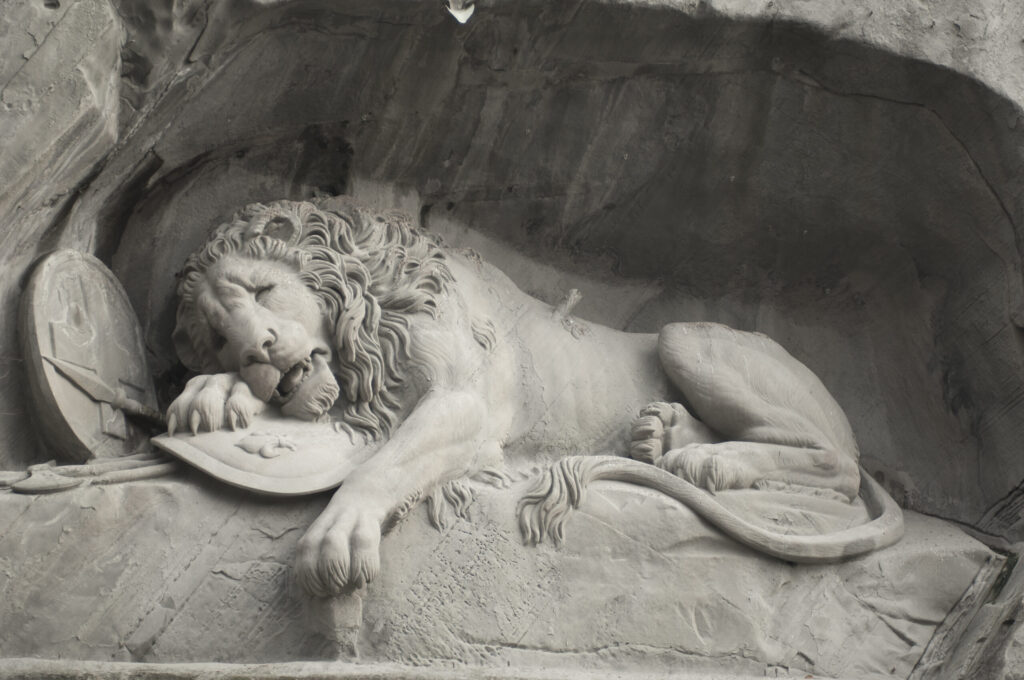
- 📌 The Silent Witness: The Lion Monument (Löwendenkmal): Located in the city park, this monument commemorates the Swiss Guards who lost their lives during the French Revolution in 1792. Visiting this symbol, which tells a story of sacrifice and tragedy, is free of charge. Such historical spots offer a profound context for travelers seeking to understand the historical events behind Swiss neutrality.
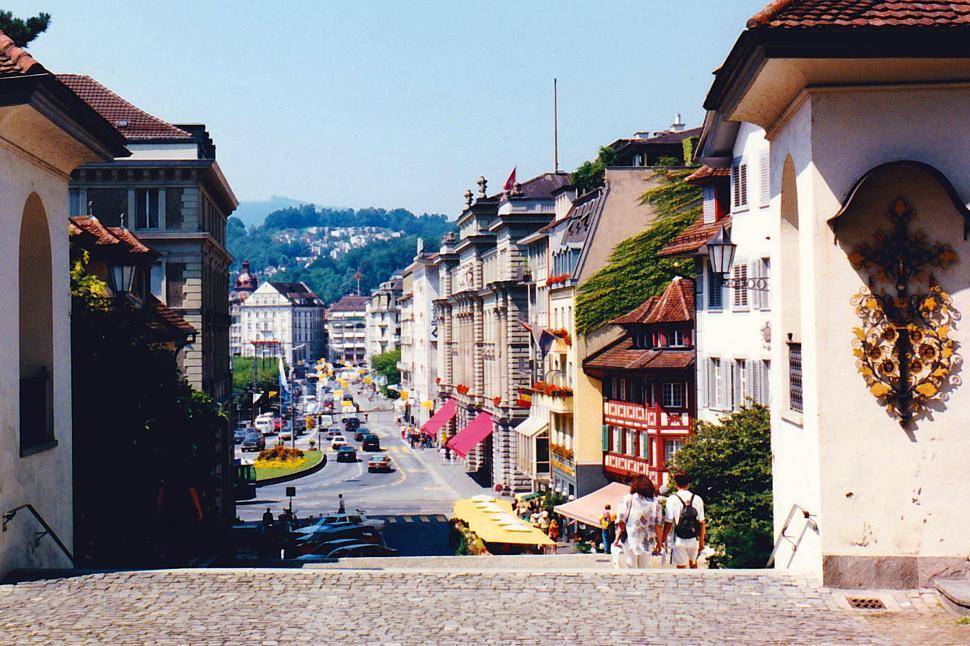
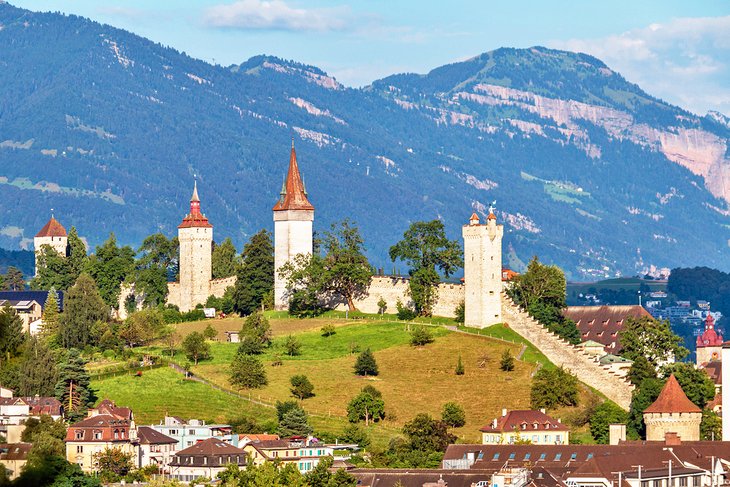
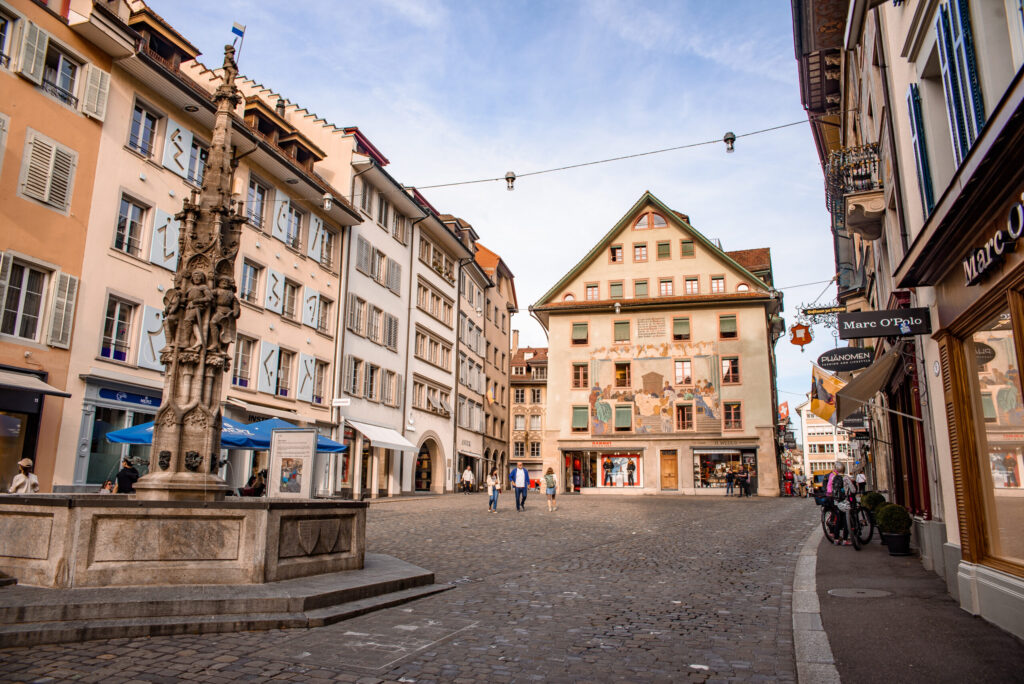
- 📌 Low-Cost Culture: Activities such as walks along the lake shore by the modern Culture and Convention Center (KKL Luzern) and admiring the picturesque, painted façades of the Old Town are priceless and cost-free experiences.
✅ focusAnalysis: EXPERIENCE / ADVICE SECTION
As a pizzaiolo (chef) residing in Bern, I have to meticulously scrutinize my budget planning for every visit to Lucerne, just as I do for my cost-of-living analysis in Bern.
What impressed me most during my visits to Lucerne was the power of the Visitor Card. As an immigrant in Switzerland, I have firsthand experience with how quickly daily expenses escalate. The idea of staying in a more affordable hotel like an Ibis Budget outside the center and covering all transportation within Zone 10 for free is like a lifeline for anyone not earning a high salary. This is not just a travel tip; it is a practical financial maneuver for those of us struggling to breathe under the high-cost pressure of Switzerland.
Therefore, when visiting Lucerne, one should see the Chapel Bridge not just as a photo opportunity, but as a symbol of the determination to stand up even after the catastrophe of 1993—that is the deepest way to understand the soul of this city.
If you would like to compare costs with other major cities in Switzerland, you can find out more by reading our article Zurich, Geneva, Bern: Which City is Cheaper to Live In?
✅ ADAPTATION ROADMAP
Here are the steps you should follow to plan your Lucerne trip cost-effectively:
- Accommodation Analysis: Before booking, ensure your chosen accommodation (hostel or hotel) offers the Visitor Card. This will provide your biggest budget optimization by eliminating daily transportation costs.
- Determine Mountain Priority: If the main focus of your trip is Rigi and Titlis, seriously consider purchasing the Tell-Pass. If the focus is only the Pilatus Golden Round Trip and other regions of Switzerland, the STP may be more suitable.
- Summer Trip Check: If planning the Pilatus Golden Round Trip, ensure you are within the May to October operating window for the cogwheel train, and reserve seats in advance during peak season to guarantee your spot.
- Budgeting: Apply the strategy of buying prepared sandwiches, cheeses, or picnic supplies from large supermarkets (Migros/Coop) for your daily lunch and enjoying it with the view by the lake, to minimize restaurant expenses.
- Cultural Deepening: Increase the cultural value of your free visit by researching the historical background and cultural significance of free stops like the Chapel Bridge (meaning of the 1993 fire restoration) and the Lion Monument (context of the Old Swiss Confederacy).
✅ Three Major Mountains Comparison
Feature | Mount Pilatus (Dragon) | Mount Titlis (Glacier) | Mount Rigi (Queen) |
|---|---|---|---|
Altitude | 2,132 m | 3,020 m (Year-round snow) | 1,798 m |
Main Route Type | Golden Round Trip (4 different transports) | Round Trip (Rotair Rotating Cable Car) | Round Trip (Europe’s Oldest Railway) |
Starting Cost (CHF) | From 59.90 (Summer) | High (Approx. 130+ CHF) | From 65.50 |
Critical Pass Advantage | STP: Bus/Boat Free, Mountain Line Discounted | Tell-Pass: Free Travel | Tell-Pass: Free Travel |
Seasonality Note | Golden Round Trip May–October | Year-round winter conditions | Accessible year-round |
❓ FAQ (Frequently Asked Questions)
❓ What discounts does the Lucerne Visitor Card offer?
Answer: The biggest benefit of the Visitor Card is the completely free use of all public transport in Zone 10. Additionally, it offers various discounts for some cable cars, mountain railways, museums, and excursions in the region.
❓ What is the best option for budget-friendly accommodation in Lucerne?
Answer: The Lucerne Youth Hostel (Jugendherberge Luzern) not only has low room prices but also offers free breakfast and the free Visitor Card. This eliminates a daily cost of at least 30–50 CHF, providing the highest monetary value by Swiss standards.
❓ Where can I find information about the most sought-after professions in Lucerne?
Answer: To get general information about the Swiss job market, residence permits, and salaries, you can review our article Working in Switzerland: Work Permits, Salaries, and High-Demand Professional Groups.
✅ ALTERNATIVES
Creative alternatives to protect your budget against high restaurant costs:
- Picnic by the Lake: Swiss supermarkets (Migros, Coop) offer quality, prepared sandwiches, cheeses, and salads. Eating your lunch on a bench with the magnificent view of Lake Lucerne not only saves money but also creates an unforgettable experience.
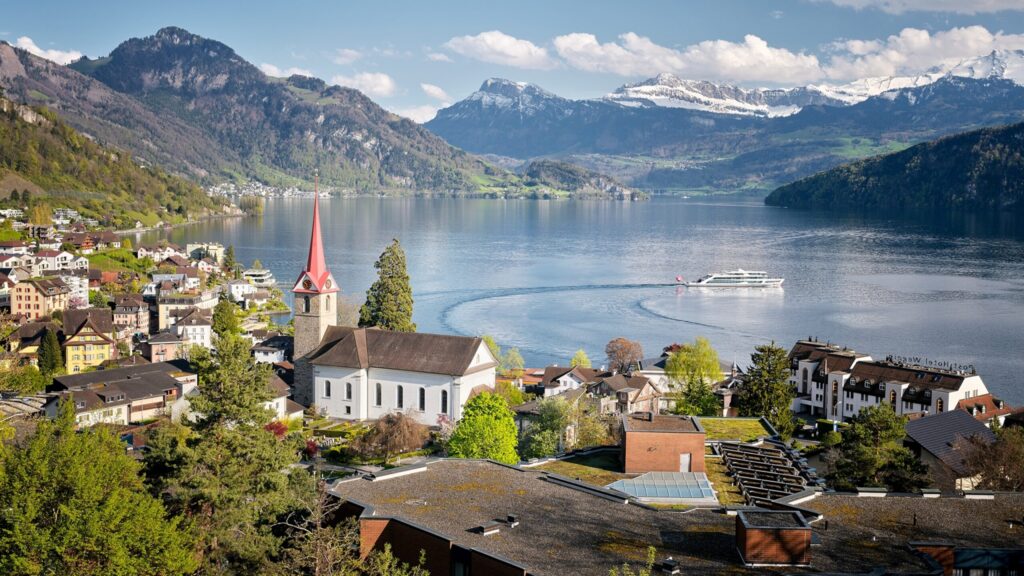
- Train/Boat Trips: Instead of expensive private tours for sightseeing, use public transportation (covered by the Visitor Card or STP/Tell-Pass) for short excursions around the lake (e.g., to Weggis or Vitznau) to enjoy the scenery cost-effectively.
For more detailed information on daily spending and the economy in Switzerland, read our guide Market, Transportation, Tax, and Insurance: Sample Monthly Expense Tables for Two Different Income Groups for comparative information.
✅ SUGGESTIONS / TIPS
- Traces of Romansh Among the Mountains: Although German is spoken in Lucerne, do not forget the cultural diversity of Switzerland. Searching for traces of other languages and minority cultures, including Romansh, can add depth to your trip.
- Silence by the Lake: When relaxing by the lake or using public transport, keep in mind one of the most important Swiss rules of life: respect for silence and order. Our article Swiss Rules of Life: A Guide to Order, Silence, and Adaptation will guide you on this matter.
- Golden Round Trip Reservation: Be sure to reserve seats in advance during the high season to secure your spot on the steepest cogwheel train section of the Golden Round Trip to Pilatus.
- Bern Connection: Due to Lucerne’s proximity to Zurich, transportation costs are structured differently compared to Bern. Understanding the cost structures of different cities is important for your financial adaptation in Switzerland.
✅ CONCLUSION
Lucerne, with its natural beauty and deeply rooted history, is one of Switzerland’s must-see cities. By combining the strategies presented in this guide—using the Visitor Card, choosing between the Tell-Pass and STP, and implementing low-cost dining solutions—you can make this high-priced destination accessible to your budget. With the right planning, Lucerne offers a unique experience open to everyone.
Final Bibliography
The table below lists the high-authority websites that served as sources for our research:
The official tourism guide for the Lucerne and Lake Lucerne region and a comprehensive information page about the Visitor Card service (https://www.luzern.com)
The official website containing detailed and up-to-date information on the route, logistics, and ticket prices for the Golden Round Trip to Pilatus (https://www.pilatus.ch)
Wikipedia page containing information on the history of the Chapel Bridge, the restoration process after the 1993 fire, and its current status (https://tr.wikipedia.org/wiki/Kapell_K%C3%B6pr%C3%BCs%C3%BC)