Swiss Festivals: Music, Cheese, and Winter Carnivals
focusAnalysis: Music, Gastronomy, and Winter Rituals – The Most Intense Summer Corridor and Logistics Costs in 2026
Switzerland is not only a global financial hub but also a vibrant cultural mosaic, shaped by a year-round festival calendar. The country’s cultural diversity—from the ritualistic seriousness of the carnivals (Fasnacht) to the international jazz rhythms on the shores of Lake Geneva—transcends linguistic and geographical boundaries. The year 2026 presents a series of landmark events, particularly concentrated in Western Switzerland during the summer, requiring careful logistical planning.
Living in Bern, I’ve experienced firsthand how accommodation and transport prices surge during major festivals in cities like Montreux and Basel. The true luxury lies in solving this complex calendar in advance, preserving the historic charm.
✅ Quick Summary Table
The following table summarizes the main events and critical periods defining Switzerland’s cultural year:
Festival Name | Category | Region Focus | 2026 Critical Dates |
|---|---|---|---|
Basel Fasnacht | Winter Carnival (Protestant) | Basel (Northern Switzerland) | February 23 – 25 |
Montreux Jazz Festival | Music (International) | Vaud / Lake Geneva | July 3 – 18 |
Paléo Festival Nyon | Music (Popular/Alternative) | Vaud / Lake Geneva | July 21 – 26 |
Rabadan Carnival | Winter Carnival (Catholic) | Bellinzona (Ticino) | February 13 – 18 (Traditional Period) |
Sechseläuten | Spring Ritual | Zurich (City Center) | Mid-April (3rd Monday) |
🎯 Main Definition:
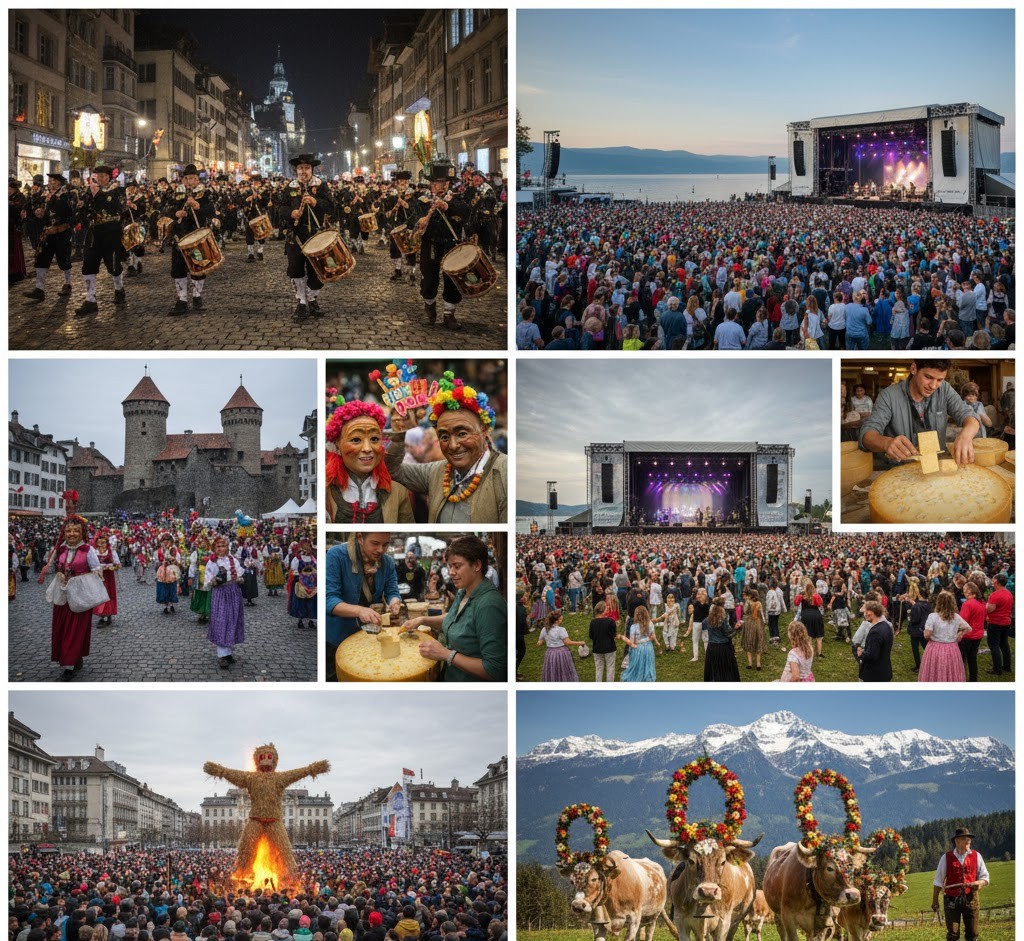
Swiss Festivals encompass a rich annual calendar—from winter Fasnacht rituals to world-famous music events like Montreux and Paléo, as well as seasonal cheese and agricultural fêtes across all four linguistic regions.
✅ Key Information:
Planning for festivals in Switzerland requires more than just looking at a calendar; it necessitates understanding geographical and religious traditions.
- Fasnacht Axes: Winter carnivals follow three distinct cultural/religious axes: Protestant (Basel), Catholic (Lucerne), and Italian (Bellinzona). This allows for planning a sequential route.
- Logistical Pressure: The back-to-back scheduling of Montreux and Paléo in the Vaud canton in July 2026 will drive accommodation and transport costs to record levels around the Lake Geneva region. For more information on general costs and budget planning, you can find out more by reading our article [How Expensive Is Life in Switzerland? 2025 Current Cost Guide].
- Transport Integration: During major festivals, public transport becomes a more reliable investment than hotels. To understand how Switzerland’s transportation networks operate during festival periods, you can find out more by reading our article [Public Transportation in Switzerland: Swiss Travel Pass and the Culture of Mobility].
✅ Detailed Guide:
🎭 Winter Rituals and the Carnival Circuit (February/March)
Swiss winter carnivals are rooted rituals symbolizing the end of winter. The timing of these rituals creates a natural ‘Carnival Circuit,’ allowing travelers to follow the celebrations from Ticino up to Basel.
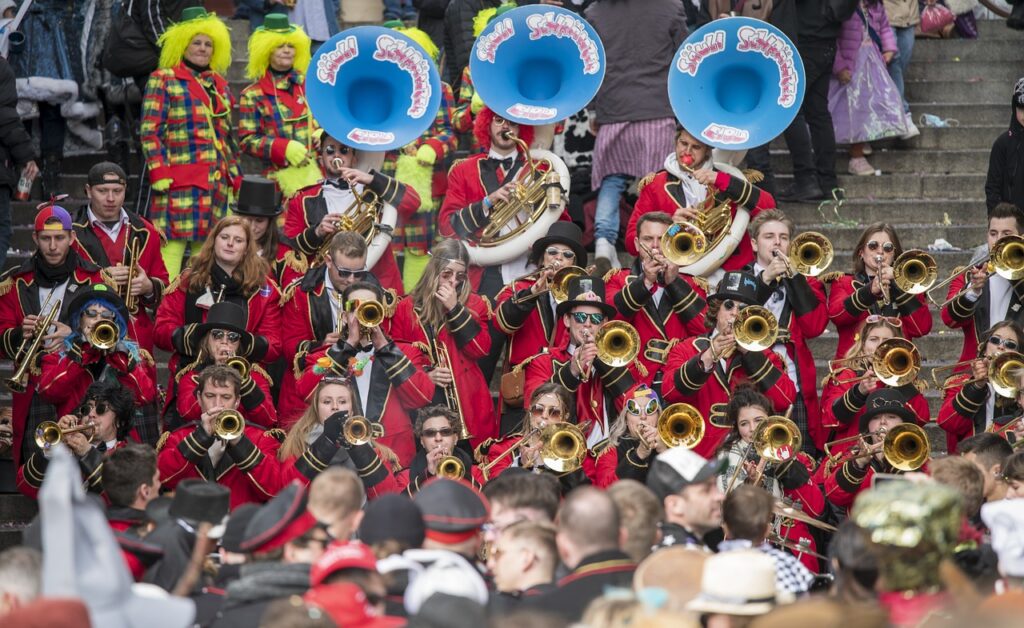
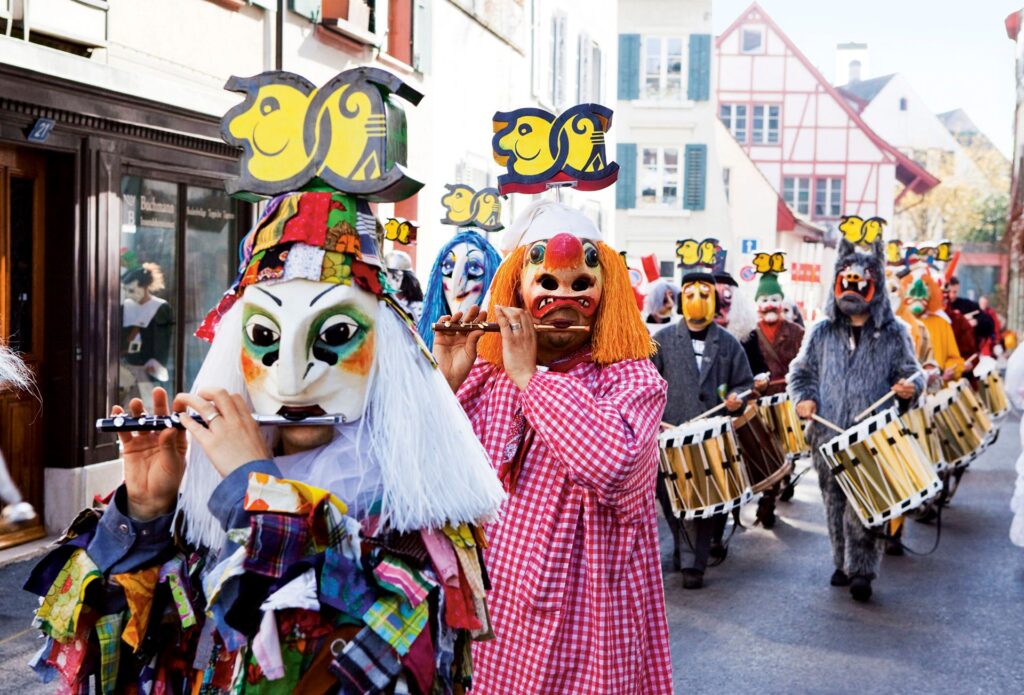
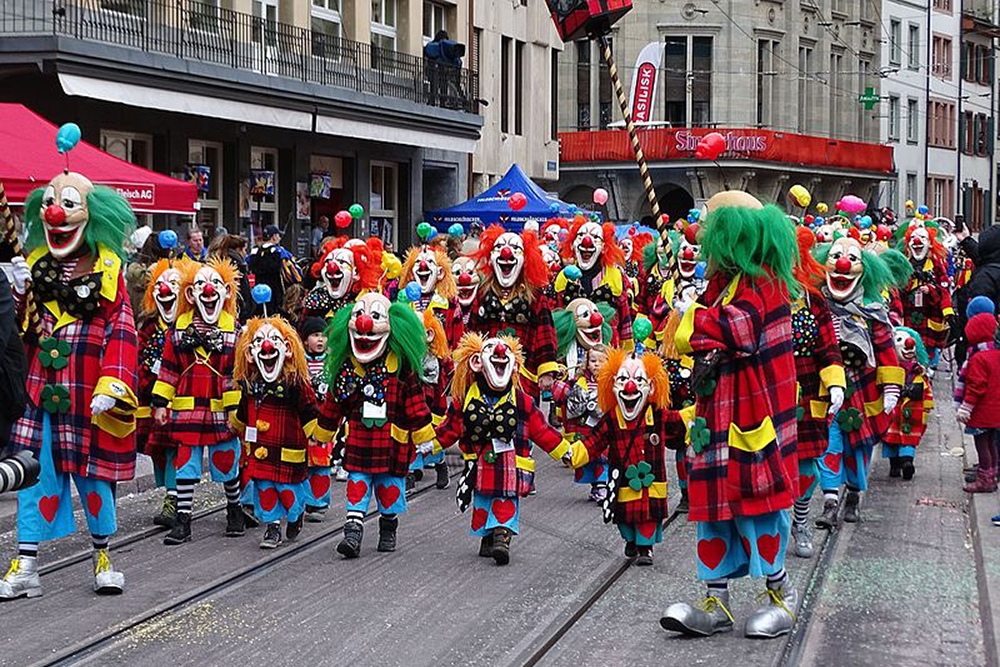
- Basel Fasnacht (February 23–25, 2026): This carnival, on the UNESCO Intangible Cultural Heritage list, uniquely begins after Ash Wednesday. The critical moment is the Morgenstreich ritual at 4:00 AM on Monday morning, when all city lights are extinguished and “Clique” groups parade, illuminated only by their lanterns.
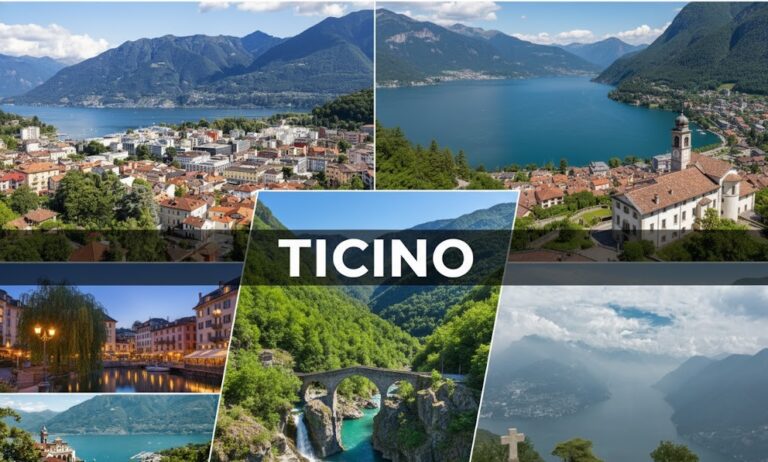
- Bellinzona Rabadan (February 13–18): This is the largest carnival in the Italian-speaking Ticino region. The carnival traditionally lasts six days. Rabadan’s earlier start makes it a natural starting point for experiencing the Mediterranean spirit of Ticino combined with carnival joy. To discover the beauty of this region, you can find out more by reading our article [Ticino Region: Lugano & Locarno Guide].
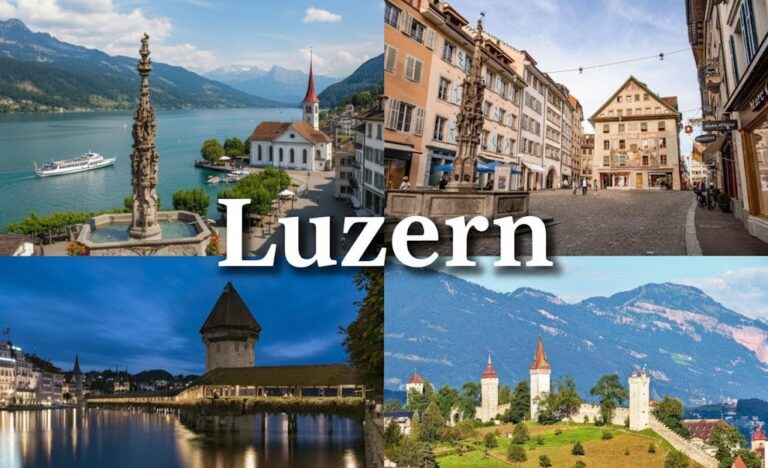
- Lucerne Carnival: Representing Central Switzerland’s Catholic tradition, it follows the celebrations in Bellinzona. The timing allows experiencing the full spectrum of Swiss carnival traditions (Italian, Catholic German, and Protestant German traditions) in a single winter trip spanning about ten days.
🎶 Summer Rhythms: Vaud Music Corridor Logistics (July 2026)
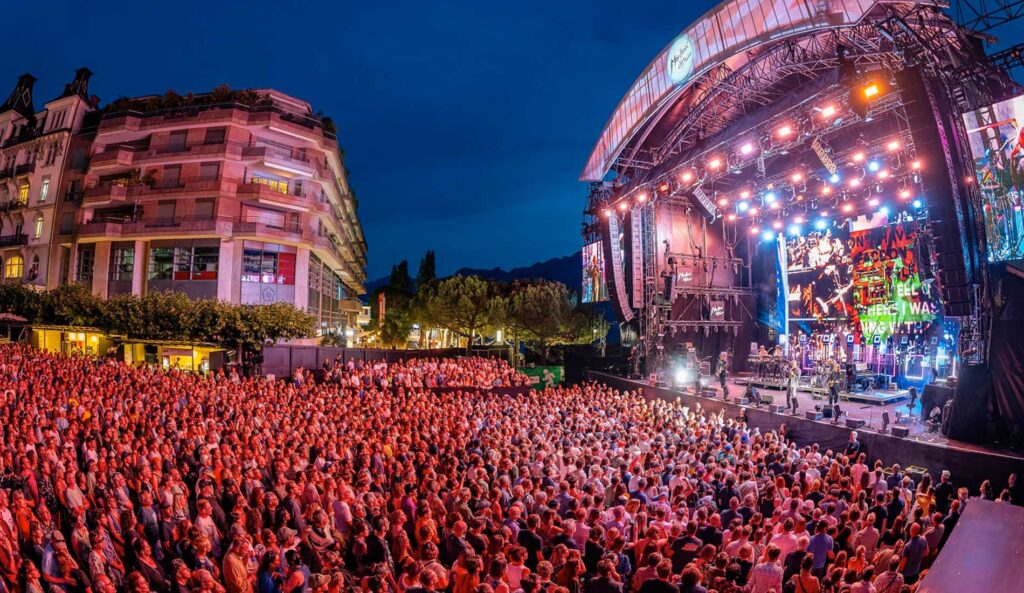
July 2026 is a logistical tipping point in Western Switzerland. The geographical proximity and back-to-back scheduling of the Montreux Jazz Festival (July 3–18) and the subsequent Paléo Festival Nyon (July 21–26) create immense pressure on regional resources.
- Vaud Corridor Pressure: Due to Montreux’s limited area and the lack of camping facilities, the three-day transition window between MJF’s end and Paléo’s start will see all accommodation and public transport capacity strained.
- Strategic Solution: Shifting accommodation to a less crowded city with good train connections, like Lausanne or Geneva, or traveling daily from Bern, is a smart solution to avoid the astronomical Montreux/Nyon prices. Furthermore, securing early ticket options, such as the ABO FESTIVAL during the December 2025 Christmas sales, is vital rather than waiting for the program announcement (March 2026).
🧀 Gastronomy and Rural Traditions (Seasonal Cycles)
Switzerland’s most authentic traditions are deeply connected to the rhythm of the agricultural seasons. These events are best viewed through the two distinct frames of Spring Gastronomy and Autumn Livestock Rituals.
Spring Gastronomy and Urban Rituals
- Bellelay Tête de Moine Festival (May 1–3): This event is one of the rare mid-spring agricultural festivals dedicated to a specific cheese type, independent of the autumn livestock cycle. To understand the importance of cheese in the country, you can find out more by reading our article [Fondue and Raclette: Switzerland’s Two National Cheese Rituals].
- Zurich Sechseläuten (April): In this traditional Zurich festival symbolizing the end of winter, a giant snowman effigy called the Böögg is burned. This festival highlights Zurich’s guild culture and the city’s weight in terms of cost of living. If you are curious about the challenges of living in Zurich, you can find out more by reading our article [Zurich Cost of Living: The Heart of Global Finance and Quality of Life Center].
Autumn Livestock Rituals
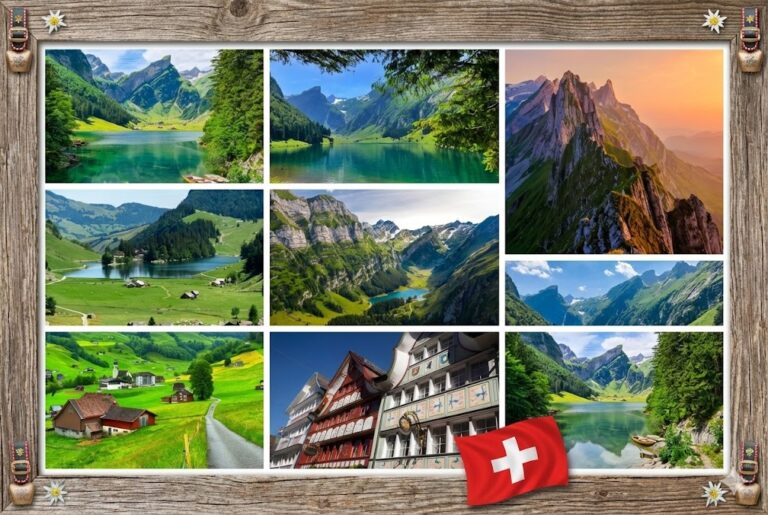
- Désalpe / Alpabfahrt (Late August – Mid-September): This is the ritual of bringing decorated animals down from the high mountain pastures. These highly authentic events (especially in Appenzell and Gstaad) require flexible travel plans instead of a rigid calendar, as dates are dependent on weather conditions and farmers’ decisions.
✅ Experience / Recommendation Section:
focusAnalysis: Logistics Chaos and Festival Food from a Chef’s View
As a pizzaiolo living in Bern who overhears restaurant conversations, I’ve heard numerous complaints about the transport chaos between Montreux and Nyon during the summer months. Hotel prices are astronomical. For the Fasnacht period, planning a train transfer to Basel from Lucerne or Zurich the night before Morgenstreich ensures you don’t miss that challenging 4:00 AM start. Festival food can be expensive, but don’t miss the flavors of the smaller regional markets focusing on cheese and wine traditions.
✅ Cost / Fee / Duration Table
The following table summarizes critical data for festival logistics and costs in 2026:
Item | Description | Average Cost / Duration |
|---|---|---|
Vaud Corridor Accommodation Surcharge | MJF/Paléo period (Montreux/Nyon, Above Average) | 150% – 300% |
Day Trip to Basel | SBB Train from Bern (Round Trip, Single person) | 60 – 90 CHF / 1.5 hours |
Paléo Festival Early Ticket | ABO FESTIVAL (Full week) | Approximately 380 – 430 CHF |
Traditional Festival Meal | Carnival or Market Meal (Average) | 20 – 30 CHF |
Logistics Solution: Zurich-Lucerne | Carnival Circuit transfer (SBB) | 30 – 45 CHF / 45 minutes |
✅ Conclusion:
The 2026 Swiss festival calendar requires strategic planning during specific periods but offers a huge cultural reward. In the July Vaud Corridor (Montreux–Nyon), the logistical pressure makes early tickets and alternative accommodation strategies essential. Whether you seek the mystery of the lanterns in Basel or the jazz rhythm of Lake Geneva, the secret to enjoying Swiss festivals is combining disciplined planning with flexible expectations.