The Most Beautiful Mountain Lakes in Switzerland: No Photoshop, But Hypothermia Guaranteed
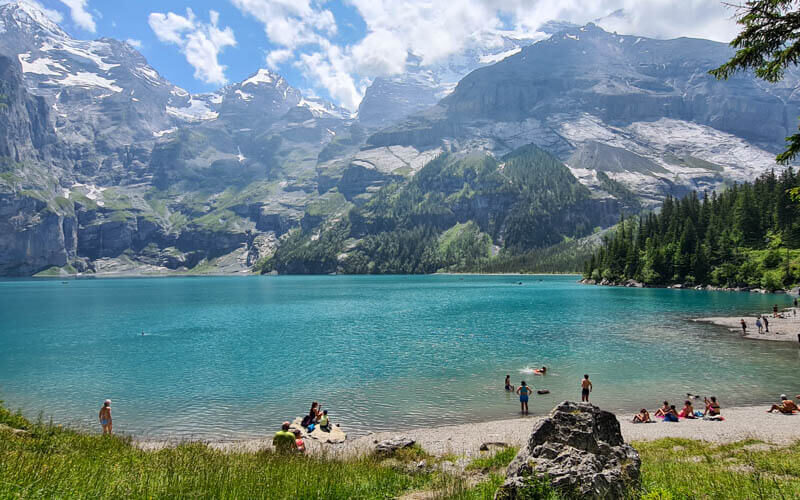
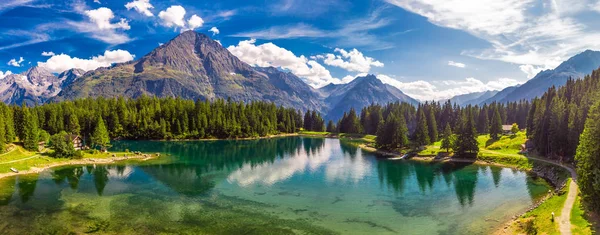
I stared at the Instagram post on my phone: Turquoise water, a rowboat floating on it, and the hashtag “Paradise.” “That definitely has a filter on it,” I thought to myself. Until I stood on the shores of Oeschinensee.
Then I looked up, and my brain struggled to process the color it was seeing. The water really was that color. Not a shade less, not a shade more. “Can I swim in there?” I wondered, took off my shoes, and waded in. The moment my pinky toe touched the water, my spinal cord sent a lightning-fast signal to my brain: “RUN!”
The water temperature was 4 degrees Celsius (39°F). In that moment, I realized: Swiss mountain lakes are not just a visual feast, but a character test for the brave (and their blood circulation). Swimming here isn’t a leisure activity; it’s a dare.
In this guide, I’ll show you the “unfiltered” beauty of Switzerland, the scientific secret behind that turquoise, and which lake you can actually swim in without freezing instantly. Are you ready? Let’s dive in!
1. Mystical Waters and Glacial Flour: Bernese Oberland
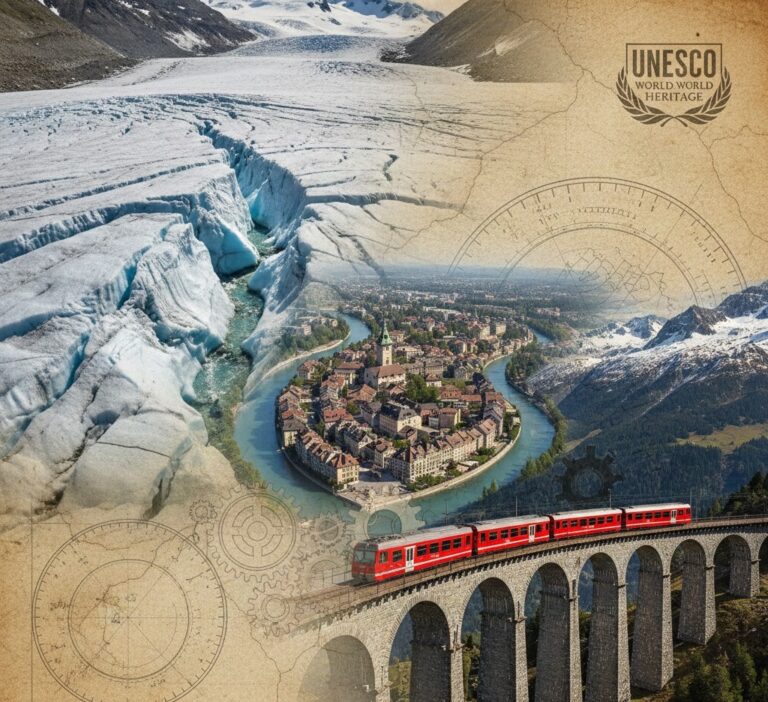
Why is the color of the lakes here so surreal? The answer is: “Glacial Flour.” Meltwater from glaciers grinds down rocks, and the fine rock particles suspended in the water refract sunlight to create that famous turquoise hue.
Oeschinensee: The Sapphire under UNESCO Protection
Perched above Kandersteg at 1,578 meters, this lake is the result of a massive rockslide.
- The Real Experience: In summer, the water level rises, and the color deepens. In winter, it freezes completely, and you can walk on it (“Ice Walk”).
- The Legend: Locals believe in “mountain spirits.” If you are disrespectful, they might send sudden storms. (Considering how quickly the weather turns in the Alps, this isn’t hard to believe).
- Logistics: As of 2025, a reservation (Time-Slot) is mandatory for the gondola. Otherwise, you stay in the valley.
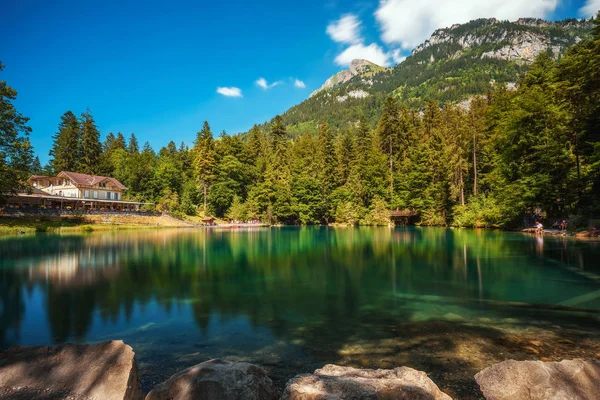
Blausee: The Optical Illusion
This isn’t a glacial lake; it’s a jewel fed by underground springs. The water is so clear that you can see logs 12 meters deep as if there were no water in between.
- Entrance: Paid (~12 CHF). Since there is an organic trout farm inside, swimming is strictly prohibited.
- Sad Story: There is a statue at the bottom of the lake. Legend has it that the color comes from the tears of a blue-eyed girl mourning her dead lover.
If you are interested in water sources, check out our article: [Switzerland’s Most Beautiful Waterfalls: A Wet Route from Rhine to Lauterbrunnen & Budget Guide].
2. Paradise Created by Disaster: Graubünden (Flims)
A massive landslide 10,000 years ago in Flims created a lake landscape that is today often called the “Swiss Maldives.”
Caumasee: The Lake for Siestas (Lag la Cauma)
This is one of the rare mountain lakes where you can swim without freezing. Thanks to underground springs, the water warms up to 24°C (75°F) in summer.
- Budget Warning: In summer (May-October), there is an entrance fee (~19 CHF). If you want to get in for free, go before 08:00 AM or after 5:00 PM.
Crestasee: The Emerald Green Brother
The quieter, greener brother of Caumasee. Its water level is stable, which is why rare noble crayfish live here.
To better understand the dramatic geological formations of Switzerland, our guide will help you: [Everything You Need to Know About Switzerland — The Comprehensive Guide].
3. Adrenaline and Mirrors: Valais and Central Switzerland
If you say, “I’m looking for adventure, not just a view,” this is your route.
- Gelmersee (106% Gradient): Accessible via the steepest open funicular in Europe (Gelmerbahn). It feels like a roller coaster. The lake is artificial, but its color and the surrounding granite rocks are wild and raw.
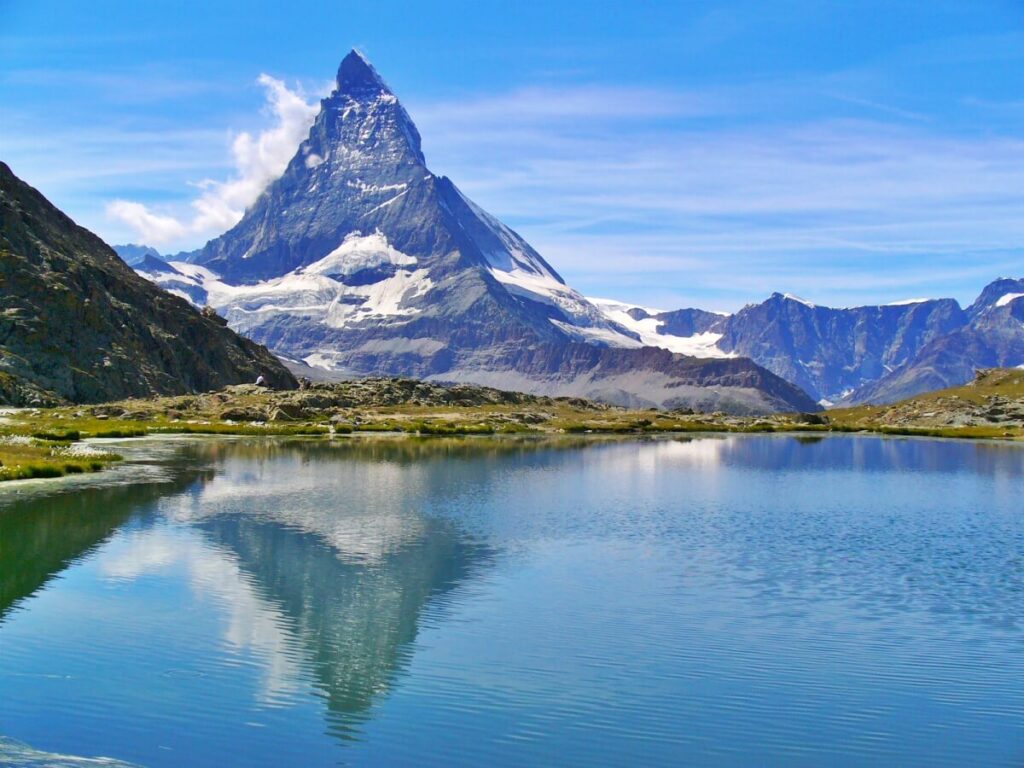
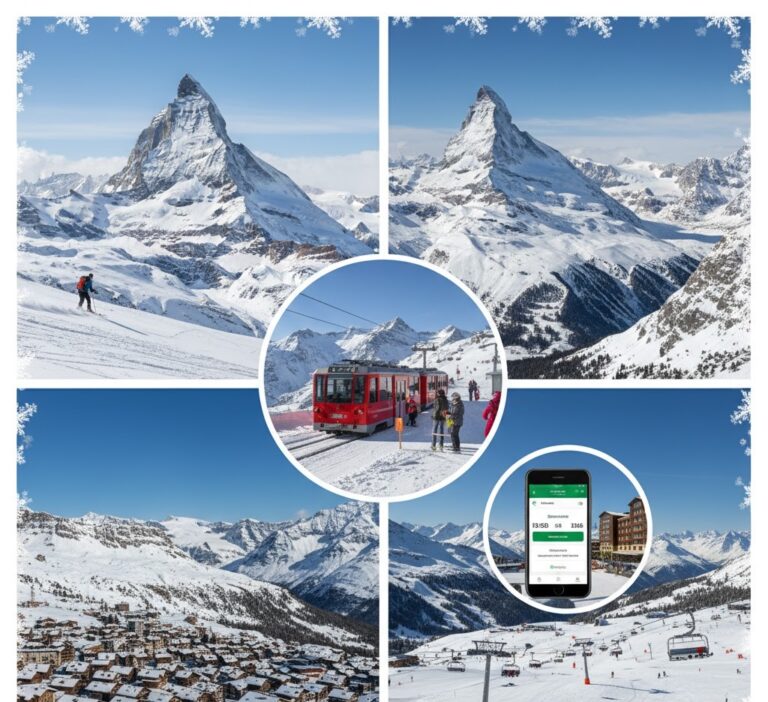
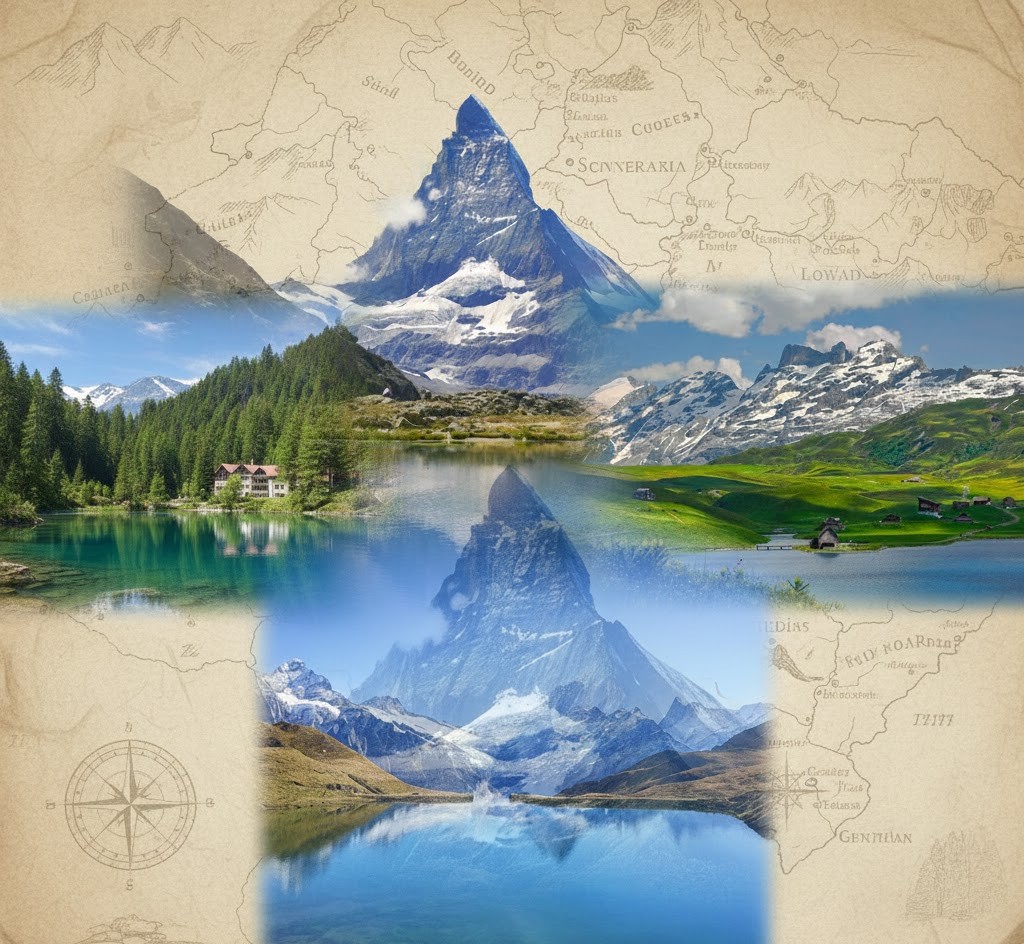
- Stellisee (Zermatt): The spot for that famous Matterhorn photo. If you are there at sunrise (Alpenglow), you will see the perfect reflection of the mountain in the water.
4. Swiss Mountain Lakes Summary Table (2025)
I prepared this table to help you plan: Where, when, and how cold?
Lake | Region | Elevation (m) | Can you swim? | Transport & Cost | Highlight |
|---|---|---|---|---|---|
Oeschinensee | Bern | 1,578 | Yes (But freezing!) | Gondola (~32 CHF) | UNESCO, Ice Walk |
Blausee | Bern | 887 | No (Prohibited) | Walk (~12 CHF Entry) | Crystal clear, Trout |
Caumasee | Graubünden | 997 | Yes (24°C) | Lift (~19 CHF) | Turquoise, Swimming |
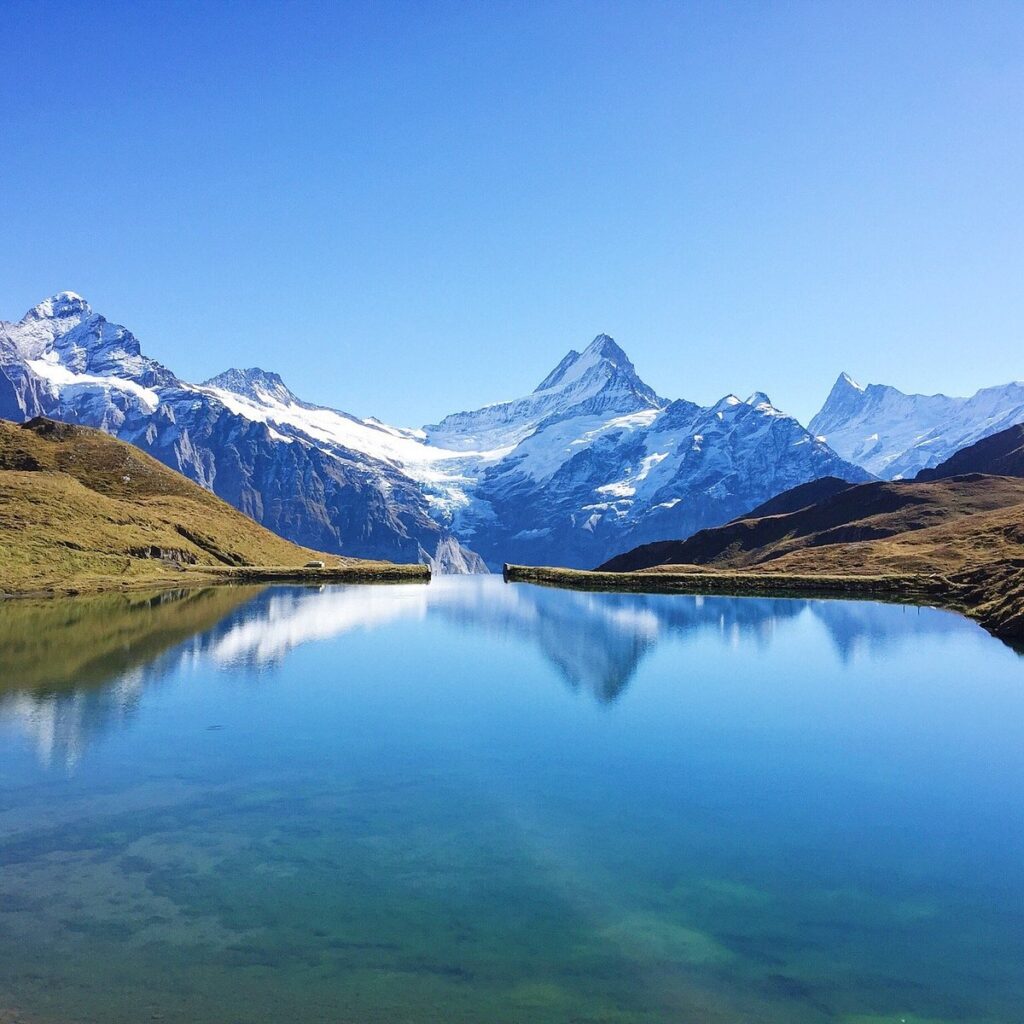
Bachalpsee | Bern | 2,265 | No (Glacial water) | Cable car + Hike | Mountain view, Climate archive |
Gelmersee | Bern | 1,850 | No (Dangerous) | Steep Train (~36 CHF) | 106% Gradient Train |
Seealpsee | Appenzell | 1,143 | Yes (Cool) | Steep Hike (Free) | Säntis view, Cheese |
Lai da Palpuogna | Graubünden | 1,918 | No (Prohibited) | Car / Hike | “Most Beautiful Spot” |
For detailed information on regional differences and the culture of the cantons, read: [The Geographical Structure of the 26 Cantons: A Guide to Administrative and Cultural Differences].
5. Practical Tips: Avoiding Hypothermia
- Season: Do not visit high-altitude lakes (Bachalpsee, Stellisee) before July; snow often blocks the paths.
- Swimming: If you go into glacial lakes like Oeschinensee, never jump in. Wade in slowly. The sudden cold shock can strain your heart.
- Tickets: Book tickets for Gelmerbahn and Oeschinensee weeks in advance. The days of “I’ll just buy a ticket at the door” are over in Switzerland.
Conclusion: Touching the Blue
Swiss mountain lakes are more than just bodies of water; they are monuments that make us feel the power, the cold, and the aesthetics of nature simultaneously. Whether it’s the melancholy of Blausee, the swimming joy at Caumasee, or the adrenaline at Gelmersee… Whichever “blue” you choose, you will never forget the moment you feel the cold of that water.
To save your travel budget, use the tips in our article [Life in Switzerland: The Realistic and Comprehensive Daily Life Guide]. Safe travels!