Bern Travel Guide: UNESCO Heritage, Alpine Scenery, and an Updated Budget Plan from a Migrant’s Perspective
Introduction: The Capital Where Art, History, and Nature Meet
When it comes to taking a tourist trip to one of the most beautiful natural wonders and one of the most beautiful countries in the world, leaving Bern off the Swiss itinerary would be a great oversight. For me, Bern is not just a capital. It is a city of unique and exceptional beauty where the excitement of a tourist excursion can be felt in every district, on every street. Indeed, during my time living here, I have collected, and continue to collect, many memories in various parts of Bern. If fate allows, I will probably be here somewhere until the end. I have added my own memories, with all their ups and downs, to the positive impressions that the beauty of Bern has left on me.
The Budget Reality from a Migrant’s Perspective and the Price of Beauty
However, when it comes to visiting these beauties as a tourist, it is essential to manage the budget. Switzerland is generally one of the most expensive countries in the world. As a migrant struggling with the reality of low wages here, I know very well what it means to set aside a serious budget even for a tourist trip. For a more general and comprehensive perspective on this topic, you can consult our article Everything You Need to Know About Switzerland — The Comprehensive Guide. Therefore, I will share with you not only the places to visit but also my critical ideas on how to manage your budget most efficiently. Be prepared accordingly.
1. Historic Old City: The Heart and Architecture of UNESCO
The Old City of Bern, listed as a UNESCO World Heritage Site, is not just an area for walking but also an open-air museum that reflects the soul of the city. You can examine the detailed protection status of this heritage in depth in our article Switzerland UNESCO World Heritage: A Guide to 13 Nature and Culture Wonders, their Protection Status and Critical Travel Tips.
1.1. Iconic Structures and City Rituals
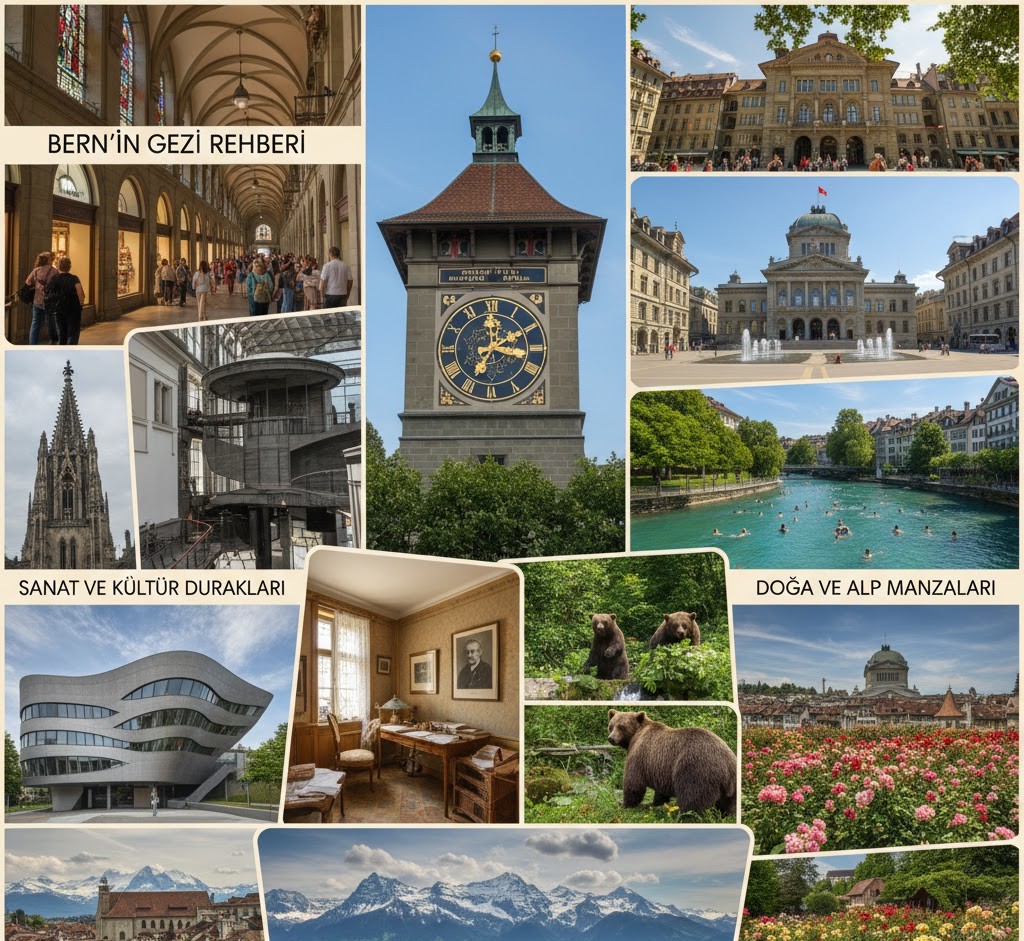
- Zytglogge (Clock Tower): This symbol of the Old City enchants visitors with the mechanical figures that perform every full hour. You must be there exactly on the hour not to miss this show.
- Lauben (Arcades): One of the most striking features of the Old City, these covered walkways stretch for approximately 6 kilometers. Offering the opportunity to shop protected from both rain and sun, these arched pathways create a unique, warm atmosphere typical of the city.
- Bern Minster (Cathedral): This Gothic cathedral, which has the highest tower in Switzerland, is impressive both with its exterior architecture and the stained-glass windows inside. Climbing the cathedral tower to observe the panoramic view of the city is an unforgettable experience.
- Bundeshaus (Federal Parliament Building): This building, the political heart of Switzerland, welcomes visitors with its architectural splendour, as well as public tours and the square in front of it. To understand the Concordance (Consensus) system that forms the basis of Switzerland’s policies and administration, it is helpful to read our article The Swiss Federal Council Model: What is the Conciliation (Consensus) Government and How Does Power Distribution Work?.
2. On the Trail of Art, Culture, and Science
Bern is a culturally rich city that carries the traces of many important figures, from Einstein to Klee.
2.1. Zentrum Paul Klee and Art Museums
- Zentrum Paul Klee (Paul Klee Centre): This unique structure, designed by the Italian architect Renzo Piano, where the works of the famous artist Paul Klee are exhibited, is a paradise for art lovers. The Zentrum houses the world’s largest collection of Klee’s works.
- Kunstmuseum Bern (Bern Art Museum): It houses over 51,000 works of art from the Middle Ages to the present day. It is one of the oldest art museums in Switzerland, giving broad space to Swiss masters like Ferdinand Hodler and Paul Klee, as well as works by international artists.
2.2. Einstein House (Einstein Haus)
The house where Albert Einstein lived during the period when he developed his Theory of Relativity is now open to visitors as a museum. It is an inspiring stop for those interested in the history of science. This museum in the Old City offers the chance to see the modest environment where Einstein wrote his “Annus Mirabilis” papers of 1905.
3. Nature and Alpine Scenery: The Peaceful Face of Bern
Bern offers a life intertwined with nature, even in the city centre.
- Aare River: Swimming in the Aare River in the summer is Bern’s most beloved local ritual. You can let yourself drift with the river’s strong yet safe current, gliding along the edge of the city. Such local activities are detailed in our article Social Life in Switzerland: Neighborhoods, Festivals, and Leisure Activities.
- Bärenpark (Bear Park): This park, where you can observe the bears—the city’s symbol—in a natural habitat, is an enjoyable stop for both children and adults.
- Rosengarten (Rose Garden): Offering the best panoramic view of the city, this garden is filled with thousands of roses, especially during spring and summer. It is a great spot to view the city from above and take photos.
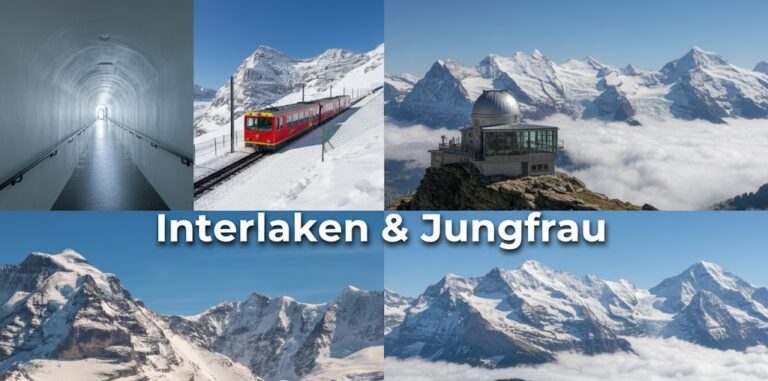
- Bernese Oberland: This region surrounding Bern is a paradise for nature lovers, featuring the peaks of Eiger, Mönch, and Jungfrau. These three peaks form one of the most recognized Alpine silhouettes in the world. If you want to understand the details of Switzerland’s federal structure, you can consult our article 26 Cantons, 26 States: The Distribution of Authority and Critical Differences in the Swiss Federal Structure.
4. Accommodation and Updated Budget Plan (Migrant Perspective)
Although one’s mind might be taken away by the beauty of Bern, when it comes to staying here for a day or more, we must be realistic. As a migrant struggling with the low-wage reality in Switzerland, I know that this country shows no mercy to tourists either. This situation requires understanding how the decisions made through direct democracy in Switzerland impact the local economy. For more information on how this form of governance works, you can read our article Direct Democracy: Why and How the Swiss People Vote on Everything?.
4.1. Daily Budget Estimates (2025)
Here are the estimates for accommodation and average expenses for a one-day visit to Bern, from the perspective of a budget-conscious migrant:
Category | Economic Budget (Daily) | Mid-Range Budget (Daily) | Luxury Budget (Daily) |
|---|---|---|---|
Accommodation | Hostel/Guesthouse (40–60 CHF) | Airbnb/Mid-Range Hotel (80–150 CHF) | High-Quality Hotel (250+ CHF) |
Food | Supermarket Shopping (10–15 CHF) | Cafés/Local Restaurants (40–70 CHF) | Luxury Restaurants (100+ CHF) |
Transport/Entrance | Free Places / Bern Welcome Card | Museum Fees / Public Transport | Private Tours / Taxi |
Total Estimate | 50–80 CHF | 120–200 CHF | 350+ CHF |
Practical Tip: With the Bern Welcome Card, you can use public transport within the city for free and get discounts or free entry to museums. This card will significantly ease your budget.
4.2. Accommodation Recommendations (Current Options)
- Hostel & Guesthouse (Economic): Places like Backpackers Bern or Youth Hostel Bern are good options for those seeking social and affordable accommodation.
- Mid-Range Hotels: Central and reasonably priced hotels such as Hotel Bären Am Bundesplatz or Hotel Kreuz Bern offer comfort close to the Old City.
- Luxury Hotels: Hotel Schweizerhof Bern & Spa or Bellevue Palace offer high-quality service and accommodation with breathtaking Alpine views.
Conclusion
Visiting Bern as a tourist is one of the most special ways to experience the country’s beauty. The city’s historical core (UNESCO), its artistic depth, and its nature-intertwined lifestyle offer an experience so rich that it makes you forget the high costs. By framing your trip within a budget plan, you can get maximum value from this unique Swiss capital.