Swiss Neutrality Policy: Political Legacy from 1815 to the Present Day and Unique Identity
✅ 1) Introduction
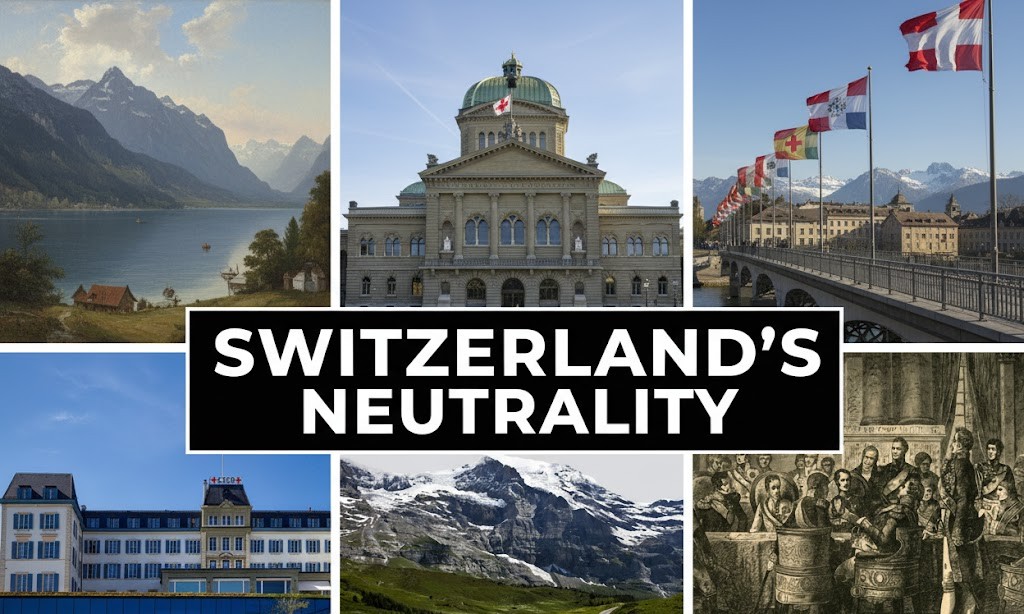
Switzerland’s neutrality is a globally recognized and often respected policy that is second to none. Many attribute this status simply to the country being a fortunate geography hidden amongst mountains. However, in my opinion, this neutrality is not a passive accident. It is an active strategy pursued meticulously since the Congress of Vienna in 1815, and requires difficult diplomatic decisions as well as heavy economic costs.
This article will analyze chronologically how Switzerland established and maintained this unique policy. What is the legal basis for neutrality? How did it survive two World Wars? Most importantly, what are the invisible economic and moral costs brought by this policy? This detailed analysis will show that neutrality is not just a legal shield, but an identity that represents Switzerland’s will to exist.
✅ 2) Quick Summary Table
Heading | Turning Point |
|---|---|
Legal Foundation | Congress of Vienna 1815 (International acceptance of neutrality) |
Political Definition | Armed and Voluntary Neutrality (Hague Conventions) |
Greatest Test | World War I and II |
Current Debate | UN Membership and participation in EU/Russia sanctions |
✅ 3) Basic Information: Legal and Historical Foundations
Definition: Switzerland’s neutrality signifies the international legal obligation not to provide military support to any state during wartime and not to join military alliances in peacetime. This does not mean the country foregoes its capability for defense.
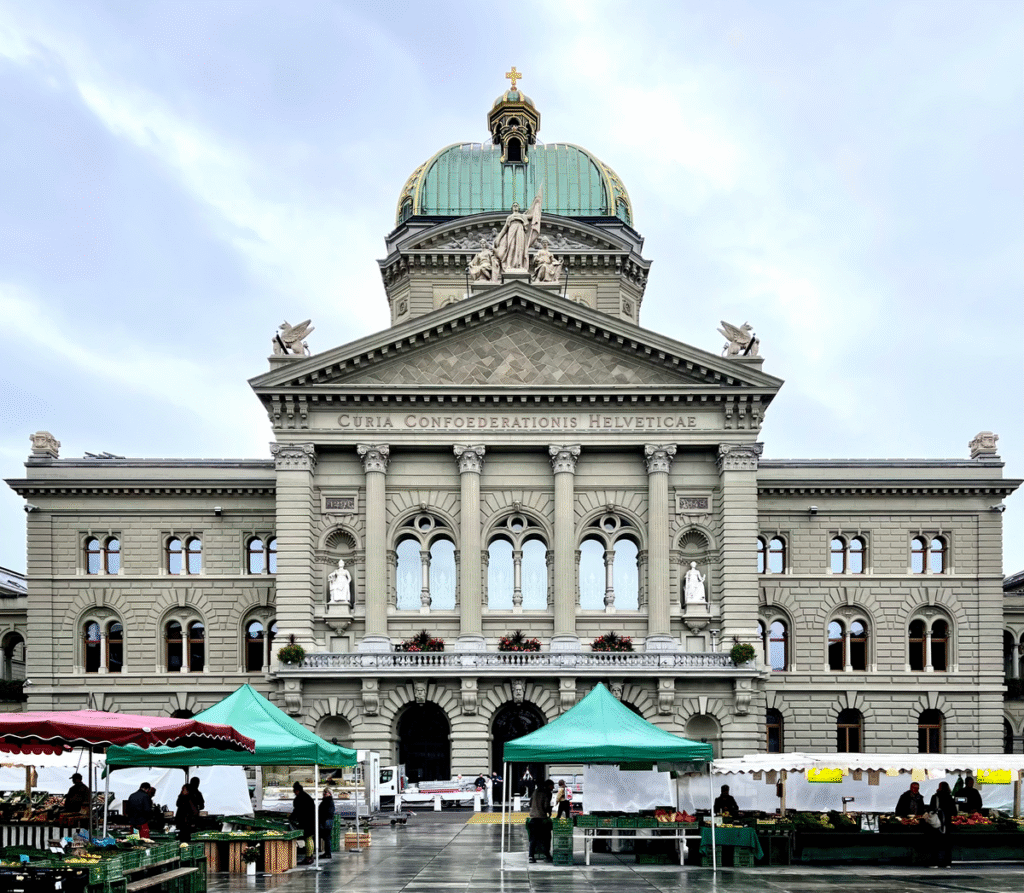
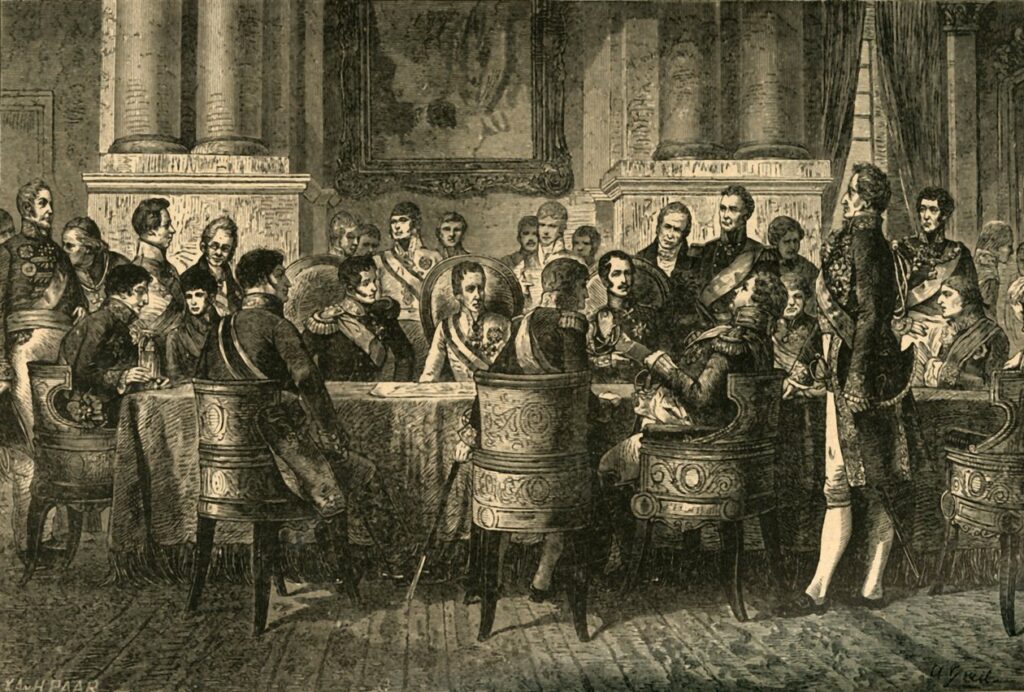
Legal Foundation: Neutrality was officially recognized and guaranteed by European powers at the Congress of Vienna in 1815. This legal status was later strengthened by the Hague Conventions of 1907. To better understand these historical roots, you can examine our article Switzerland’s Mysterious Name: Why Is It Referred to as “Confoederatio Helvetica” (CH)?
Role of the People: Neutrality is a policy continuously endorsed and owned by the Swiss people through Direct Democracy.
✅ 4) Detailed Guide: The Chronological Evolution of the Policy
4.1 Middle Ages and Early Modern Period (From Warrior to Mediator)
- Mercenary Tradition: The early periods of Switzerland were marked by lending its military strength to foreign countries (especially the Papacy and France) for economic reasons. In my opinion, this situation forms the roots of the country’s current diplomatic capability.
- Congress of Vienna 1815: Neutrality was accepted by international law to maintain the balance of power in Europe. This meant an international status for Switzerland, not a ‘compulsion’.
4.2 World War I and II (Economic and Moral Test)
This period was the greatest test of the Swiss Neutrality Policy. Remaining neutral did not just mean not sending soldiers to the front lines.
- Economic Pragmatism: Switzerland survived economically by trading with both sides (Allies and Axis Powers). Based on my observations, this financial pragmatism can be criticized as the moral cost of that era.
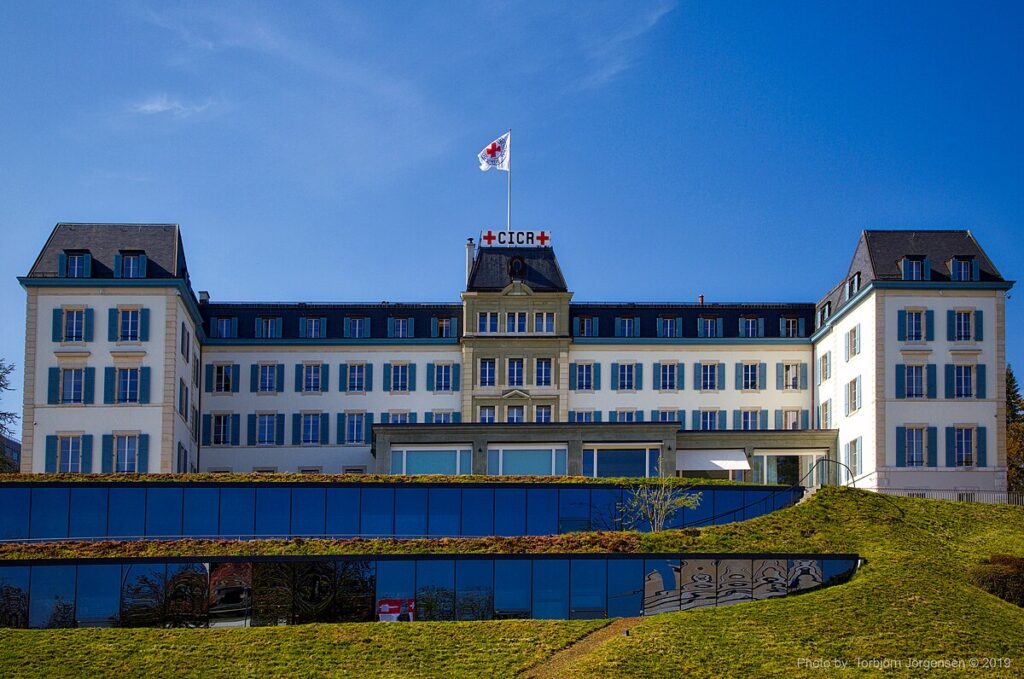
- Humanitarianism: The country showed its humanitarian face by hosting the International Committee of the Red Cross (ICRC) and assuming a mediating role for prisoners of war.
4.3 The Cold War Era (Armed and Critical Neutrality)
- Emphasis on Armed Neutrality: Throughout the Cold War, Switzerland pursued an active and costly defense policy under the threat of nuclear war. The obligation for every citizen to have a personal bunker is the legacy of this period.
- International Political Risk: Although the country was accused of leaning towards the Western bloc, it succeeded in keeping diplomatic channels open. Thus, neutrality evolved into the art of political risk management during this time.
4.4 Current Challenges (UN and Sanctions)
- UN Accession: Switzerland joined the United Nations (UN) late in 2002, following a referendum, to avoid compromising the principle of neutrality. This demonstrates the sensitivity of neutrality among the public.
- “Adaptation” to Sanctions: Sanctions against Russia are the most current and biggest challenge to neutrality. While legal neutrality is preserved, political participation—termed “adaptation” to EU economic sanctions—is limited to a degree that barely infringes upon the political neutrality principle.
✅ 5) Experience / Suggestion Section
The True Cost of Neutrality: Overlooked Moral and Economic Burdens
Neutrality is often viewed as a shield protecting Switzerland’s image. However, in my opinion, this policy brings with it invisible economic and moral costs. The financial pragmatism applied during World Wars I and II merits moral criticism.
- Moral Cost: Surviving economically by trading with both warring sides is, based on my observations, a way to shirk moral responsibility. This translates to being indifferent to the victims of war.
- Economic Cost: Armed neutrality requires the country’s defense spending to remain constantly high. This means a significant portion of tax revenues is dedicated to financing an active military force.
My personal conclusion is that, this policy of Switzerland, with all its flaws and moral gray areas, has shaped the country’s model of global stability.
✅ 6) Step-by-Step Guide / Application (Tools of Neutrality)
Neutrality is not just about not fighting; it is also a diplomatic process. How does Switzerland concretely implement this policy in the international arena?
- Good Offices (Gute Dienste): Switzerland represents the interests of countries (e.g., US in Iran, Russia in Georgia) that have cut diplomatic ties, by acting as a mediator. This is a concrete example of the country’s diplomatic role.
- Humanitarian Aid and Mediation: The country reinforces its humanitarian role by hosting the International Committee of the Red Cross (ICRC) and assuming a mediating role for prisoners of war.
- Participation in Sanctions: Switzerland is not exempt from UN Security Council resolutions. However, its participation in economic sanctions imposed by the EU (against Russia, Iran, etc.) is limited to “adaptation” to preserve legal neutrality.
✅ 7) Cost / Fee / Time Table (The Price of Neutrality)
Item | Cost | Period |
|---|---|---|
Military Expenditure (Defense) | Around 0.7% of annual GDP | Continuous |
Reputational Cost (Criticism) | High | During periods like World War II (Financial ties with Nazis) |
Diplomatic Services | A large portion of the Foreign Ministry’s annual budget | Continuous (Good Offices) |
Economic Loss (Lack of Sanctions) | Low | Only obligatory UN sanctions are followed. |
✅ 8) Frequently Asked Questions (FAQ)
Q: Does neutrality mean Switzerland is unarmed?
Answer: No. Switzerland pursues a policy of armed neutrality. Although the country does not join any military alliance, it possesses a strong and well-trained army capable of protecting its sovereignty. This aims to deter potential attackers, and maintaining this military force requires a large cost.
Q: Does Switzerland participate in UN or EU sanctions?
Answer: Switzerland must comply with UN resolutions, despite joining the UN late. However, it participates in EU economic sanctions under the name of “adaptation,” while maintaining legal neutrality. This means the decisions are softened to align with Swiss interests.
✅ 9) Alternatives
Neutrality has become the focus of international criticism during current crises, such as the Russia-Ukraine War. Critics argue that neutrality is morally passive and serves no purpose other than protecting wealth. Alternatively, some Swiss politicians advocate for closer cooperation with NATO.
✅ 10) Advice / Tips
- Local Level: Neutrality is a national decision. However, the real power of political life lies in the cantons and the local population’s referendums, as highlighted in our article Switzerland’s 26 Cantons: Guide To Administration, Population, And Languages.
- Foreign Policy Source: To obtain detailed and official information about Switzerland’s neutrality strategy, you should consult the Federal Department of Foreign Affairs (FDFA) website.
- Financial Literacy: Strengthen your financial literacy to understand the indirect costs of neutrality (taxes and military service).
✅ 11) Conclusion Section
Switzerland’s neutrality policy, dating from 1815 to the present, is not an accident, but a difficult test of will. It means not only abstaining from military alliances but also providing diplomatic mediation and humanitarian aid. In my opinion, this system, with its flaws and moral gray areas, has formed the country’s model of global stability. This policy grants you both a secure living space and imposes a high cost burden. This article is a guide to understanding the economic, historical, and moral truths behind this complex policy.