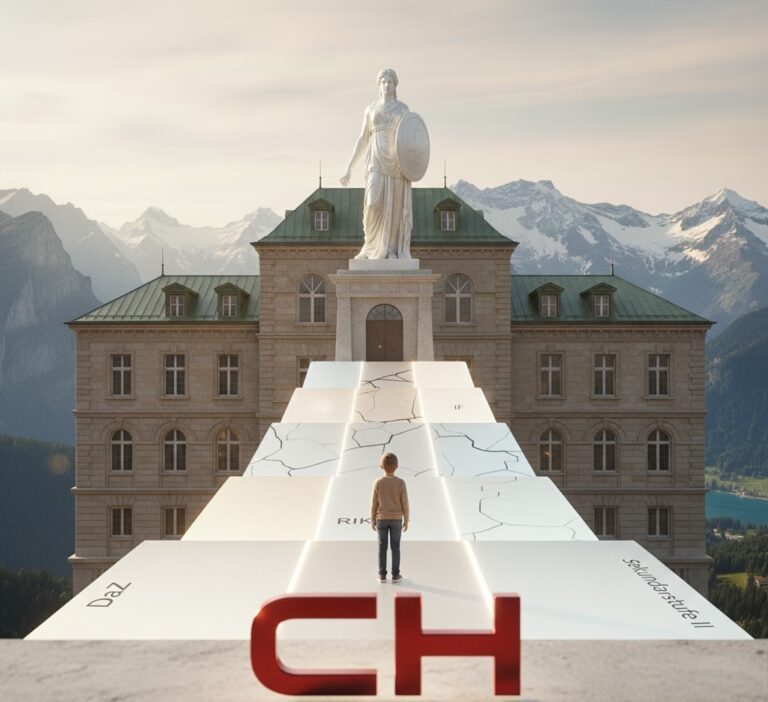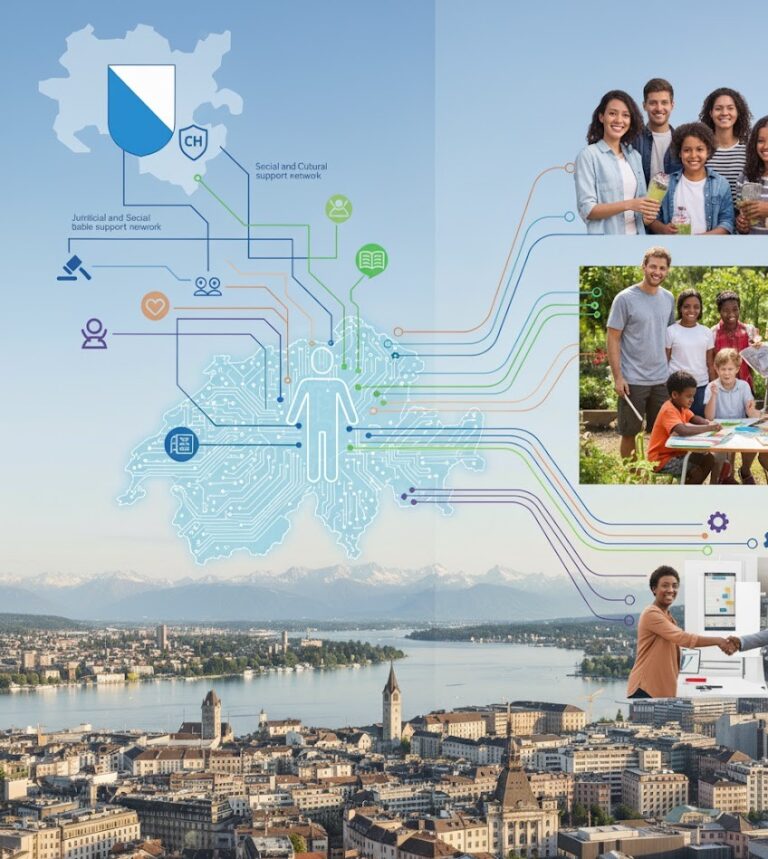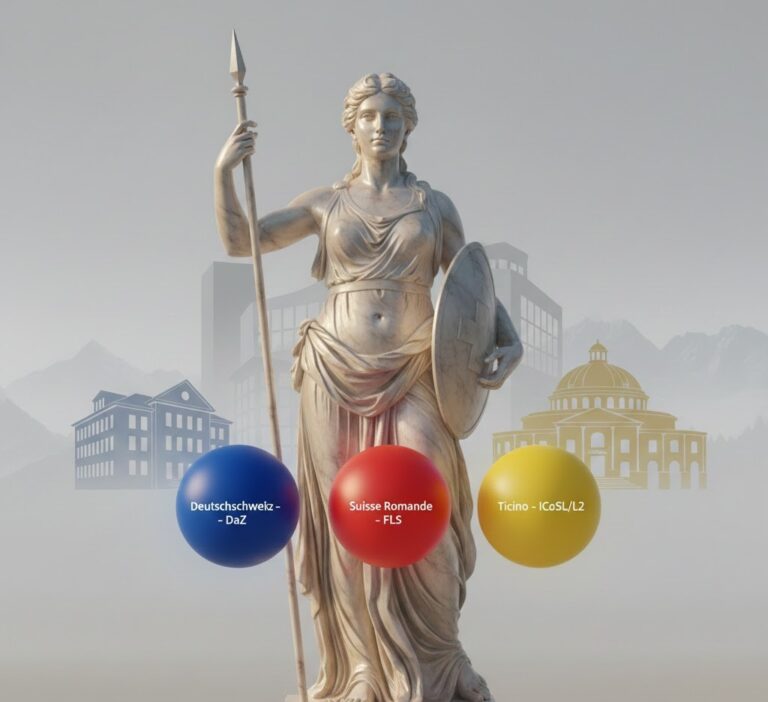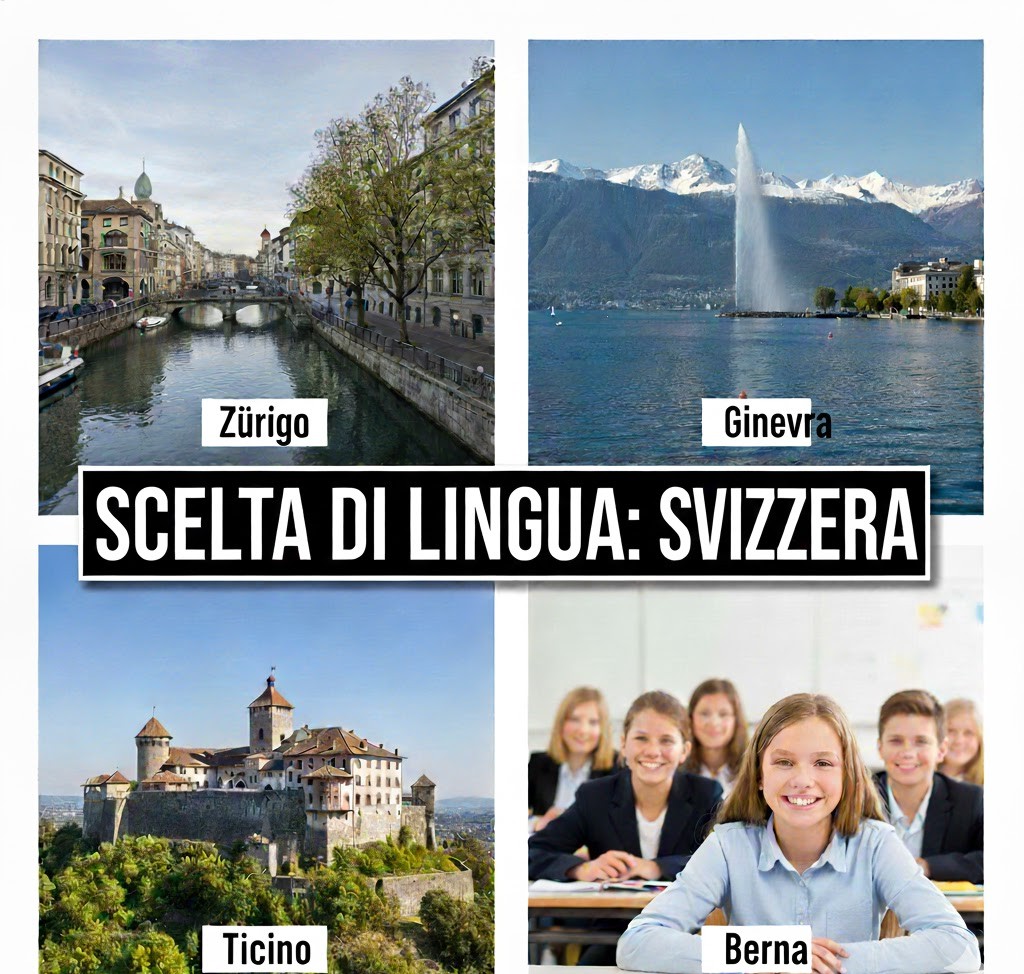
The Language Decision in Switzerland: German, French, Italian, and Romansh—The Social Exam Imposed by the Federal Structure on the Immigrant
focusAnalysis: Language Must Transition from Necessity to Pleasure: The Test of Identity and Isolation
Switzerland is not just a country where four national languages are spoken; it is also a geography where this linguistic diversity creates sharp dividing lines in daily life, career, and social environment. Therefore, for anyone wishing to establish a permanent life in Switzerland, language is not a preference, but the fundamental key to cultural integration and achieving a prosperous life in the professional world.
Although many view Switzerland’s multilingualism as a disadvantage, in my opinion, this situation is an opportunity presented to you to shape your life with your own hands. However, the only thing that unlocks this opportunity is the language of that region. The journey of language learning was a constant chain of necessity in my life; but here, I saw that these chains turned into a pleasurable preference.
✅ Quick Summary Table
Language | Share of Speakers % (Mother Tongue) | Economic Weight | Primary Challenge |
|---|---|---|---|
German | 63 % (Highest) | Engine of the job market (Zurich, Bern) | Schweizerdeutsch (Dialect adaptation) |
French | 23 % | International companies, diplomacy | Lower job market volume than German |
Italian | 8 % | Ticino Region (Limited area) | Restricted usage across the country |
Romansh | 0.5 % (Lowest) | Cultural preservation (Graubünden) | Minimal career and population volume |
🎯 Main Definition:
The Language Decision in Switzerland is a social exam imposed on the immigrant by the federal structure, stating that the choice among German, French, Italian, and Romansh serves not only for communication but as a critical tool for social advancement and full command of the integration process, which we detailed in our [Switzerland: The Ultimate Guide].
✅ Key Information:
In my personal opinion, choosing a language in Switzerland does not just mean gazing at the beauty of Lauterbrunnen, which we described in our [Switzerland’s Most Beautiful Mountain Villages] article, but also being able to confide in the elders of those mountain villages.
- Language and Identity: The real issue is seeing language as a career stepping stone and investing in it to fully penetrate the fabric of this complex society.
- Social Key: Language is more than just a visa requirement or a job application necessity; it is the key that opens the door to the rich social and cultural life that we explained in detail in our [Social Life in Switzerland] article. This is why the language decision must come before all career applications and equivalence procedures.
✅ Detailed Guide:
📌 Critical Choice and Career Opportunity Among Switzerland’s Four National Languages
The language you choose in Switzerland determines less your personal preference than the economic and social opportunities you will access.
💰 German: Switzerland’s North and Central Regions (The Language of Power)
German is the most widely spoken language in Switzerland. Daily life, professional life, and education in cities like Bern, Zurich, and Basel are German-centric.
- Advantages: The most demanded language in the job market; most education and university programs are in German.
- Challenges: In my observation, the dialect and pronunciation differences of Swiss German (Schweizerdeutsch) initially create a significant challenge and adaptation barrier for immigrants learning Standard German (Hochdeutsch).
🗼 French: The Language of Western Switzerland (The International Connection)
French is the official language in western cities like Geneva, Lausanne, and Neuchâtel. Learning French facilitates both social and professional life in these regions.
- Advantages: Important for international companies and diplomatic institutions. Cultural events and social life become more accessible with French.
- Challenges: Not as widespread as German. In my opinion, although different dialects can be confusing, one absolutely needs to focus on learning the dialect of the region one lives in.
🇮🇹 Italian: Switzerland’s Southern Region and Ticino (Limited but Warm Area)
Italian is spoken in the Ticino canton. Italian is essential for those who want to live or work in Southern Switzerland.
- Advantages: Professional and social integration is easy in the southern regions; learning Italian can help with learning other Romance languages.
- Challenges: The area of usage is limited because the number of speakers is low nationwide. Also, course and resource options are more restricted compared to German and French.
🏞️ Romansh: The Heritage of Graubünden (The Cultural Bridge)
Romansh (Rätoromanisch) is the fourth national language of Switzerland, with Latin roots. It is predominantly spoken in the southeastern valleys of the Graubünden (Grisons) canton.
- Advantages: Important for participating in the cultural life and local administration of the canton; supports the mission of preserving a language of ancient Latin origin.
- Challenges: Spoken by only about 44,000 people, it is the most restricted linguistic area in the country. Career and education opportunities are significantly lower than for the other three languages.
📝 Strategic Comparison and Learning Methods
Comparison Table: Which Language is Advantageous in Which Region?
Language | Spoken Region | Advantage | Challenge |
|---|---|---|---|
German | Bern, Zurich, Basel | Job opportunities, education | Schweizerdeutsch dialect and adaptation difficulty |
French | Geneva, Lausanne | Diplomacy and culture | Lower job market volume than German |
Italian | Ticino | Integration in the south | Restricted usage across the country |
Romansh | Graubünden | Regional cultural integration | Minimal career volume |
Language Learning Tips (Personal Strategies)
Although the process of language learning is mandatory, in my opinion, it can turn into a great pleasure with the right strategies.
- Practice: Speaking uninhibitedly with locals in daily life accelerates learning far more than theoretical work.
- Courses and Platforms: Using platforms like Babbel, Duolingo, or the Goethe Institute and practicing with programs like Tandem or Conversation Exchange is good for starters.
- Local Communities: Cantonal language centers and university clubs are the best ways to expand your social circle.
💸 Cost Balancing: Free and Subsidized Course Opportunities
High language course fees are a heavy burden on an immigrant’s budget. However, thanks to Switzerland’s policy of encouraging integration, many cantons and NGOs offer free or subsidized German, French, and Italian courses. Utilizing these opportunities can bring the cost of language learning close to zero.
- Cantonal Support (Verified Source): Some cantons like Basel-Stadt offer new immigrants funding for German courses up to 80 lessons free in the first 12 months. This is one of the most concrete supports offered. You can get detailed information about Basel-Stadt’s free course program on the official website of the Canton of Basel-Stadt.
- Bern and Zurich Opportunities: Residents of Bern can inquire through the Migration Unit of the City of Bern; residents of Zurich can get information about low-cost courses that we mentioned in our [Zurich Canton Integration Guide].
- Cost Impact: Although the existence of such courses alleviates the cost of language learning, do not forget that the general cost of living in Switzerland is much higher than you might think. To better understand the impact of these costs on Switzerland’s general economic structure, you can find out more by reading our article [The Modern Face of Switzerland].
✅ Conclusion:
The language decision is the most important strategic decision that shapes the future of an immigrant in Switzerland. Language is not just a visa or job requirement, but the only way to social advancement and full inclusion in the silent contract of society. Accepting this order will give you the feeling of being “a stranger at home, but rooted far away.”