Language Integration in Switzerland: A Comparative Analysis of the Three Cantonal Models (German, French, Italian)
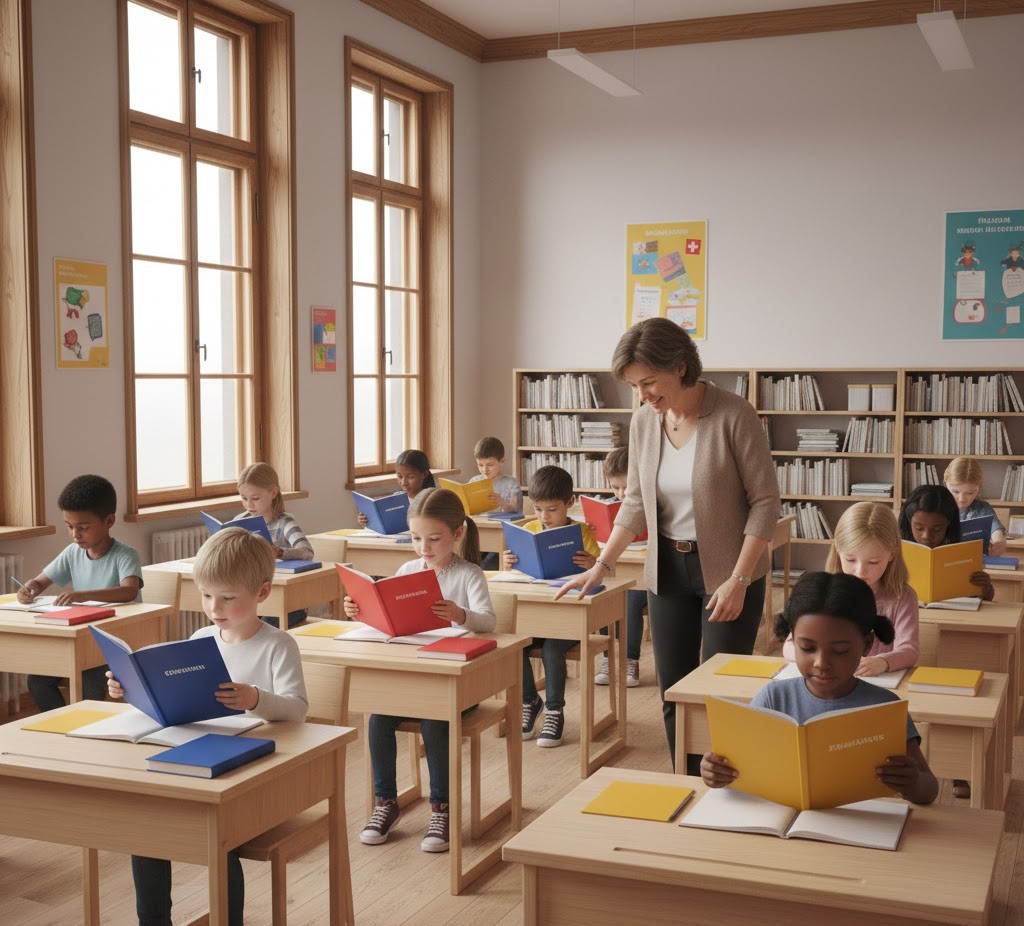
🧭 Switzerland’s Quadrilingualism and the Test for Immigrants
Switzerland boasts a complex language landscape, characterized by its federal structure and four official languages (German, French, Italian, and Romansh). This structure forms the basis of the education policy, yet cantonal autonomy leads to significant differences in integration approaches.
This report examines the language integration policies and pedagogical models applied in the three main language regions of Switzerland (German-speaking Switzerland, Suisse Romande, and Ticino). The focus is on comparing the cantonal implementations, the pedagogical models (DaZ, FLS, ICoSL/L2), and the standards for teacher qualification.
focusAnalysis: Cantonal Differences and the Search for the Regional Code
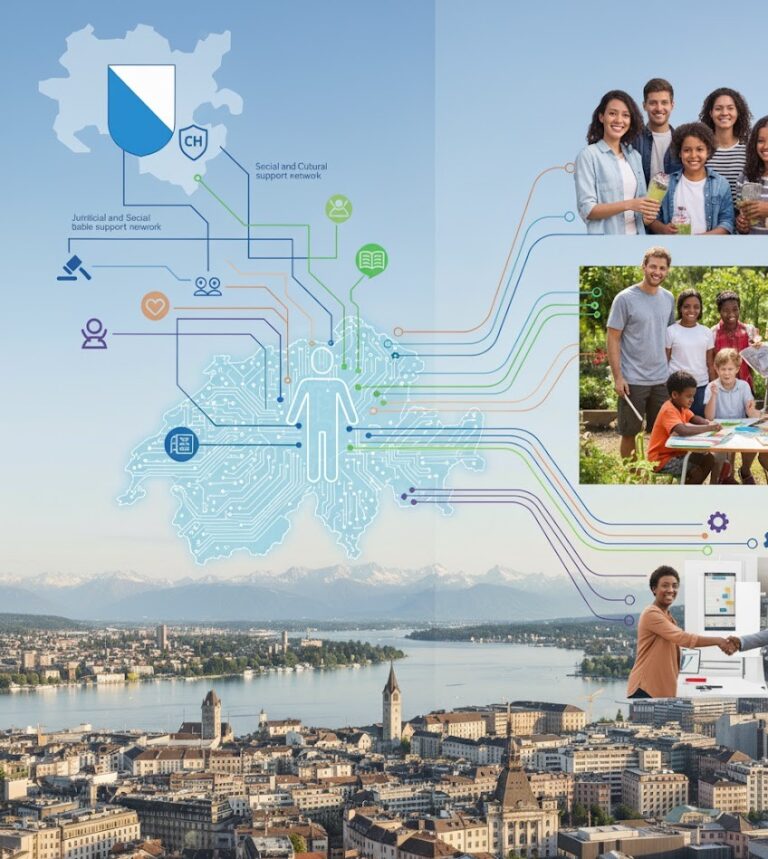
Switzerland, with its federal structure and 26 cantons determining their own language policy, possesses a unique language landscape. This means that learning a language for immigrants goes beyond mastering German, French, or Italian—it becomes a test to understand the “rules of the region.”
As someone who grew up bilingual and experienced the compulsion to learn the language, I appreciate Switzerland’s willingness to acknowledge the national language struggle of Romansh. However, this structure creates profound differences in integration approaches: some focus on rapid language acquisition (FLS reception classes), while others prioritize academic language (DaZ). Understanding the complexity of this principle of cantonal sovereignty starts with looking at our comprehensive guide on the Reality of Life, Work, and Cost in Switzerland. While language learning turned from a necessity into a pleasure for me, every immigrant must find the right path in this demanding system.
🏛️ EDK Basic Principles for Language Promotion (Critical Overview)
Area of Promotion | EDK Basic Approach (Recommending Character) | Critical Focus |
|---|---|---|
First Language & Culture (HSK/LCO) | Right to maintain the mother tongue and culture of migrant children. | Must be recognized as part of academic success in the school report. |
Focus of Language Promotion | Continuous support based on individual student assessments. | Must be ensured at all educational levels (from school to professional life). |
Official Recognition of HSK/LCO | Provision of free premises for HSK instruction; Must be shown on the school report. | Cantonal/Municipal Support |
🎯 Core Definition:
Language integration in Switzerland is a complex process where German, French, and Italian-speaking regions use EDK standards (HSK, language promotion) as a foundation but apply differing pedagogical models (DaZ specialization in German Switzerland, intensive reception in Romandie) based on local demographic challenges, all shaped by federalism.
✅ Fundamental Information
Education policy in Switzerland is managed by the cantons, meaning that cantonal sovereignty is the driving force behind integration approaches. For further details, you can examine the Swiss Education System more closely. At the federal level, German, French, and Italian hold the same official status, but the regional principle is crucial: each canton determines the official language of its territory.
⚖️ Legal Framework and Continuous Language Development
The EDK stipulates that the need for language support must be determined through individual assessments and provided at every educational level (including the transition from school to the professional world). This aims for an uninterrupted language development.
🏰 HSK/LCO: Proof of Two-Way Integration
Courses in home language and culture (HSK / LCO) reflect the two-way nature of the Swiss integration model. The EDK recommends that these courses be noted on the school report. This proves that the mother tongue is seen not just as logistical support but as part of academic success.
✅ Detailed Guide: Pedagogical Differences of the Three Language Regions
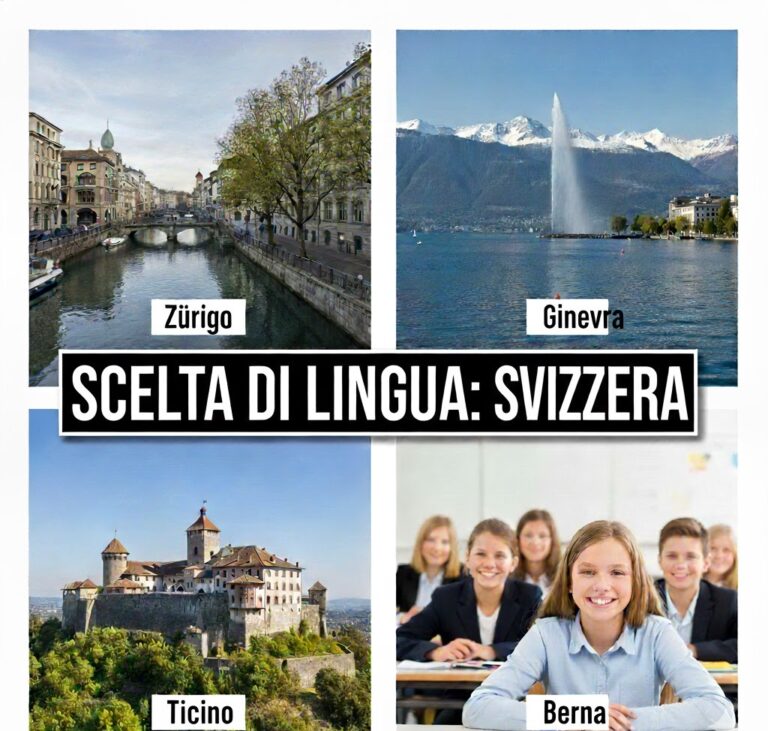
📌 German-Speaking Switzerland Model (DaZ): Focus on Academic Language
German-speaking Switzerland places great emphasis on the acquisition of academic language in the DaZ model.
- Pedagogical Focus: It goes beyond basic communication skills, aiming to teach language as a cognitive structure (e.g., complex language structures in mathematical problems).
- Teacher Quality: Cantons like Zurich require mandatory DaZ certification (often at the Master’s level) for teachers, reflecting the view that language integration demands special academic diligence. The Zurich Canton Integration Guide offers you additional insights here.
🚦 Suisse Romande Model (FLS): Intensive Reception
In the Suisse Romande, the system (FLS) focuses on intensive, separate reception structures (Classes d’Accueil – ACC).
- Structural Contrast: This model stands in structural contrast to the in-class integration efforts of German-speaking Switzerland. The focus on ACCs suggests the pedagogical assumption that learning in a regular classroom environment might be inefficient without secured basic competence.
🇮🇹 Ticino Model (ICoSL/L2): Intercultural Mission
The Canton of Ticino views language integration as a legal obligation and a cultural mission. This is evidenced by the model prioritizing intercultural education for everyone. You can see the intercultural mission of Ticino more closely in our Lugano & Locarno Guide.
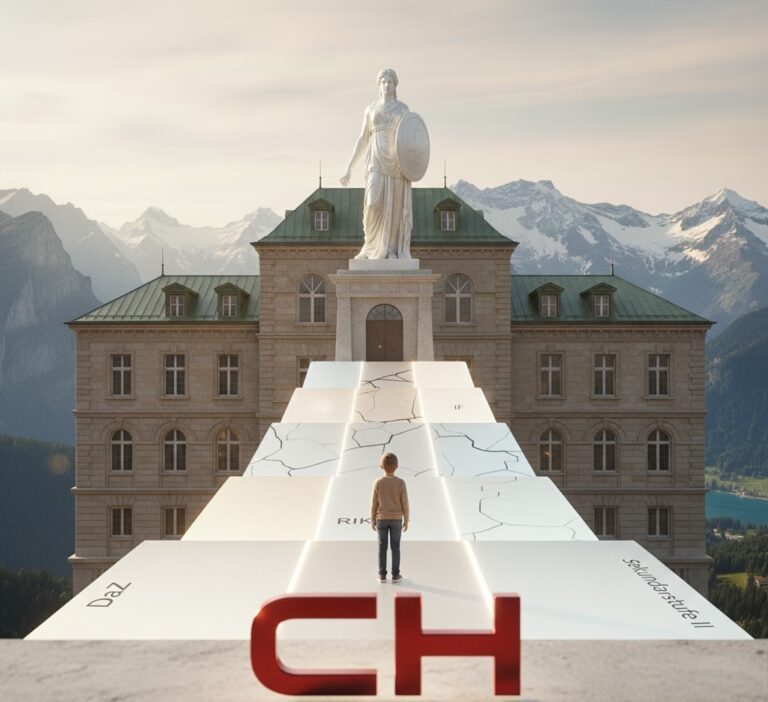
- Structural Inequality and Diploma Equivalence: Structural difficulties during the transition to secondary level II (Sek II) arise because cultural capital in the parents’ homes is insufficient.
✅ focusAnalysis: HSK Value, Dialect Shock, and Managing Boundaries
focusAnalysis: Choosing a language in Switzerland is more than just a career move; it’s the art of managing high expectations for work discipline and the social boundaries drawn by the locals through dialect. I, as someone who had to learn German in Bern and experienced the Swiss Work Culture firsthand, appreciate Switzerland’s willingness to acknowledge the national language struggle of Romansh.
This aligns with the mission of regions like Ticino, which view integration as a two-way process. Language acquisition requires not only grammatical competence but also sociocultural acceptance (performance).
Dialect Shock: The confrontation with local dialects in German-speaking Switzerland is unavoidable. Do not view this difficulty as an obstacle, but as the final phase of cultural adaptation.
Personal Respect: Voluntarily investing time in learning a second national language increases your bond with the Willensnation (Nation of Will).
✅ Adaptation Roadmap
Strategic steps and critical timing to ensure the integration success of families:
- Early Intervention: Utilize free language courses starting from pre-school age, as in the Ticino example. Early intervention is crucial for language acquisition.
- Focus on Academic Language: In DaZ/FLS promotion, concentrate not only on everyday language (BICS) but also on the complex language structures (CALP) required for academic success.
- Utilize HSK as an Academic Advantage: Ensure your child participates in HSK instruction and that this grade is noted on the school report. The strength of the mother tongue forms a solid foundation for second language acquisition.
- Track Certificate Equivalence: If you are planning vocational training, follow the procedures for the equivalence of DaZ/FLS certificates and diplomas.
✅ Cost/Duration Table
Success and Transition Data of Migrant Students (BFS Data):
Category | Description | Value / Quote |
|---|---|---|
Cost of DaZ Teacher Certification | Mandatory specialized training for DaZ/FLS teachers. | High (Master’s level training) |
Secondary II Transition Delay (Foreign-Born) | National delay rate in immediate transition to Sek II after compulsory schooling. | 20.1% Gap |
Promotion of Language of Instruction (L2) | DaZ/FLS support provided by the canton. | Mandatory (Duration and intensity vary cantonally) |
❓ Frequently Asked Questions (FAQ)
Question: Why is the HSK grade important on the school report?
Answer: The notation of the HSK grade (EDK recommendation) on the report officially recognizes the first language as part of the child’s academic success. This aligns with the scientific view that mother tongue proficiency promotes cognitive development.
Question: What is the advantage of the Reception Classes (Classes d’Accueil) in Romandie?
Answer: ACCs offer an accelerated strategy to quickly provide late-arriving youth with basic language competencies. They aim for intensive language acquisition.
Question: Why must DaZ/FLS teachers be so highly qualified?
Answer: All regions demand high specialization because language integration requires academic diligence that directly influences academic success.
✅ Alternatives
Political alternatives to combine the strengths of the three language integration models:
- Hybrid Models: By comparing in-class integration models (German-speaking Switzerland) with intensive reception classes (Suisse Romande), hybrid solutions for different age groups can be developed.
- Recognition of Teacher Certificates: Full standardization of DaZ/FLS/ICoSL certificates across all language regions would improve the mobility of teachers and the overall quality of integration services.
✅ Recommendations / Tips
- Timeline and Intensity: Understand the importance of early intervention for language acquisition. Ensure your child’s L2 competencies are strong, including in academic language.
- Observe the Ticino Model: The structure of the Cantonal Commission for Foreign Students in Ticino offers a model for dynamic and quickly adaptable policy administration that other cantons could adopt.
✅ Conclusion: Two-Way Integration and Future Perspectives
The Swiss integration model represents a connection between cantonal flexibility and fundamental rights secured by the EDK. The strength lies in the ability to use the mother tongue as a resource for L2 acquisition and to invest in the high academic qualification of teachers.
This language struggle in Switzerland is more than just learning German, French, or Italian; it is a two-way process where cultural diversity is valued.
Sources:
The table below lists the high-authority websites that served as sources for our research: