The Lantern Culture Tradition in Switzerland: An Ethnographic and Cultural Analysis of the Räbeliechtli/Räbechilbi Ritual
🧭 Conceptual Approach to the Swiss Lantern Tradition
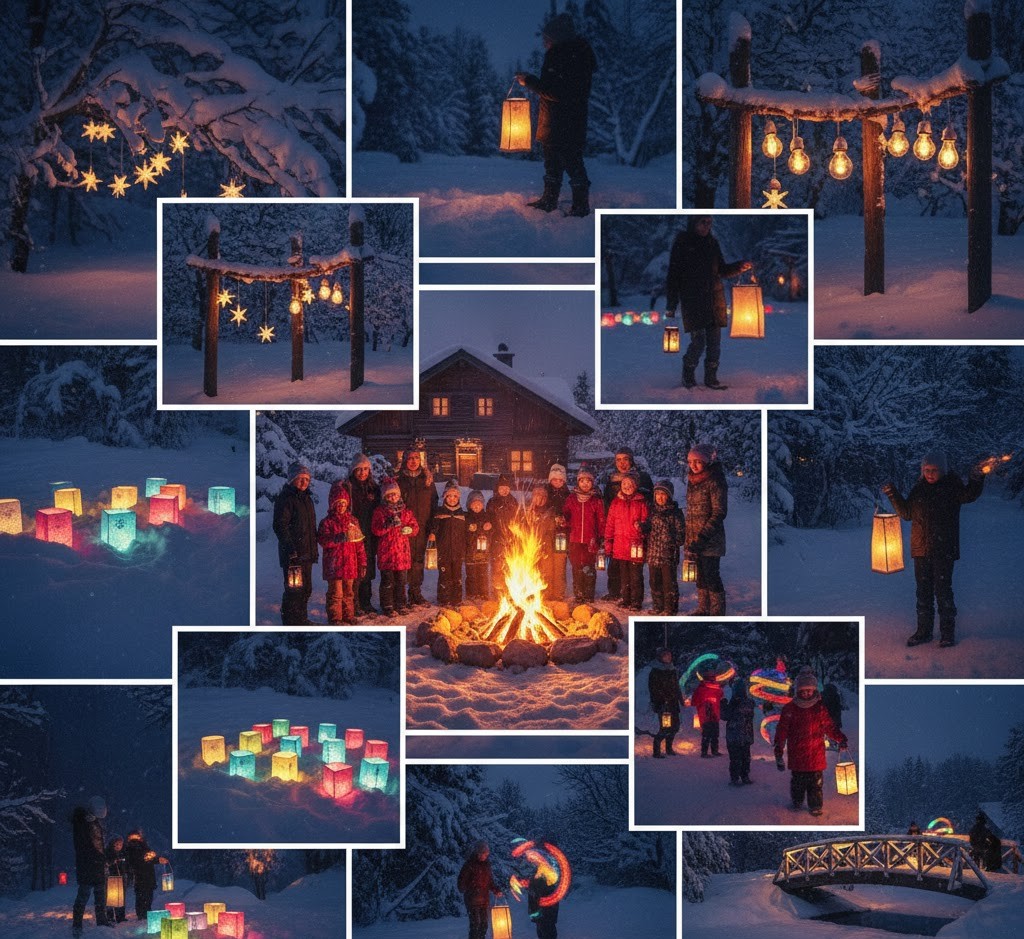
A traditional event is widespread in Switzerland, particularly in the German-speaking cantons, where children walk in the evening with lanterns they have made themselves. This event carries deep cultural and historical layers. This “lantern culture” phenomenon, as referred to in the source report, is defined as a unique Swiss variant distinct from the common St. Martin’s Day (Martinstag) celebrations across Europe, known as Räbeliechtli (turnip lantern) or the entire festival, Räbechilbi. This article aims to comprehensively examine the Räbeliechtli tradition in terms of its origins, regional practices, and socio-cultural functions.
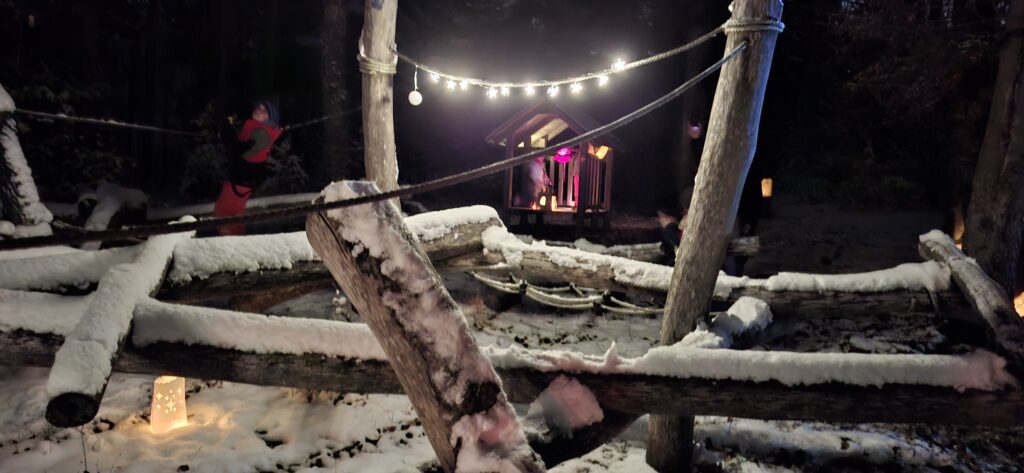
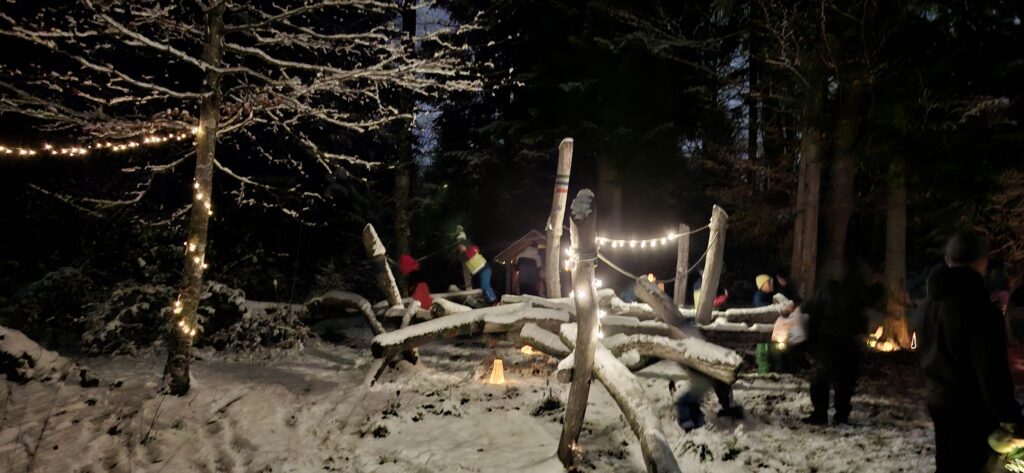
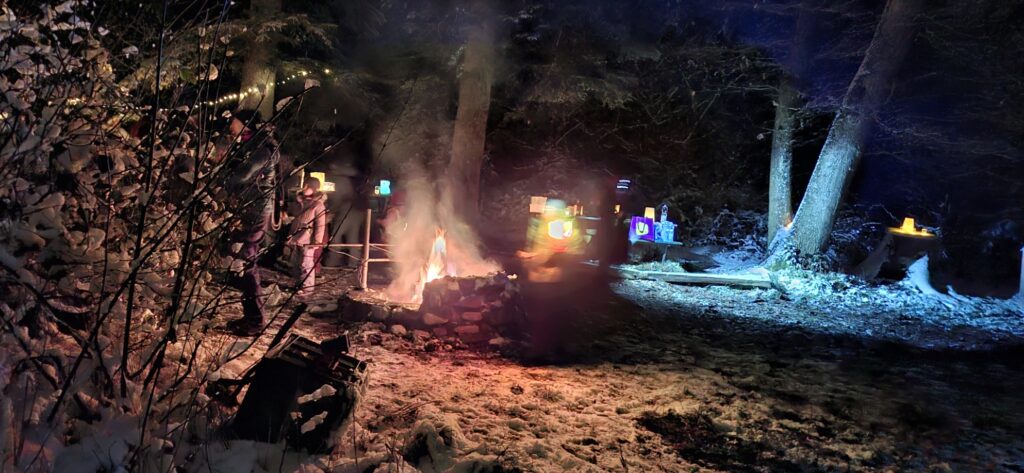
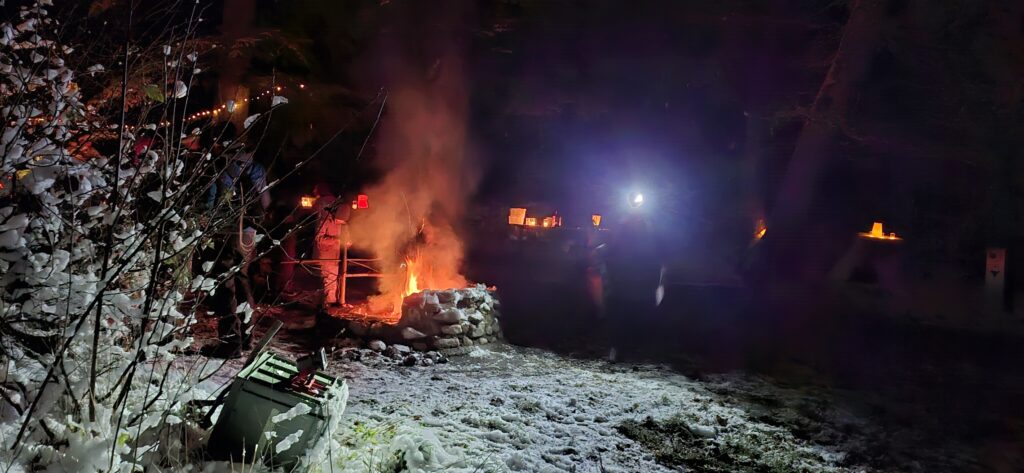
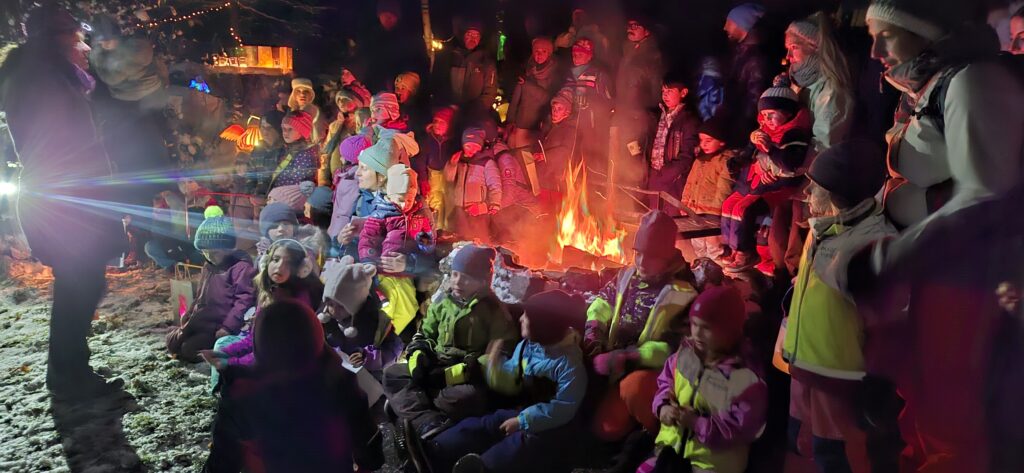
Although this tradition outwardly commemorates Saint Martin, by centering the turnip (Räbe), it shifts the focus from the hagiographic narrative to the rural ecological cycle and the theme of preparing for winter. As a chef and pizzaiolo, the sheer strength and resilience of this lantern culture confirms for me the cultural value the region places on food and the harvest cycle. It truly is one of the most beautiful cultures in the world, offering children a wonderful opportunity to both remember history and socialize. I honestly love this culture very much. I was there the other day with my own children, and the impact of this beautiful event on the children was quite positive. They sang songs with their friends, they socialized, and they realized that school isn’t just within four walls. This beautiful, small, yet impressive event made me feel it was priceless, and I couldn’t help but wish similar events were held in our homeland. It was truly beautiful.
Carving the turnip in the Räbeliechtli ritual is not just about creating a light source; it is also about the blessing of the vital winter provisions in times of scarcity and the commemoration of abundance. This proves that the production process of the tradition holds greater cultural value than the finished product. This cultural resilience and focus on local identity reflect how much the administrative structure of Switzerland values the cultural heritage of each canton.
focusAnalysis: A Heartfelt Light, a Solid Culture
Seeing how much the lantern culture differs across the cantons shows a fundamental truth about life in Switzerland: cultural wealth is highly dependent on regional and local details. As someone living in Bern, I see the difference between the massive show in Richterswil, Canton Zurich, using 30 tons of turnips (Industrial Scale), and the local workshop in Bernau offering a warm family meal (Community Orientation). This reveals the cantonal cultural DNA.
Isn’t it wonderful how the preservation and transmission of this ritual labor from generation to generation runs parallel to the country’s commitment to preserving its cultural heritage? This is a sweet resistance against modernization. By creating their own light, children are taught that they are part of a community that prepares for winter actively, not passively. This small but profound tradition creates a much stronger, more lasting cultural bond that strengthens local ties. This culture truly warms the heart.
🏛️ Definition and Key Distinction of Lantern Culture (Brief Summary)
Event | Focus Point | Key Distinguishing Feature | Cultural Context |
|---|---|---|---|
Räbeliechtli / Räbechilbi (Switzerland) | Turnip (Räbe) | Requirement to carve the lantern from a turnip. | Agricultural cycle, post-harvest blessing, and local identity. |
Laternenumzug (Europe General) | Paper/LED Lantern | Often associated with St. Martin’s Day on November 11th; paper or modern lanterns are used. | Hagiographic commemoration (the story of Saint Martin). |
🎯 Core Definition:
Swiss Lantern Culture is a collective ritual of transition into winter that differs from the traditional European Laternenumzug by requiring lanterns to be carved from seasonal turnips (Räbe), uniquely merging the commemoration of St. Martin’s Day with local agricultural harvest rituals.
✅ Fundamental Information
The dominant practice of lantern culture in Switzerland is the Räbeliechtli tradition, which requires lanterns to be specifically carved from turnips (Räbe). This tradition relies on the regional agricultural and harvest cycle—the rural ecological cycle—rather than solely the hagiographic narrative (the story of Saint Martin). Since the turnip harvest coincides with a time when winter provisions are secured, the ritual goes beyond mere commemoration to become an act of post-harvest blessing.
⚖️ Saint Martin and the Winter Transition Rite
The Räbeliechtli tradition is structured around Martinstag (November 11th), a holiday dedicated to Saint Martin of Tours. However, in the Swiss context, this commemoration is intertwined with much older and more local practices of harvest festivals. The lantern processions symbolize the sacred light spread through Saint Martin’s generosity.
🏰 Centrality and Symbolism of the Turnip
The centrality of turnip lanterns (Räbeliechti) in Switzerland demonstrates the tradition’s deep connection to pre-Christian, post-harvest rituals. The turnip is one of the vital sources of winter provisions in times of scarcity. Therefore, carving a turnip lantern becomes not just about carrying a light, but also a ritual of blessing the existing provisions and commemorating abundance when entering winter.
✅ Detailed Guide: Ethnographic Analysis of Räbeliechtli Culture
📌 Räbenschnitzen (Turnip Carving Art) and Social Rhythm
The most fundamental ritual of the event, the turnip carving process (Räbenschnitzen), is rarely done individually; it is usually organized by community centers (GZ) in Zurich or churches.
- Ritual Labor: The insistence of community centers on maintaining this ritual labor shows that the production process of the lantern holds greater cultural value than the finished product—meaning the performance part of the tradition is critical.
- Intergenerational Transfer: The organization of workshops, such as in the Villa Bernau in the Bern region, proves that the effort required for the turnip lantern reinforces the theme of sacrifice and winter preparation, ensuring its intergenerational transmission.
🚦 Räbeliechtli Umzug (Light Procession) and Neighborhood Bonds
The light processions typically begin in the early evening, after dark, following pre-planned neighborhood routes.
- Social Anchor: This local and neighborhood-based organization serves as a social anchor that strengthens neighborhood bonds in Swiss society.
- Resilience: The fact that the celebrations are held despite adverse weather conditions (like rain) reflects the participants’ emotional attachment to this ritual and their desire to be resilient against seasonal difficulties. Warm drinks and traditional snacks after the procession reinforce this solidarity.
💰 Oral Culture: Songs and Dialect Identity
The emotional content and symbolic transmission of the Räbeliechtli tradition largely occur through folk songs.
- Fragile Hope: The theme “gäll, Liechtli, lösch nid ab” (Light, please don’t go out) from the song “Räbeliechtli, Räbeliechtli,” sung in the Berndeutsch dialect, reflects the fragile hope held against the uncertainty and darkness of winter, based on the danger of the lantern extinguishing.
- Preservation of Language Identity: Singing the songs in regional dialects shows that this ritual is not only a cultural tool but also a strong instrument for the preservation of local language identity.
✅ Traditional and Ritual Analysis Table
The following table analyzes the fundamental symbolic content and the musical landscape of the Räbeliechtli tradition:
Song Name | Language/Dialect | Main Topic/Focus Point | Symbolic Content / Psychological Inference |
|---|---|---|---|
Räbeliechtli, Räbeliechtli | Berndeutsch | The lantern finding its way in the dark and trying to resist the wind. | Fragile Hope: Reflects the vulnerability of man-made light against the winter darkness and cold wind. |
Ich gah mit miner Laterne | Swiss German | The lantern shining alongside the cosmic lights in the sky. | Cosmic Connection: Relates the personal ritual to the great cycle of nature (Moon, Stars). |
Laterne, Laterne… | Swiss German | The sun shines during the day, the lantern at night. | Cyclicality: Describes the cycle and order of light sources. States the lantern is a temporary but vital element securing the order of winter nights. |
❓ Frequently Asked Questions (FAQ)
Question: What is the difference between Räbeliechtli and a regular Laternenumzug?
Answer: The main difference is the material of the lantern. While paper or modern lanterns are generally used in the Laternenumzug, Räbeliechtli is uniquely Swiss and mandates carving the lantern from a turnip (Räbe), which links the tradition to agricultural origins.
Question: How is the Gansabhauet ritual related to Räbeliechtli?
Answer: In Sursee (Lucerne), the Räbeliechtli-Umzug of the children is immediately followed by the Gansabhauet ritual, where young men, blindfolded, attempt to cut a dead goose with a blunt sword. This shows that the spiritual light procession merges with the harvest feast cycle (consumption of the goose), where winter provisions are secured.
Question: Can LEDs be used instead of candles for safety in Räbeliechtli?
Answer: Yes, due to modernization and safety concerns, many community centers encourage the use of LED lights instead of candles. However, to preserve the essence of the tradition, the act of turnip carving (Räbenschnitzen) must absolutely be maintained.
✅ Alternatives (Regional Typologies)
Regional alternatives to the lantern culture demonstrate the cultural diversity in Switzerland:
- Show Orientation (Richterswil, Zurich): The giant Räbechilbi festival, which uses about 30 tons of turnips and includes large floating figures (floats), has become a national and international tourist attraction.
- Trade Orientation (Western Switzerland): In Vaud and Jura, St. Martin’s Day is less about the light procession and more prominently features trade fairs (Murten, Vevey) and special regional dishes (Onion Tart).
- Community Orientation (Bern Region): Processions are neighborhood-based and run by GZ and churches. The focus here is on local integration and offering warm family meals after the event, rather than a large show.
✅ Recommendations / Tips
- Encourage Dialect Use: Singing the lantern songs with your children in local dialects like Berndeutsch strengthens their cultural integration.
- Get the Turnip Yourself: Instead of buying a ready-made lantern, purchase the turnip from a local market and participate in the carving workshops. This ritual labor multiplies the spiritual value of the tradition.
✅ Conclusion: The Light of Cultural Resistance
The lantern culture in Switzerland represents much more than a simple children’s procession. The Räbeliechtli tradition fulfills a vital social function by bringing the community together before the dark winter months, creating a shared artistic activity for families, and strengthening local culture (both agricultural rituals and local dialects). The Räbeliechtli is an ethnographic heritage worth preserving, visualizing the theme of hope and solidarity when entering the Swiss winter.