Guide to Coping with Loneliness in Switzerland: The Immigrant’s Psychological Journey
focusAnalysis: The Silence of Foreignness and Invisible Walls
Dear fellow traveler, the heaviest price of immigration is that invisible burden not packed in your suitcase: Loneliness. While Switzerland makes you feel safe with its order and flawless operation, that same order and silence can sometimes create deep social and emotional isolation. As exhausting as the initial bureaucratic and logistical challenges (housing, work) are, the subsequent psychological loneliness process is equally draining.
When I started my new life, despite the magnificence of the Alpine scenery, I often felt alone within a large crowd. Regardless of your reason for arrival (work, family reunification, education, or humanitarian reasons like asylum/refugee status), this feeling of loneliness is real. This article, drawing from my own experience as a Chef/Pizzaiolo and as someone who lives in Bern, explains the structural causes of this psychological journey and how these walls of loneliness can be overcome. Remember: feeling lonely is part of the adjustment process, not your permanent destiny.
✅ Purpose of Arrival and The Shock of Preliminary Preparation
When I started my new life in Bern in 2015, I thought I would have a soft landing thanks to my spouse’s family and the local environment. Instead, the reality hit me hard when the first official presented me with the documents. However, remember that this blog is not just my story, but also the voice of everyone who arrives with different challenges, including asylum and refugee status.
The 10 years of experience I gained in Italy provided me with a geographical and cultural bridge. Although the initial shock was softened by this cultural familiarity, the emotional reserve in human relations was not. For someone coming from the warm Mediterranean culture like me, adapting to the silent and reserved social structure of Switzerland was much harder than the bureaucratic hurdles. This situation taught me that staying in Switzerland requires accepting social distance, not just legal rules.
✅ Structural Sources of Loneliness and Solutions
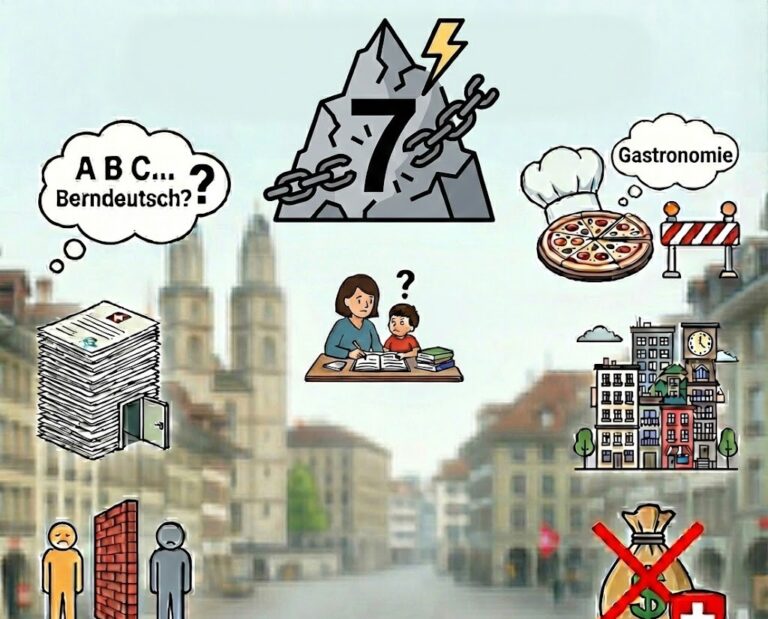
Loneliness does not stem from a personal deficiency but from the unique cultural codes of Swiss society. Here are 5 structural reasons that fuel this loneliness and the psychological journey of this struggle:
😔 Structural Sources of Loneliness: Silence and Social Distance
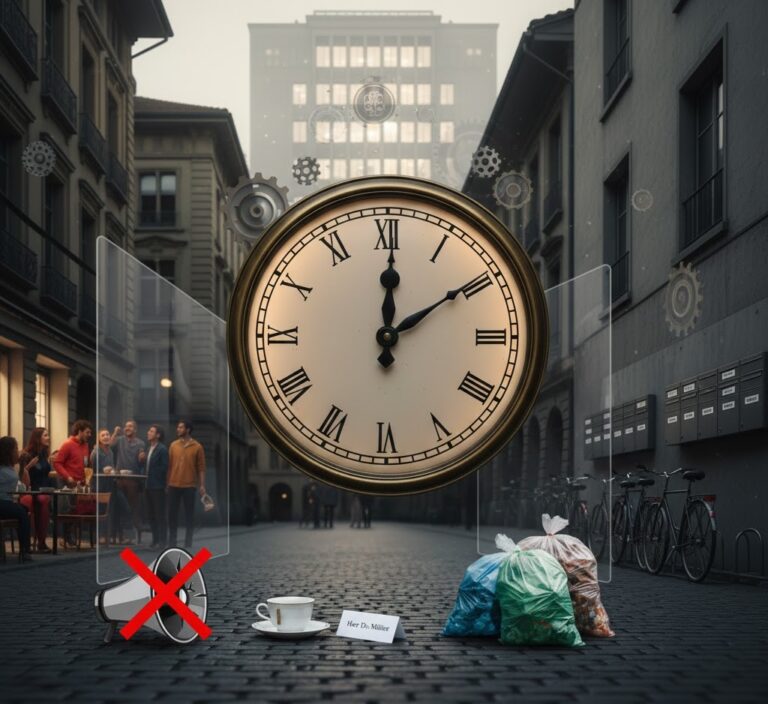
Loneliness in Switzerland often begins with silence and order. The strictness of neighborhood rules, Sunday silence, and the excessive emphasis on personal space restrict social interaction from the outset. Combined with the strict application of silence rules, which we discussed in our article Swiss Rules of Life: Order, Silence, and Adaptation Guide, a wall is erected against the foreigner. Although I am used to teamwork in the kitchen as a Chef/Pizzaiolo, this formality in life outside of work creates a personal and psychological isolation. Loneliness here is not just an emotion, but a societal structure.
🗣️ Language Barrier and The Burden of Misunderstandings
Language is the biggest trigger for loneliness. The chasm between the Hochdeutsch learned in class and the Berndeutsch spoken on the street doubles the despair that comes from not being able to fully express oneself. This is not just a practical problem, but a psychological burden: When you cannot fully explain yourself, people perceive you differently than you intend. Misunderstandings cause you to avoid social interaction, which fuels isolation. Although knowing Italian was an advantage, the obligation to speak German in Bern further reinforced this feeling.
🚦 The Feeling of Helplessness Created by Bureaucratic Processes
The immigrant’s loneliness is also nurtured by waiting. In my case, bureaucratic processes such as the Milan Consulate process and the prolonged residence permit renewals triggered a sense of helplessness caused by uncertainty. The feeling that the state treats you as a number or a case file diminishes your personal worth and psychologically reinforces the idea, “I do not belong to this system.” This bureaucratic loneliness is deeper than social loneliness because you feel rendered invisible by the system.
🏠 Isolation at Home and Work: A Chef’s Observations
Loneliness manifests itself in different ways, both at work and at home. At home, the neighbors’ distance and the inability to build the same bonds that your spouse has with their local circle create isolation. At work, even though I have to work with the team in the kitchen, the strict hierarchy and discipline discussed in our article Working in Switzerland: Work Permits, Salaries, and High-Demand Occupations often prevent the formation of deep friendships. As a Chef/Pizzaiolo, even if you interact with hundreds of people during the day, you realize you cannot form that deep connection.
💡 Sense of Belonging and Identity Crisis
The peak of loneliness is the Identity Crisis. You belong neither entirely to the place you came from nor entirely to the place you are now. Especially in the initial stages of adaptation, seeing that the process of becoming “Swiss” is very slow and long creates a feeling of “in-betweenness.” This leads to feeling like a “guest,” which hinders the sense of belonging. The hardest part of coping with loneliness is overcoming this crisis by building your own new identity.
✅ What I Learned During This Process (10 Life Lessons)
The psychological journey of loneliness provided me with 10 important lessons, which offer concrete steps for coping with loneliness:
- Normalize Loneliness: Accept that loneliness is a structural process caused by cultural distance and bureaucracy, and not a personal failure.
- Turn Silence into an Advantage: Use the silence of Switzerland as an opportunity to focus on yourself and language learning.
- Socialize Through Hobbies: Build social interaction through a shared hobby (sports, hiking), rather than directly seeking people.
- Focus on Volunteering: Start feeling like you belong by joining local volunteer organizations, as mentioned in our article Social Life in Switzerland: Neighborhoods, Festivals, and Leisure Activities.
- Celebrate Small Successes: Celebrate small adaptation successes, such as filling out a German form without errors or understanding a sentence in Berndeutsch.
- Don’t Hesitate to Seek Professional Help: If the feeling of loneliness becomes chronic, know that seeking psychological support is not a cultural taboo.
- Deepen Workplace Connections: As a Chef/Pizzaiolo in the kitchen, engage in personal topics during lunch breaks, instead of just talking about work with your colleagues.
- Monitor Bureaucracy: Regularly check the status of your documents and residence permit to reduce the stress of uncertainty.
- Accept That You Belong: Build a new identity by living your own culture proudly while adhering to Swiss rules, instead of trying to be Swiss.
- Make Peace with Nature: Use the tranquility offered by the Alps and lakes as regular therapy to alleviate your feeling of loneliness.
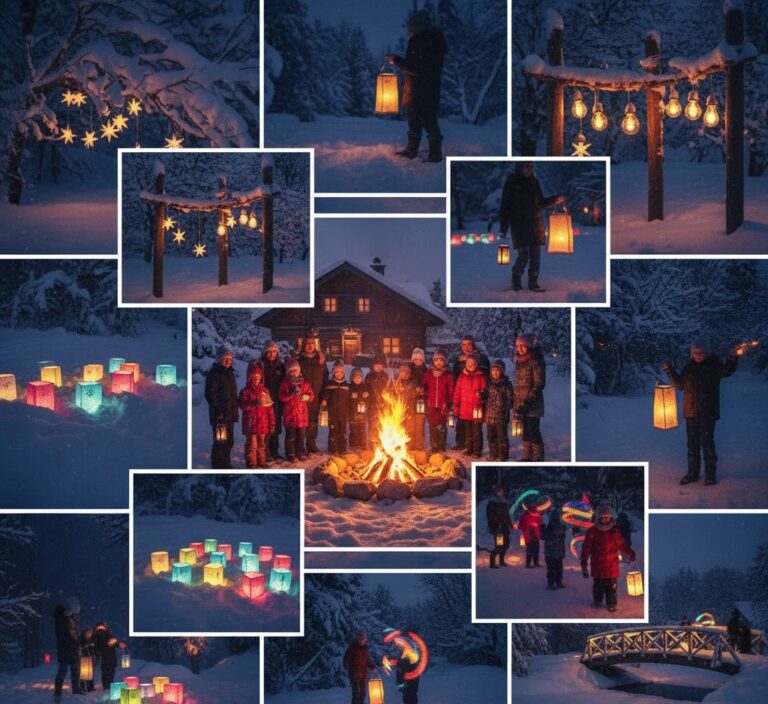
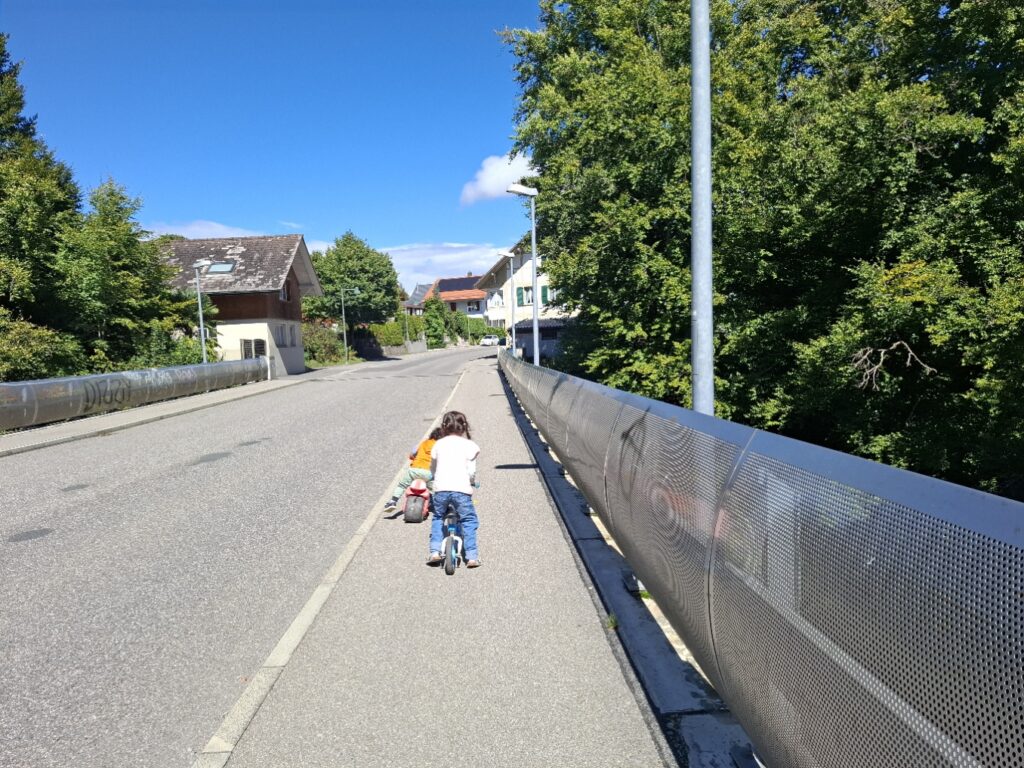
✅ Photo Gallery
✅ Conclusion
Coping with loneliness in Switzerland is not a simple matter of social activity, but a deep psychological journey. Order, silence, and bureaucracy can build a wall against the foreigner. However, by accepting these challenges as structural causes, focusing on your social support network, and taking active steps, you can transform this loneliness into a process of learning and strengthening.
You can inspire other newcomers by sharing your experience in Switzerland in the comments!
❓ FAQ (Frequently Asked Questions)
Question: Does loneliness in Switzerland stem from difficulty socializing or cultural distance?
Answer: Loneliness largely stems from cultural distance and structural silence. Swiss culture prioritizes personal space, which is often perceived as distance by newcomers, naturally restricting social interaction.
Question: How does the uncertainty in residence permit procedures (the Milan example) increase psychological loneliness?
Answer: Uncertainty in residence permit procedures increases the immigrant’s feeling of helplessness and non-belonging to the system. The fact that an individual’s future is entirely dependent on a bureaucratic waiting process deepens psychological isolation.
Question: Does working in a social job like gastronomy prevent loneliness?
Answer: While working in a social job like gastronomy provides daily language practice, it does not prevent deep psychological loneliness. Hierarchy and fast pace in the workplace often cause relationships with colleagues to remain superficial.