Culture Shock in Switzerland: Interesting Habits I First Encountered
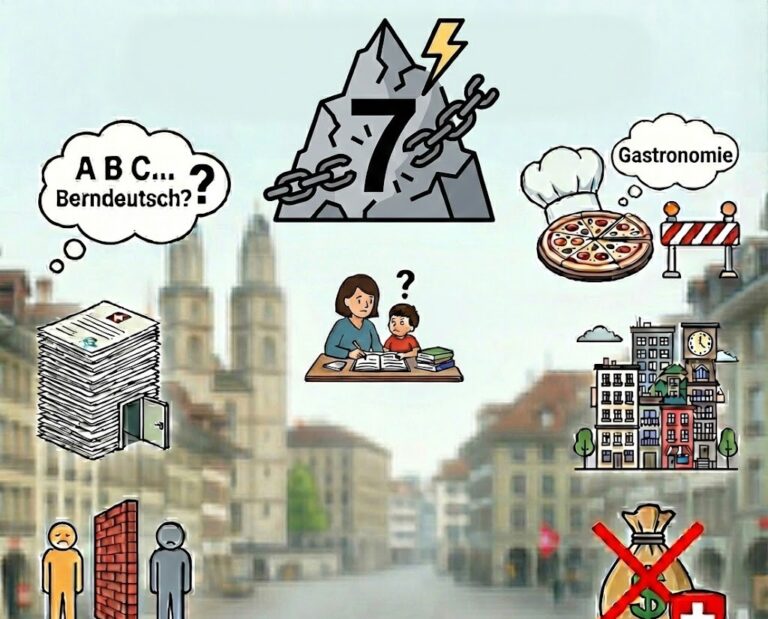
focusAnalysis: The Adaptation Exam Extending from Bern to the Milan Consulate
Dear fellow traveler, from the outside, Switzerland paints a flawless picture of a wealthy, four-language country that functions with the precision of a clock. Settling here means becoming a part of this perfect machine. However, living in Switzerland is not just about high salaries and natural beauty; it also means learning the invisible, unwritten social rules of the established order.
As a chef and pizzaiolo, the most important thing I learned while working in the kitchen is that every recipe has its own discipline. Life in Switzerland was just like such a recipe. When I came to settle in Bern (2015), I expected sharp rules just like in the kitchen. But the unwritten social discipline here was much quieter and stricter than I had anticipated. For someone like me who came through marriage and is building a new life in Bern, this transition process is a source of discovery and sometimes surprise from start to finish. In this section of the article, I describe the habits that triggered the Swiss culture shock, which both challenged me the most and were the most interesting to me upon first encounter, blending them with my completely personal experience.
✅ Surprising Habits and Etiquette Rules
Daily life in Switzerland is full of unwritten rules, especially for a foreigner. The following habits most clearly demonstrate the country’s discipline and social distance:
🔇 Sunday Silence: A Sacred Habit
Sunday may be a day for shopping, repairs, or noisy activities at home for someone coming from the Mediterranean or cultures with more flexible social rules. However, in Switzerland, especially in settlements like Bern, Sunday is an almost sacred day of silence and rest.
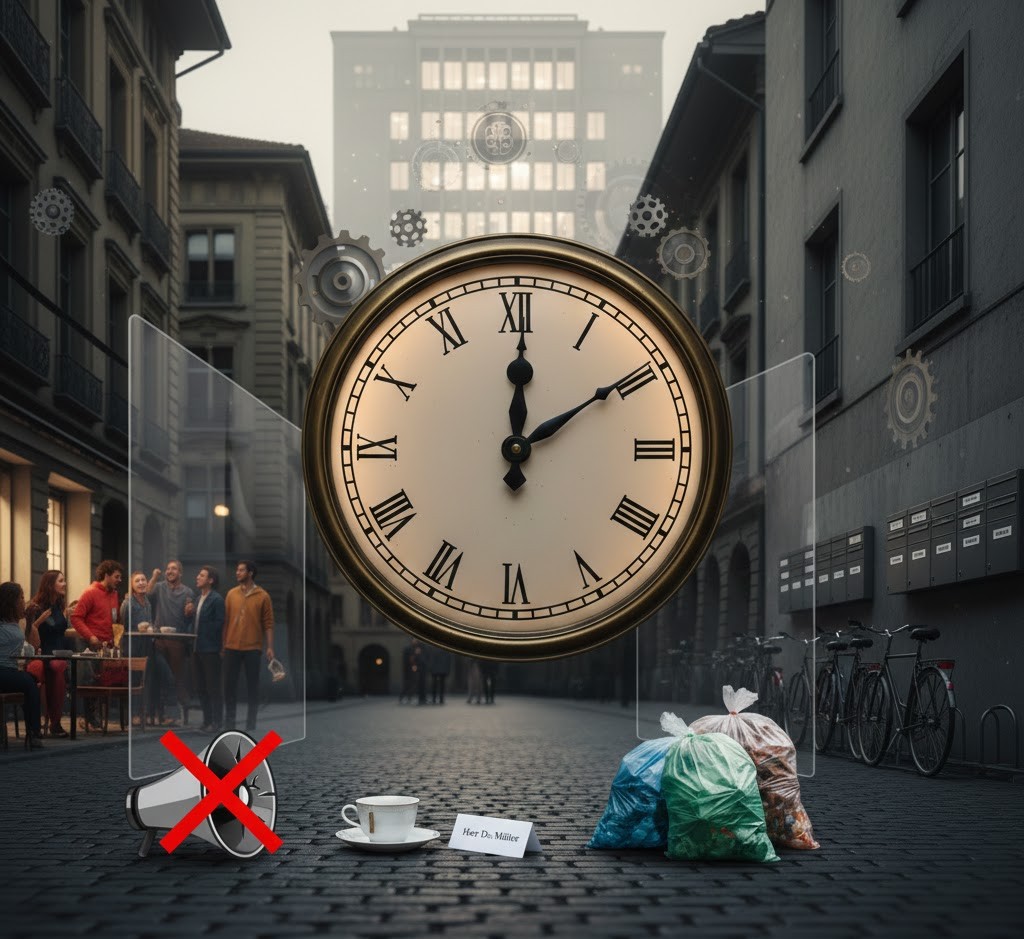
I experienced this rule firsthand when making a loud phone call in the back garden after work at my first job in a restaurant. Although it was only a few minutes past 9:00 PM, I was met with a polite but sharp warning from a neighbor, a reminder of that famous Swiss punctuality culture. Mowing the lawn, running the washing machine, or even listening to loud music can instantly lead to a warning from your neighbors. This strict rule is one of the biggest causes of culture shock in the country; the flexibility found in Mediterranean culture gives way to a social contract here. This demonstrates the understanding of discipline detailed in our article Swiss Rules of Life: Order, Silence, and Adaptation Guide.
👔 Formality and Title Obsession: The Herr and Frau Requirement
When you encounter Swiss people in business relations or official offices, you immediately notice a certain distance between you. This attitude, which initially seems cold and reserved, is actually based on deep respect. Before addressing someone by their first name, you should wait for them to address you by your first name.
This formality obsession deeply permeates daily life and professional life. Especially when corresponding officially or addressing titleholders like doctors or lawyers, using “Herr” (Mr.) or “Frau” (Ms.) together with their title (e.g., Dr.) and surname is more than an etiquette rule—it’s a necessity. Even as a Chef/Pizzaiolo, these etiquette rules are meticulously applied in official documents; this is in stark contrast to the more intimate and direct communication style in Mediterranean culture.
💰 Garbage Disposal System: Paid and Disciplined Waste Management
Disposing of garbage in Switzerland is not just a matter of hygiene, but also financial discipline and environmental awareness. It is one of the most interesting and organized systems you can encounter in a country. I personally witnessed this in Bern.
You must use specific, paid official garbage bags (Sackgebühr) to dispose of your garbage. This is a system that directly passes the cost of disposal onto the producer. But the most surprising thing is how detailed and regulated waste separation (glass, paper, PET) is. Garbage disposed of on the wrong day or in the wrong bag can be instantly reported by a neighbor or the municipality. This is proof of how strong social monitoring is, which should be included in the list of 10 Essential Facts You Need to Know Before Moving to Switzerland.
🗣️ Romansh and Language Diversity: German in Bern, Italian in the Heart
The country’s four official languages (German, French, Italian, and Romansh) are a great source of wealth. However, for someone like me who knows Italian but is geographically forced to live in a German-speaking region like Bern, the adaptation process was complicated.
This situation allowed me to understand the pluralistic structure of the country: The language rule of the Canton is strict, but the fact that Romansh is still valued and protected despite being a minority language demonstrates the importance the country places on cultural diversity. These multi-lingual difficulties, although they may seem like a big obstacle at first, are the key to understanding the cantonal authority detailed in our article The 26 Swiss Cantons: Guide to Administration, Population, and Languages.
💡 The Psychological Burden of Punctuality and Time Management
Punctuality is the backbone of Swiss culture, and it turns into the biggest psychological burden for a foreigner. As a Chef, being punctual is a necessity in the kitchen, but carrying this discipline into all of daily life is exhausting. As comforting as it is that trains and buses depart and arrive exactly on time, the fear of being even a minute late for appointments, meetings, or social gatherings is equally stressful. This constant time pressure removes the ease of socializing.
✅ What I Learned During This Process (10 Life Lessons)
The 10 important lessons I derived from these cultural shocks will help you decipher the unwritten rules of Switzerland:
- 9:00 PM Is Sacred: After 9:00 PM, especially on Sundays, avoid speaking loudly or doing noisy work, even indoors.
- Address with Titles: Always address people you don’t know or those in official positions with Herr/Frau and their surname. This is the first rule of respect.
- Your Garbage Bag Is Paid For: Always use official, paid bags belonging to your canton to dispose of your garbage; otherwise, a fine is inevitable.
- Waste Separation Is Mandatory: Meticulously separate glass, PET, paper, and metal, and put them out on the correct days.
- Don’t Take Reporting Personally: Your neighbor’s warning is not hostility, but a reminder of the rule. Keep your reaction professional.
- Punctuality Means +5 Minutes: Make it a habit to arrive at least 5 minutes before every appointment, train, or meeting.
- Contracts are in German: Do not sign official documents, especially rental and health insurance contracts, in a language you don’t understand; get a translator or local support.
- Social Distance is High: Avoid asking deep personal questions during initial meetings; Swiss people value their privacy.
- Cantonal Rules Take Precedence: Learn the local rules of your canton (Bern) before the federal laws.
- Connect with Local Cuisine: Build an emotional connection with the culture by trying local delicacies like fondue or raclette in your kitchen.
✅ Conclusion
Experiencing culture shock in Switzerland is an inevitable part of adapting to a new life. The initial surprise created by etiquette rules, silence, and formality actually reflects the country’s philosophy of order and security. The discipline I acquired as a Chef/Pizzaiolo in the kitchen facilitated my acceptance of these rules.
Understanding these habits is the first step toward breaking down the invisible walls.
You can inspire other newcomers by sharing your experience in Switzerland in the comments!
❓ FAQ (Frequently Asked Questions)
Question: Are the residents of Switzerland truly cold?
Answer: Swiss people may seem distant at first glance. This stems from the value they place on personal privacy and formality. It is a professional and formal attitude rather than coldness. Sincere relationships can be established once trust is built.
Question: How long does the cultural adjustment process take in Switzerland?
Answer: Although the adjustment process varies from person to person, learning the basic etiquette rules and social order can take 6 months to 1 year. Learning the language (especially dialects like Berndeutsch in Bern) can extend this period.
Question: What is the penalty for violating garbage disposal rules?
Answer: The penalty for violating garbage disposal rules (wrong bags or separation violations) is typically high fines (usually ranging from 100 to 300 CHF). This demonstrates the value the country places on environmental and order discipline.