10 Essential Facts You Need to Know Before Moving to Switzerland
focusAnaliz: Linguistic Complexity, Cost of Living, and Non-EU Neutrality
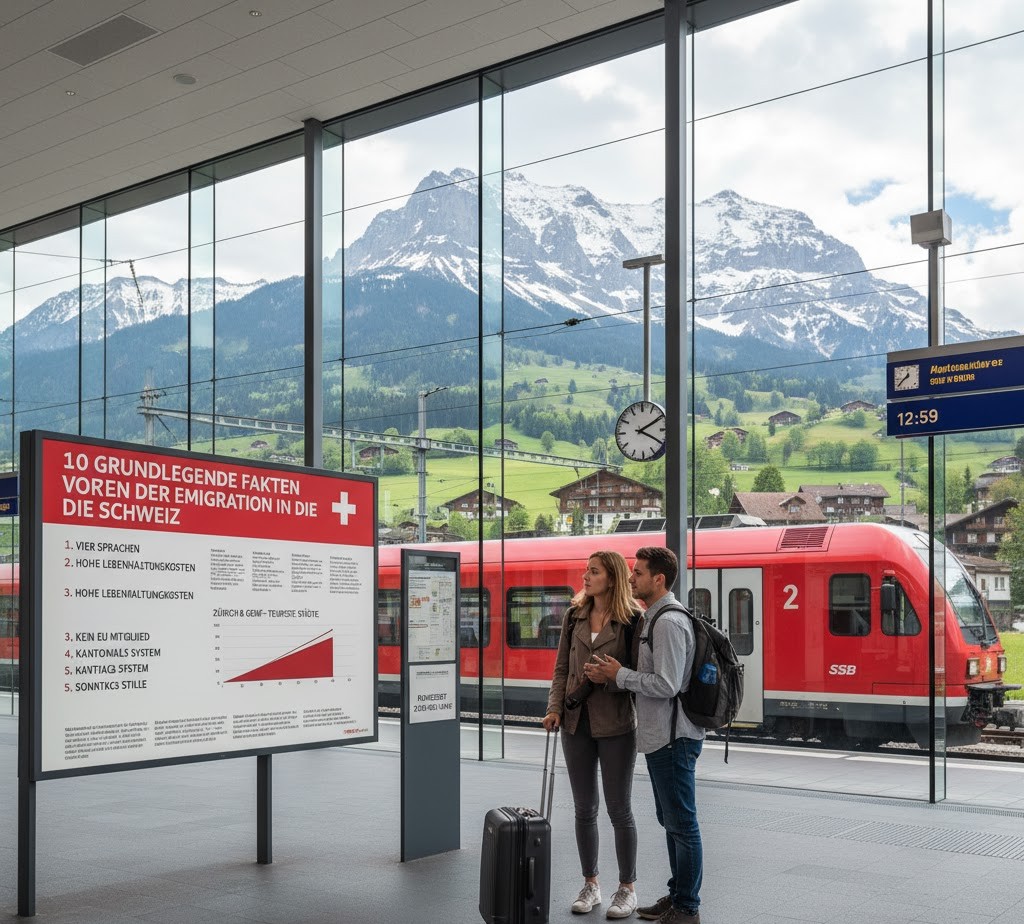
The essential facts you need to know before moving to Switzerland are not limited to salaries and natural beauty. This is a high-skilled country with its own strict set of rules, defined by four official languages, complex cantonal systems, and a firm commitment to non-membership in the European Union (EU). The high quality of life this seemingly perfect country offers comes with a price and social rules that require adaptation.
In my personal observation, the biggest shock immigrants face is not high costs but the routine social life and the silence of Sundays. The spontaneity and flexibility common in other cultures are replaced here by rigid official procedures and absolute rules. It should be noted that Swiss citizens and long-term residents have successfully managed this situation and overcome the monotony by adapting to the country’s system over time. This article will discuss these 10 vital facts from an immigrant’s perspective.
1. Four Official Languages and the Swiss German Shock
Switzerland has four official languages: German, French, Italian, and Romansh. However, 65% of the population speaks Swiss German (Schwiizerdütsch), a dialect significantly different from Standard German.
- The Core Fact: Even if you find a job in the German-speaking region, you will struggle to understand the local dialect. Knowing the language of your area is the most crucial prerequisite for fitting into daily and professional life.
- Strategy: Start language courses before moving and develop an ear for the local dialect.
2. The Rule of High Salary, High Cost of Living
Although Switzerland offers some of the highest average salaries globally, these salaries are balanced by the country’s cost of living. Metropolises like Zurich and Geneva consistently rank high on the list of the world’s most expensive cities.
- The Core Fact: Non-EU membership can make visa and residency processes more bureaucratic, particularly for non-EU/EFTA citizens, who are subject to quota and permit procedures. For more information on immigration regulations, consult the official SEM website.
- Strategy: Follow all official procedures diligently and adapt to Switzerland’s specific immigration rules.
3. Not an EU Member, but in the Schengen Area
Switzerland maintains a policy of neutrality in international relations and is not a member of the European Union (EU). It uses its own currency (Swiss Franc, CHF).
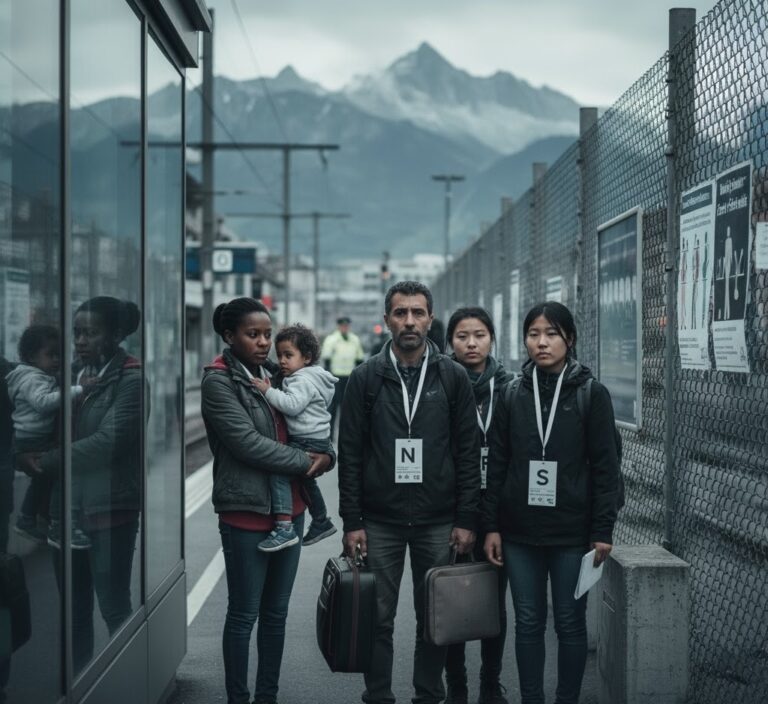
- The Core Fact: Non-EU membership can make visa and residency processes more bureaucratic, particularly for non-EU/EFTA citizens, who are subject to quota and permit procedures.
- Strategy: Follow all official procedures diligently and adapt to Switzerland’s specific immigration rules.
4. The Cantonal System and 26 Different Rules
Switzerland is a federal state consisting of 26 cantons. Tax rates, school systems, and even some social rules vary between cantons.
- The Core Fact: A rule valid in one canton may differ in another. Residency permit and naturalization applications may even be contingent on living within the same municipal (Gemeinde) boundaries for 5 to 10 years.
- Strategy: Research the tax burden, rent level, and local rules of the canton you plan to move to before relocating.
5. Sunday is Sacred: Everything is Closed
In Switzerland, most places, including supermarkets, shops, and banks, are closed on Sundays. This day is reserved for rest, family, and outdoor excursions.
- The Core Fact: The flexibility to shop or handle banking on a Sunday does not exist. You must complete your shopping on Saturday.
- Strategy: Learn to spend Sundays hiking in the Alps or relaxing by the lake.
6. Finding Housing is Difficult and Expensive
Finding rental housing in major cities is highly competitive, and moving costs are high. Furthermore, strict rules exist regarding the final handover cleaning (Abnahmereinigung); you may clean the apartment yourself, but the result must be flawless, equivalent to a professional job.
- The Core Fact: The mindset of quickly finding a place and moving later does not work. Your initial residence can be important for your permit and naturalization process.
- Strategy: Include moving and cleaning costs in your budget.
7. The Labour Market Prefers Skilled Immigrants
While the main reasons for migration are job-seeking (30%) and family reunification (30%), the Swiss labour market focuses on qualified and skilled workers, particularly men aged 30–60.
- The Core Fact: A vocational or academic education diploma increases your chances in the job market by up to 90%. Looking for a job after arriving unemployed is not a recommended strategy.
- Strategy: Complete the job search process before moving to the country and check the equivalence of your diploma in Switzerland.
8. Public Transport is a Way of Life: Taktfahrplan and Network Density
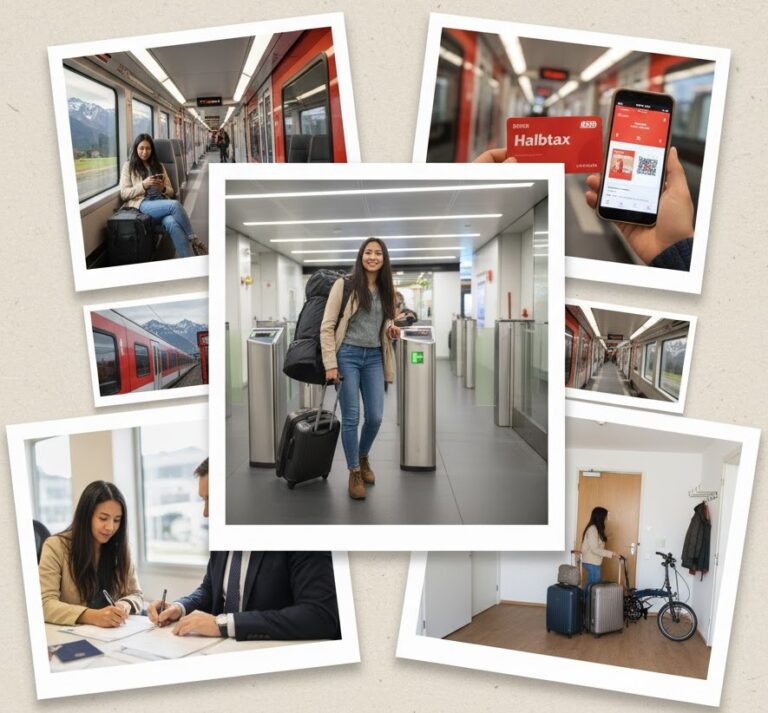
Switzerland possesses one of the world’s most advanced public transport networks, and the system is part of life itself. Even small villages and towns are integrated into the railway system via train, bus, or PostBus.
- The Core Fact: Swiss railways (SBB/CFF/FFS) operate on a strict Taktfahrplan (Cyclical Timetable). This means all train and bus connections are perfectly synchronized nationwide. This high integration largely eliminates the need to drive a car.
- Strategy: Adapt early to subscription models like the Half-Fare Card or the General Abonnement (GA) Card. These cards are key to managing public transport costs and exploring the country.
9. Official Procedures and Bureaucratic Speed
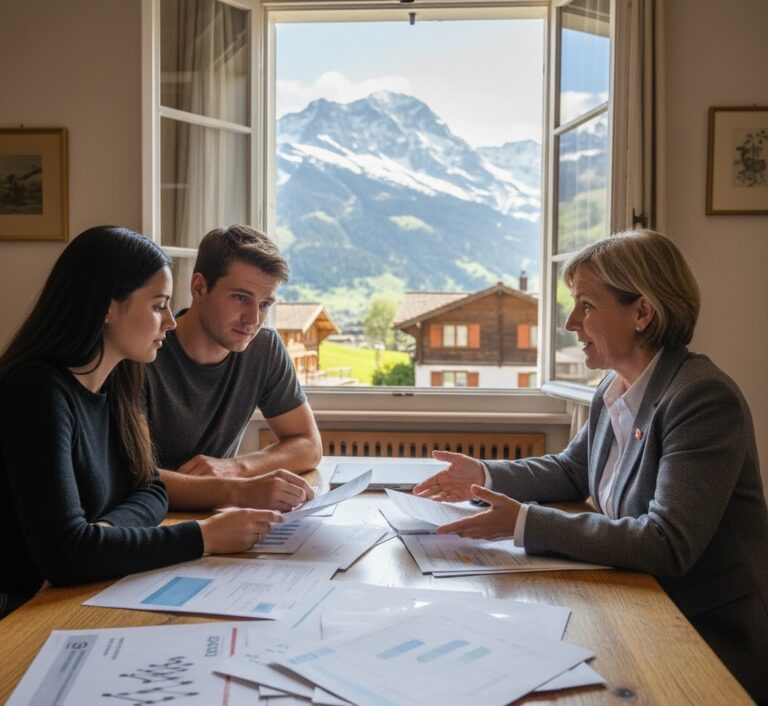
Although Swiss bureaucracy is highly organized, processes can be slow. Everything has an official procedure and a waiting period.
- The Core Fact: Rushing things like residency permits, driving license exchanges, or school registrations at the last minute leads to problems.
- Strategy: Prepare the necessary documents early and be patient; a neat and complete file always yields fast results.
10. Neighbour Rules and Quiet Hours
Strict noise rules exist, especially for apartment dwellers. It is forbidden to run washing machines, play loud music, or make noise after 10:00 PM.
- The Core Fact: Your neighbours will not hesitate to warn you or notify authorities about rule violations. Respect for shared living spaces is a fundamental social rule here.
- Strategy: Try to establish good relationships with your neighbours and strictly adhere to quiet hours (especially 12:00 PM–1:00 PM lunch break and after 10:00 PM).