⚙️ Cantonal Vehicle Inspection (MFK) Process in Switzerland
✅ focusAnaliz: The MFK Process: Bureaucratic Balance and Cantonal Differences
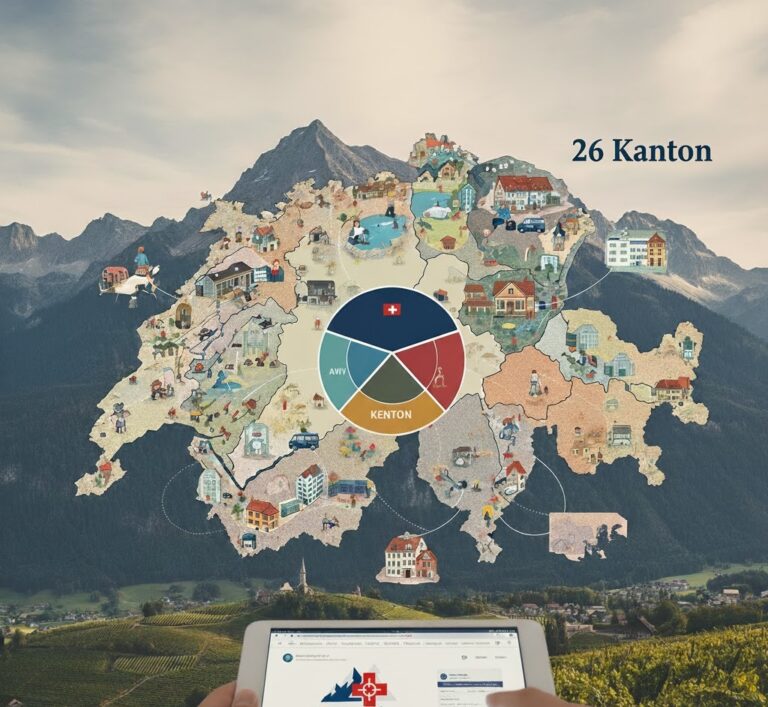
Life in Switzerland demands a balance built upon fixed rules. The Motorfahrzeugkontrolle (MFK), the mandatory vehicle inspection, is a regular part of this orderly existence. As a resident of Bern, I know that punctuality and adherence to rules permeate every area of life. The MFK is a concrete example: while basic standards are fixed at the federal level (like the rules set by the government in Bern), the logistics of scheduling appointments, managing facilities, and processing the inspection are left to the autonomous management of the 26 cantonal Road Traffic Offices (Strassenverkehrsämter, SVA).
This dual structure creates certain administrative difficulties for those of us trying to comply legally. The feeling of uncertainty and administrative slowness that legal immigrants face during permit renewal processes can also manifest during MFK appointment tracking. If you are importing a vehicle or making a major modification (tuning) to your car, you must comply not only with technical competence but also with the administrative procedures of 26 different cantons. The MFK is less stressful than it is a crucial process demonstrating the administrative power of the cantons and the expectation of citizen compliance. In this article, I will explain why this mandatory inspection is not just a technical check but a significant compliance test that reflects the cantons’ administrative power.
✅ MFK: Fundamentals and Inspection Cycles
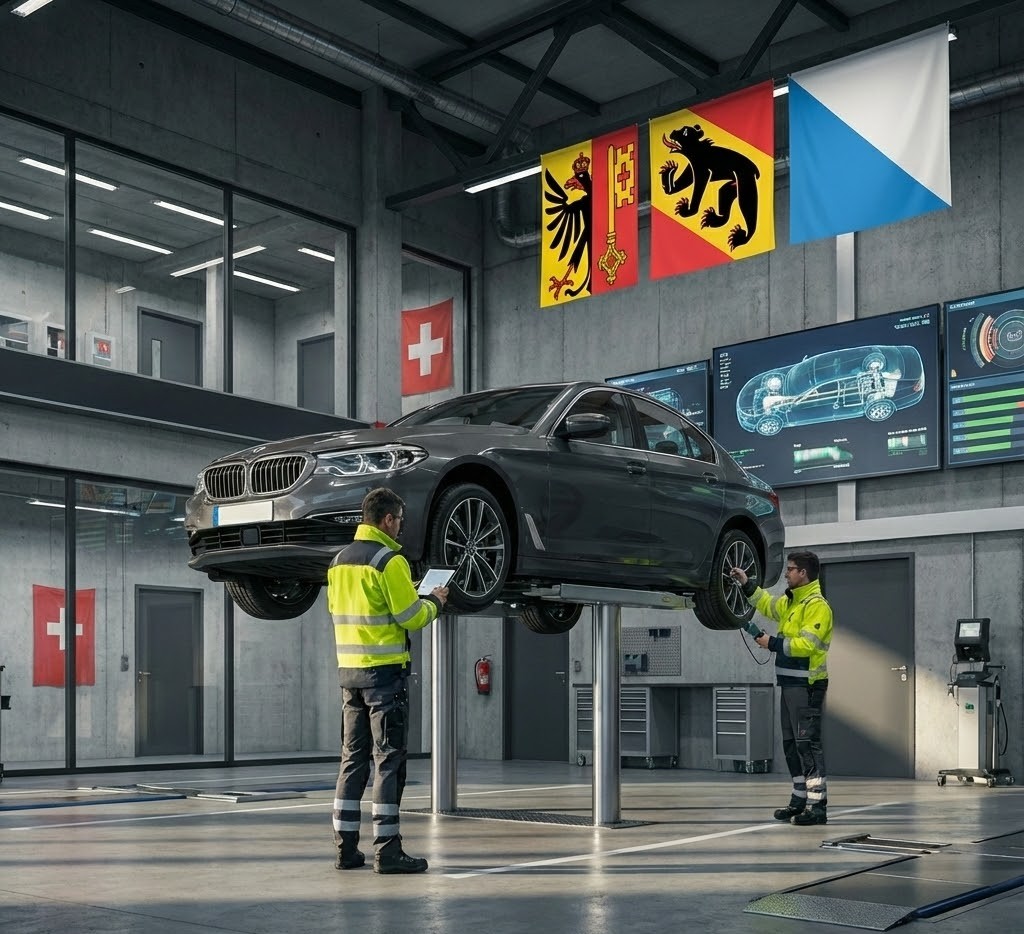
The MFK is a mandatory process where you must prove that your vehicle is safe on the road (brakes, chassis, steering) and environmentally compliant (emissions, CO2). It is a dual obligation owed to the state, rather than just a simple safety check.
🎯 Main Definition:
The Motorfahrzeugkontrolle (MFK) is the technical inspection process in Switzerland, mandated by the Road Traffic Act (SVG), which ensures a vehicle’s road safety and environmental compliance (emissions), with federal requirements implemented at the cantonal level.
✅ Standard MFK Cycle and Unexpected Triggers
For a standard passenger car, the inspection cycle generally follows the 5-3-2 rule: 5 years after initial registration, then 3 years later, and every 2 years thereafter.
However, certain events can trigger the MFK outside of the routine cycle, which often cause the most headaches:
- Vehicle Import: Registering a new or used imported vehicle for the first time in Switzerland.
- Cantonal Change: When you move from Bern to Zurich and need to get new license plates.
- Major Technical Modifications: Changing the engine, brakes, suspension, or wheel/tire combinations. (The riskiest area for tuning enthusiasts!)
✅ The Cantons’ Power Play: Differences Between SVAs
Federal law dictates ‘what must be checked,’ but the 26 Cantonal Road Traffic Offices (SVA) manage the ‘when and how you get an appointment’ part. This results in significant differences in waiting times, digitalization, and communication methods.
✅ Digital Maturity and Appointment Management Comparison
Even if we aren’t fleet managers, the difficulties in booking appointments affect us all.
- Canton of Zurich (ZH): This canton has digitized the process. Thanks to online applications and appointment systems, voluntary checks or the registration of technical changes can be managed relatively quickly. Digitalization is a way to handle high-volume demand in larger cantons.
- Canton of Schwyz (SZ): This relies on a more traditional logistics model. Appointments are typically made by phone or in person. This approach requires manual coordination and does not offer the instant flexibility found in Zurich.
- Canton of Schaffhausen (SH): Communication may be centralized through a general information desk at the Government Building, which can potentially slow down access to specialized vehicle personnel.
These cantonal differences create a distinct Administrative Inequality in MFK logistics. A task easily handled in one canton might unnecessarily wear you out in another.
✅ Imported Vehicles and Hidden Costs: Customs and Emissions
Vehicle importation is the MFK’s most complex trigger. This is where the wall of bureaucracy is thickest. You must arrive with the correct documentation to succeed.
✅ The Mandatory Gate for Registration: The Customs Document
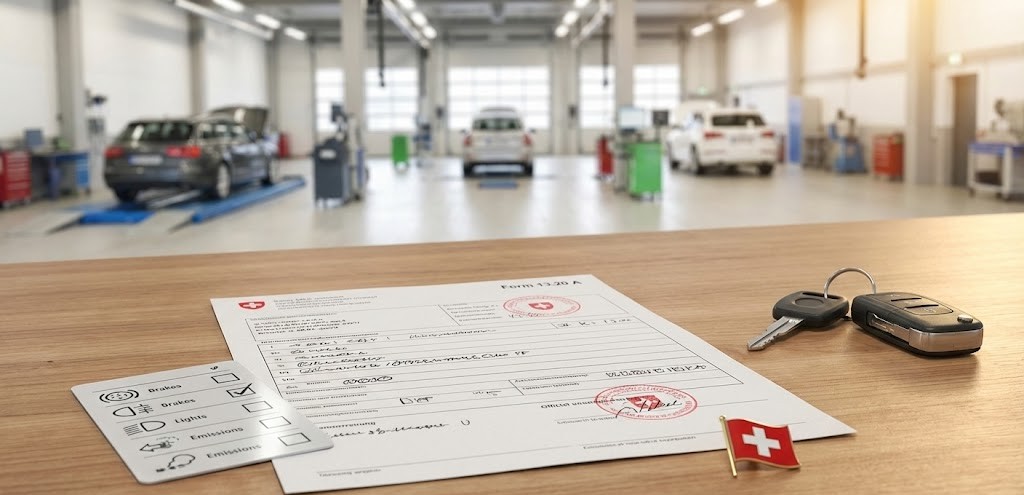
The most crucial document you must present to the Cantonal SVA to begin the MFK process is the Prüfungsbericht vom Zollamt Form. 13.20 A (Customs Office Inspection Report Form. 13.20 A) with the official customs stamp. If this document is missing, the SVA will refuse to even discuss vehicle registration. This is the undisputed legal gateway to starting the process.
✅ Emissions and CO2: The Requirement to Verify the Past
Be very careful with used imported vehicles (Occasionsfahrzeuge):
- Retroactive Compliance: Your vehicle must meet the Euro standard (e.g., Euro 6) that was in effect in Switzerland at the time it was first registered abroad. Explicitly writing this detail into the sales contract can reduce the risk of technical failure at the MFK.
- CO2 Penalties (Sanktion): Newly imported vehicles that exceed the federal CO2 target (currently emissions above 130 g/km) face severe financial sanctions. The MFK validates the vehicle’s CO2 data, triggering this penalty, which can unexpectedly increase the Total Cost of Ownership (TCO) of the import. You can calculate these costs in advance by learning more about Swiss Tax System Cantonal Difference Guide: Structure, Types, and Tax Load Advantages.
In my view, such unexpected penalties and bureaucratic obstacles pose a risk of financially cornering people who are legally trying to do things properly. At this point, the MFK functions not just as a technical check but also as a hidden tax assessment point.
✅ Modifications and the Need for Specialist Expertise
If you have made a major technical change (engine, brakes, suspension) to your vehicle, you must schedule a special technical inspection appointment.
✅ Obligation to Correctly Document the Modification
For the modification to be accepted by the MFK, you must have a document proving the technical suitability of the change you made. This is typically provided by Conformity Approval Reports (Prüfbericht) prepared by recognized testing institutions (DTC, FAKT). The SVA examines this report and then verifies during the physical inspection only that the modification has been implemented correctly. Remember that any major change you make to your vehicle can open the door to legal proceedings. You can minimize these risks by reading our article Car Buying Switzerland: Costs, Leasing Traps, and Taxes Compared.
✅ SVA Outsourcing Expertise to the Private Sector
Instead of the SVAs being masters of every detail, there is a trend in some cantons (like Zurich) to delegate the initial technical assessment to approved experts (e.g., Classic Car garages or tuning specialists). This speeds up the process for those who can present a technical report.
✅ MFK Tracking During Cantonal Change
When you move from Bern and re-register your vehicle in another canton, the new SVA takes over your MFK schedule.
- Data Integration Issues: Although the validity of your previous MFK is generally transferred, if the records from the old canton are transferred incompletely or late to the new SVA, the system may miscalculate your next inspection date. This can lead to an unexpected, early inspection invitation, causing significant inefficiency in your fleet or personal planning. You can better understand these administrative processes by looking at our article Swiss Residence Permits (B, C, L): Which One is Right for You?.
✅ Strategic Recommendations and Conclusion
Managing MFK compliance is a dual challenge that requires strategically accounting for the administrative autonomy of the 26 cantons while strictly adhering to federal technical standards.
✅ Golden Rules for Import and Inspection
- Due Diligence is Vital: Before starting the vehicle import, ensure that the essential regulatory documents, especially the customs-stamped Form. 13.20 A and the type approval certificate, are secured.
- Anticipate Costs: For new vehicle imports, include potential CO2 financial sanctions in the Total Cost of Ownership (TCO) comparison.
- Use Independent Testing: For used vehicle imports, reduce the risk of MFK failure by using independent diagnostic services (like the TCS Occasions-Test) to detect possible technical deficiencies beforehand.
✅ Future Outlook
The MFK process is expected to evolve in the coming years with increasing financial penalties due to tightening CO2 targets and widespread digital integration in appointment management (as seen in the Zurich SVA example), which will significantly improve logistical planning in cantons that currently rely on traditional systems.
❓ Frequently Asked Questions (FAQ)
❓ Question: What should I pay attention to when preparing for the MFK inspection?
✅ Answer: The MFK focuses especially on brakes, tires, lighting, and the emission system. Compliance with simple rules speeds up the process. For example, it is important that the vehicle is clean and easily accessible, that all lights are working, and that you arrive exactly on time for the inspection, adhering to Swiss Rules of Life: Order, Silence, and Adaptation Guide.
❓ Question: When budgeting for MFK repair costs, how should I consider the cost of living in my canton?
✅ Answer: Repair costs arising from the MFK are an unexpected burden, especially for the low-wage (Working Poor) segment. When budgeting these costs, you must first consider the fixed expenses (rent, insurance) in your own canton. If you live in Bern, you can refer to the Cost of Living in Bern article, and if you live in Zurich, the Zurich Cost of Living: The Heart of Global Finance and Quality of Life Center article, to calculate the real impact of this potential additional expense on your monthly budget.
❓ Question: What happens if I fail the MFK?
✅ Answer: For minor defects, you will be asked to make repairs and submit a form proving the defects have been fixed within a certain period. However, if there are serious defects (like brake failure), the vehicle may be deregistered, and you will have to bring the car back for MFK after repair.
✅ Alternatives
If you prefer not to manage the MFK process yourself, there are two common alternatives:
- Authorized Garages: Many authorized vehicle garages offer to prepare your vehicle for the MFK and manage the inspection process on your behalf.
- TCS (Touring Club Schweiz): The TCS offers pre-MFK checks (Occasions-Test) to help you identify possible defects in your vehicle beforehand.
✅ Recommendations / Tips
- Early Appointment: Especially in cantons with traditional SVAs, try to book the appointment the moment you receive the invitation. Waiting times can take months.
- Cleanliness and Documents: Clean your vehicle before taking it for inspection and have all technical documents (TCS report, modification approvals) ready.
- Empathy for the Unskilled Sector: MFK fees and possible repair costs create significant cost stress for the Working Poor segment. When budgeting these expenses, remember to consider the other mandatory fixed expenses (rent, insurance) in your annual financial planning.
✅ Conclusion
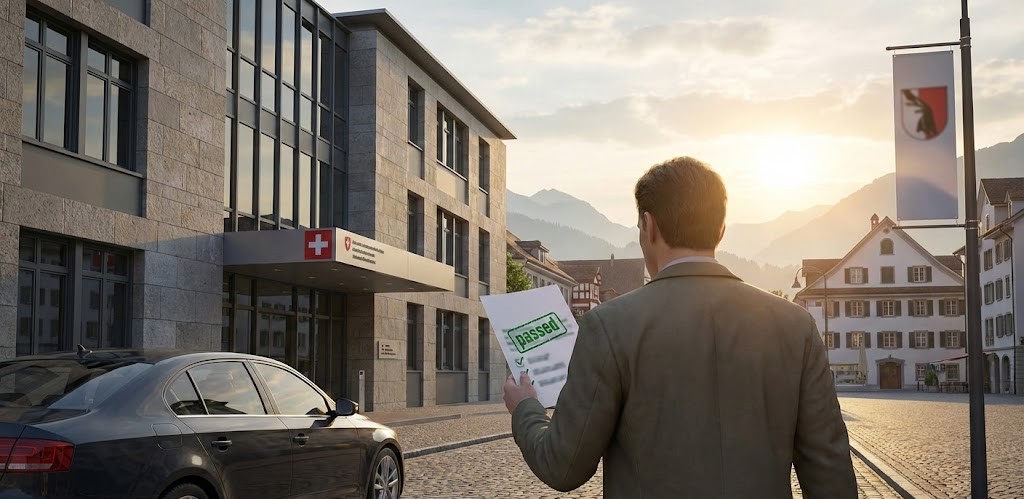
The MFK in Switzerland is not just a technical check, but a process that reflects the administrative structure of the cantons and the culture of rule compliance. Attention to detail at every stage, from customs documents to CO2 penalties, determines the success of the process. This article aims to simplify the complex aspects of the MFK, helping you minimize the risk of stolen time and unexpected costs.