Switzerland’s Secret: The 1291 Founding Legend, Rütli Oath, and the Legacy of Historical Beauty
✅ 1) Introduction
Switzerland stands out not only for the grandeur of the Alps or the flawlessness of its banking but also for its historical beauty and deeply rooted legends. Although this country is perceived as formal and official when viewed from the outside, both its vibrant modern life and its historical beauties truly impress me. In my opinion, the beautiful legends of every nation have always interested me. This is the most fundamental legend of Switzerland.
focusAnaliz: The Rütli Oath: Brotherhood Born of Necessity and the Will to Unite
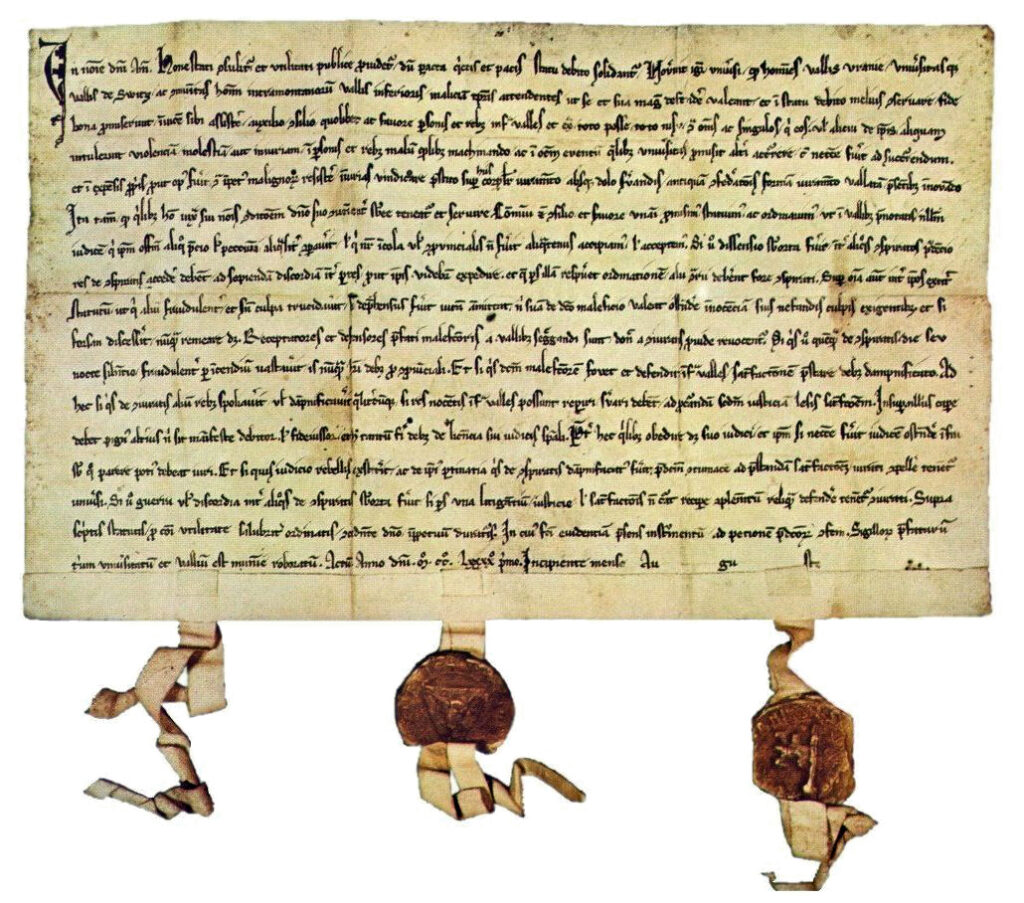
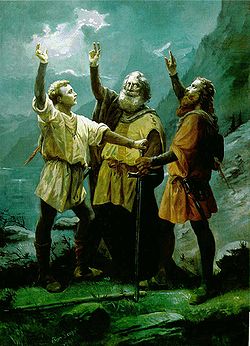
The traditionally accepted birth date of the Swiss Confederation is 1291. This date is embodied by the Federal Charter (Bundesbrief), an alliance sworn on the Rütli Meadow by the cantons of Schwyz, Uri, and Unterwalden to unite against foreign rulers (the Habsburg Dynasty).
In my personal opinion, the fact that a country has established its system so magnificently relies not only on laws but also on this fundamental will to unite voluntarily. This is the oldest proof of the “will to coexist” that you admire in the article Direct Democracy: Why and How the Swiss People Vote on Everything.
✅ 2) Quick Summary Table
Heading | Brief Information |
|---|---|
Event | The Eternal Alliance of the Three Founding Cantons (Bundesbrief) |
Year | 1291 (Traditional Acceptance) |
Location | Rütli Meadow, Lake Lucerne (Vierwaldstättersee) |
Core Purpose | Self-defense against the Habsburg Dynasty |
✅ 3) Basic Information: The Legal Basis of the Federal Charter
Definition: The Federal Charter is a defense treaty in which Uri, Schwyz, and Unterwalden swore to assist each other against external threats. This is not a constitution in the modern sense, but a military pact and an agreement to accept a common legal system.
- Historical Significance: The 1291 treaty forms the root of the Swiss philosophy of cantonal autonomy and a strong federal structure. This is the beginning of the idea of a republic founded from the bottom up, rather than a centralized monarchy.
- Essence of the Treaty: The most important clauses of the alliance dictate that the cantons remain independent in their internal affairs but will act together against external threats and establish a joint judicial system.
✅ 4) Detailed Guide: The Legend of William Tell and the Role of Propaganda
4.1 Governor Gessler’s Hat and the Symbol of Oppression
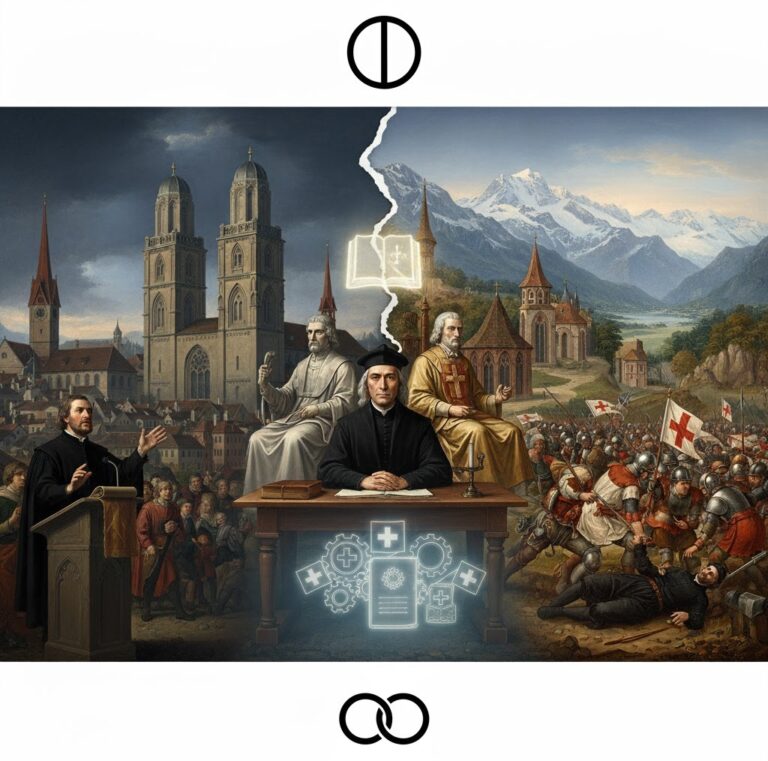
Founding legends are the cement of national identity. The legend of William Tell is, in my opinion, the most powerful myth feeding the will of the Swiss people to unite in the face of political hardship.
- Declaration of Tyranny: The most poignant part of the legend is this: The tyrannical Austrian Governor Gessler erects a pole in Altdorf square and hangs his hat on it. His command: Every resident of the town must bow in respect when passing by this hat.
- Tell’s Disobedience: The hero Tell refuses to bow to this hat, and consequently, to Gessler’s authority. This refusal is not merely simple disobedience but the symbol of the will of the people to defend their sovereignty against the imposition of a foreign power.
- The Execution of the Sentence: Tell is arrested for this disrespect, and his punishment is to shoot an apple off his son’s head with a crossbow. The legend continues with Tell eventually slaying Gessler, ending the tyranny.
4.2 The Rütli Oath and the Concept of Willensnation (Nation of Will)
Rütli Meadow is a symbolic location on the shores of Lake Lucerne where representatives of the cantons met. The oath taken here in 1291 is the beginning of the concept of “Brotherhood Born of Necessity.”
- Willensnation: Switzerland is not based on a common language, religion, or ethnic origin. Its unity rests on the will of the people to live together (Willensnation). The foundation of this concept lies in the voluntary alliance of 1291.
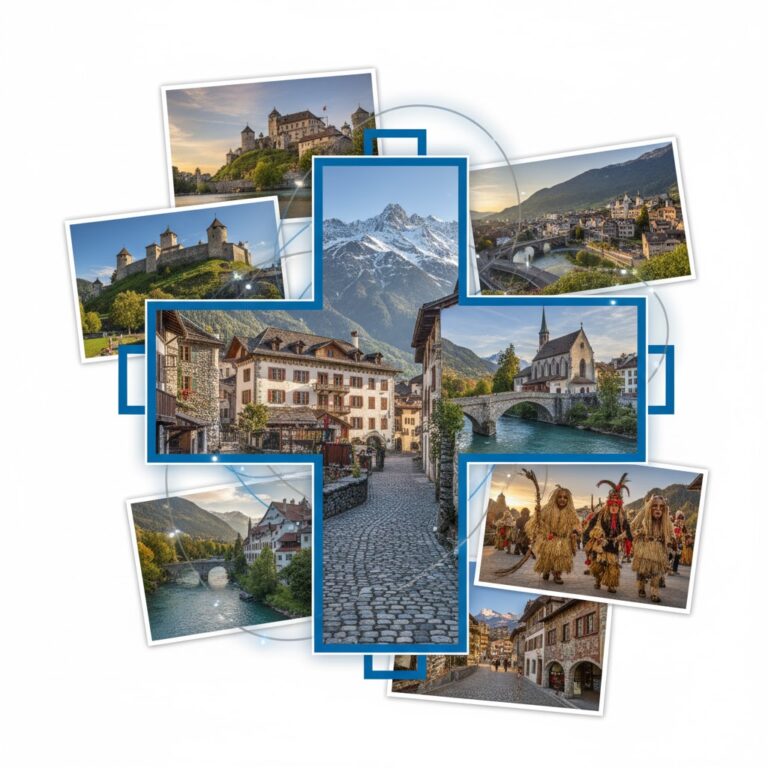
- Architectural Context: As seen in our article SWISS HISTORICAL ARCHITECTURE: FROM THE MIDDLE AGES TO THE MODERN ERA, the country’s historical fabric and castles also originated from this early defense need.
- Historical Beginning: 1291 was the last, clear, and written step taken against the most critical external threat during the rise of the Austro-Hungarian Empire (Habsburg). Although there were older local pacts, this treaty was symbolized as the official beginning of the Confederation. This is the legal starting point of Swiss history.
✅ 5) Experience / Advice: Visiting the Birthplace of the Confederation
The best way to understand the emotional power of the founding legend is to visit the historical sites firsthand.
- Rütli Meadow: This meadow on the shore of Lake Lucerne is today a national monument and a public park. Visiting there is, in my opinion, feeling the political determination of Switzerland, which was born from simplicity and nature.
- Tell Chapel: Chapels built in memory of William Tell (e.g., in Küssnacht) demonstrate the legend’s lasting vitality among the public.
✅ 6) Step-by-Step Guide: Reading the Messages of the Legend
The steps to follow when reading historical myths ensure that the legend’s impact on the present day is understood:
- Define the Myth’s Purpose: The purpose of the 1291 text was not to found a state, but to protect existing rights.
- Separate Fiction from Fact: Read the William Tell story not as a historical event, but as a moral manifesto.
- Extract the Willensnation Message: The message of the legend is not a common language or ethnic origin, but the will to act together against tyranny.
✅ 7) Chronology and Identity Chart
Item | Transformation (Cost of Identity) | Period |
|---|---|---|
Cost of the Oath | Continuous Military Preparedness and Defense Obligation | From 1291 to the 1848 Federal Constitution |
Humanitarian Cost | Blood Spilled for Foreign Countries in Wars | 15th – 18th Centuries (Mercenary Tradition) |
Social Discipline | Cantons’ Compromise on Legal System | Centuries of diplomacy and negotiation |
National Identity Construction | Preservation of William Tell and Rütli Myths | Ongoing process to the present day (August 1st National Day) |
✅ 8) Frequently Asked Questions (FAQ)
Q: Was William Tell a real person?
Answer: According to the vast majority of historians, William Tell is not a real historical figure. His story is a founding myth derived from similar motifs (especially the apple-shooting test) in Scandinavian and German folk tales.
Q: Where is the Federal Charter (Bundesbrief) preserved?
Answer: The original Federal Charter of 1291 is vitally important for Switzerland’s historical memory and is exhibited in the Bundesbrief Museum in the town of Schwyz. The official text of the treaty can be accessed via the [Swiss Federal Archives](/bundesbrief-archives-link).
Q: Why is 1291 accepted as the founding date? Were there no older alliances?
Answer: 1291 was the last, clear, and written step taken against the most critical external threat during the rise of the Austro-Hungarian Empire (Habsburg). Although there were older local pacts, this treaty was symbolized as the official beginning of the Confederation.
✅ 9) Alternative Historical Interpretations
The historical narrative is always open to criticism. Two main alternative interpretations of the founding legend are:
- Historical Continuity: Some historians argue that the 1291 treaty was not a new beginning but a renewal of already existing friendship and military assistance treaties.
- Propaganda Tool: The William Tell legend was extensively used in the 19th century as a national propaganda tool to position Switzerland as a democratic and free republic against European monarchies.
✅ 10) Advice / Tips and Conclusion
- Rütli Visit: Attending the official celebration and visits to Rütli Meadow on August 1st National Day is a unique opportunity to witness the public’s devotion to the legend firsthand.
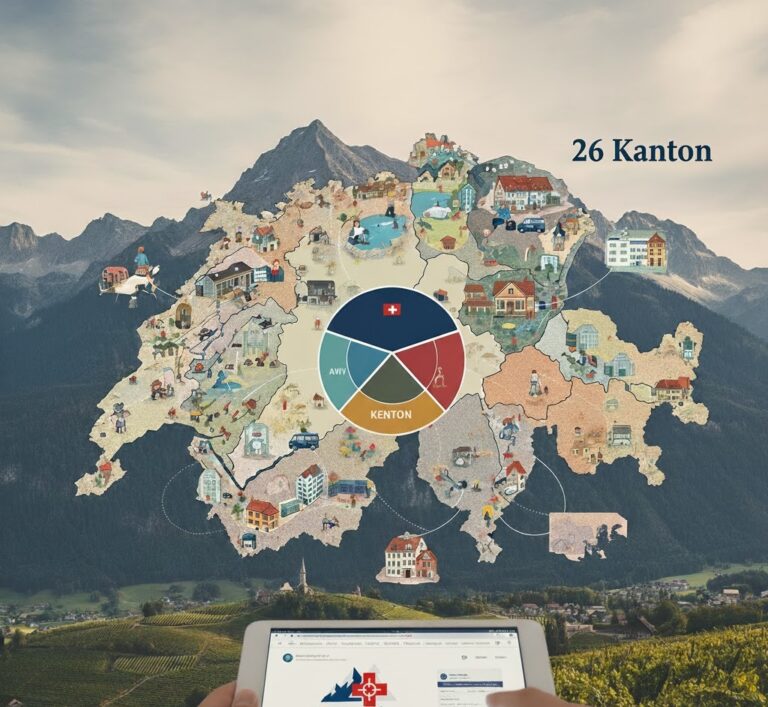
- Federalism Connection: To understand the sensitivity of Swiss cantons regarding autonomy, I recommend reading the article Switzerland’s 26 Cantons: Guide To Administration, Population, And Languages.
✅ 11) Conclusion
The 1291 Founding Legend and the William Tell story prove that Switzerland is not just about mountains; rather, it demonstrates that the country created a global model with the brotherhood born of necessity and the ongoing will that continues to this day. These historical texts and myths explain why the country stands together as a “Nation of Will,” despite having different languages and cultures.