Reformation and Religious Division: Zwingli, Calvin, and the Birth of Modern Switzerland
✅ Introduction
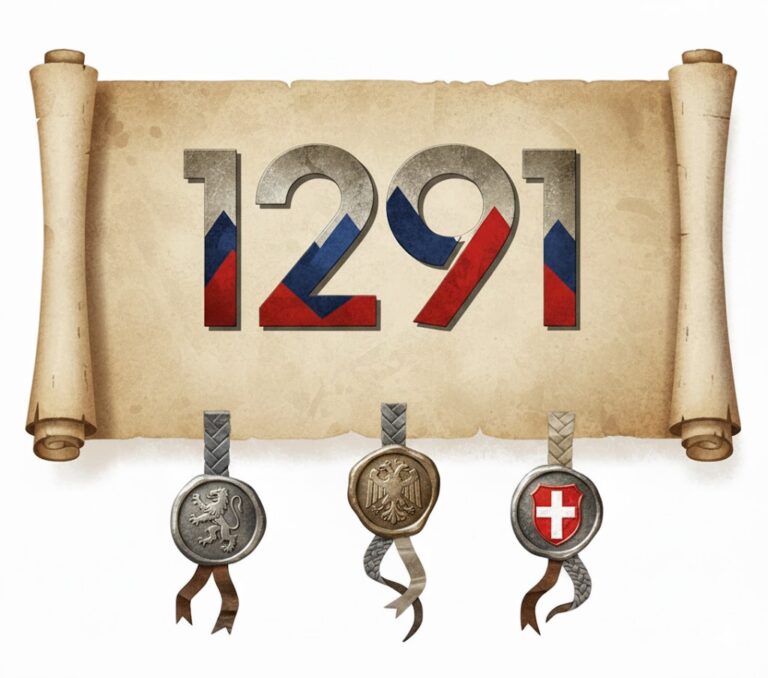
The 16th century of the Swiss Confederation was marked by a theological earthquake that deeply shook the founding will of 1291: the Reformation. This movement, initiated by Martin Luther in Germany, rapidly spread north of the Alps through charismatic leaders such as Huldrych Zwingli and Jean Calvin.
This article will analyze how the Reformation movement religiously divided the loose structure of the Swiss Confederation and how, despite persistent conflicts, the principles of federalism and cantonal autonomy of modern Switzerland emerged from this division.
✅ focusAnaliz: Religious Revolution: The Transformation of Theology into Cantonal Politics
In my opinion, the Reformation was not just a change of faith, but also a way for the cantons to defend their autonomy against the Catholic center (the Founding Cantons). Based on my observations, these events strengthened Switzerland’s historical resistance to central authority.
✅ Quick Summary Table
Title | Brief Information |
|---|---|
Main Figures | Huldrych Zwingli (Zurich), Jean Calvin (Geneva) |
Period | 1519 – 1564 (Pioneers of the Swiss Reformation) |
Core Conflict | Sole Authority of the Bible vs. Catholic Traditions |
Outcome | Permanent Religious Division and Strengthening of Cantonal Autonomy |
✅ Zwingli and Calvin’s Legacy: Two Leaders, Two Theocracies
This section focuses on the two fundamental and independent centers of the Swiss Reformation. The differences and mutual interactions between Zwingli’s more radical and social reform movements in Zurich and the strictly disciplined theological order established by Calvin in Geneva will be analyzed. The legacy of these two leaders is vital for understanding how Switzerland was shaped not only religiously, but also in areas such as education and the work ethic.
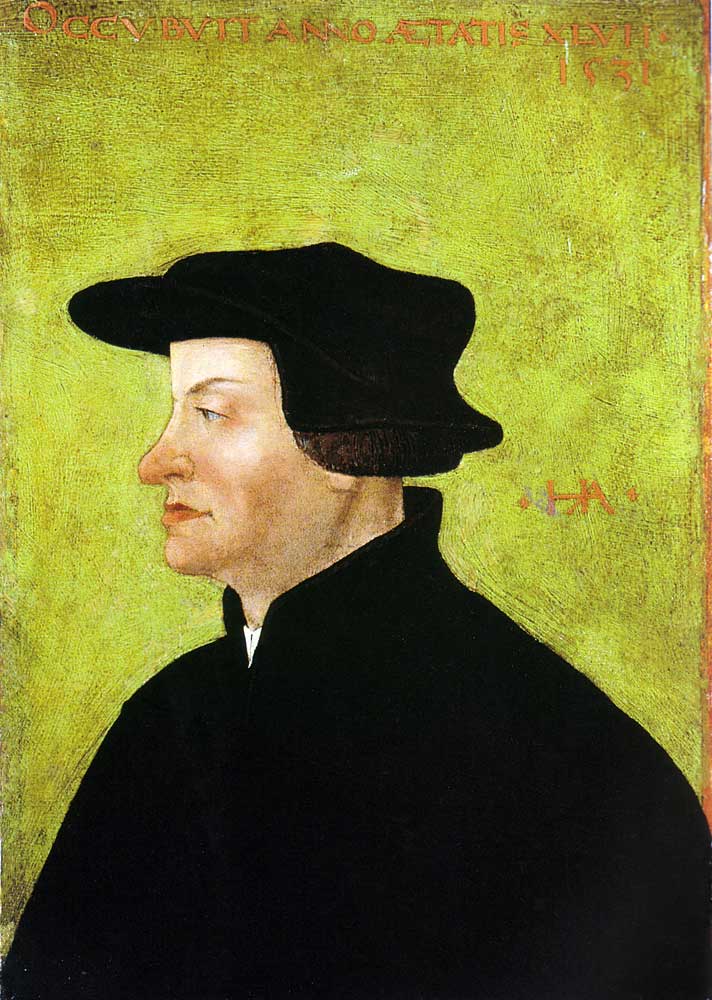
✅ I. Huldrych Zwingli and Zurich: Intellectual and Political Reform
Huldrych Zwingli officially began his reform work in 1519 by preaching at the Grossmünster church in Zurich. The most important point that distinguished his movement from Luther’s in Germany was his view of the Reformation as not only a religious, but also a political and social project.
- Sole Authority of the Bible: Zwingli relied solely on the Bible and rejected Catholic practices such as the veneration of saints, fasting, and clerical celibacy. He created the radical, intellectual foundation of the Swiss Reformation by interpreting the Eucharist as merely a symbolic remembrance of Jesus’s sacrifice.
- Political Outcome: Zwingli attempted an unsuccessful food blockade against the Catholic cantons to spread the Reformation throughout the Confederation and died on the battlefield in the Battle of Kappel in 1531.
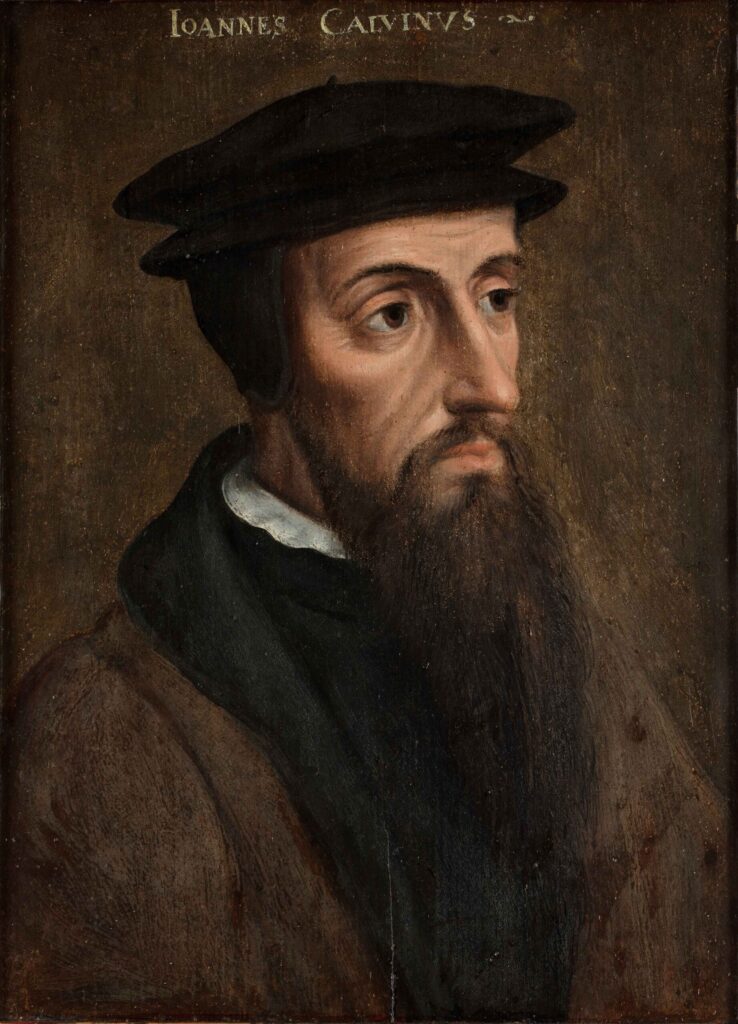
✅ II. Jean Calvin and Geneva: Theological Discipline and Global Impact
Jean Calvin became the most influential voice of the Reformation after Zwingli’s death and made Geneva the second major center of the Reform.
- Theocracy Model: In 1541, Calvin established a strict Protestant theocracy in Geneva, which integrated religious doctrines into the city government. This form of governance placed moral discipline and hard work at the center of life.
- Predestination: Calvin’s best-known doctrine was the strict belief in predestination, which held that God had predetermined some for salvation and others for eternal damnation. This doctrine encouraged individuals to be ethical and successful in their worldly lives to seek signs of their salvation.
- Global Impact: Calvin’s theological system, disseminated through the Geneva Academy, laid the cultural foundations for the development of modern capitalism and the financial order in the West by promoting the Protestant Work Ethic.
✅ 4) Detailed Guide: The Legacy of Religious Division
Although the Reformation religiously fragmented the loose structure of Switzerland, this religious and political crisis also gave birth to the fundamental principles of compromise for the federal structure of modern Switzerland. These conflicts in the 16th century institutionalized the principle of cantonal autonomy in Switzerland.
✅ 4.1 The Kappel Wars and the Cost of Internal Conflict
The Reformation divided the Confederation into Catholic and Protestant camps. This tension climaxed when Zwingli attempted to force the adoption of the Reform in the Catholic cantons through an unsuccessful food blockade.
- Bloody Consequence: Zwingli’s death during the Battle of Kappel in 1531 was the clearest sign that the religious tension had turned into a bloody conflict within the Confederation.
- Long-Term Effect: The wars proved the impossibility of religious coercion at the federal level and consolidated cantonal autonomy.
✅ 4.2 The Strengthening of Cantonal Autonomy and the Roots of Federalism
- Autonomy: The most important lesson learned after the Kappel Wars was the strengthening of cantonal autonomy, meaning that each canton had the right to determine its own official religion and church policy.
- Architecture and Defense: The country’s historical fabric and castles are also born from this early need for defense, as seen in our article SWISS HISTORICAL ARCHITECTURE: FROM THE MIDDLE AGES TO MODERN TIMES.
- Modern Context: The strong federalism we observe today (26 Cantons, 26 States: Distribution of Authority and Critical Differences in the Swiss Federal Structure) traces its roots back to these religious compromises.
✅ 5) Experience / Recommendation Section
The True Cost of Neutrality: Overlooked Moral and Economic Burdens
Neutrality is often viewed as a shield protecting Switzerland’s image. However, in my opinion, this policy brings invisible economic and moral costs. The financial pragmatism applied during the World Wars, in my observation, deserves moral criticism.
- Moral Cost: Economically surviving by trading with both belligerent parties is, based on my observations, a way of evading moral responsibility. This translates into indifference towards the victims of war.
- Economic Cost: Armed neutrality requires the country’s defense spending to remain consistently high. This means that a significant portion of tax revenues is allocated to funding an active military force.
My personal opinion is that, this policy of Switzerland, with all its flaws and moral gray areas, has shaped the country’s global stability model.
✅ 6) Step-by-Step Guide / Application (Instruments of Neutrality)
Switzerland applies its neutrality policy on the international stage with concrete steps:
- Good Offices (Gute Dienste): Switzerland represents the interests of countries that have severed diplomatic relations by acting as a mediator.
- Humanitarian Aid and Mediation: It strengthens its humanitarian role by hosting the ICRC and assuming a mediating role for prisoners of war.
- Participation in Sanctions: Switzerland is not exempt from UN Security Council resolutions. However, its participation in economic sanctions is limited to “adaptation” to preserve legal neutrality.
✅ 7) Cost and Consequence of War Table
Item | Cost | Period / Timeline |
|---|---|---|
Military Spending (Defense) | Approximately 0.7% of annual GDP | Continuous |
Reputation Cost (Criticism) | High | World War II (Financial ties with the Nazis) |
Economic Loss (Non-Sanctions) | Low | Only mandatory UN sanctions are followed. |
✅ 8) Frequently Asked Questions (FAQ)
Q: What was the fundamental difference between Zwingli and Luther?
Answer: The main theological disagreement was over the Eucharist (Lord’s Supper). While Luther believed in the real presence of Christ’s body in the bread and wine, Zwingli viewed the rite as merely a symbolic remembrance of Jesus’s sacrifice.
Q: What is the economic impact of Calvin’s theology?
Answer: Calvin’s theology encouraged diligence and moral discipline. Sociologists argue that this ethic (the Protestant Work Ethic) created the cultural foundation necessary for the development of modern capitalism and the financial order in the West.
Q: Did religious conflicts end in modern Switzerland?
Answer: The Federal Constitution of 1848 largely pushed the religious division out of the political system by guaranteeing freedom of conscience and increasing central power.
✅ 9) Alternatives and Criticisms
- Historical Continuity: Some historians argue that the 1291 treaty was not a new beginning, but a renewal of existing alliances for military assistance.
- Propaganda Tool: The legend of William Tell was used in the 19th century as a national propaganda tool to position Switzerland as a democratic and free republic against the European monarchies.
✅ 10) Recommendations and Tips
- Local Level: The actual power of political life lies in the cantons and local referendums, as detailed in our article The 26 Swiss Cantons: Guide to Administration, Population, and Languages.
- Foreign Policy Source: To obtain official information on the neutrality strategy, you should consult the website of the Federal Department of Foreign Affairs (FDFA).
- Internal Link: To understand how Switzerland remains united despite the Reformation, read our article on The Evolution and Principles of Neutrality Policy.
✅ 11) Conclusion
The Reform movements initiated by Zwingli and Calvin left a legacy of religious division, but the bloody price paid at Kappel forced the Confederation to build the modern federalism based on cantonal autonomy and compromise. This proves that Switzerland is a “Nation of Will,” born from difficult political compromises.