Switzerland’s Border Neighbors and Cultural Interactions
focusAnalysis: A Life Beyond Borders – The Cost, Rituals, and Language of Cultural Flow
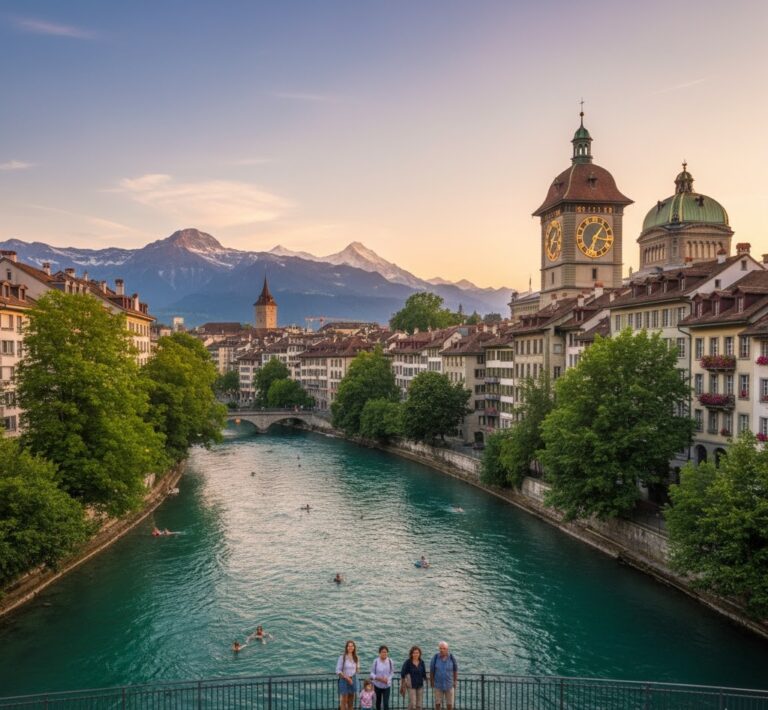
The personal observations in this article are based on my travels and regional research as a resident of Bern, and dialogues I have overheard in restaurant settings.
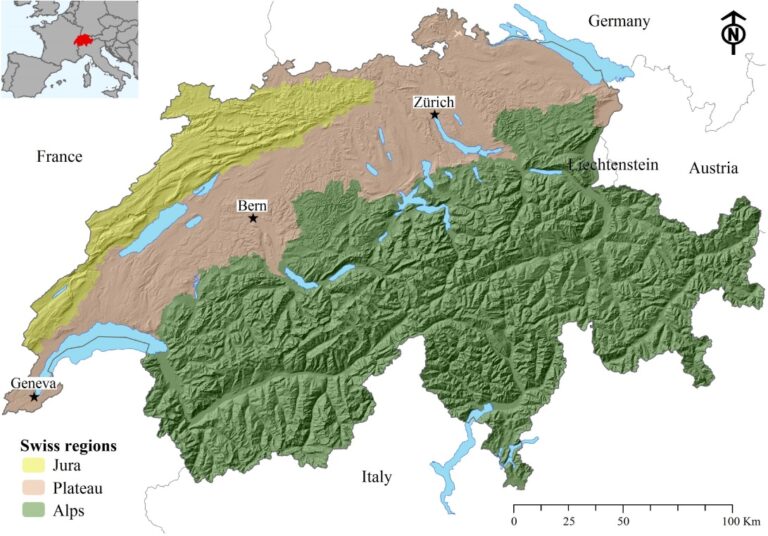
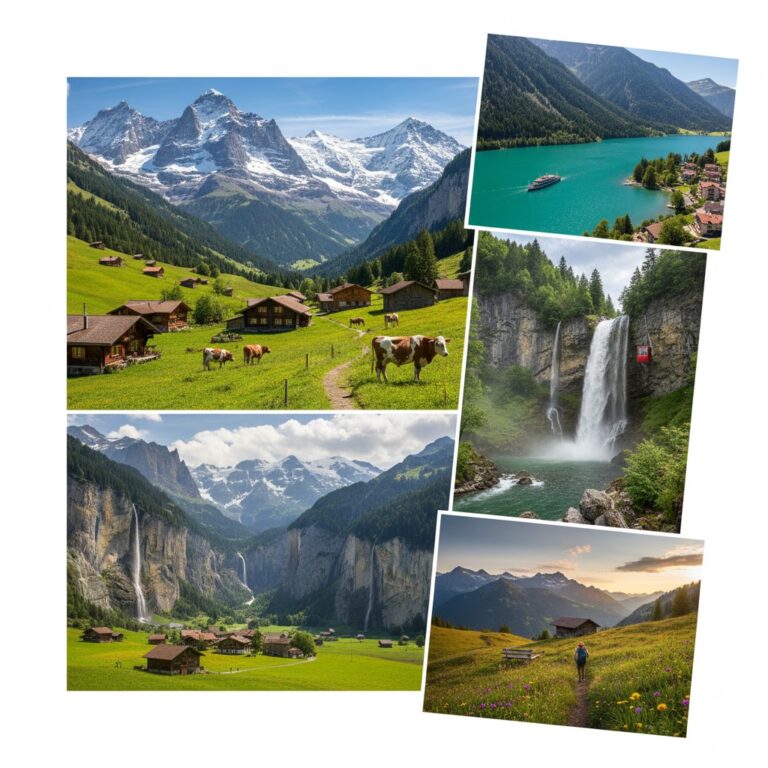
The most interesting thing I have noticed while living in Switzerland is the simultaneous cultural existence with five neighboring countries. You cross into Konstanz in the morning and enter a German routine, and you feel the Italian warmth while descending to Como in the evening. This nation in the heart of the Alps has created its unique identity by drawing inspiration from its neighbors.
Despite Switzerland not being an EU member, its location within the Schengen Area both facilitates visa processes and, in my opinion, complicates them due to its distinct bureaucratic details. This situation deeply affects not only geographical borders but also everything from daily life to cuisine, language, and work ethic.
✅ Quick Summary Table:
Border Neighbor | Official Swiss Language | Cultural Influence Area | Cantons with Intensive Interaction |
|---|---|---|---|
Germany | German (63%) | Industry, Work Discipline, Finance | Basel, Zurich, St. Gallen |
France | French (23%) | Diplomacy, Art, Lifestyle | Geneva, Vaud, Neuchâtel |
Italy | Italian (8%) | Gastronomy, Architecture, Mediterranean Pace | Ticino, Graubünden (South) |
Austria | German | Alpine Culture, Winter Sports | St. Gallen, Graubünden (East) |
Liechtenstein | German | Political and Economic Proximity | St. Gallen, Graubünden |
🎯 Main Definition:
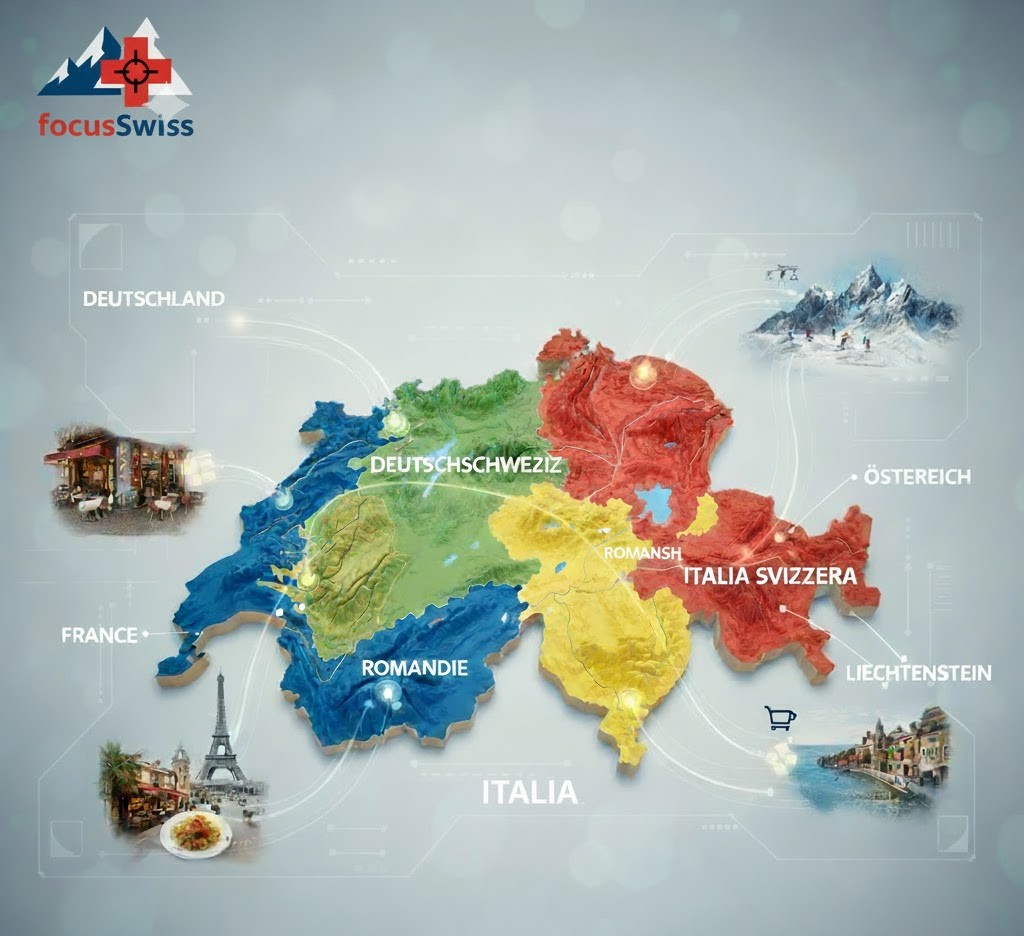
Switzerland is surrounded by five border neighbors: Germany, France, Italy, Austria, and Liechtenstein; this geographic location shapes the country’s cultural structure through four official languages (German, French, Italian, Romansh), forming a unique balance of political neutrality and cultural diversity.
✅ Core Information:
The relationship between Switzerland and its neighbors is founded not only on geographical proximity but also on historical and political necessities.
- Basis of Multilingualism: Switzerland’s three main official languages (German, French, Italian) are directly adopted from neighboring countries. This, I believe, shows Switzerland’s ability to fully embrace these cultures rather than just importing them.
- Economic Ties: For the tens of thousands of Grenzgaenger (cross-border commuters) living in border regions, economic integration with neighboring countries is a critical part of the Swiss economy.
✅ Detailed Guide:
🚦 Germany Border and the “Deutschschweiz” Influence
Germany is the neighbor with which Switzerland shares its longest land border. The interaction is directly related to the German-speaking cantons (Deutschschweiz), especially around Zurich and Basel.
Even though I reside in Bern, during my visits to Basel, I observed that shopping in Germany was almost a weekly routine for local residents. Beyond the price difference, I could even notice that the pace of people’s speech was different.
- Economic Integration: You can find more details and review all the specifics regarding how the cross-border commuter system works, and who pays the taxes in our article on [cross-border commuting].
📌 France Border: The Elegance and Diplomatic Weight of Romandie
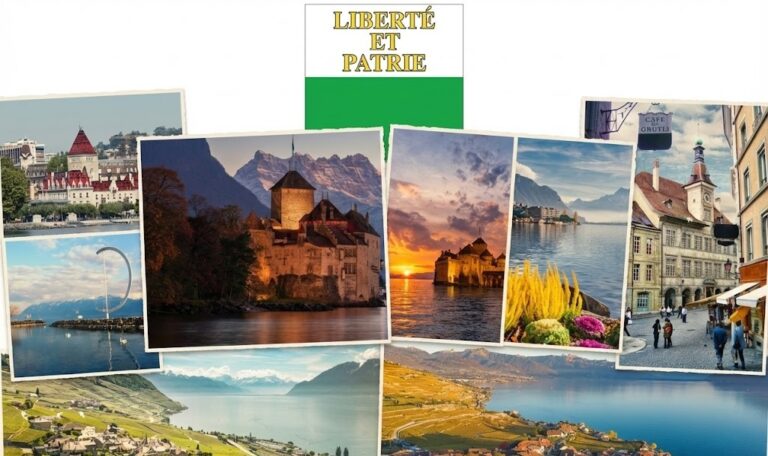
The French-speaking region (Romandie) in the west represents Switzerland’s Latin spirit. This region around Lake Geneva has adopted the French art of living and its diplomatic gravity.
- Lifestyle: The lunch culture, the winemaking tradition, and a more “relaxed” pace are visible signs of the French influence.
- Diplomacy Hub: Geneva’s hosting of international organizations like the United Nations reflects France’s weight in diplomacy and international relations. For details on how this system works and how citizens influence decisions, you can find more information in our article [Direct Democracy: Why and How the Swiss People Vote on Everything].
💰 Italy Border: Gastronomy and Mediterranean Pace
The southern canton of Ticino is the region that experiences the most intense cultural influence from Italy. Palmetto trees and Italian pizza are common. This region has a more Mediterranean lifestyle (or pace of life), in contrast to the discipline north of the Alps.
During a trip to Lugano, while dining at a restaurant, I would notice the customers at the next table being late because they came from Como, and the ease of the Italian accent. This shows the cultural flexibility in Ticino.
- Aperitivo Culture: Thanks to intense interaction from Italy, the aperitivo culture is widespread in the Ticino region in the late afternoon; in my opinion, this is a sweet escape from the discipline of northern Switzerland.
⛰️ Austria and Liechtenstein: Alpine Brotherhood and Technical Relations
These two countries are places where Switzerland maintains calmer and more technical relations compared to its other neighbors.
- Shared Alpine Culture: The border with Austria, particularly in the canton of Graubünden, shares a common Alpine culture and mountain lifestyle.
- Liechtenstein Signal: Liechtenstein is in a monetary and customs union with Switzerland. You can further understand this integration, low tax advantages, and how inter-cantonal financial competition works by reviewing our article [Swiss Tax System Cantonal Difference Guide].
✅ Experience / Recommendation Section:
focusAnalysis: Why Should an Immigrant Know About This Border Interaction?
In my opinion, Switzerland’s relationship with its neighbors is very similar to a Swiss citizen’s relationship with their neighbors: respectful and distant, but always close by.
Even though I live in Bern, during a trip I took to Basel, I realized that for local residents, crossing into Konstanz or Como for shopping was sometimes a necessity, not a luxury. While working in a restaurant, I would often overhear conversations about this cross-border mobility. Greeting customs officials in German or Italian every time, I believe, is the experience that best explains Switzerland’s position in Europe. You can find more information on how this cultural diversity is reflected in daily life and neighborhood relations in the guide [Swiss Rules of Life: Order, Silence, and Adaptation Guide].
✅ Step-by-Step Guide / Application: Cross-Border Management
✅ Step 1: VAT Refund for Cross-Border Shopping
When going shopping in neighboring countries, don’t forget to claim the Value Added Tax (VAT) Refund to benefit from the price difference. This is the key to saving money in expensive Switzerland.
✅ Step 2: Utilize Language Flexibility
If you live in border cantons, the ability to quickly switch between German/French/Italian provides social and economic advantages.
✅ Step 3: Check Cross-Border Commuter Rules
If you are considering cross-border employment, you must very well understand the local economic dynamics and the details of the Zollregelung (Customs Regulations).
✅ Cost / Fee / Duration Table
Average cost and duration of travel from Switzerland to neighboring countries (departing from Basel or Zurich):
Item | Description | Average Cost / Duration |
|---|---|---|
Travel to Germany | (Basel – Lörrach) Single train trip | 15-20 CHF / 15 minutes |
Travel to Italy | (Lugano – Como) Single train trip | 18-25 CHF / 45 minutes |
Annual Cross-Border Spending | [These prices are average values based on my own experience and SBB’s regional train fares.] | 2,500 – 4,000 CHF |
Customs Limit Violation Penalty | (Estimated) | High, applied as multiples of the limit. |
✅ Frequently Asked Questions
S: How does cultural interaction with neighbors affect Switzerland’s national identity?
Answer: Switzerland’s national identity is actually built more on internal values like neutrality, direct democracy, and cantonal autonomy, despite these interactions. However, the neighbors’ culture only forms a mosaic, but does not break the nation’s unity.
S: Which cultural influence is most dominant in Switzerland?
Answer: In my opinion, the German cultural influence is always the most dominant due to the geographical size and economic weight of the German-speaking region. However, this dominance is in the areas of discipline and efficiency.
S: What are the customs limits when returning to Switzerland from shopping?
Answer: When shopping across the border, you should not exceed the monetary and weight limits set per person. Very strict Zollregelung (customs rules) apply, especially to food items like meat and dairy products.
✅ Alternatives
In addition to interacting with neighbors, Switzerland’s own different language regions offer similar cultural experiences.
- Internal Visit: For those who cannot travel to Ticino, bilingual cantons like Fribourg (French-German) offer a mini version of the cultural transition.
- Cultural Interaction: To learn about general cultural codes and all the details of life in Switzerland from an immigrant’s perspective, you can examine the guide [Switzerland: The Ultimate Guide | Living, Working, and Cost Realities from an Immigrant’s Perspective].
✅ Suggestions / Tips
- Language Flexibility: If you live in border regions, the ability to quickly switch between German/French/Italian provides social and economic advantages.
- Timing at Customs: To avoid long queues at customs, prefer early morning or midday on weekdays instead of busy weekend hours.
- Learn Local Rules: Even if you frequently interact with neighboring countries, do not forget the local Swiss rules (especially Sunday silence). This affects your social life.
✅ Conclusion:
Switzerland’s cultural and economic interactions with its five border neighbors are an integral part of the country’s multi-layered identity. Switzerland has blended the cultural richness received from its neighbors with its own unique political order and strict work discipline, becoming one of Europe’s most stable mosaic nations. In my opinion, Switzerland’s secret is its ability to remain at an equal distance from all its neighbors, no matter how different they are.