My First Job Experience in Switzerland: 10 Facts That Were Different Than Expected
focusAnalysis: High Expectations, Harsh Realities
Dear fellow traveler, your first job in Switzerland is not just a source of income, but the most challenging examination for the country’s work culture. From the outside, Switzerland offers a job dream with its high salaries and prosperity; however, the realities are much harsher, especially for immigrants like me who lack a diploma and only have experience in a single sector. My first work experience was an arena where the intense pace of the gastronomy sector collided with the strict rules of Swiss discipline.
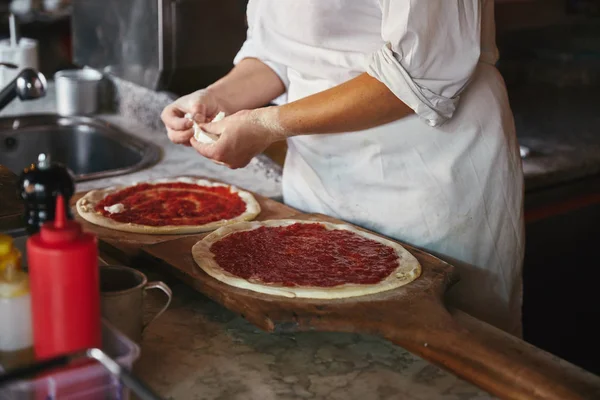
As a Chef/Pizzaiolo living in Bern, I faced 10 facts on my first day that were very different from what I had expected. Regardless of your reason for arrival, this article will help you understand the invisible rules of Swiss work life, through my first job experience.
✅ Economic Pressure and Entry into Work Life
When I first arrived in Bern (2015), I had assumed that adaptation would not be as tough as it is for many, thanks to the presence of my spouse and her family. Local environment and family support were a big advantage for the start.
However, the pressure to gain economic independence and bring income to the household as quickly as possible turned finding the first job into a necessity. My 10 years of Chef/Pizzaiolo experience gained in Italy was a huge advantage during this process. Although bureaucratic hurdles and the Milan Consulate process were mentally tiring, I found work relatively quickly because my sector is universal. However, my lack of a diploma and my insufficient German level trapped me directly in the gastronomy sector. My first job, rather than offering the opportunity to see the country’s beauties, confronted me with the reality of discipline and high costs.
✅ Structural Realities of the First Job Experience
The difficulty of your first job in Switzerland stems not only from your job description but also from the rigid expectations of the country’s work culture. The structural realities that dominated my first months are listed below:
⏰ Punctuality, Discipline, and High Hierarchy
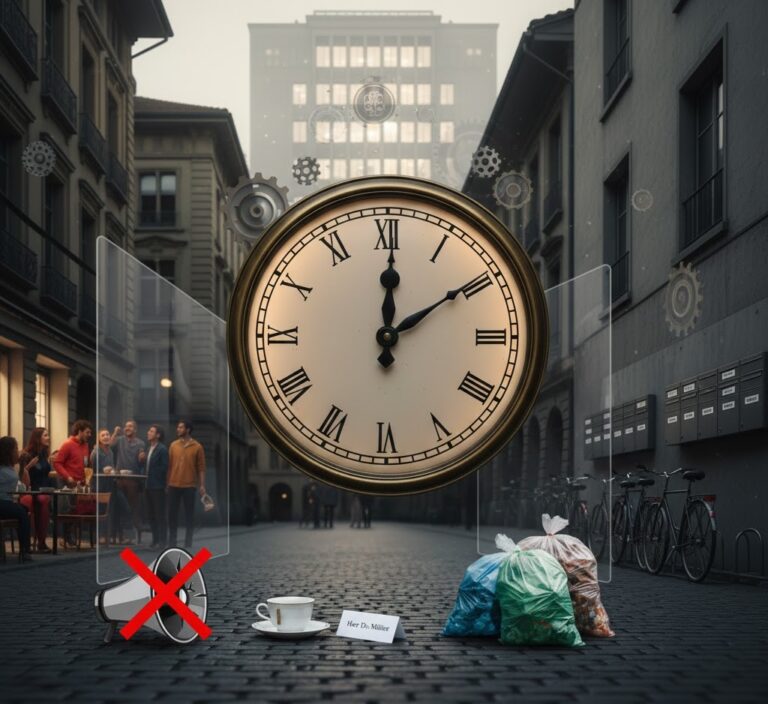
Work discipline in Switzerland was much stricter than I had expected. As we detailed in our article Swiss Work Culture: Discipline, Respect, Time Management, and Work-Life Balance, punctuality is not just a rule of courtesy but a contract. Coming 5 minutes early to work was normal; coming exactly on time was perceived as being late. Hierarchy in the kitchen is sharp, and the chain of command is strict. Even as a Chef, this rigidity, blended with German discipline, surprised me, coming from the more flexible pace of Italian kitchens. Making a mistake here was not a luxury, but a situation that required immediate feedback and correction.
💰 Salaries, Cost, and The Minimum Wage Reality
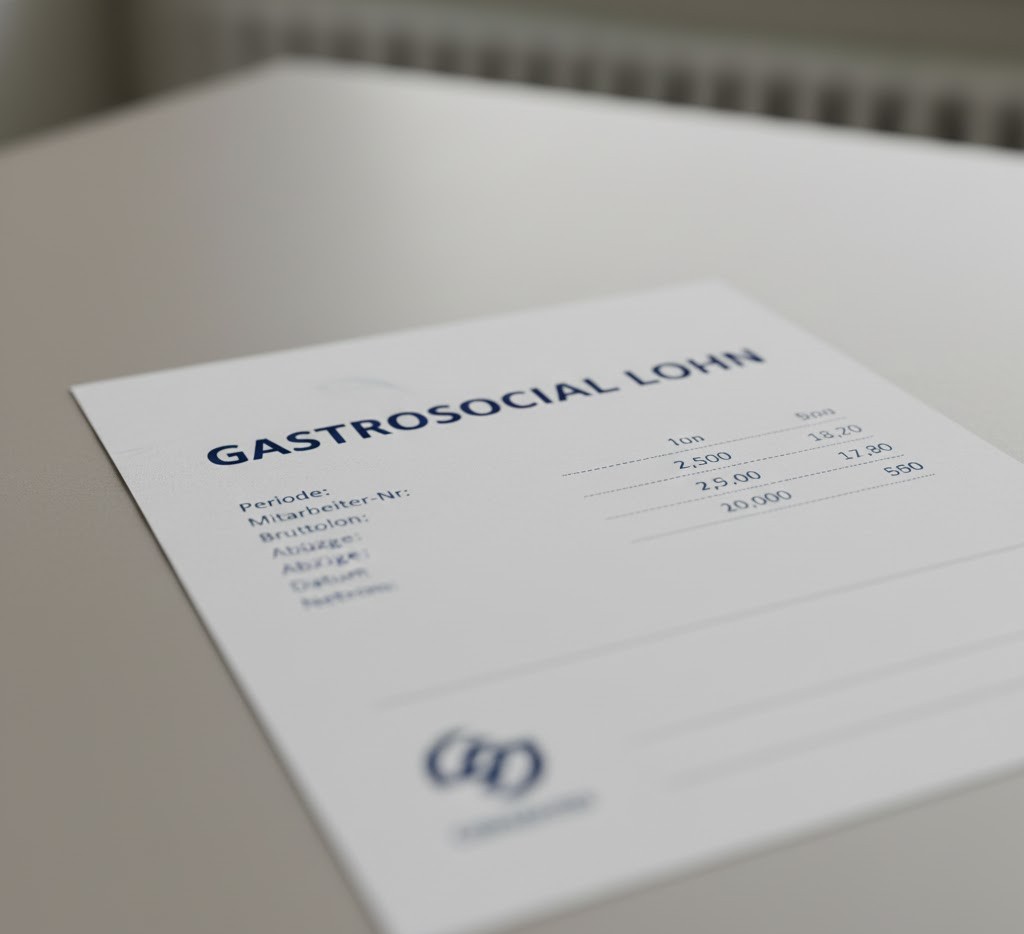
The net salary I received when I started my job was far below my expectations. The perception of “high salaries” from the outside quickly vanished when it collided with the cost of living (rent, insurance, tax). My starting salary only provided me with the means to survive. As we also explained in our article Switzerland’s Minimum Wage and Average Salary: Facts and Illusions, it was a shock that someone working in non-diploma or minimum wage sectors had to pay the same mandatory health insurance premium as a banker in Zurich. When I received my first salary, the fact that a large portion went to insurance and tax directly confronted me with financial stress.
🔪 Sectoral Restriction and The Effect of Lacking a Diploma
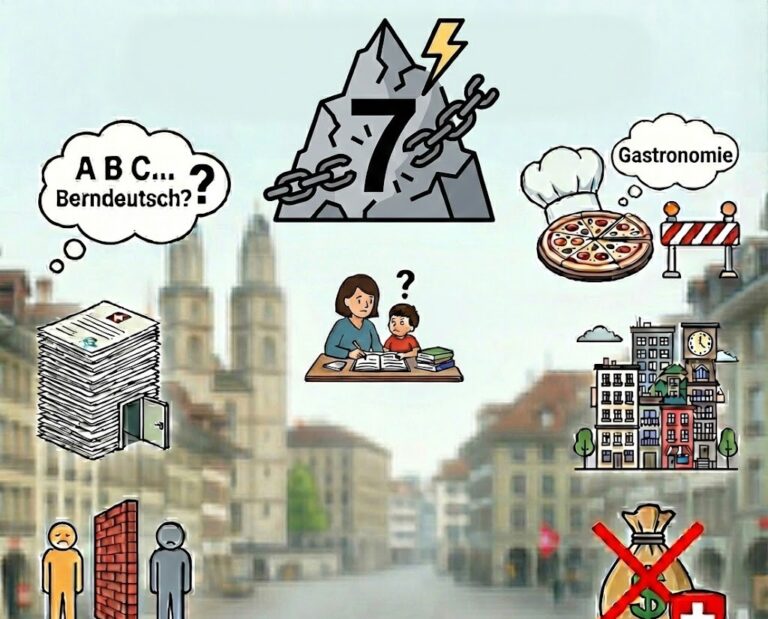
The Swiss job market places excessive value on diplomas and certifications. Even for someone like me with 10 years of Chef experience from Italy, the lack of a Swiss diploma closed the doors to promotions and sector changes. My access to the high-paying jobs listed in High-Demand Occupations was restricted. My first job trapped me in the gastronomy sector, where I am an expert but which has financial limitations. This situation made me feel stuck in my career: I have the experience, but not the paper the system requires.
🤝 Work Relationships and Superficiality
My relationships with my colleagues were professional; efficient, respectful, but distant. While in Mediterranean culture, a colleague is often expected to be a friend as well, in Switzerland, that line was sharply drawn. Even during lunch, conversations were mostly work-related. The social distance, which we discussed in our article Swiss Rules of Life: Order, Silence, and Adaptation Guide, was reflected in work life, creating a feeling of loneliness even in the workplace. Not being able to make plans with anyone after work weakened social integration.
📝 Contracts and Working Hours Documentation
Work contracts and the management of working hours in Switzerland are incredibly meticulous and bureaucratic. Every leave, every hour of overtime, had to be approved with a written document. The forms I sometimes had to fill out to take a leave reminded me of the visa application forms in Milan. This was a situation that required focusing on applying procedures correctly, rather than focusing on the job itself.
✅ What I Learned During This Process (10 Life Lessons)
The 10 important facts/lessons I derived from my first job experience in Switzerland are guiding for newcomers here:
- Your Salary Collides with Your Expenses: Although the salary seems high, the net income drops rapidly when it collides with Krankenkasse (Health Insurance) and rent. This is the first reality.
- Punctuality Is Culture: Coming 5 minutes early to work is being PUNKTUELLE (Punctual). Coming exactly on time (or 1 minute late) is not well received.
- No Diploma Means Sector Restriction: If you lack a diploma, your career remains confined to your sector of expertise (Gastronomy/Service). Switching sectors is difficult.
- Workplace Relationships Are Formal: Collegiality is built on professional respect; expectations of forming deep friendships should be kept low.
- Experience/References Are Gold: Strong references obtained in Switzerland can be more valuable when seeking a new job than your international diploma.
- Contracts Are Sacred: You must understand every detail (working hours, holidays) before signing the work contract and never ignore it.
- High Hierarchy Means Fast Decisions: Hierarchy in fast-paced environments like the kitchen accelerates the decision-making process—do not take it personally.
- Classroom Language Isn’t Enough: To succeed in professional life, mastery of fast-spoken everyday German/Berndeutsch is essential, not just grammar.
- Don’t Search for Jobs on Social Media: Professional networks (LinkedIn, XING) and direct applications are the most effective and serious way to find the first job.
- Work-Life Balance Is Official: Your private life is untouched, but work hours are strict. Work is not discussed after hours; this is a rule of respect.
✅ Photo Gallery
✅ Conclusion
My first job experience in Switzerland was a harsh but instructive process where I faced 10 facts that were different than expected. I saw that my expertise as a Chef/Pizzaiolo trapped me in the gastronomy sector, but also secured my first economic stability. Despite the pressure of punctuality, hierarchy, and high costs, this experience formed the most important foundation of my adaptation to the country.
You can inspire other newcomers by sharing your experience in Switzerland in the comments!
❓ FAQ (Frequently Asked Questions)
Question: Are Chef/Pizzaiolo salaries in the gastronomy sector sufficient to cover the Swiss cost of living?
Answer: Starting salaries cover basic living expenses (rent, mandatory insurance) but are not sufficient for significant savings. Especially in big cities, a large portion of the salary is allocated to insurance and rent expenses. Salaries increase in the following years as experience grows.
Question: Is a diploma or experience more important for finding a job in Switzerland?
Answer: Diplomas and certifications are definitely more important for high-paying and corporate jobs. However, in sectors like gastronomy and service, direct experience and references open a door faster for the first job than a diploma.
Question: How does the hierarchy in Swiss workplaces differ from that in Mediterranean countries?
Answer: Hierarchy in Switzerland is much stricter and more formal compared to Mediterranean countries. Decisions are implemented quickly from top to bottom. Professional roles take precedence over personal relationships, and it is difficult to establish personal bonds with colleagues outside of work hours.