The Secret Behind the Alps: Switzerland’s Least Known Cantons
focusAnaliz: The True Soul of Switzerland Hidden in the Shadow of the Financial Hub Zurich
For most people, Switzerland conjures up images of banks, expensive watches, and magnificent ski resorts. Yet, the country’s backbone is formed by small cantons tucked away in the folds of the Alps, resisting modernization. In my opinion, these cantons are the strongest proof of Switzerland’s cultural and political identity, not just its economic one.
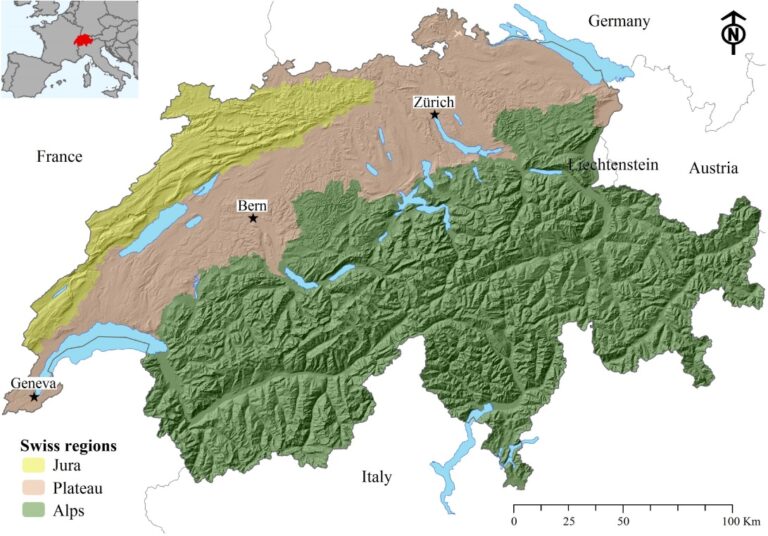
This article will reveal the secret behind the Alps by examining the five least known and most unique cantons (Appenzell Innerrhoden, Glarus, Jura, Uri, Obwalden) from a cultural, political, and economic perspective. Our goal is to break the stereotyped perception of Switzerland and offer the reader a unique viewpoint.
✅ Quick Summary Table: Essential Facts on the Hidden Cantons
Canton | Capital | Main Feature | Tax Level |
|---|---|---|---|
Appenzell I.Rh. | Appenzell | World’s smallest fully democratic political unit (Landsgemeinde). | Medium |
Glarus | Glarus | Stronghold of the Landsgemeinde tradition and pioneer of environmental laws. | Medium/Low |
Jura | Delémont | Switzerland’s newest canton (1979), French-speaking rural identity. | High |
Uri | Altdorf | The heart of Switzerland’s founding legend and Gotthard Pass control point. | Medium |
Obwalden | Sarnen | Tourism-focused, small, semi-autonomous (Half-Canton). | Low (Attractive) |
🎯 Main Definition:
Switzerland’s “Least Known Cantons” are small, low-population territories often hidden behind the high Alps. They represent the country’s purest demographic and cultural identity, preserving traditional political structures (Landsgemeinde) and local culture in the shadow of the large economic centers.
✅ Core Information:
Reasons for Remaining Hidden
The majority of Switzerland’s cantons are largely absent from the country’s mainstream media visibility.
- Low Population and Area: Many of these cantons (Appenzell Innerrhoden is the smallest with 16 thousand residents) are far below the population size of major cities like Zurich or Bern, leading to less national political and economic focus.
- Geographical Isolation: In my opinion, most of these cantons are located within the challenging geography of the Alps, which has isolated them from main trade routes and rapid modernization.
- Economic Focus: Their economies are largely based on agriculture, small-scale manufacturing, and tourism, which makes them less “newsworthy” compared to cantons dominated by finance or pharmaceutical giants.
✅ Detailed Guide: The Hidden Gems of Switzerland
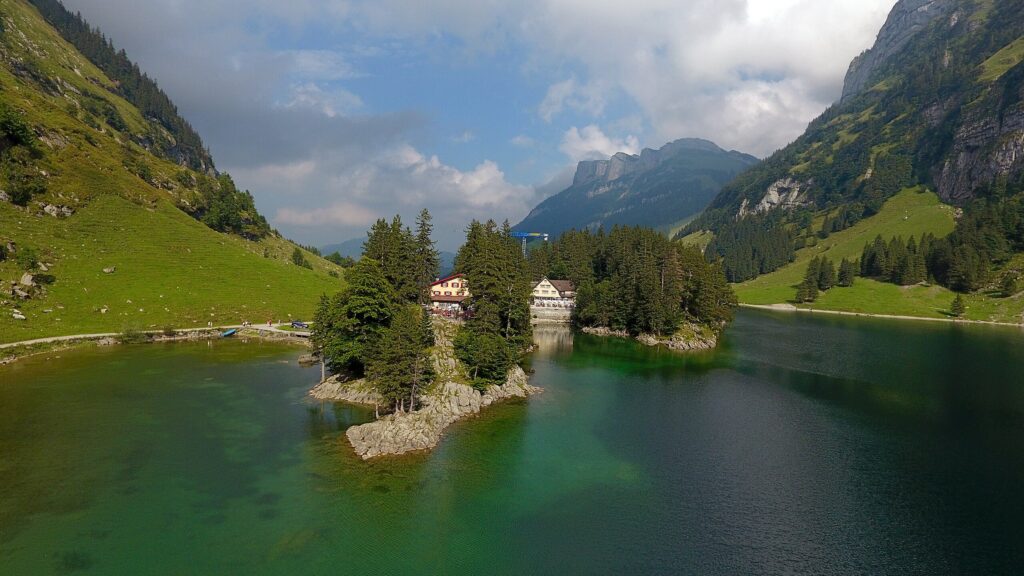

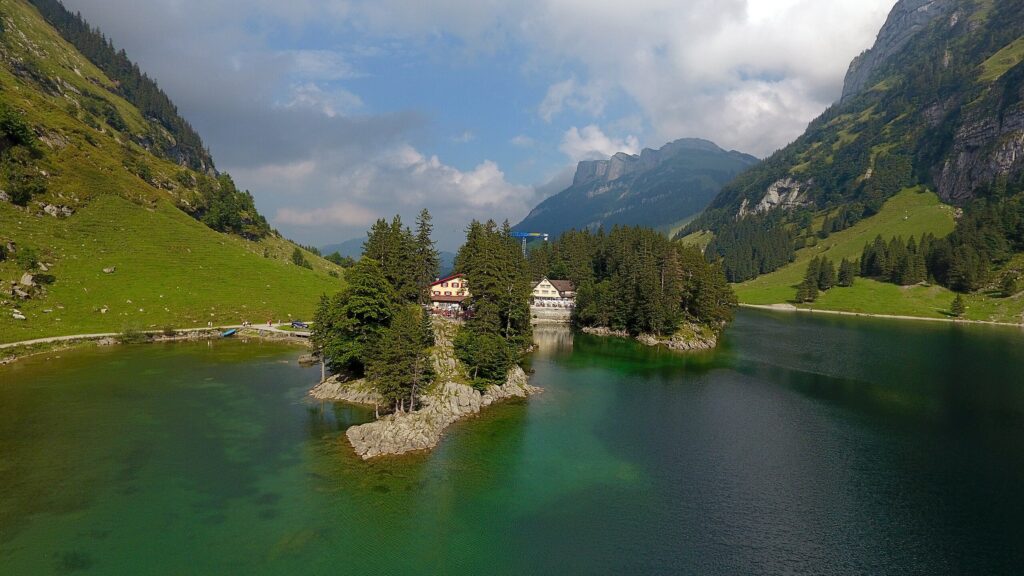
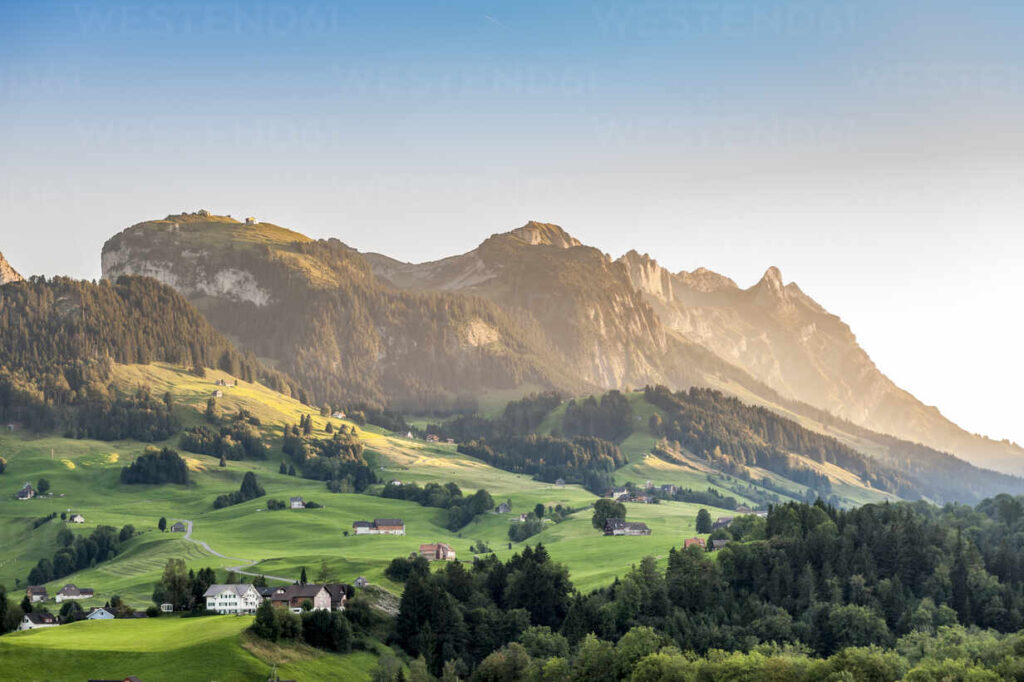
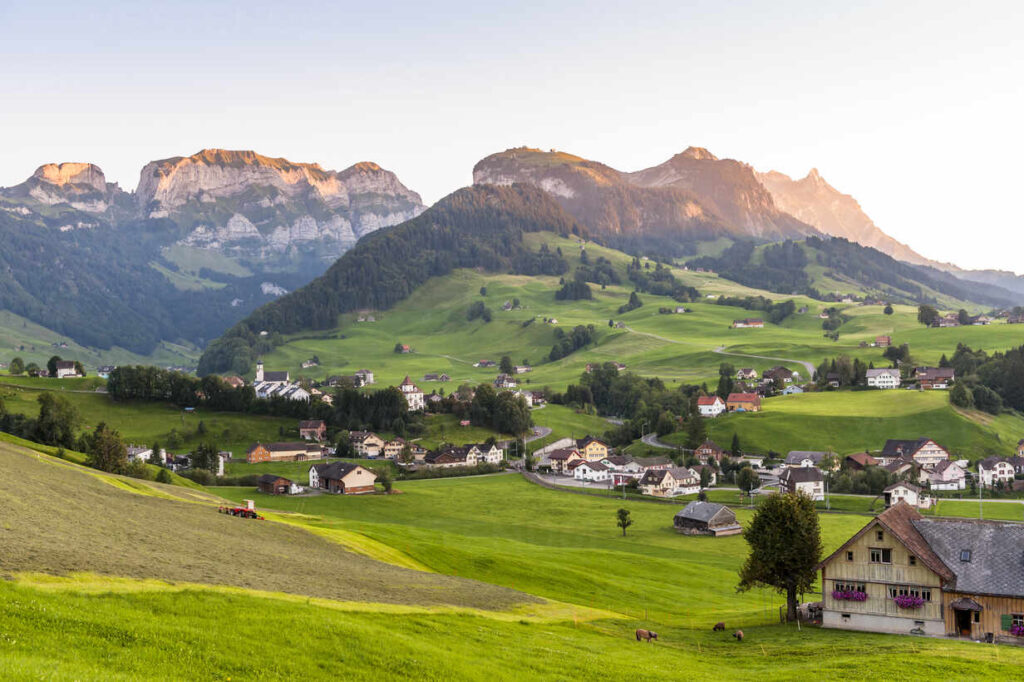
📌 Appenzell Innerrhoden (AI): A Living Museum (Half-Canton)
Appenzell Innerrhoden is Switzerland’s most unusual canton. In my opinion, this is the only place in Switzerland where time flows slowly.
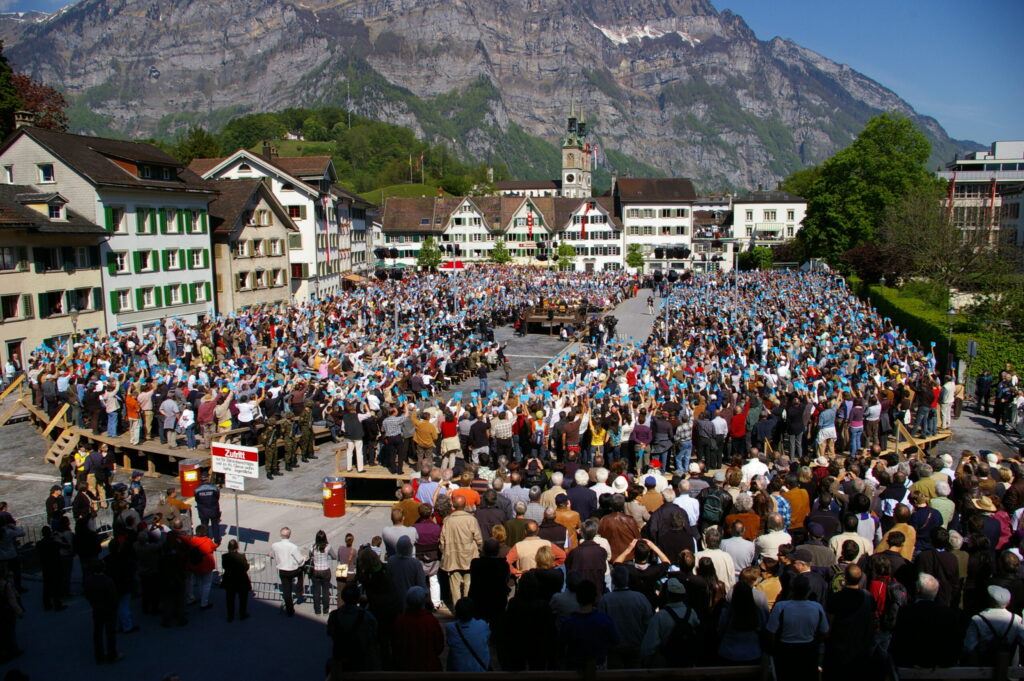
- The Landsgemeinde Tradition: The canton’s most important feature is that it still practices the Landsgemeinde (Open-Air Public Assembly) system, where citizens gather annually in the town square to vote on laws by raising their hands. I believe this system is one of the greatest services to humanity, going beyond democracy; because even in a country like Switzerland, the fact that people can directly decide on their own lives is absolutely not a coincidence.
- Cultural Identity: The canton is Catholic and famous for traditional Appenzeller cheese production, special folk music, and traditional costumes called “Sennentücher.”
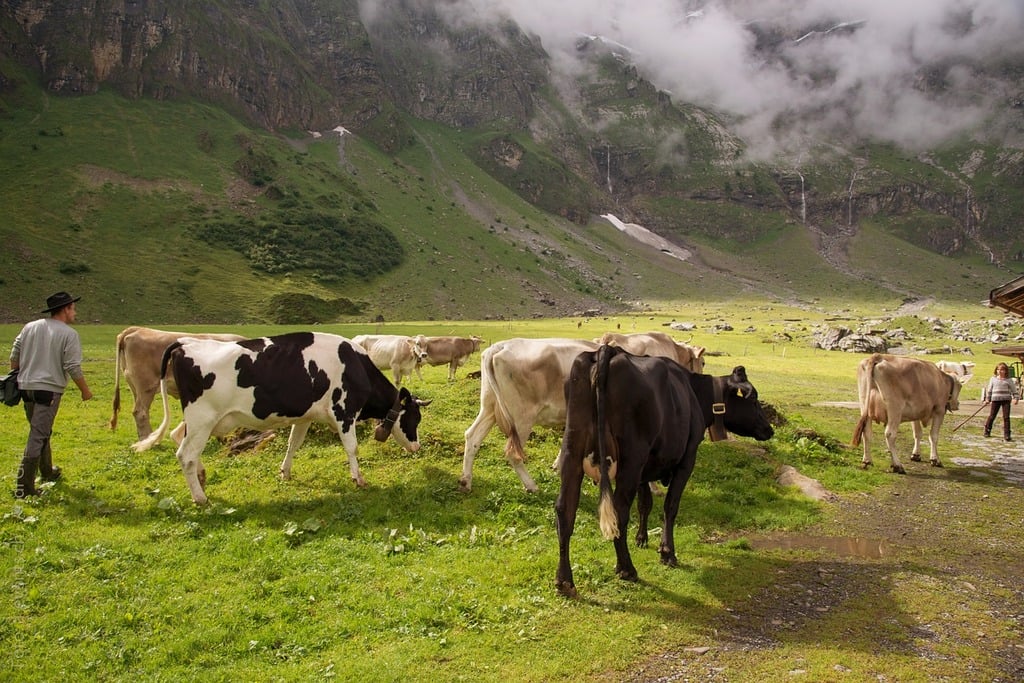
💰 Glarus (GL): The Stronghold of Political Courage
Glarus is another canton that preserves the Landsgemeinde, but what distinguishes Glarus is its political courage.
- Political Pioneering: Glarus was one of the first cantons in Switzerland to ban child labor above the age of 12. Furthermore, it is the only Landsgemeinde where citizens have the right to propose changes to the laws.
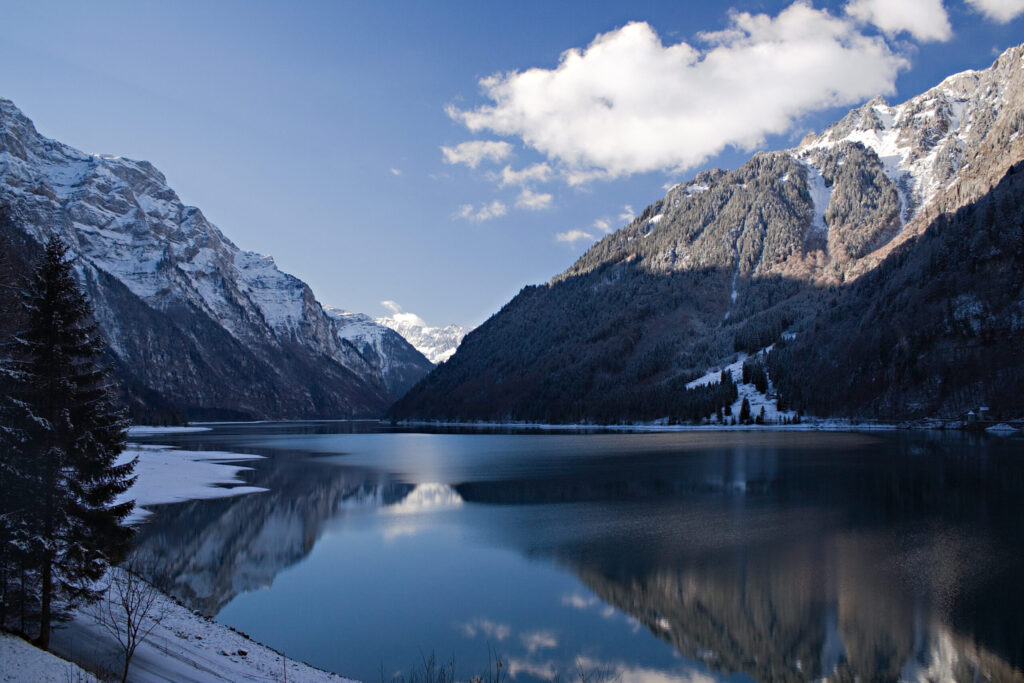
- Geographical Isolation: The canton is mostly surrounded by the Alps and lakes (e.g., Klöntalersee). I think this is a perfect example of how geographical challenges can strengthen social cohesion and political participation.
🚦 Jura (JU): Switzerland’s Newest Member
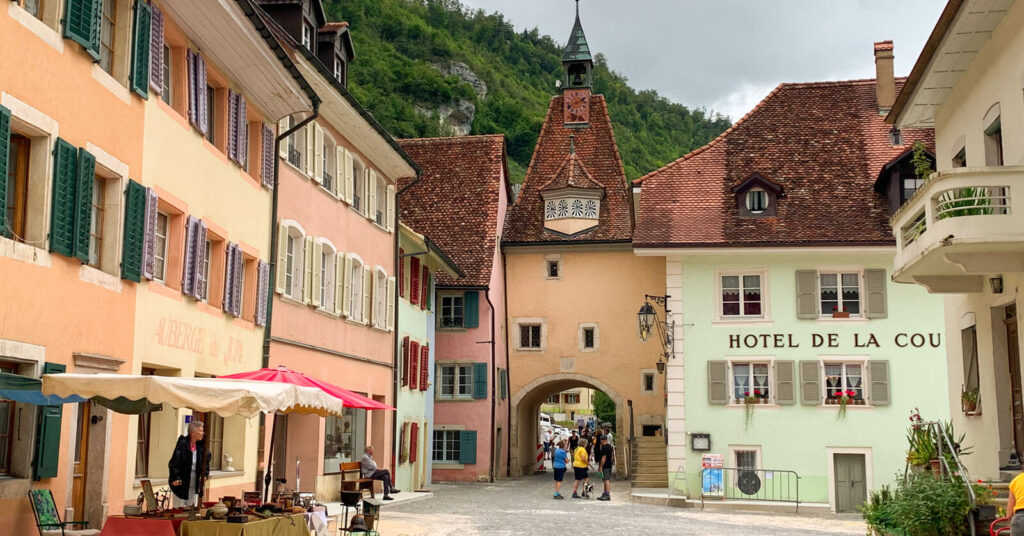
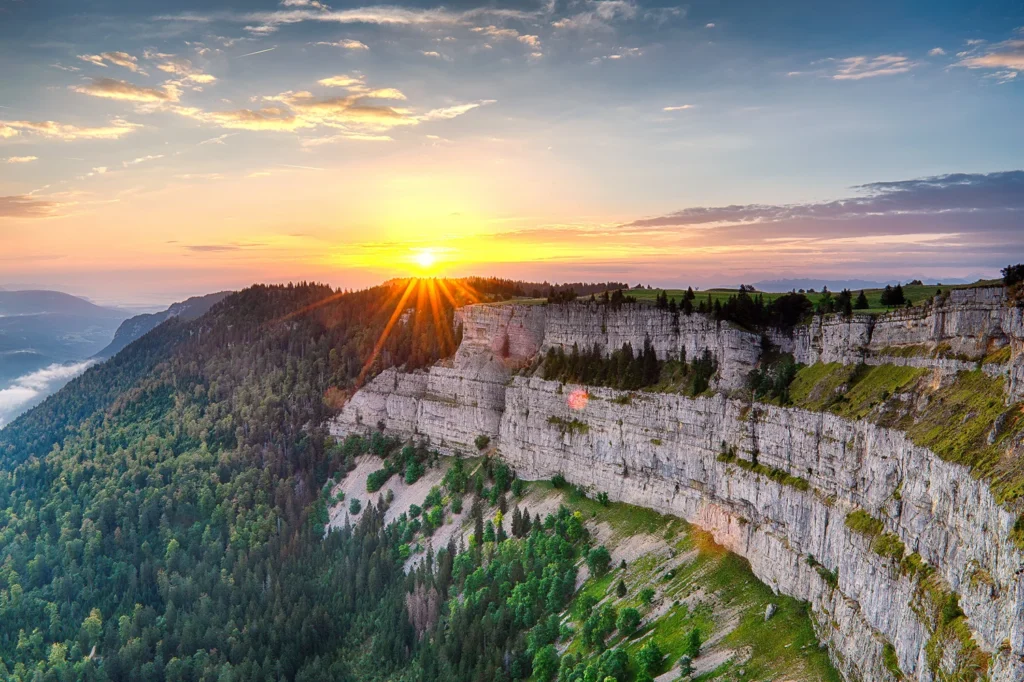
Jura is Switzerland’s newest canton, established in 1979 after separating from the Canton of Bern.
- Linguistic Identity: French-speaking Jura carries a strong spirit of independence and its establishment process is a significant milestone demonstrating peaceful federalism in Swiss history.
- Economic Structure: Its economy relies on agriculture and small sectors of the watchmaking industry, and its tax burden is high.
⛰️ Uri (UR): Center of the Founding Legend
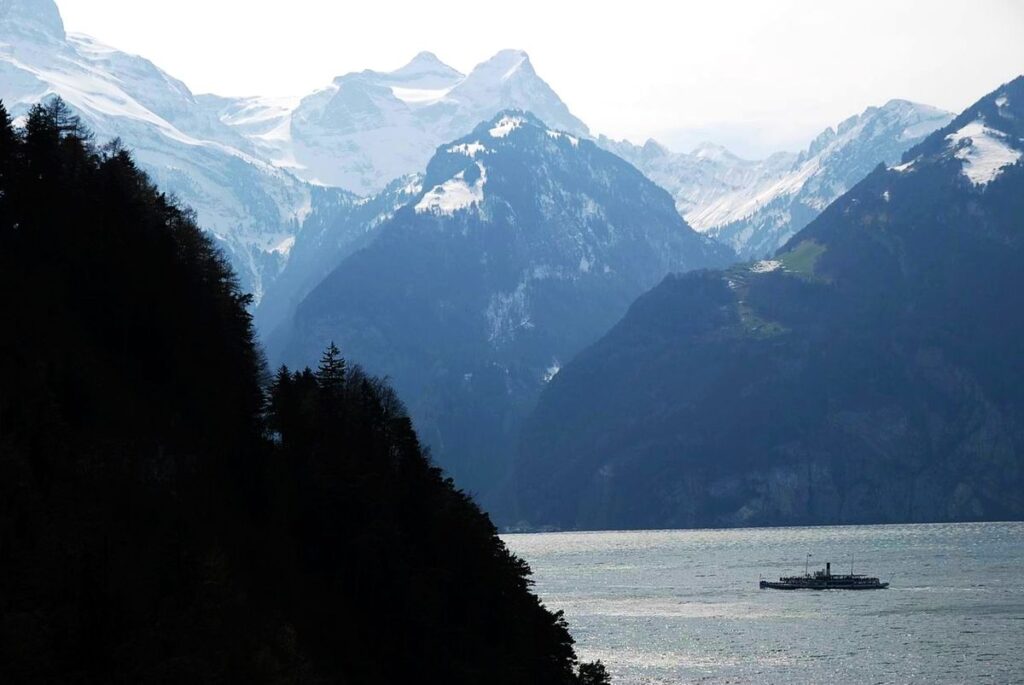
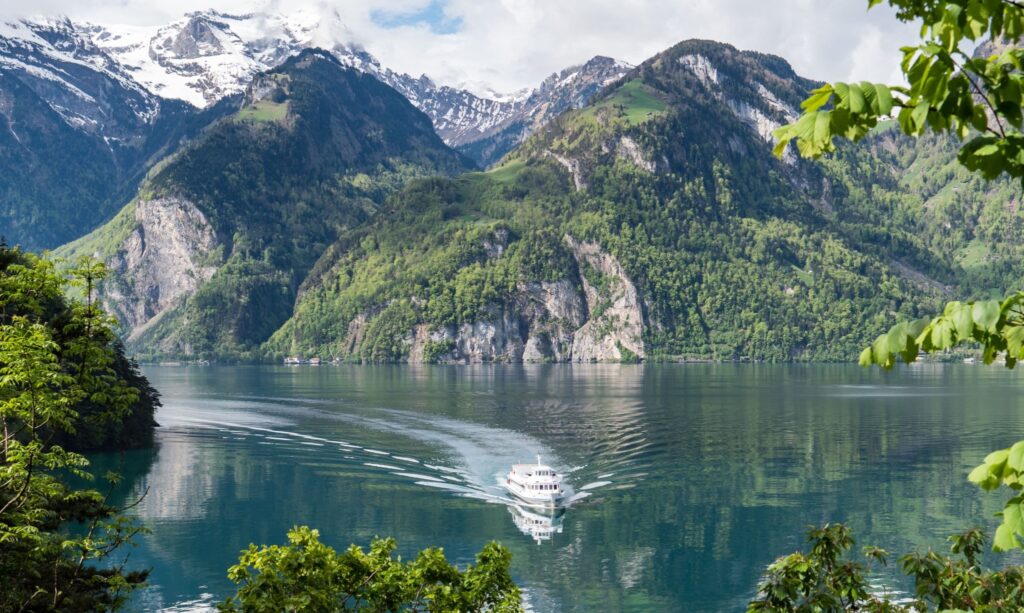
Uri is one of the three founding cantons at the heart of the 1291 Founding Legend: Uri, Schwyz, and Unterwalden Treaty of the Swiss Confederation.
- Historical Significance: The canton hosts the legend of Wilhelm Tell and the Alliance formed at Rütli Meadow. In my opinion, understanding Uri’s history is essential for grasping the country’s national identity.
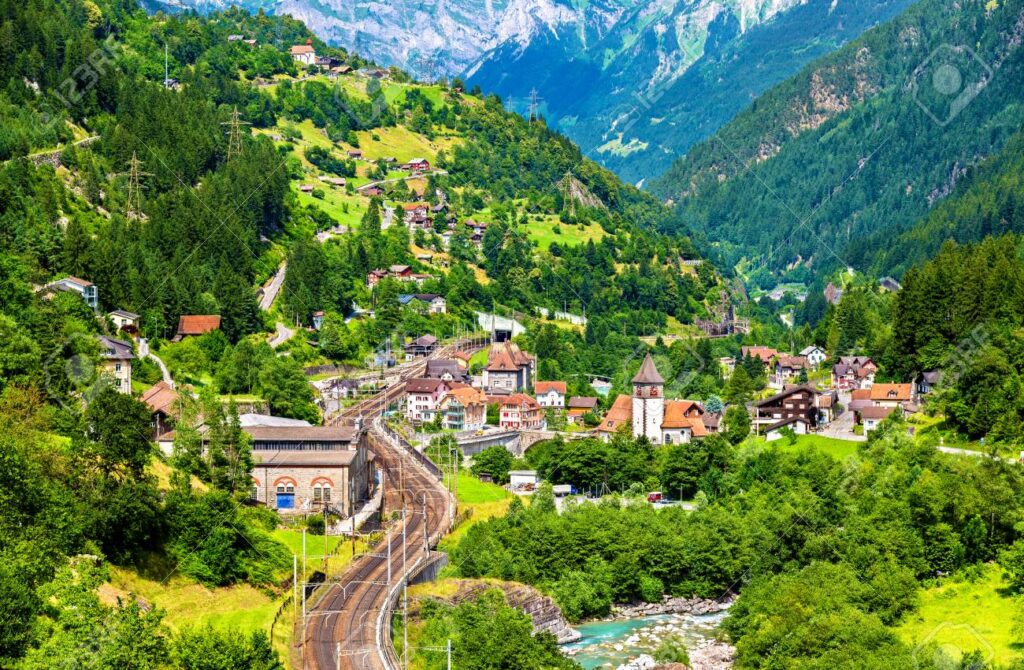
- Transit Importance: The canton is home to the vital Gotthard tunnels (transit transport) connecting Northern and Southern Europe.
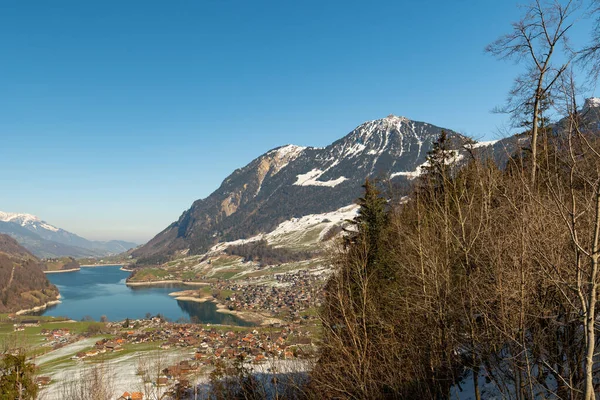
🏞️ Obwalden (OW): Tourism and Low Tax (Half-Canton)
Obwalden is one of the geographical central Half-Cantons of Switzerland.
- Economic Appeal: The canton is focused on tourism (areas like Pilatus and Engelberg). It possesses a similar appeal to fiscally attractive cantons like Zug and Schwyz due to its low tax rates.
- Political Representation: Although its status as a Half-Canton grants it less representation in the Federation compared to full cantons, its local autonomy remains complete.
✅✅ Experience / Recommendation Section:
focusAnaliz: Why Should an Immigrant Know These Cantons?
In my opinion, it is easy for a new immigrant to focus on the major cities, but understanding Switzerland’s work culture and bureaucracy requires knowing the discipline of these smaller cantons. The social order I observed in Appenzell and the political ownership in Glarus reflect the country’s fundamental values. Evaluating the low tax advantages of these cantons gains further context through articles like Swiss Tax System Cantonal Difference Guide.
✅ Step-by-Step Guide / Application: Visit Plan
✅ Step 1: Experience the Landsgemeinde
The Landsgemeinde is held annually on the first Sunday of May in Glarus and also in Appenzell I.Rh. This is the most unique and authentic experience you can witness in Switzerland. Adjust your travel plan accordingly.
✅ Step 2: Rural Integration
When staying in cantons like Jura and Appenzell, try renting a rural farmhouse (Agritourism) instead of a hotel. This allows for deeper interaction with the local population.
✅ Step 3: Focus on Local Products
Instead of seeking the glamour of financial centers in these cantons, focus on Appenzeller cheese’s secret recipe and regional delicacies like Appenzeller Alpenbitter (herbal liqueur).
✅ Cost / Fee / Duration Table: (Average for Five Cantons)
Item | Description | Cost / Status |
|---|---|---|
Accommodation | Accommodation compared to major cities (rural hotel/Airbnb) | 15-25% lower than Zurich. |
Public Transport | Train/bus network is extensive. | Easy access with Swiss Pass. |
Cost of Living | Grocery/restaurant expenses | Generally more reasonable than major cities. |
Visit Duration | Recommended time to grasp the essence of each canton | At least 1-2 full days per canton. |
✅ Frequently Asked Questions:
S: Are these cantons suitable for investment or business?
Answer: Cantons like Glarus and Appenzell can offer lower tax rates than Zurich, making them attractive for SMEs (Small and Medium-sized Enterprises) and sole proprietorships. However, the size of the labor market is limited compared to major cities.
S: Is only French spoken in Jura?
Answer: The official language of the Canton of Jura is French. German speakers may be encountered in border regions or large towns, but French is dominant in daily life.
S: Can we watch the Landsgemeinde as tourists?
Answer: Yes, the Landsgemeinde in Glarus and Appenzell are public events. Tourists can usually watch the historical event from designated grandstands or outside the ring.
✅ Alternatives: Other Lesser-Known Cantons
- Schaffhausen (SH): Unique for being almost entirely surrounded by Germany in the north. It hosts the Rhine Falls.
- Solothurn (SO): Known for its Baroque architecture and historic city center.
- Thurgau (TG): Known as the “apple canton” and located on the shores of Lake Constance (Bodensee).
✅ Recommendations / Tips:
- Attend Local Events: Try to time your visit with the cattle processions (Alpabzug) or descent (Alpaufzug) in Appenzell. I think this is an unforgettable experience.
- Hiking Route: Hiking around Seealpsee (Alpine Lake) in Appenzell is essential for experiencing the region’s unique nature.
- Prefer Small Hotels: Opt for local traditional “Gasthaus” (guesthouse) type accommodation instead of chain hotels.
✅ Conclusion:
Switzerland’s “Hidden Cantons” prove that the country is not solely about high income but possesses an identity deeply intertwined with centuries-old political culture and geography. Therefore, to fully understand Switzerland, you must move away from the glamour of the main cities and discover these secrets behind the Alps. In my opinion, the true Swiss experience lies not in a Zurich Bank, but in the community of citizens raising their hands in Glarus’s Zaunplatz Square.nda yatmaktadır.