SWITZERLAND 26 CANTON GUIDE: TOURISM, ACCOMMODATION, AND CRITICAL DIVERSE LANDSCAPES
✅ INTRODUCTION: focusAnalysis – THE STRATEGIC BALANCE OF THE ALPS AND CULTURAL DIVERSITY
Switzerland is rightfully referred to as a “Fairy-Tale Beauty” in the global tourism market, but this reputation is built upon the unique structural diversity exhibited in each of the 26 cantons. As someone who lives and works in Bern, when observing the country’s tourism model, I see how masterfully two opposing poles are balanced:
On one side, there is the high-income segment appealing to wealthy tourists, with ultra-luxurious winter sports centers in St. Moritz and luxurious scenic experiences like the Bernina Express. On the other side, there are accessible infrastructures like free bike parks in St. Gallen or relatively affordable rental costs in Valais, which open the door to experiencing the country even for the Working Poor segment.
The secret to Switzerland’s success is its ability to masterfully balance high-quality, yet accessible sports infrastructure despite being a high-cost destination. This is not just a social gesture, but a strategic economic move: it acts as a buffer against seasonal and economic fluctuations in tourism demand, preventing income flow from depending on a single luxury segment. This guide analyzes the tourism identity of the 26 cantons and highlights, in particular, how crucial the social sustainability model in Valais is for the stability of the local workforce.
✅ Quick Summary Table
Region/Canton | Dominant Tourism Identity | Strategic Focus in Tourism | Social/Economic Reality |
|---|---|---|---|
Graubünden | Luxury Winter & Mountain | Rail Engineering (UNESCO) and Ultra-Luxury | High income, global elite target audience. |
Ticino | Mediterranean/Lake Tourism | Cultural Atmosphere and Wilderness Protection | Relatively affordable housing rentals. |
Valais | Alpine Skiing & Nature | High Homeownership Rate and Housing Cost Balance | Social Sustainability Paradox. |
Appenzell | Intense Cultural Tradition | Alpine Procession (Alpabzug) and Authentic Rural Experience | Extension of the tourism season (summer/autumn). |
🎯 Main Definition
The tourism profile of Switzerland’s 26 cantons is a globally unique mosaic of diversity, built upon local identity, high-quality infrastructure, and strategic economic balance, extending from High Alpine sports (Graubünden) to Mediterranean-influenced lake tourism (Ticino), authentic rural traditions (Appenzell), and UNESCO heritage management (Bellinzona).
✅ CORE INFORMATION
Switzerland’s tourism appeal rests on its structural integrity beyond natural landscapes. The country also positions itself as a global guardian through the way it manages its UNESCO heritage.
Most of the heritage sites in Switzerland are transnational sites shared on an international scale. This demonstrates that Switzerland views its heritage not just as an asset belonging solely to itself, but also as a global responsibility. For instance, the Rhaetian Railway and Monte San Giorgio are shared with Italy, and the Prehistoric Pile Dwellings around the Alps are shared with five countries. Forest parts in the Ticino and Solothurn cantons are also included in the Ancient and Primeval Beech Forests heritage site. This structure serves the strategy of shifting tourist flow from a seasonal tourism based on natural landscapes to a year-round cultural tourism that encompasses modern and historical heritages.
✅ DETAILED GUIDE
Switzerland’s tourism diversity is represented by four critical geographical and cultural axes:
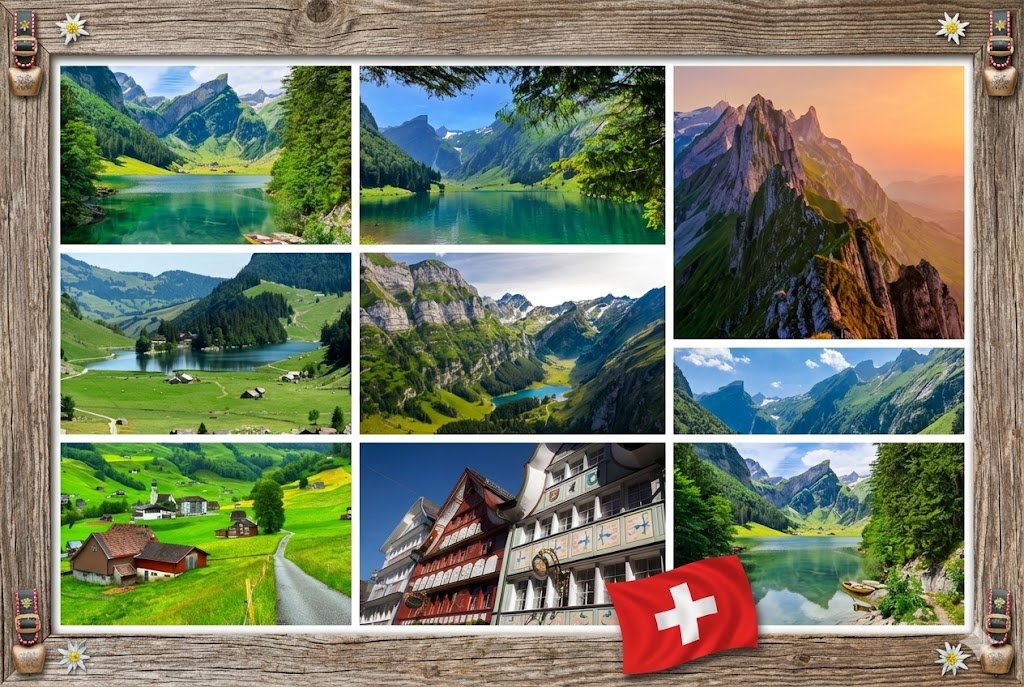
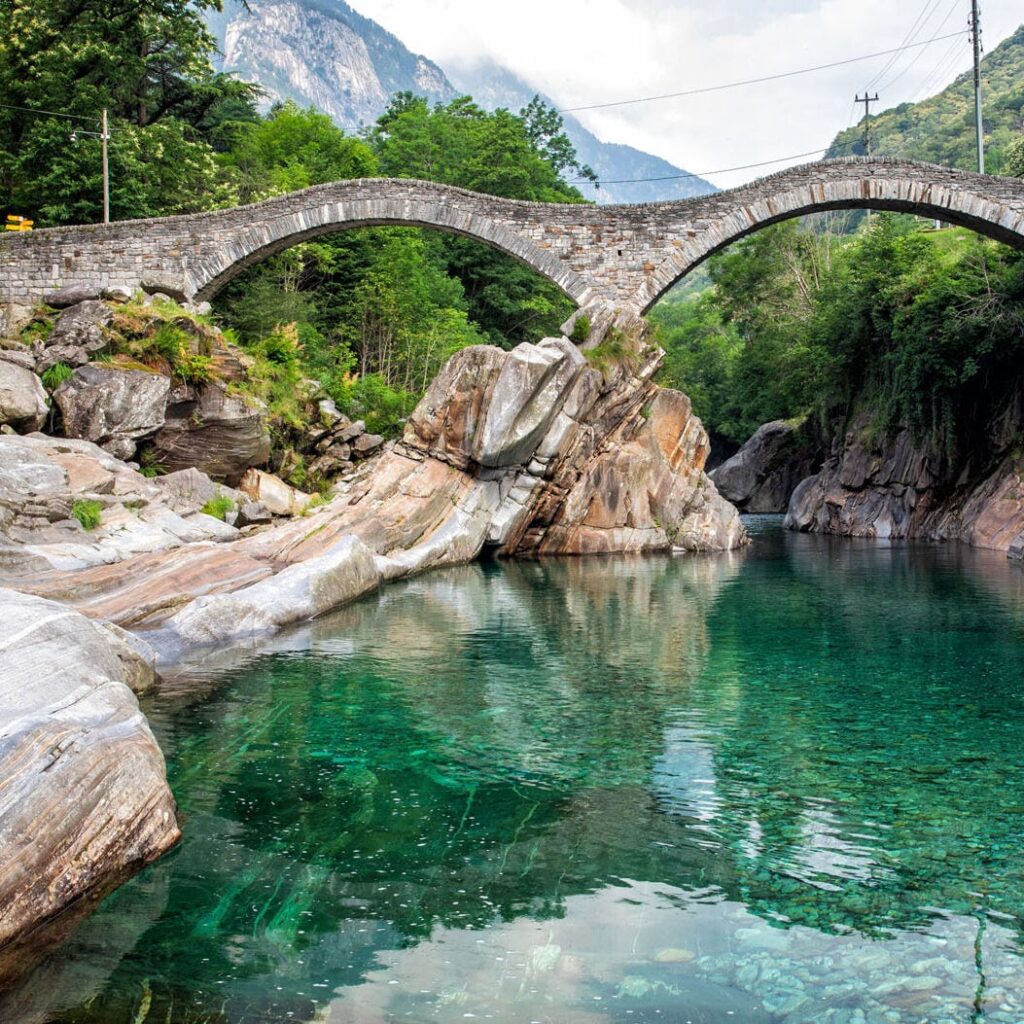
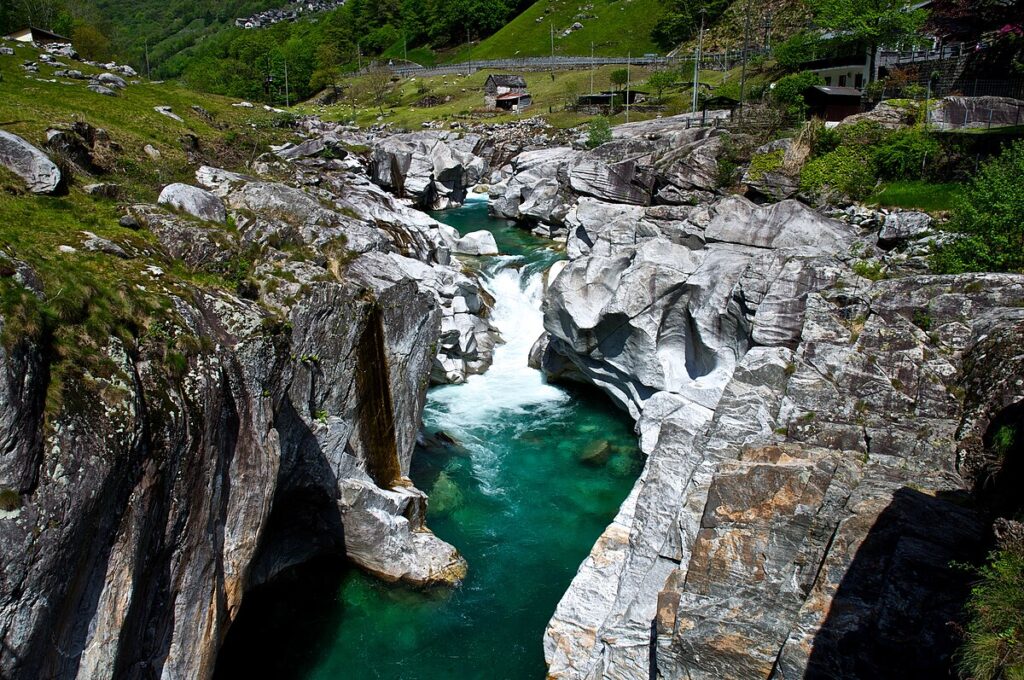
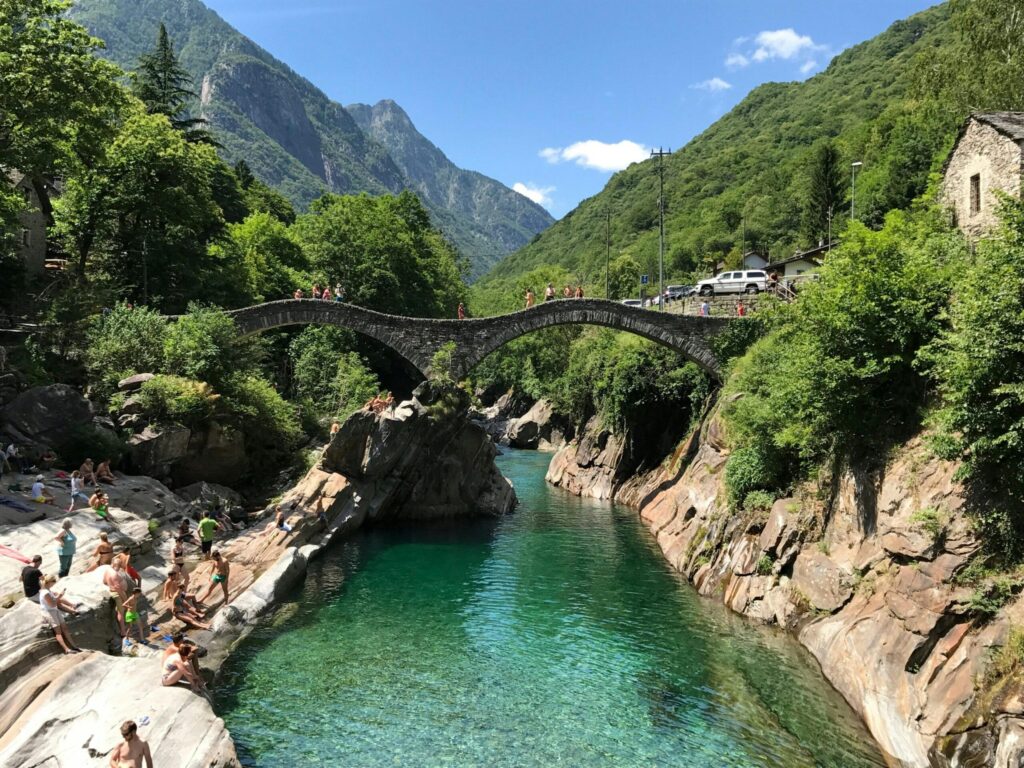
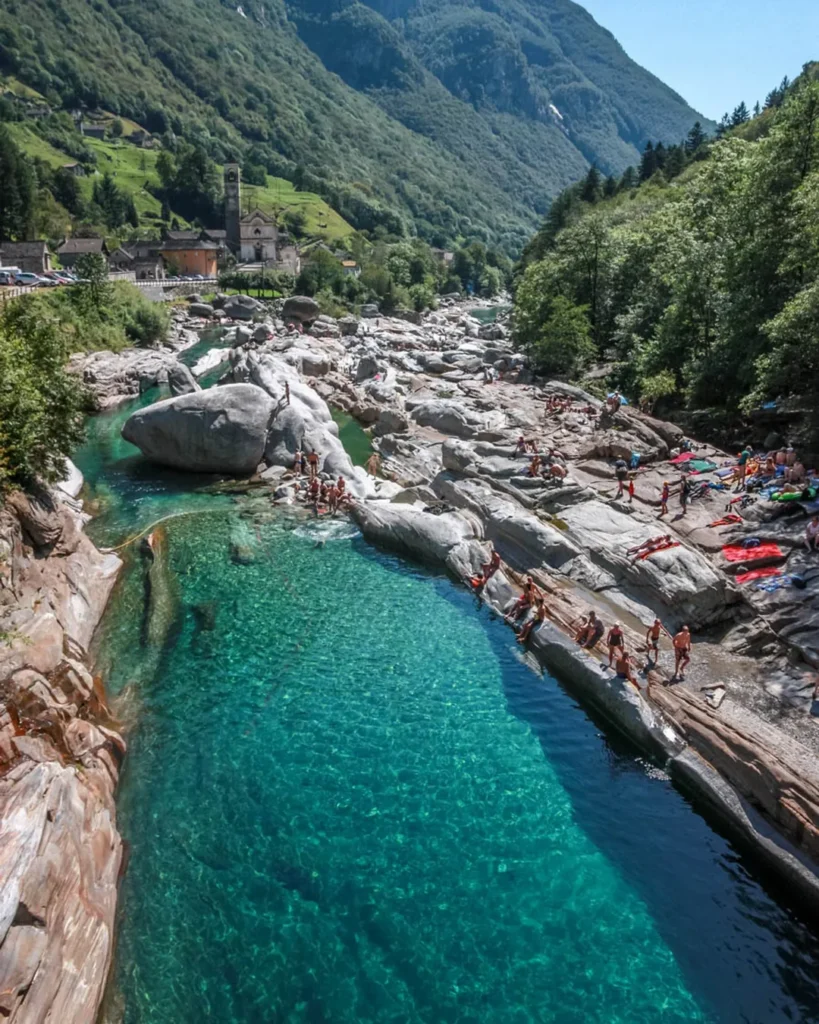
- 📌 Ticino (Tessin): Mediterranean Identity and Rural Wilderness: Ticino presents a sharp climatic and cultural separation from the rest of the country; palm trees and mild winters underscore the Mediterranean influence. The region hosts pristine wilderness beauties like the Maggia Valley and the Roman Bridge in the Verzasca Valley with its clear water. The lively Piazza Della Riforma around Lake Lugano is the urban social hub. In terms of housing, Ticino remains one of the regions where renting is relatively affordable.
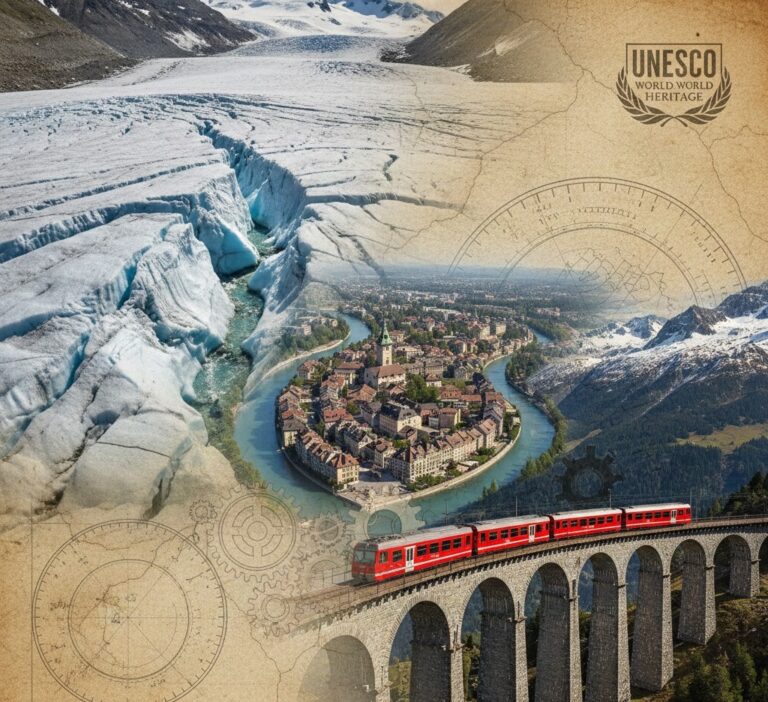
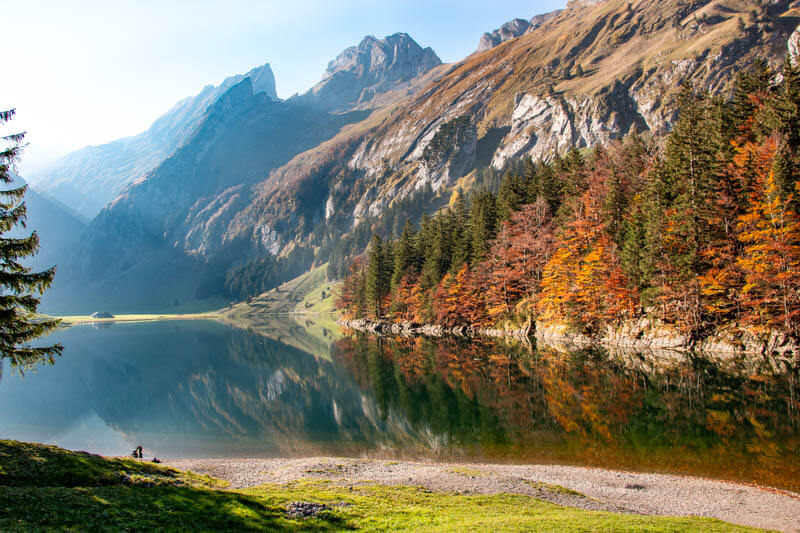
- 📌 Graubünden (Grisons): Ultra-Luxury and Transport Engineering: This canton hosts international capitals of winter sports like St. Moritz. The scenery of the Piz Bernina mountain range is complemented by the fact that the Rhaetian Railway line here is registered as a UNESCO World Heritage Site, turning transport itself into a luxury product. This is also one of the main regions where Romansh, the fourth national language of Switzerland, is spoken.
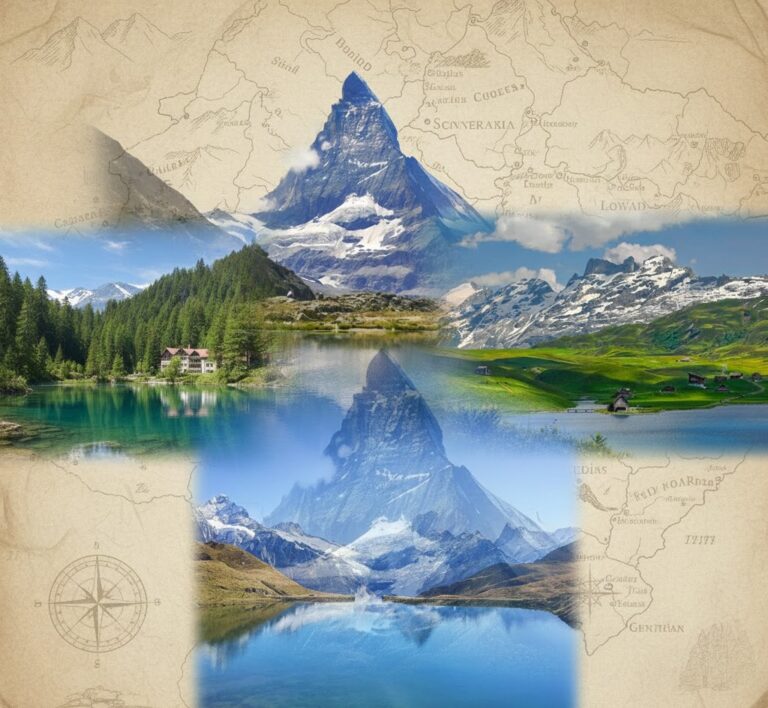
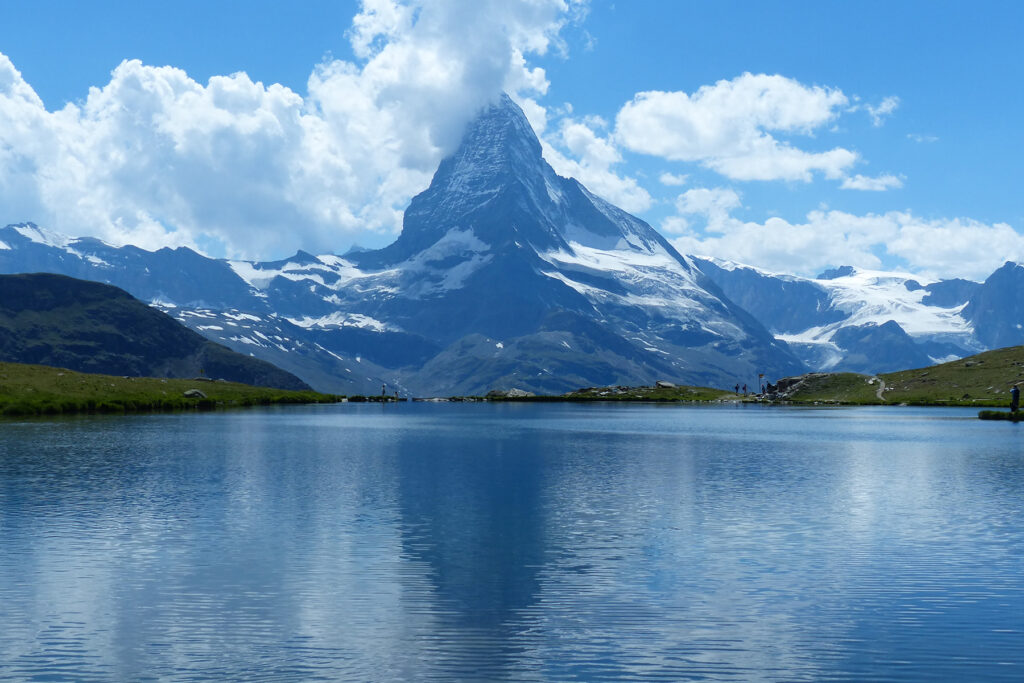
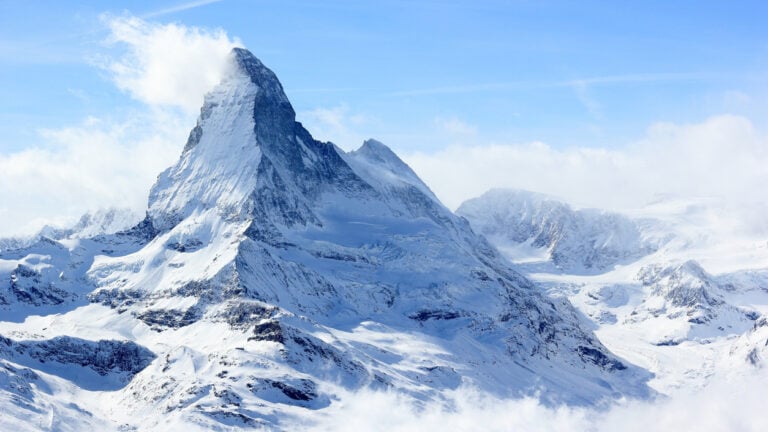
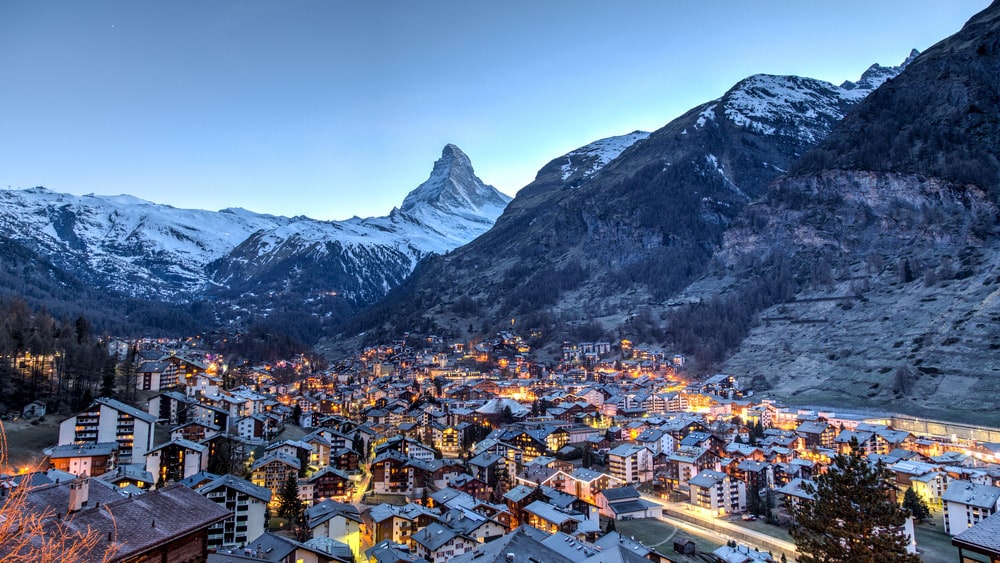
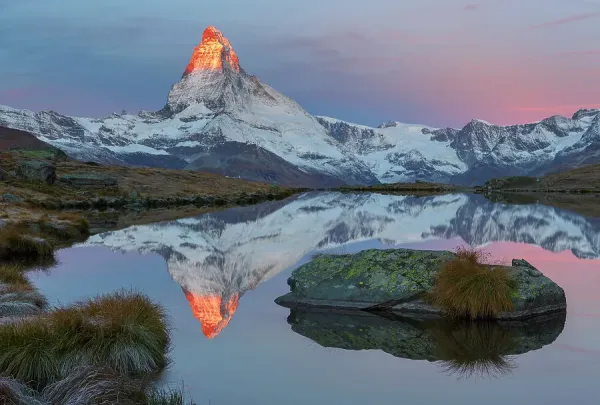
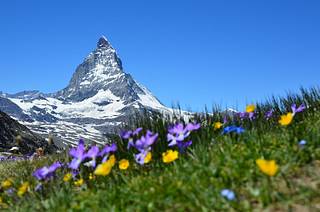
- 📌 Valais (Wallis): The Paradox of Social Sustainability: An developed Alpine tourism region, known for its proximity to peaks like the Matterhorn and Mont Blanc. It is noteworthy that the Canton manages its tourism revenue without creating the intense housing pressure seen in metropolitan areas. A homeownership rate of 53.8% and relatively affordable rental costs by Swiss standards keeps Valais a stable and attractive living space not only for tourists but also for the local workforce in the tourism sector. The proximity to such an Alpine natural wonder makes it an ideal place for exploration.
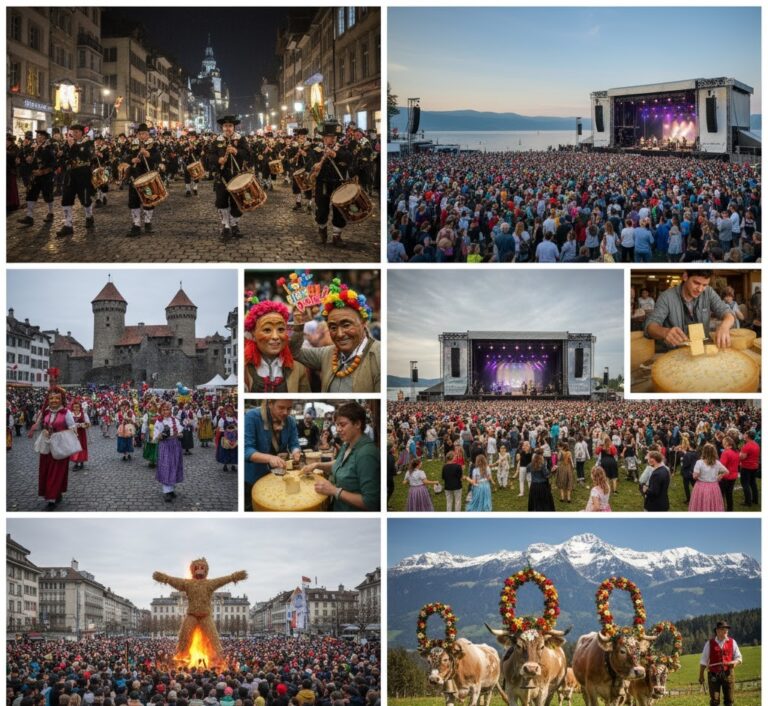
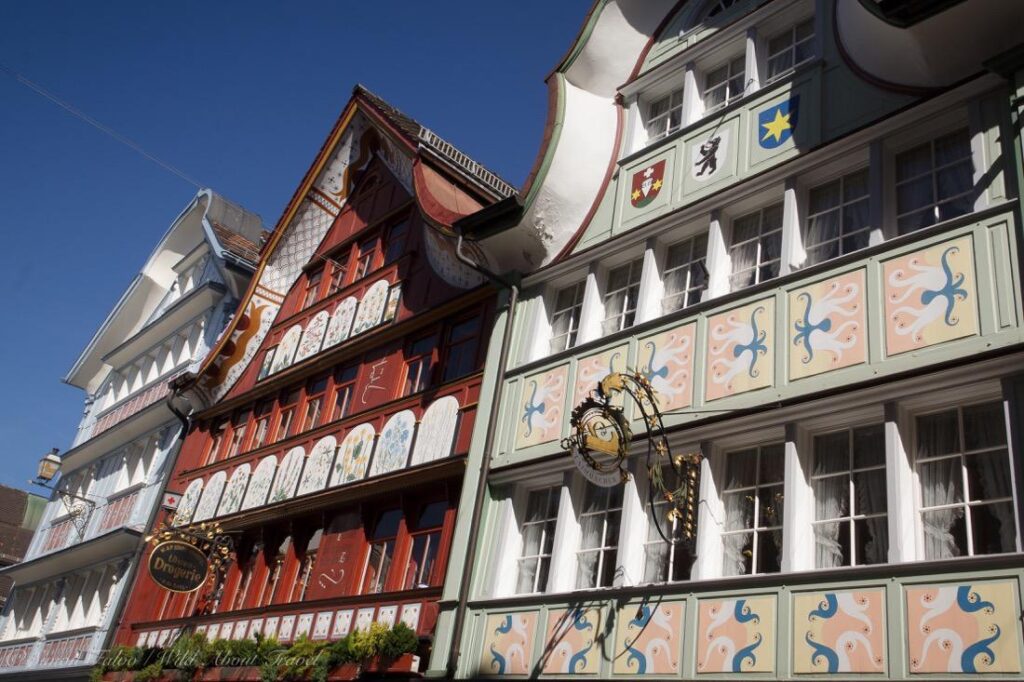
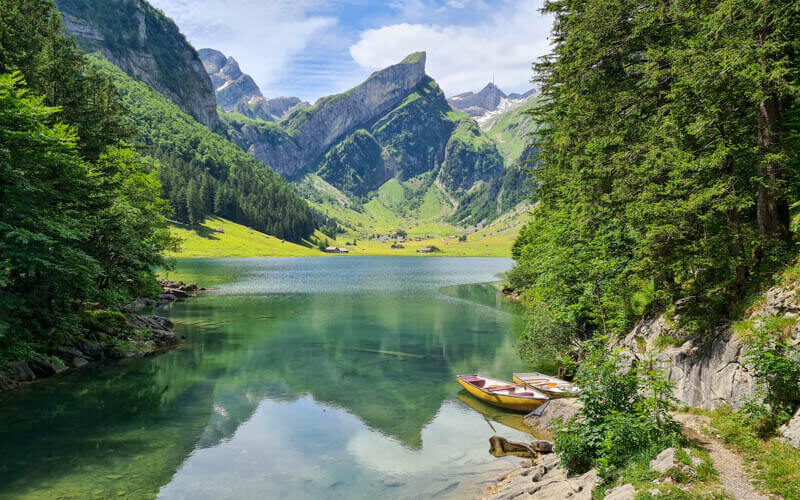
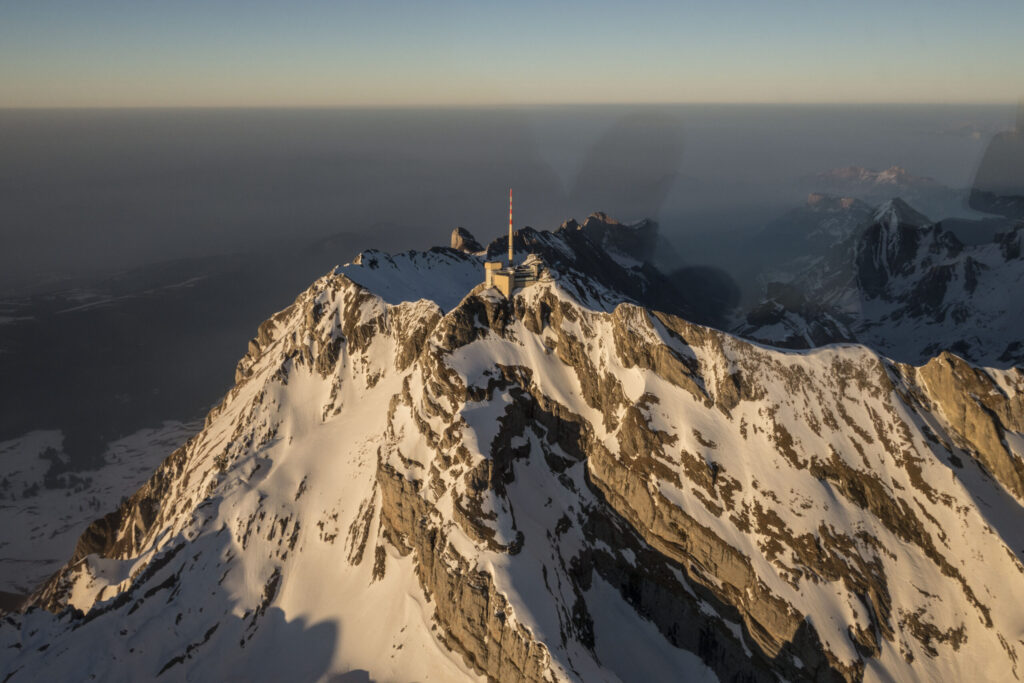
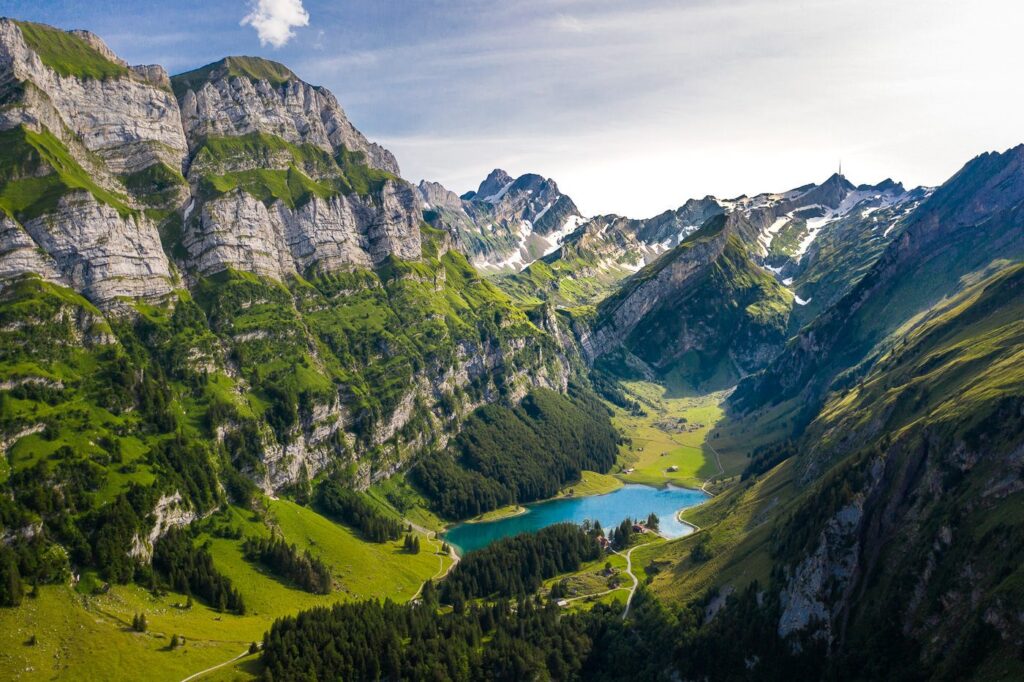
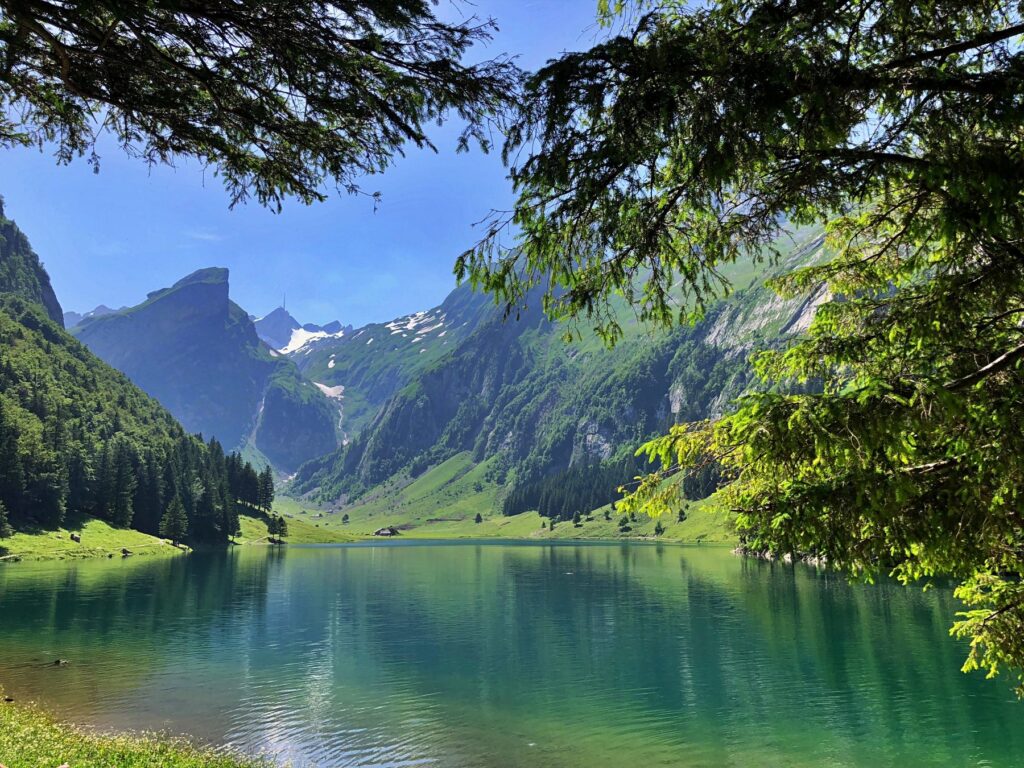
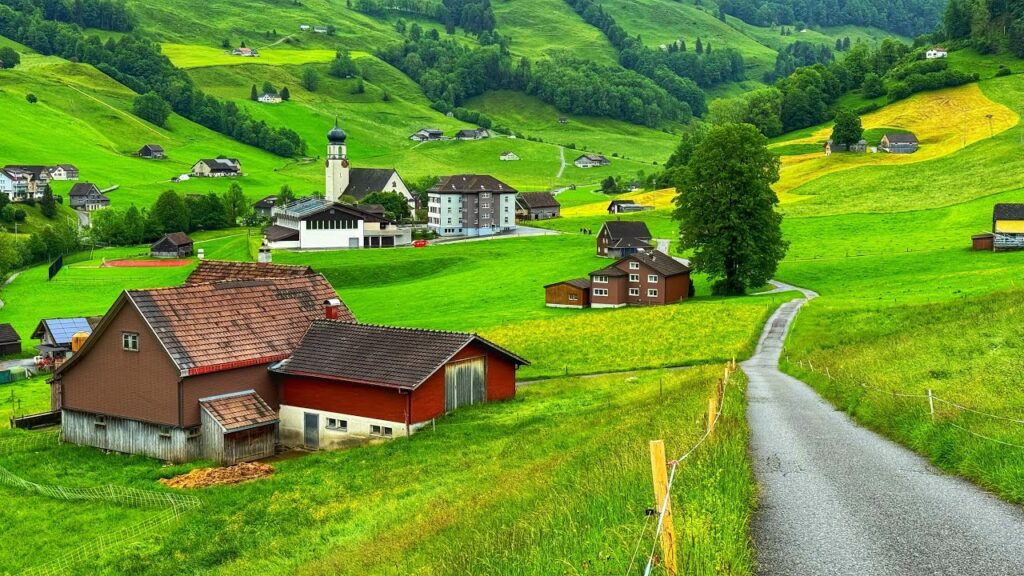
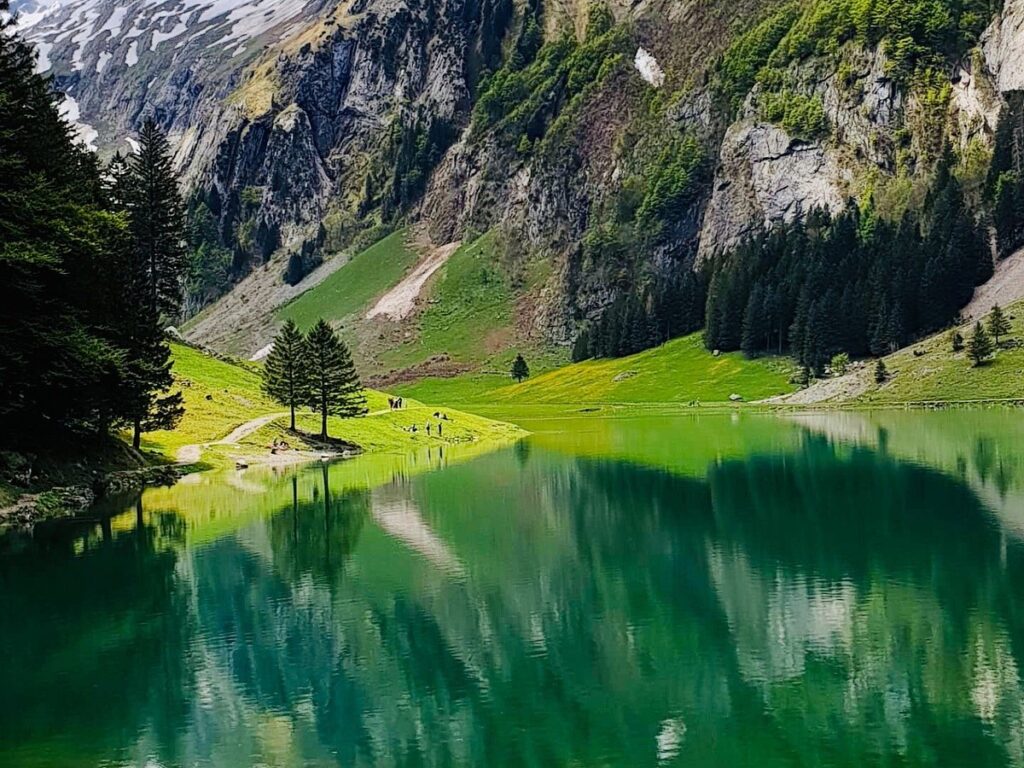
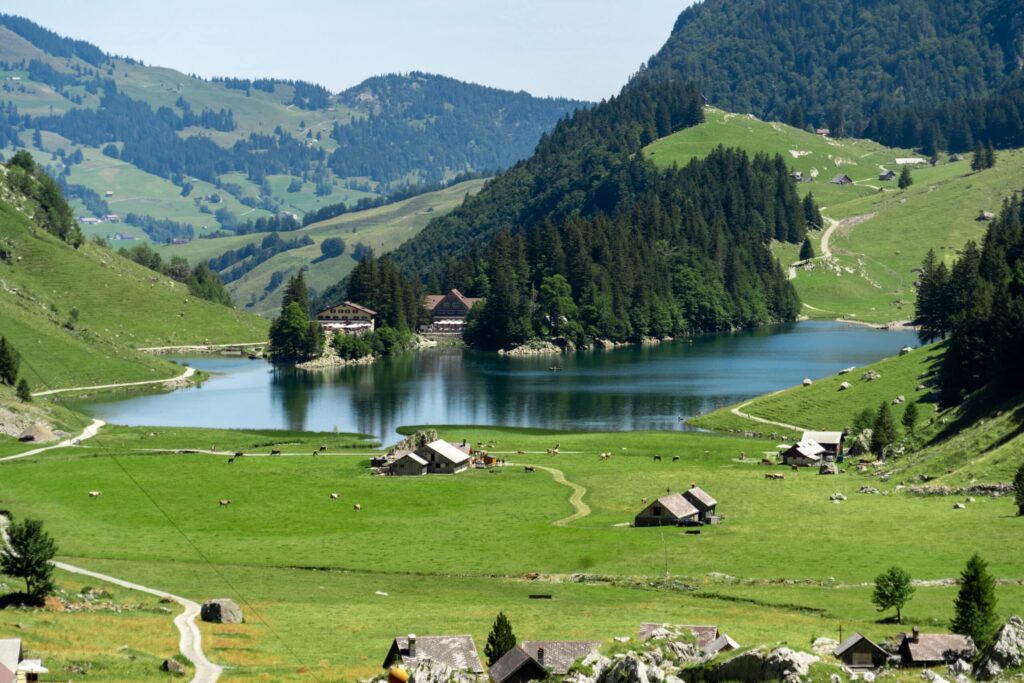
- 📌 Appenzell Innerrhoden and Ausserrhoden: Intense Traditions: The Appenzell cantons build their tourism on authentic cultural traditions like the Alpine Procession (Alpabzug) ceremonies and cattle shows. These events help extend the tourism season beyond the traditional summer months, spanning into summer and autumn. Access to the rural area is ensured by integrated bus networks.
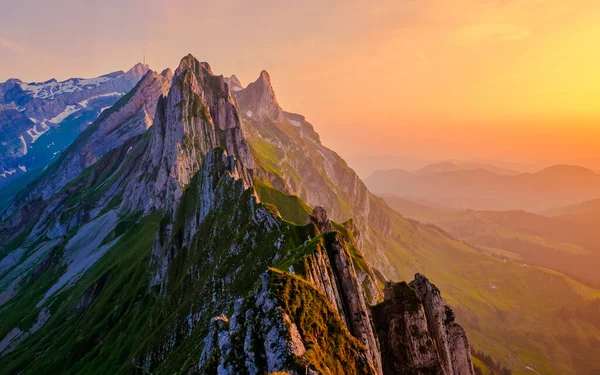
If you would like to find more information about the most impressive hiking routes and natural wonders in the Swiss Alps, you can find out more about this Alpine natural wonder by reading our article.
✅ focusAnalysis: EXPERIENCE / ADVICE SECTION
As a chef/pizzaiolo living in Bern and struggling with high rents, I clearly see the sharp contrasts in Switzerland’s tourism portfolio. The ultra-luxury winter tourism in Graubünden (St. Moritz) and the tradition of playing polo on ice represent the very top of Switzerland’s income spectrum.
However, the success of Valais Canton in keeping rents relatively affordable while sustaining tourism success and maintaining a high homeownership rate (53.8%) is a genuine lesson in social sustainability for me. While workers are priced out of tourist centers globally, Valais’s policy ensures that the Working Poor segment working in the sector can also live in the region and maintain stability. This model proves that economic development does not have to come at the expense of the local population’s quality of life.
If you want to learn about the reality of wages in this environment, read our article detailing the detailed wage analysis.
✅ ADAPTATION ROADMAP
Budget-friendly and efficient steps for achieving a diverse tourist experience across Switzerland’s 26 cantons:
- Determine Tourist Identity: When planning your trip, center your focus on the Canton’s dominant tourism type (Valais: Alpine nature; Appenzell: Tradition; Graubünden: Luxury winter) and choose appropriate mobility passes (STP, regional passes).
- Integrate Free Activities: Replace costly mountain excursions with free active offerings, such as health-beneficial running/hiking routes across the country or bike parks in the St. Gallen Rhine Valley.
- Follow Local Festivals: Extend your travel season and gain deep, low-cost cultural experiences by following authentic, seasonal folk festivals like the Alpine Procession (Alpabzug) in Appenzell.
- Use the Logistical Advantage: Use transport networks that are engineering marvels, such as the Rhaetian Railway, not just as a means of transport but as a landscape tourism product in itself.
- Regionally Compare Accommodation Costs: For accommodation, evaluate cantons like Valais, Ticino, or Jura, where renting is relatively affordable, as alternatives to financial centers like Zurich/Geneva, to establish a budget balance.
✅ QUANTITATIVE DATA AND FINANCIAL STRATEGY COMPARISON
This table summarizes the main tourism identities and economic profiles of the 26 cantons.
Canton Name | Capital | Dominant Tourism Type | Highlighted Attraction/Heritage Site | Economic Tourism Type |
|---|---|---|---|---|
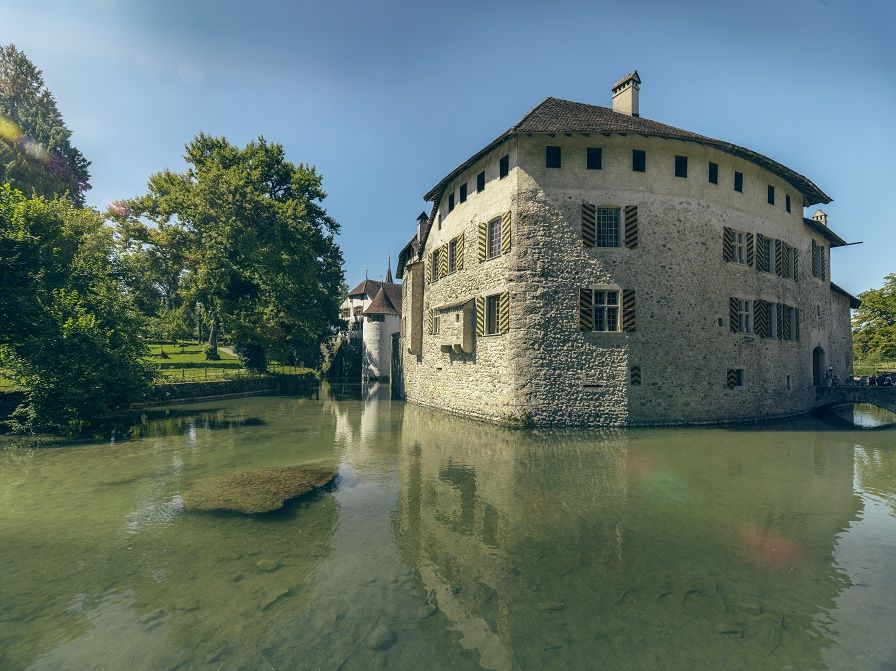
Aargau | Aarau | History & River Tourism | Habsburg Castle | Mid-Level |
Appenzell Innerrhoden | Appenzell | Cultural Traditions | Alpine Procession (Alpabzug) | Rural, Experience-Focused |
Appenzell Ausserrhoden | Herisau/Trogen | Nature & Hiking | Integrated Rural Bus Network | Rural, Nature-Focused |
Basel-Landschaft | Liestal | Historical Castles, Rural | Historical Archaeological Sites | Transit/Culture |
Basel-Stadt | Basel | Culture & Business Tourism | Rhine River, Art Basel | Metropolitan, High Income |
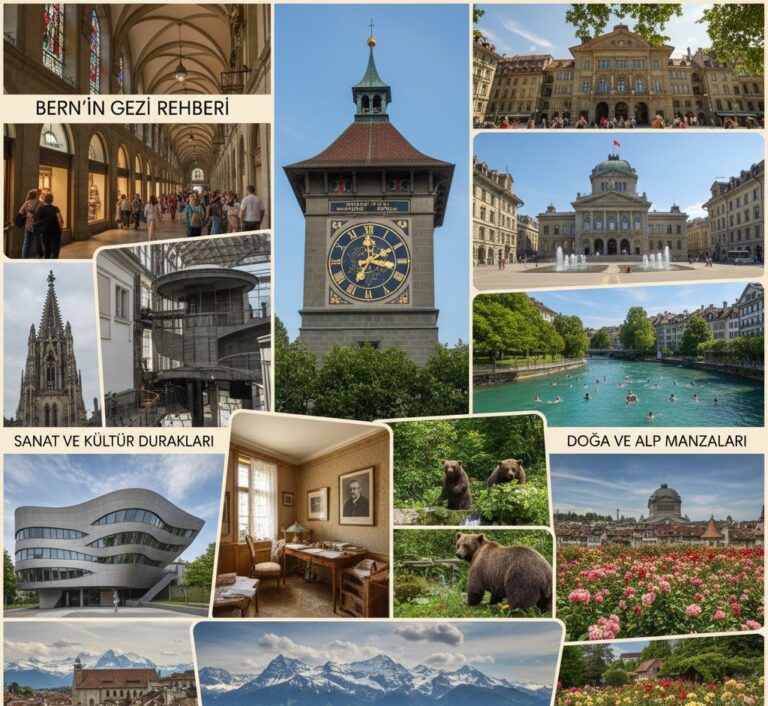
Bern | Bern | History & Alpine Tourism | Bern Old City (UNESCO) | High (Federal Centre) |
Fribourg | Fribourg | History & Bilingualism | Medieval City | Mid-Level |
Geneva (Genève) | Geneva | International/Luxury Tourism | UN Centre, Lake Geneva | Metropolitan, International |
Glarus | Glarus | Nature & Geology | Glarus thrust (UNESCO Site) | Niche, Nature-Focused |
Graubünden | Chur | Luxury Winter & Mountain Tourism | St. Moritz, Bernina Express | Luxury, High Income |
Jura | Delémont | Nature & Watchmaking | Affordable Rental Region | Mid-Level |
Lucerne | Lucerne | Central Tourism & History | Chapel Bridge | High, Central |
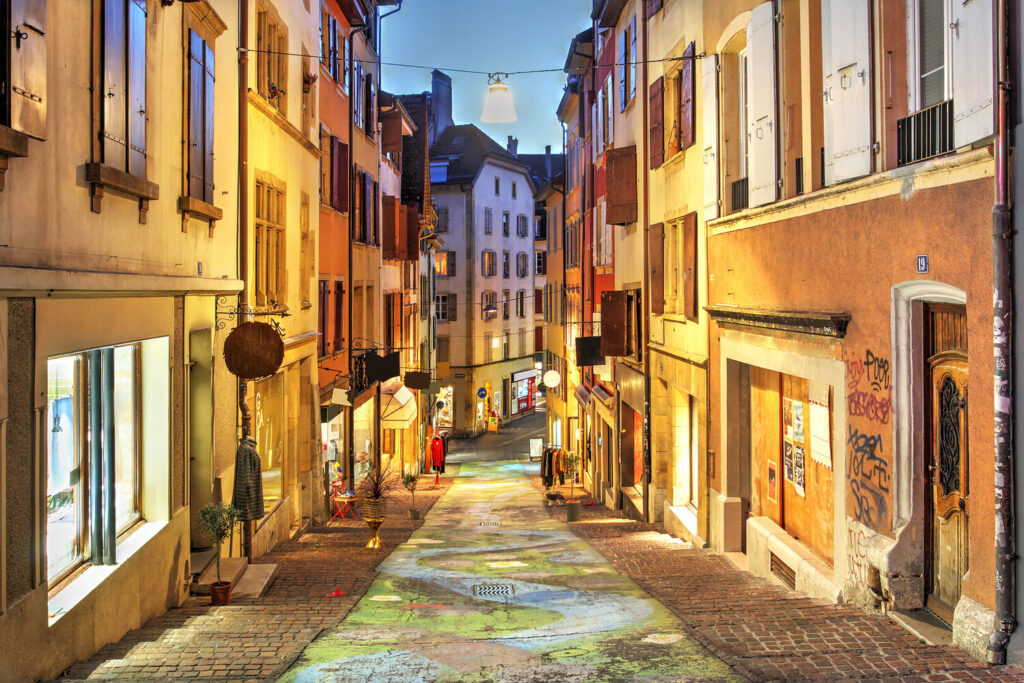
Neuchâtel | Neuchâtel | Lake & Watchmaking | Lake Neuchâtel | Mid-Level |
Nidwalden | Stans | Lake & Alpine Tourism | Lake Lucerne | Mid-Level |
Obwalden | Sarnen | Lake & Alpine Tourism | Rural Areas | Mid-Level |
St. Gallen | St. Gallen | Culture & Activity | Abbey of St. Gall (UNESCO), Free Bike Parks | Culture & Active |
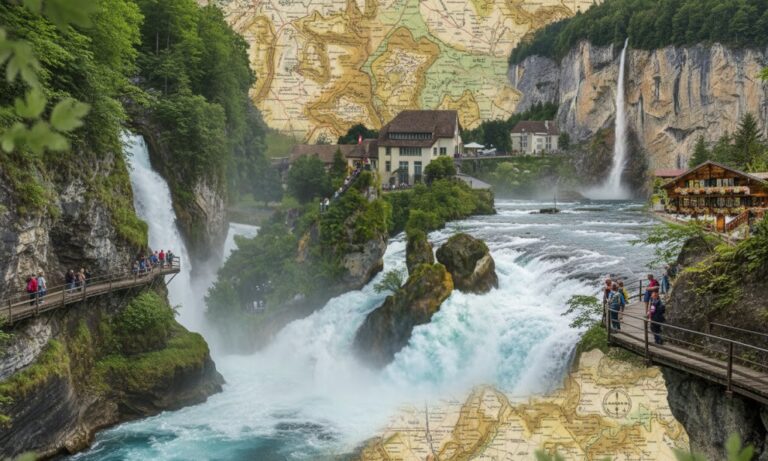
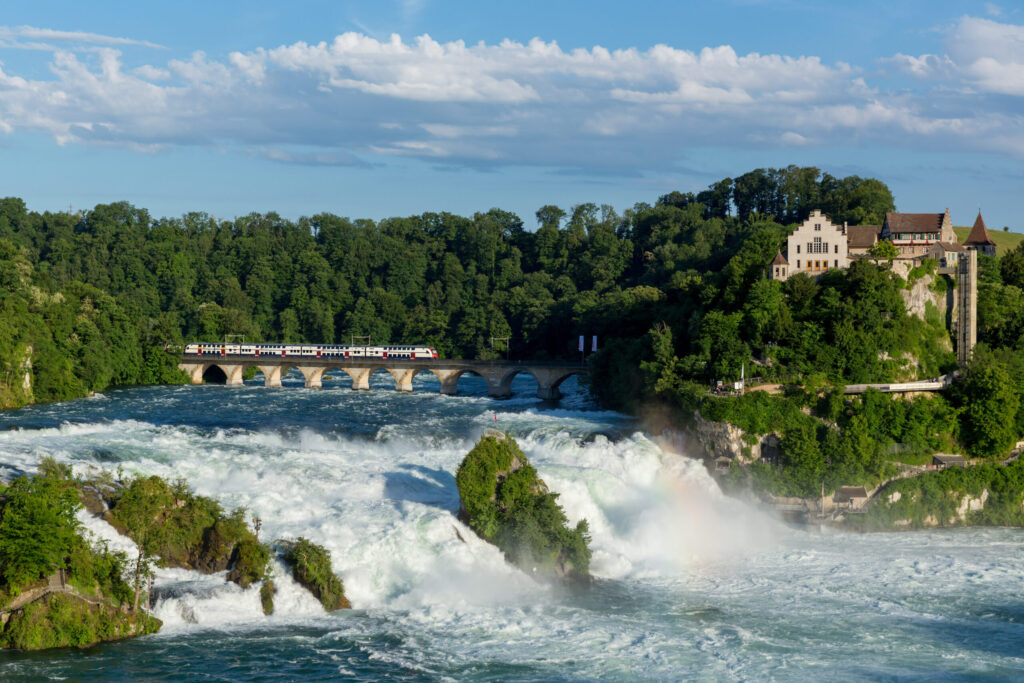
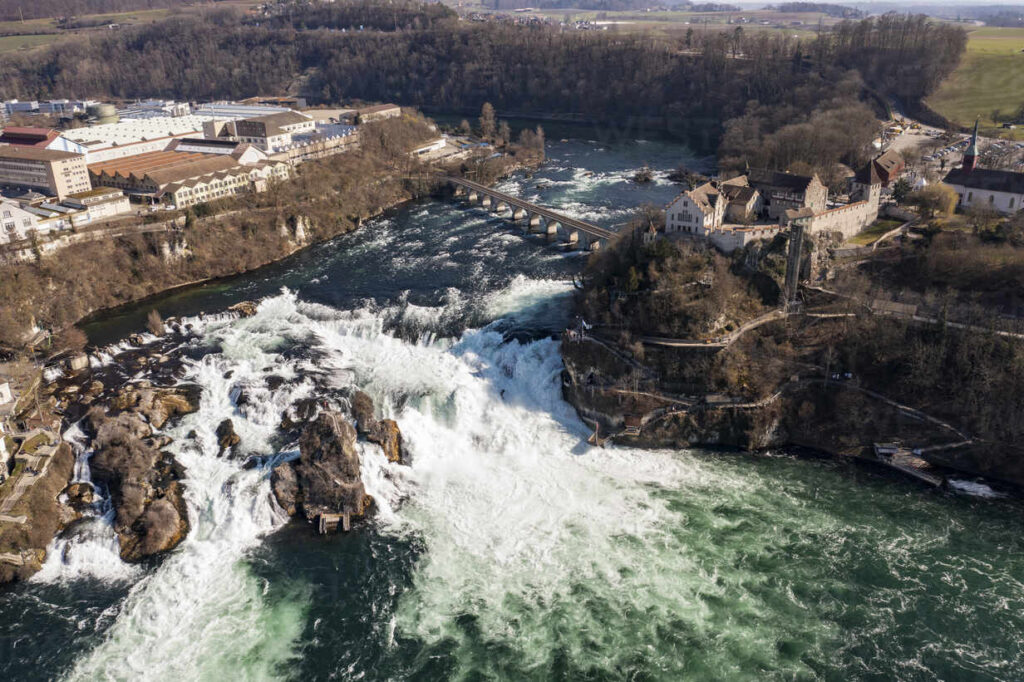
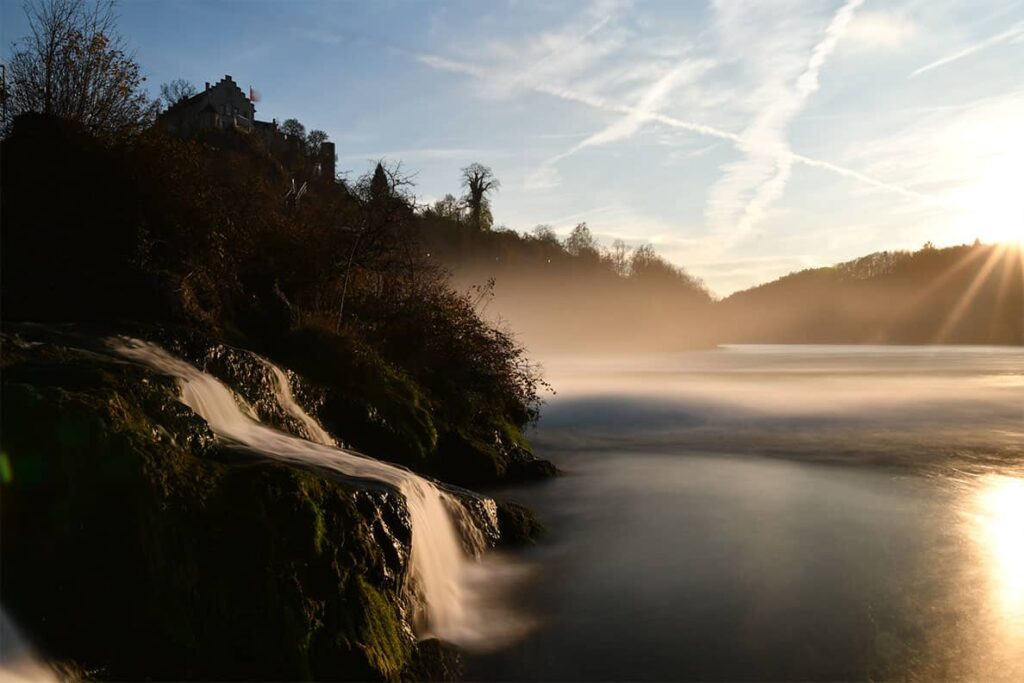
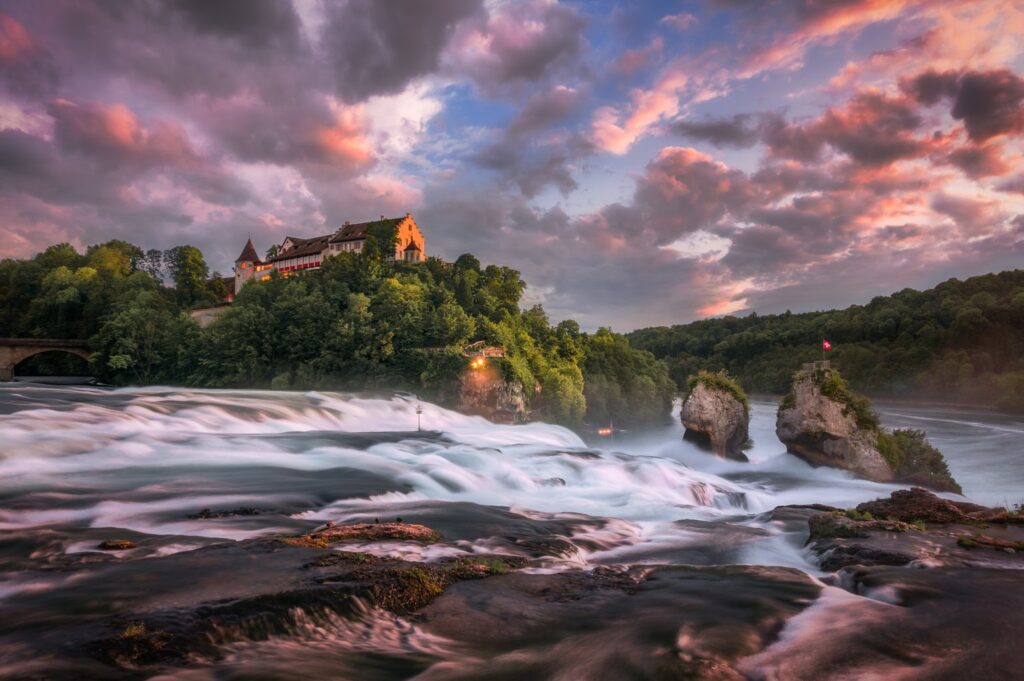
Schaffhausen | Schaffhausen | Nature & History | Rhine Falls (Rheinfall) | Mid/High |
Solothurn | Solothurn | History & Baroque Architecture | Forêt de la Bettlachstock (Beech Forest UNESCO) | Mid-Level |
Schwyz | Schwyz | Confederation History | Rütli Meadow | Mid-Level |
Ticino | Bellinzona | Mediterranean/Lake Tourism | Verzasca Valley, Bellinzona Castles (UNESCO) | Mediterranean, Culture |
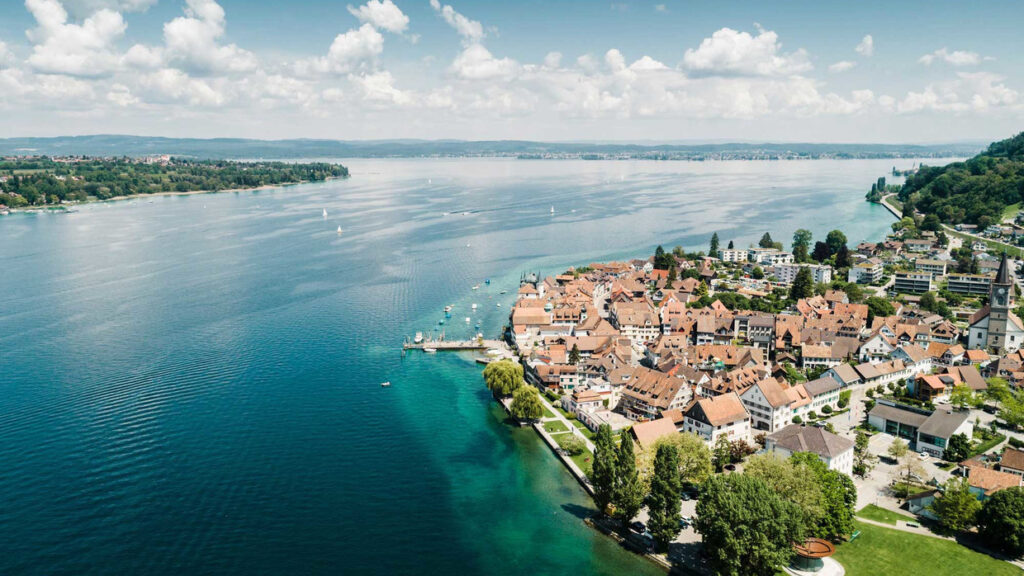
Thurgau | Frauenfeld | Agriculture & Lake Tourism | Lake Constance Shore | Rural, Seasonal |
Uri | Altdorf | Pass & Alpine Tourism | Gotthard Pass | Transit-Focused |
Valais | Sion | Alpine Skiing & Nature | High Homeownership Rate | Developed, Sustainable |
Vaud | Lausanne | Wine & Lake Tourism | Lavaux Vineyards (UNESCO) | High (Culture-Focused) |
Zug | Zug | Finance & Lake Tourism | Low Tax Status, Business-Focused | Metropolitan, Very High Income |
Zurich | Zurich | Finance & City Tourism | Lake Zurich, Financial Centre | Metropolitan, Very High Income |
❓ FAQ (Frequently Asked Questions)
❓ Why does tourism in Switzerland remain resilient despite the high costs?
Answer: Switzerland maintains its market resilience by sustaining the luxury segment (St. Moritz, Bernina Express) while simultaneously offering free active sports infrastructure (bike parks, hiking routes). This is a strategic balancing mechanism that prevents tourism demand from being dependent on a single class.
❓ How does Valais Canton manage to balance housing costs despite high tourism revenue?
Answer: Valais maintains a high homeownership rate of 53.8% and manages its high tourism revenue without creating the intense housing pressure seen in metropolitan areas. This is a deliberate social sustainability model that allows the local workforce to live and maintain stability in the region.
❓ Which cantons are more affordable for immigrants in terms of housing rent?
Answer: The Cantons of Valais, Ticino (Tessin), and Jura are among the regions where accommodation rentals remain relatively affordable by Swiss standards. Rental market pressure is lower in these cantons compared to Zurich or Geneva.
❓ What distinguishes Switzerland’s tourism infrastructure besides luxury trains?
Answer: Beyond luxury trains, Switzerland’s infrastructure is notable for supporting active tourism and accessibility with freely accessible bike parks like in St. Gallen and integrated, cross-cantonal Mobilis/bus networks.
❓ What cultural and climatic features distinguish Ticino from other Swiss cantons?
Answer: Ticino has a Mediterranean influence, with mild winters and warm summers where palm trees grow and Italian culture is strongly felt. This sharply separates it from the Alpine and Traditional Swiss regions.
❓ How is UNESCO heritage managed across multiple countries in Switzerland?
Answer: Many heritage sites in Switzerland (e.g., Rhaetian Railway, Prehistoric Pile Dwellings) are registered as transnational sites. This requires joint management through international treaties, underpinning the view that heritage is a global rather than just a national responsibility.
❓ How does UNESCO heritage influence cantonal tourism?
Answer: UNESCO listings (like Lavaux, Montreux Jazz Archives) serve the strategy of shifting tourist flow from a seasonal tourism based only on natural landscapes to a year-round tourism that encompasses modern and historical heritages.
❓ Which cantons represent the historical core and Confederation identity of Switzerland?
Answer: The Central Swiss Cantons of Schwyz (Rütli Meadow), Uri (Gotthard Pass), and Glarus represent the founding legends of the Confederation, its strategic passes, and its historical backbone.
✅ ALTERNATIVES
Alternatives that balance budget and experience against high-cost Swiss tourism:
- Rail Luxury Alternative: Enjoy the Alpine scenery by traveling on regional routes instead of ultra-luxury trains like the Bernina Express. Switzerland’s rail network itself is an engineering marvel.
- Cultural Experience: Visit authentic, seasonal folk festivals like the Alpine Procession (Alpabzug) in Appenzell or cattle shows across the country. Use these opportunities to explore uncrowded routes and experience the less-known side of Swiss life.
- Bike Network Usage: Eliminate transport and activity costs by using free bike parks like in the St. Gallen Rhine Valley or designated cycling routes.
✅ SUGGESTIONS / TIPS
- Understand Local Balance: Study Valais’s model of keeping rents affordable and Appenzell’s cultural intensity. This shows that economic inequality in Switzerland is handled with different social strategies in each canton.
- Historical Significance of Passes: Remember when visiting passes in Uri (Gotthard) and San Bernardino that these routes represent the historical strategic backbone of Switzerland.
- Focus on UNESCO Niches: Concentrate on niche regions like the medieval castles of Bellinzona (Ticino) or the geological heritage of Glarus, avoiding major tourist flows while offering unique cultural depth.
- Mediterranean Break: After your experiences in the northern and central cantons, make the transition to the Mediterranean culture in the Italian-Swiss region.
✅ CONCLUSION
The tourism profile of the 26 Swiss cantons reflects a sophisticated tourism model based on cultural stability and economic flexibility, rather than solely on natural beauty. While the luxury segment is fostered, local policies like the social sustainability model of Valais aim to protect the quality of life of the workforce, which is key to the long-term success and competitiveness of Swiss tourism. The country will continue to use this balance to present its cultural and geographical diversity as a unique global standard of quality.
Final Bibliography
The table below lists the high-authority websites that served as sources for our research:
Wikipedia’s detailed list of World Heritage Sites in Switzerland, providing location, year listed, and UNESCO data. (https://en.wikipedia.org/wiki/List_of_World_Heritage_Sites_in_Switzerland)
General information about leisure and recreational activities across Switzerland. (https://www.swissactivities.com/freizeitaktivitaeten/)
The official website of Switzerland Tourism, detailing geographical and cultural diversity, destinations, and tourist experiences. (https://www.myswitzerland.com/en/)