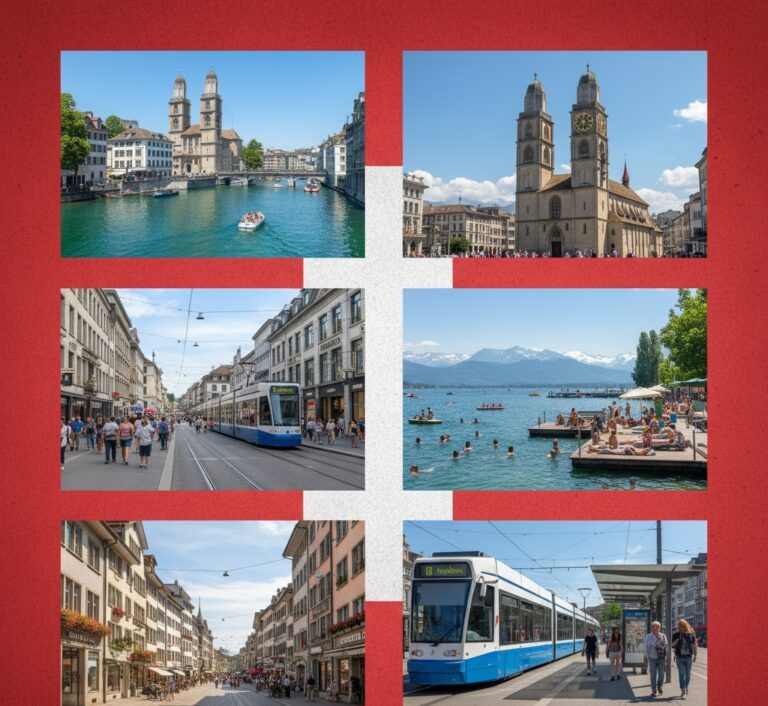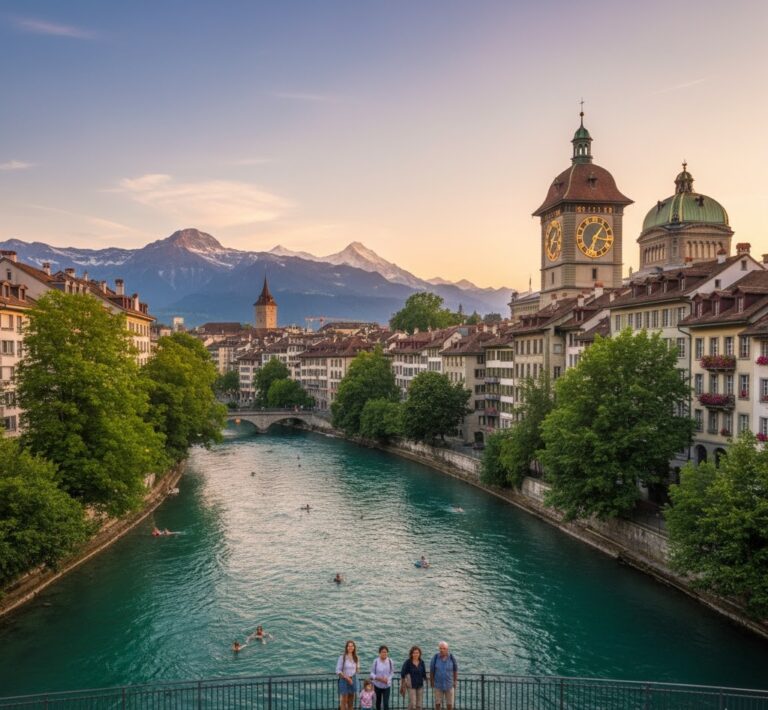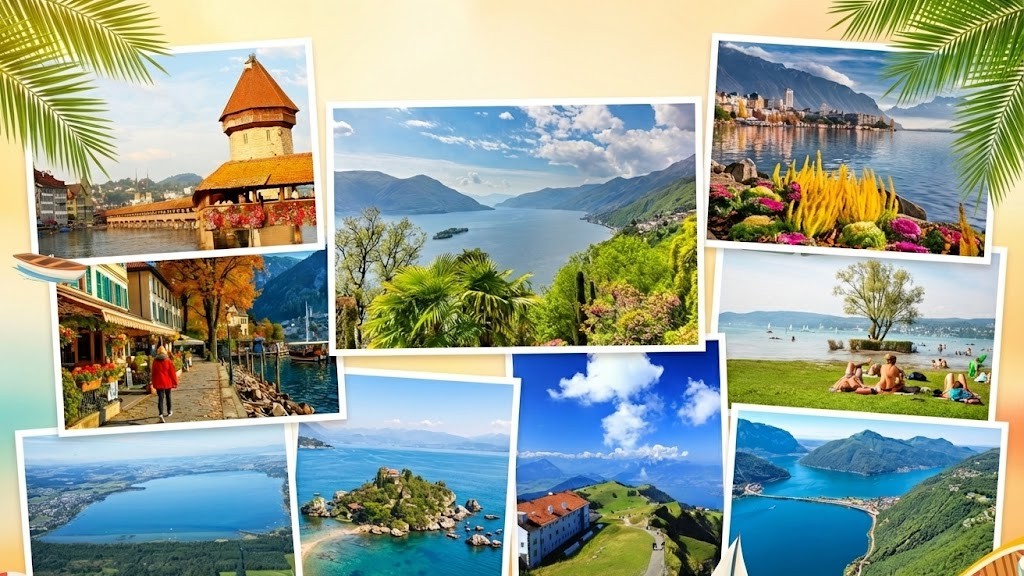
The Biggest Lakes and Lakeside Cities: History, Luxury, and Nature on Switzerland’s Iconic Waterways
focusAnalysis: The Economic Reality of Waterways from a Chef’s Perspective
Switzerland, with its lakeside cities offering Mediterranean breezes and the dramatic backdrop of Alpine peaks, is one of the world’s most prestigious tourist destinations. This detailed analysis examines the iconic waterways—from the luxury of Geneva, the historical fabric of Lucerne, to the Italian warmth of Ticino—and their impeccable logistical infrastructure. As your travel companion, I want to emphasize that, as someone who lives in Bern, I experience the economic reality behind this visual feast firsthand. The “Vertical Tourism Model” mentioned in the report is a perfect example of high-priced experiences enabled by combining the lake and the mountains. As a chef in the gastronomy sector, I know well the cost stress caused by major monopolies dominating the market, and that these luxury tourism packages are, unfortunately, just a dream for working class people struggling against the high cost of living (the Working Poor). Remember: this flawless beauty comes at a price, which opens the door to structural issues like the “1.5 wage reality” affecting many families’ standards of living.
✅ Quick Summary Table: Switzerland’s Iconic Lakes
Feature | Lake Geneva (Lac Léman) | Lake Lucerne (Vierwaldstättersee) | Lake Lugano (Ticino) |
|---|---|---|---|
Cultural Region | French Switzerland (Léman Riviera) | German Switzerland (Central Switzerland) | Italian Switzerland (Ticino) |
Special Climate/Vibe | Mediterranean Breeze and Luxury Elegance | Medieval Fabric and Alpine Nostalgia | Italianità Spirit and Mediterranean Warmth |
Iconic Logistic Link | Golden Pass MOB Train (Rochers-de-Naye) | Europe’s First Cogwheel Train (Mount Rigi) | Funicular (Monte San Salvatore/Brè) |
Cultural Landmarks | Château de Chillon, Freddie Mercury Statue | Chapel Bridge, Wasserturm | Morcote Village, Monte Brè |
🎯 Core Definition:
Switzerland’s Biggest Lakes and Lakeside Cities encompass Lake Geneva (Lac Léman), Lake Lucerne (Vierwaldstättersee), and Ticino (Lake Lugano, Lago Maggiore), each offering a unique cultural profile (French, German, Italian) and an unparalleled tourism model that blends luxury, history, art, and nature through flawless logistical integration (Boat + Cogwheel Train).
✅ Essential Information: The Iconic Allure and Cultural Differentiation of Lakeside Cities
These lakeside cities in the heart of Europe have transformed into lifestyle destinations, not just due to their natural beauty, but also because of the distinct cultural differentiation stemming from their location across three major cultural fault lines (French, German, and Italian). The French Riviera elegance of Lake Geneva; the medieval German fabric of Lake Lucerne (Chapel Bridge); and the Mediterranean warmth of Lake Lugano, characterized by delicacies like polenta and risotto, offer visitors a rich cultural variety.
The key to Switzerland’s success lies in the uninterrupted logistical connection (Boat + Train Combinations) provided between water activities and the Alpine peaks immediately behind them. This “Vertical Tourism Model” deepens the visitor’s experience and continually raises the region’s tourist reputation.
✅ Detailed Guide: The Iconic Waterways of the Three Major Regions
This guide examines Switzerland’s main lake regions in terms of the unique views, cultural heritage, and logistical excellence they offer.
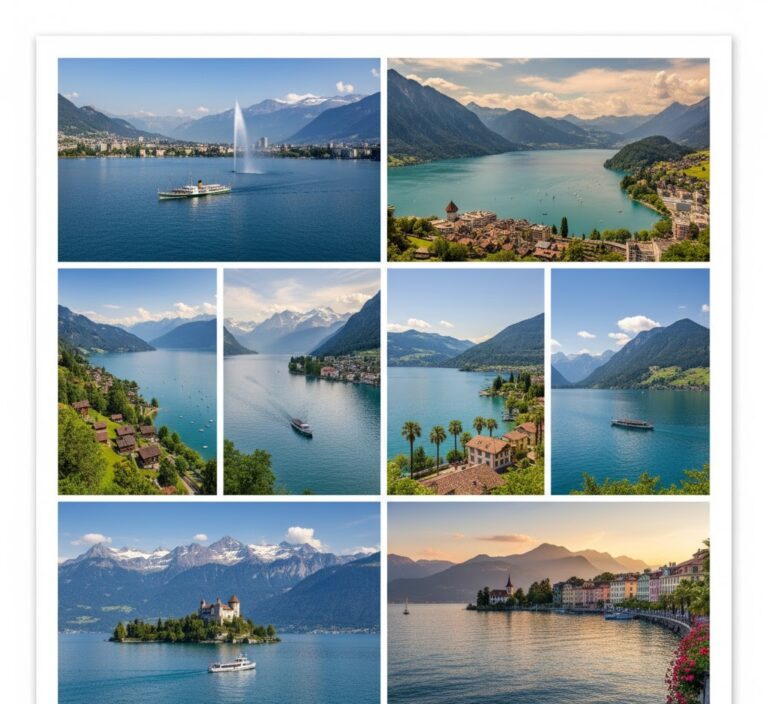
📌 Section I: The Pearl of Western Europe – Lake Geneva (Lac Léman)
Lake Geneva is known not only for its size but also for its cultural and artistic heritage.
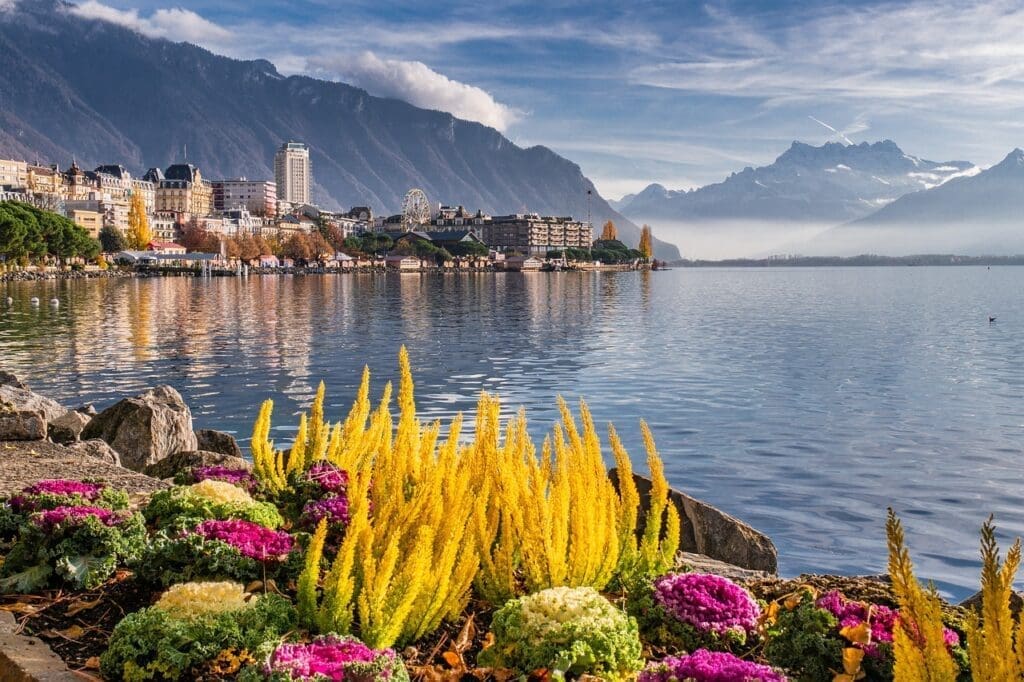
- Montreux: The Rhythm of Jazz and an Atmosphere of Luxury: The Montreux Riviera combines a mild Mediterranean atmosphere with palm trees along the lake, surrounded by dramatic mountain peaks exceeding 2,000 meters. The most important element of its cultural appeal is the Montreux Jazz Festival, held annually on the waterfront since 1967.
- Symbol of History: Château de Chillon: The Château de Chillon water castle, rising dramatically on the shores of Lake Geneva near Montreux, is considered the architectural symbol of the Riviera, showcasing the rich history of the Waadtländer Riviera.
- Lausanne and UNESCO World Heritage: Lavaux Vineyard Terraces: The Lavaux region, located between Montreux and Lausanne on the eastern shore of Lake Geneva, is famous for its scenic vineyards and wine terraces and has been included in the UNESCO World Heritage List since 2007.
📍 Section II: The Heart of Central Switzerland – Lake Lucerne (Vierwaldstättersee)
Lucerne is the cultural and geographical center of Central Switzerland.
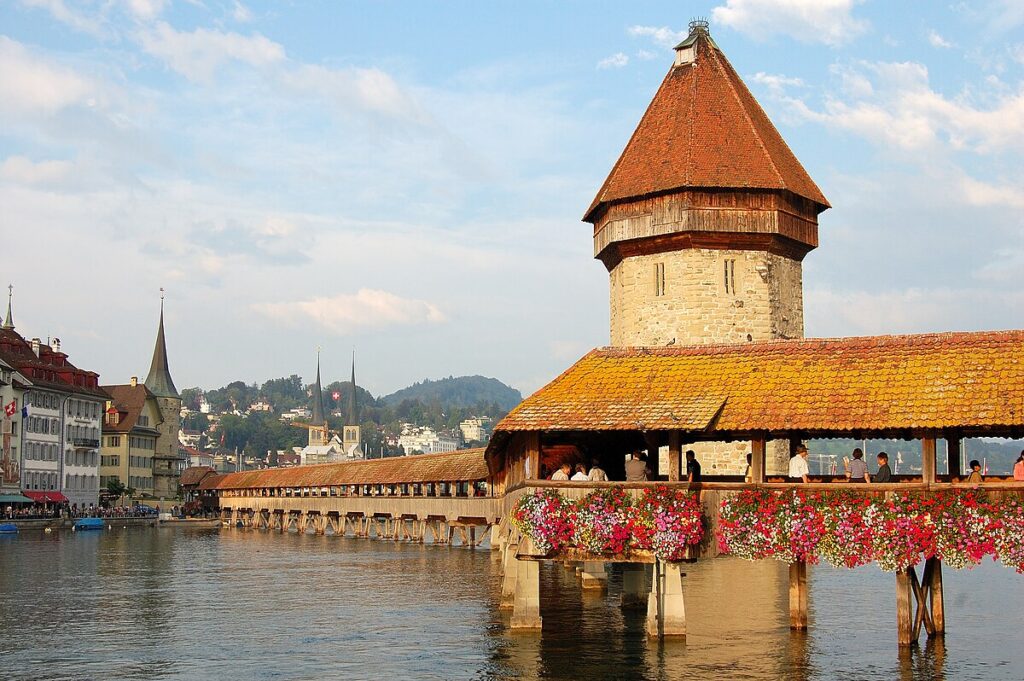
- Lucerne City: The Historic Chapel Bridge and the Dramatic Story of the Wasserturm: The city’s most iconic landmark is the wooden, covered Chapel Bridge (Kapellbrücke), built in 1333. Although most of its paintings were destroyed in a major fire in 1993, the bridge was meticulously restored, proving the city’s commitment to its cultural heritage. The octagonal Wasserturm (Water Tower) next to the bridge previously served as a prison.
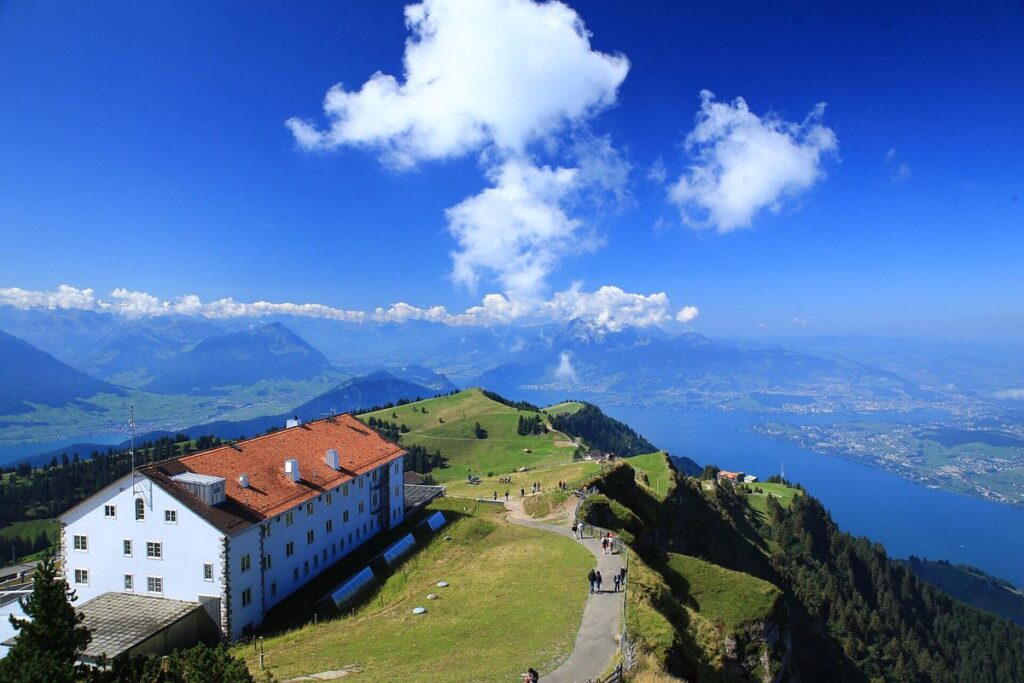
- Mount Rigi (Queen of the Alps) and Engineering Marvel: Mount Rigi, at 1,798 meters above sea level, is accessible via Europe’s first cogwheel train, an engineering marvel that has been operating since 1871. Combined tours starting in Lucerne include a boat trip and access to the cogwheel train.
- Mount Titlis: High Altitude Adventure: Mount Titlis, at approximately 3,000 meters, is accessed via the Rotair revolving cable car. Activities at this altitude include visiting the Ice Grotto and crossing the Titlis Cliff Walk bridge (3,041 m) suspended over the Swiss Alps.
🍽️ Section III: The Sunny South: The Lakes of Italian Switzerland (Ticino)
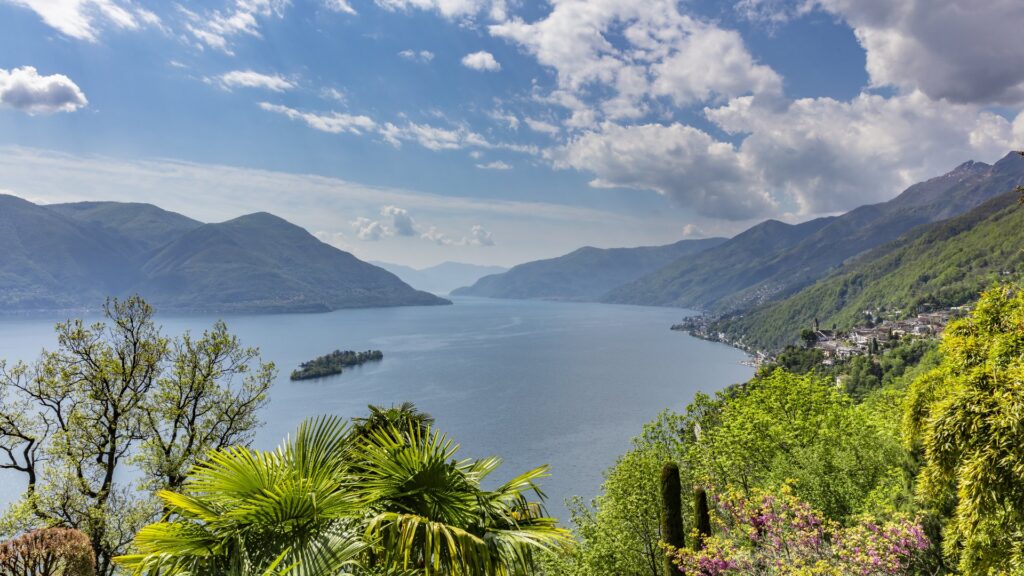
The Canton of Ticino, located on the Italian border in the south of Switzerland, has a distinct “Italianità” spirit and a mild Mediterranean climate.
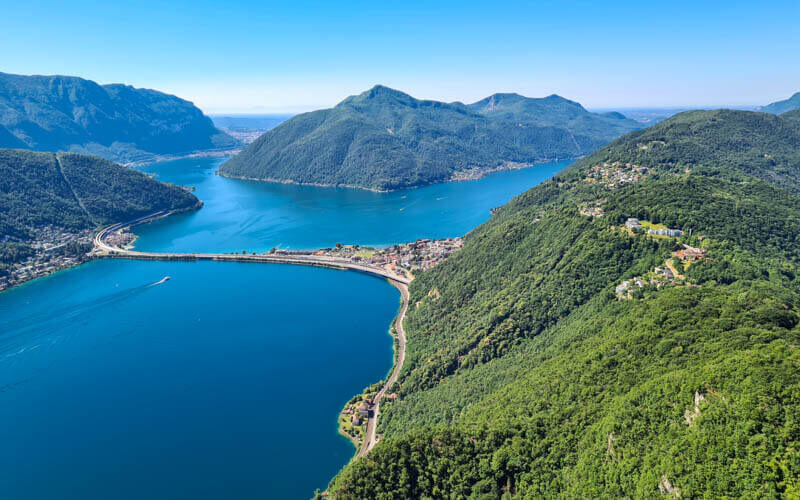
- Lake Lugano and the Spirit of Italianità: Lugano, despite being an important financial center, maintains a sweet small-town atmosphere with elegant villas and parks. The regional gastronomy is influenced by Italian cuisine, with traditional delicacies like polenta, minestrone, and risotto forming the staples.
- Panoramic Peaks: The view of Lake Lugano gains a unique depth thanks to the surrounding peaks, such as Monte Brè, known as the country’s sunniest mountain, and Monte San Salvatore, accessible by funicular.
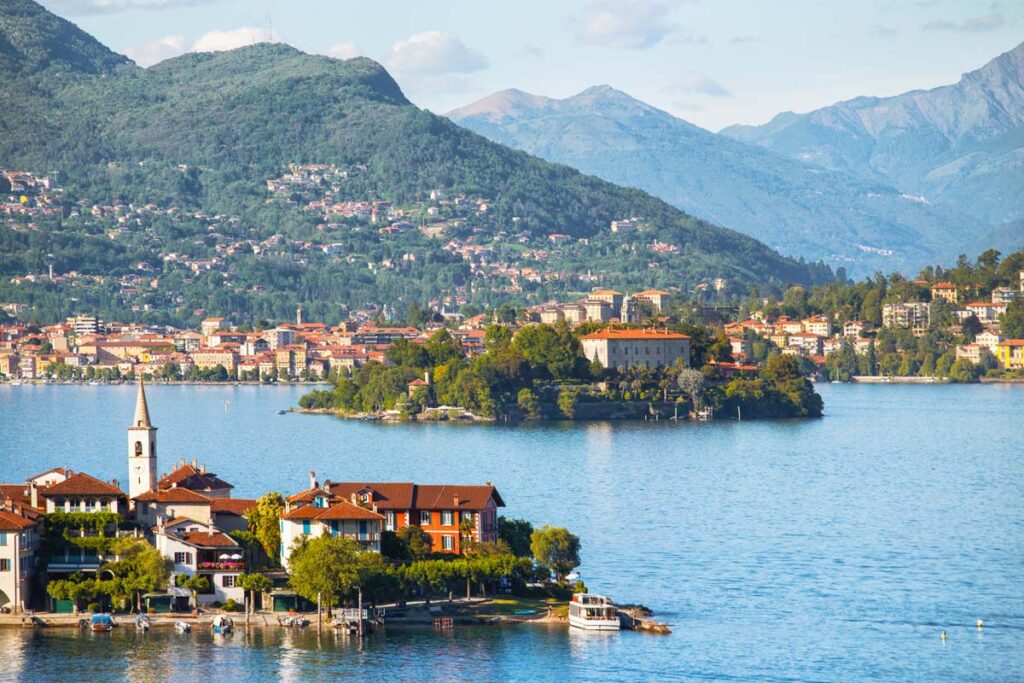
- Lago Maggiore: Luxury and Adventures: Lago Maggiore, with the towns of Locarno and Ascona on its shores, is a center for luxury and experience-focused tourism. It offers high-budget niche adventures like helicopter tours and gourmet restaurant experiences. The botanical gardens on the Brissago Islands, accessible by boat from Ascona, are also a unique attraction.
🚢 Section IV: Northern and Eastern Lakes: Geographical Diversity and Cross-Border Connections
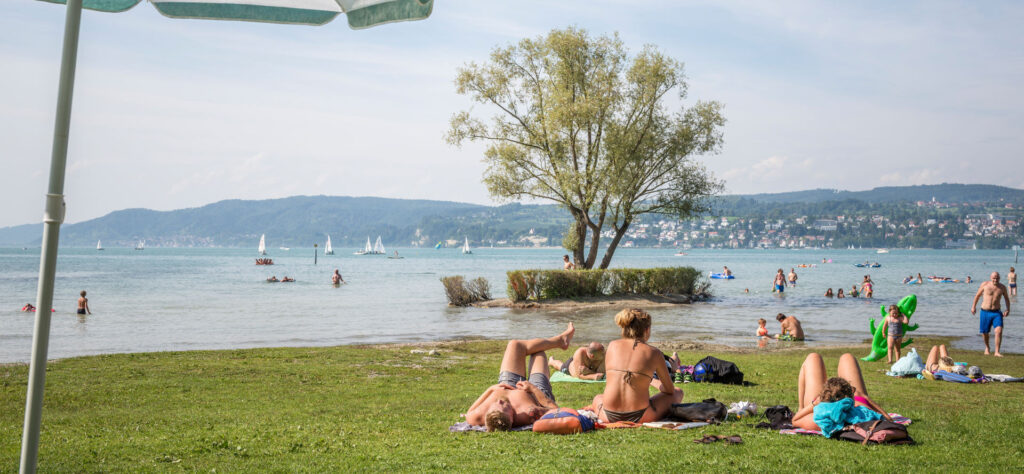
- Lake Constance (Bodensee): As the third-largest lake on the European continent, Lake Constance is ecologically significant, as its water is used as a drinking water source. It also serves as an international gateway: regular ferry services run from the port of Romanshorn in Switzerland to Friedrichshafen in Germany.
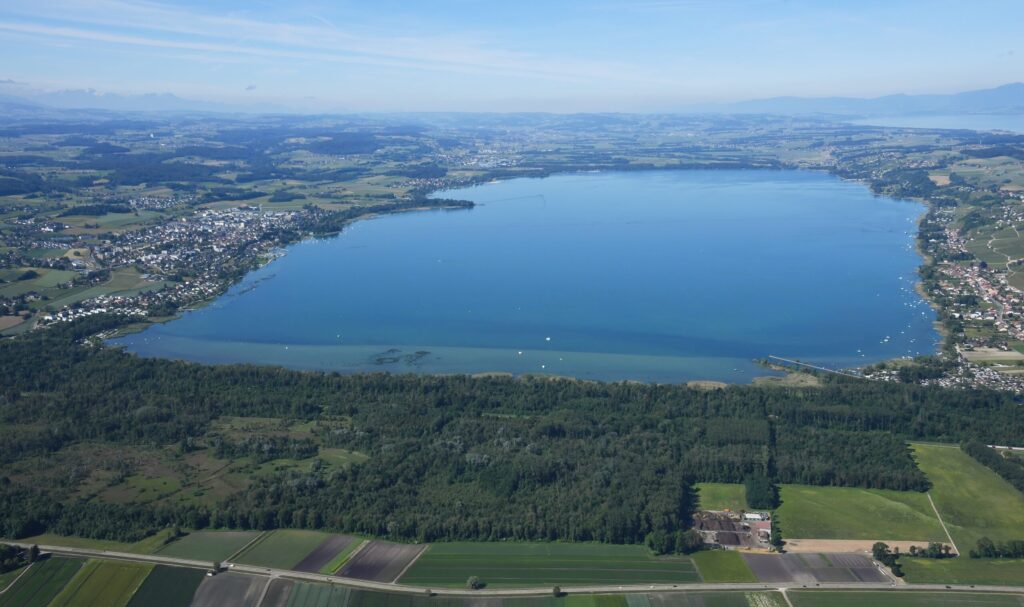
- Lake Murten and Medieval Secrets: Murten, a small medieval town on the border of German and French-speaking Switzerland, is surrounded by a walkable city wall, the only one of its kind in Switzerland. Passenger boat trips on Lake Murten allow access to Salavaux Beach, the country’s longest sandy beach.
✅ Experience / Recommendation Section: The Two Faces of Logistical Excellence
Switzerland’s train, boat, and cogwheel train networks run like clockwork; this is one of the things I, as someone who lives in Bern, appreciate most. The logistical excellence, especially on combined tours from Lucerne to Mount Rigi, is timed with machine precision.
However, the high cost associated with this flawless infrastructure is unavoidable. This reality highlights the financial difficulties faced by working class people struggling against the high cost of living (the Working Poor). My recommendation: research packages like the Swiss Travel Pass in advance and consider renting rustic stone houses (“rustici”) in small villages (Gandria, Morcote) instead of luxury hotels in Montreux to balance the budget. Finding high-demand jobs helps you manage these costs. You can check our article on High-Demand Occupations for more details.
✅ Adaptation Roadmap: Steps for Planning Your Lakeside Trip
To most efficiently utilize the complex logistical integration in lakeside cities:
- Select Destination and Culture: Before starting your trip, decide whether to focus on the French (Luxury, Art), German (History, Mountain), or Italian (Italianità, Gastronomy) regions.
- Research Combined Tickets: Research combined ticket packages like Rigi (Boat + Train) or Pilatus (Boat + Train) online. These packages are often more economical than buying individual tickets.
- Use Mobile Apps: Download audio guide apps like “Listen Everywhere” (used on the Saphir H₂ Panorama Yacht tours in Lucerne) before your trip to enrich your cultural experience.
- Peak Integration: Add a peak (Rigi, Titlis, Monte San Salvatore) to your plan and be sure to combine the ascent with a lake tour; enjoy Switzerland’s Vertical Tourism Model.
- Gastronomy Experience: Complete your cultural integration by tasting regional delicacies: polenta, minestrone, and risotto in the Ticino region, or fondue and raclette around Lucerne.
✅ Comparison Table: Iconic Lakes and Peak Integration
The table below lists the high-authority websites that served as sources for our research:
This table summarizes the key attractions and logistical connections of the lake destinations in different cultural regions of Switzerland.
Lakeside City | Connected Peak | Transportation Method | Iconic Detail |
|---|---|---|---|
Lucerne / Vitznau | Mount Rigi (1,798 m) | Boat + Europe’s First Cogwheel Train | Queen of the Alps, operating since 1871 |
Lucerne / Engelberg | Mount Titlis (~3,000 m) | Rotair Revolving Cable Car | Titlis Cliff Walk (Suspension bridge at 3,041 m) |
Lugano / Paradiso | Monte San Salvatore | Red Funicular | Summit access 10 minutes from Paradiso station |
Montreux | Rochers-de-Naye (2,042 m) | Golden Pass MOB Train | Iconic route starting from the lake up to the mountains |
Romanshorn | Friedrichshafen (Germany) | Ferry | Cross-border (Lake Constance) logistic connection |
❓ FAQ (Frequently Asked Questions)
Question: When is the Montreux Jazz Festival held, and what is the significance of the Freddie Mercury statue?
Answer: The Montreux Jazz Festival has been held annually on the waterfront since 1967, granting the city a global musical identity. The 3-meter bronze statue on the lakeshore expresses respect for the legendary vocalist Freddie Mercury, who spent part of his life here and wrote the famous album “Made of Heaven” here.
Question: Why is the Chapel Bridge in Lucerne so important, and how was it restored after the fire?
Answer: The Chapel Bridge (Kapellbrücke), built in 1333 for city defense, is one of Europe’s oldest wooden covered bridges. Although most of its paintings were destroyed in the major fire in 1993, it was meticulously restored and reopened in 1994, thanks to the city’s commitment to its cultural heritage.
Question: What distinguishes the Ticino region (Lugano/Lago Maggiore) from other regions of Switzerland?
Answer: Ticino is the only canton with an “Italianità” spirit and a mild Mediterranean climate. It stands out with luxury, gourmet restaurants, and Italian cuisine (polenta, risotto). Unlike Alpine-focused tourism, it concentrates on high-budget experiences like helicopter tours and spa/wellness offerings.
✅ Alternatives: Seasonal and Niche Activities
Lakeside cities offer a variety of seasonal activities:
- Historical and Cultural Exploration: Visiting historical landmarks like the walkable medieval city walls (Murten) and Château de Chillon (Lake Geneva).
- Beach and Water Sports: Lake Constance is popular for cycling and water sports; Lake Murten offers access to Salavaux Beach, the country’s longest sandy beach.
- Extreme Winter and Adventure: Mount Rigi is a haven for sledding and skiing in winter. Mount Titlis offers extreme adventures like the Cliff Walk at 3,000 meters.
- Luxury Experiences: Boat trips to the Brissago Islands and local wine tastings around Lago Maggiore.
✅ Recommendations / Tips: Accommodation and Saving Strategies
- Accommodation Strategy: Try to mitigate accommodation costs by preferring rustic stone houses (“rustici”) in charming lakeside villages like Morcote or Gandria over luxury hotels in Montreux or Lucerne.
- Gastronomy Focus: Thanks to the Italian culture in Ticino, traditional dishes like polenta, minestrone, and risotto can be found affordably alongside luxury gourmet options.
- Managing Transportation Costs: Purchase the Swiss Travel Pass or combined day tickets (e.g., Lucerne to Rigi) in advance to save on Switzerland’s high ticket prices.
- Environmental Awareness: Contribute to the region’s sustainable tourism model by adhering to the strict environmental regulations around lakes like Lake Constance (a source of drinking water).
✅ Conclusion: History, Luxury, and Logistical Excellence in Lake Tourism
Switzerland’s lakes and lakeside cities represent a unique blend of geographical beauty, historical heritage, and logistical excellence. Lake Geneva’s branding with international luxury and art (Jazz Festival), Lake Lucerne’s preservation of nostalgia with the historic Chapel Bridge and the engineering marvel of Europe’s first cogwheel train, and the luxury experience marketing in Italian Switzerland (Ticino) based on the Mediterranean spirit, highlight these destinations globally.
More than just successful travel destinations, these regions provide concrete examples of how sustainable tourism can be developed. Thanks to logistical integration, visitors can take a Saphir H₂ Yacht tour and then climb an Alpine peak (Rigi, Monte San Salvatore) via cogwheel train or funicular on the same day. These flawless travel chains make Switzerland a highly valued destination for lake and mountain scenery.
External Sources:
- The official UNESCO site for the Lavaux Vineyard Terraces describes how the region was shaped since the 11th century and its cultural significance. [https://whc.unesco.org/en/list/1243/]
- The official website of the Montreux Jazz Festival provides information on the festival’s international appeal and current program. [https://www.montreuxjazzfestival.com/en/]
- The history of the Rigi Railway offers detailed information about the engineering marvel of Europe’s first cogwheel train, operating since 1871. [https://www.rigi.ch/en/about-us/company/history-of-the-first-mountain-railway-of-europe]
- Official information about the Chapel Bridge and Water Tower in Lucerne provides details on the restoration of the Chapel Bridge after the 1993 fire and its historical importance. [https://www.luzern.com/en/the-city/sights/top-sights/lucernes-landmarks-the-chapel-bridge-and-its-water-tower]
- The official website of the Titlis Cliff Walk contains current information and safety details about Europe’s highest suspension bridge, the Titlis Cliff Walk. [https://www.titlis.ch/en/activities/titlis-cliff-walk]
- Lugano Tourism – Ticino Italianità provides information about the Italian culture and gastronomy-focused tourism in Ticino. [https://myswitzerland.com/en/destinations/ticino/]