Swiss Chocolate and Cheese Culture: From the Peaks of the Mysterious Alps to a Global Flavor Empire
focusAnaliz: The Luxury Created Without Cocoa and the Holy Power of Alpine Milk
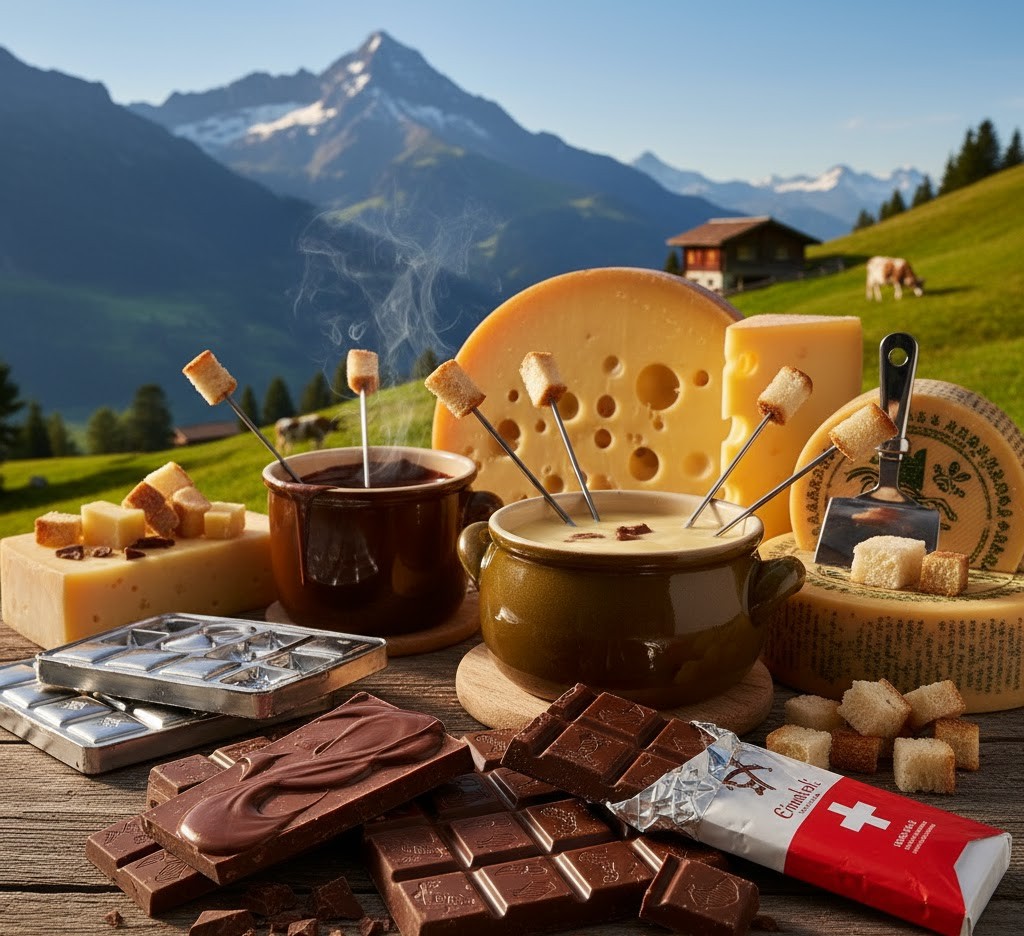
Have you ever wondered how a nation that does not cultivate cocoa trees could become the creator of the most luxurious, creamiest chocolate on the planet? In my opinion, the unique richness of the Alpine milk, which the locals call the “Holy Cow,” lies behind this Swiss flavor hegemony; however, success cannot be explained by natural resources alone.
I believe that it is absolutely no coincidence that disciplined people, who strive to make everything perfect, have achieved so many successes they can announce to the world. The secret behind the most delicious chocolates we eat is rooted in the engineering precision of Rodolphe Lindt’s Conching revolution and the perfectionism of the Swiss Work Culture. This extraordinary raw material forms the foundation for the quality of both the cheese and the world-famous milk chocolate.
This article traces the Swiss flavor journey, from industrial espionage to the secret of the holy elixir offered by the Alpine peaks. Here you can find all the details of the story of how the country transformed its challenging geography into a global flavor empire.
✅ Quick Summary Table: The Fundamentals of Swiss Flavor
Area | Key Innovation | Economic Significance |
|---|---|---|
Chocolate | Conching (Rodolphe Lindt) and Milk Chocolate (Daniel Peter) | Global Export and Positioning as a Luxury Brand. |
Cheese | AOP System (Protected Designation of Origin) | Guarantee of High Quality and Ethical Production. |
Raw Material | Alpine Milk | Foundation for Superior Creaminess and Flavor. |
Economic Threat | Strong Swiss Franc | International competitive pressure due to high local production costs. |
🎯 Main Definition:
Swiss Chocolate and Cheese culture originated with innovations like milk chocolate (Daniel Peter) and conching (Rodolphe Lindt) in the late 19th century; supported by the quality of Alpine milk and strict AOP standards, it has become a global flavor industry that is an inseparable part of the national identity.
✅ Core Information:
The Secret of the Chocolate Legend: Cocoa Wars and the Creamy Revolution
The Rise of Technical Superiority
Cocoa was transformed into an industry by Swiss geniuses like Philippe Suchard, François-Louis Cailler, and Sprüngli in the early 19th century. However, until the patent law arrived in 1870, the sector was rocked by intense industrial espionage and a culture of imitation.
Milk Chocolate and the Conching Miracle
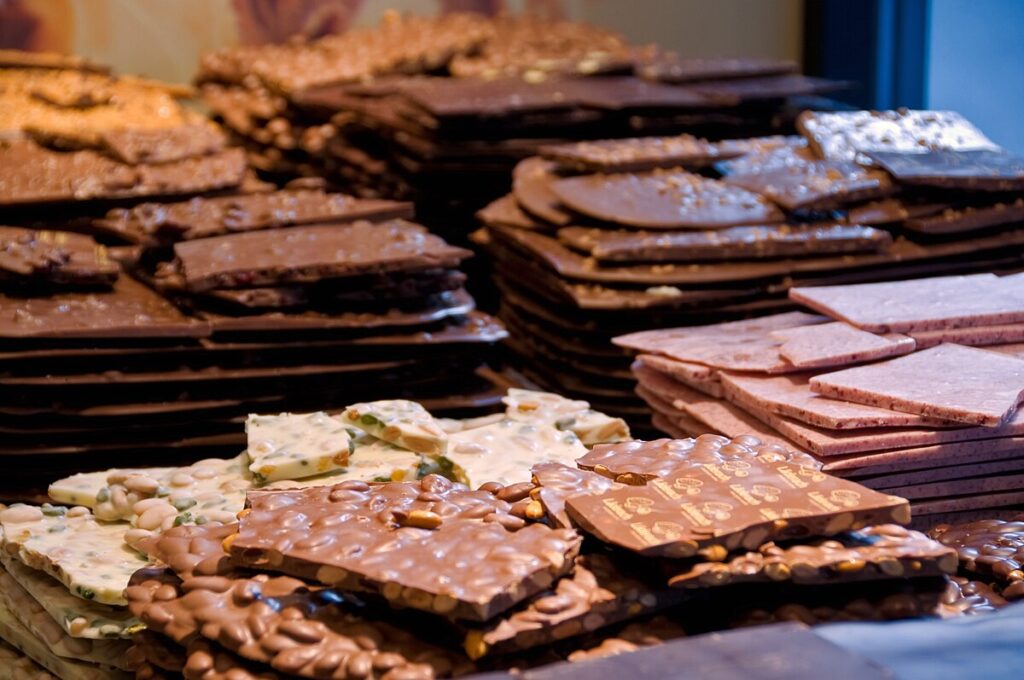
The Milk Chocolate Revolution: Daniel Peter, by using condensed milk, added an irresistible softness and creaminess to chocolate that had previously been hard and bitter. The Conching Technique: Rodolphe Lindt invented the conching technique in 1879. This critical process refines the chocolate paste by heating and stirring it for hours, giving the chocolate its signature creamy texture—the world-famous “melt in the mouth” feeling.
✅ Detailed Guide:
📌 The Cheese Republic: The Shield of Alpine Milk (AOP)
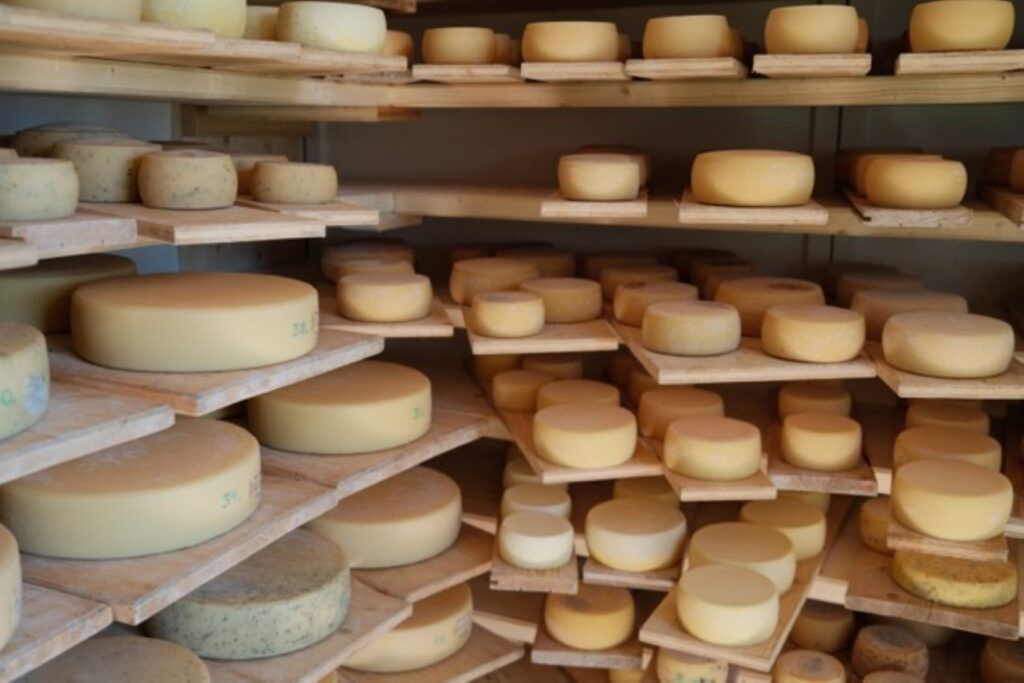
Swiss cheese culture is built upon the deep-rooted tradition of Alpine livestock farming. According to official data from the Swiss Federal Office for Agriculture (BLW), Switzerland currently produces over 190,000 tons of cheese annually in approximately 600 different production facilities.
- The AOP Shield: Protecting Traditional SecretsThe superior standards of Swiss cheese are protected by strict geographical indication systems: AOP (Appellation d’Origine Protégée / Protected Designation of Origin) and IGP. The AOP label mandates that the product must not only be produced in the defined geography but also processed and refined according to traditional methods.
- The Craftsmanship of Quality: This shield preserves the quality craftsmanship of cheeses like Emmental, Le Gruyère AOP, and Appenzeller AOP. Therefore, the AOP system is a vital tool to offset the competitive challenges created by the strong Swiss Franc.
💰 Economic Pressures and Innovative Adaptation
The Swiss industry is at a price disadvantage in the international market due to the strong Swiss Franc and high local production costs. As Stephan Hagenbuch, Director of Swissmilk, stated, the growing tendency of even Swiss citizens to buy foreign chocolate and cheese threatens the national food identity. The sector counters this pressure with innovative products, such as protein-rich skyr or local mozzarella, and eco-friendly production, attempting to convert the price difference into a value difference.
🚦 Gourmet Routes: Tasting and Experience
Tourism strengthens the brand positioning of these delicacies. The Gruyères Valley is the heart of both cheese and chocolate. Visitors can experience the secrets of cheesemaking at La Maison du Gruyère and sweet exploratory trips at Maison Cailler, the oldest surviving chocolate brand in Switzerland. These routes are also located near tourist centers like Switzerland’s Most Beautiful Mountain Villages.
✅ Experience / Recommendation Section:
focusAnaliz: The Luxury Created Without Cocoa and the Holy Power of Alpine Milk
Have you ever wondered how a nation that does not cultivate cocoa trees could become the creator of the most luxurious chocolate? In my opinion, the unique richness of the Alpine milk, which the locals call the “Holy Cow,” lies behind this Swiss flavor hegemony. This extraordinary raw material forms the foundation for both cheese and milk chocolate.
✅ Step-by-Step Guide / Application:
✅ Step 1: Check the AOP Label
When buying cheese or cured meat in Switzerland, look for the AOP (Appellation d’Origine Protégée) label. This label is proof that the product was produced entirely according to traditional methods and within a defined geography.
✅ Step 2: Research the Conching Duration
When purchasing luxury chocolate brands, check the conching duration (Conching Time). Generally, the longer the duration, the better the creamy texture of the chocolate.
✅ Step 3: Experience the Rituals of Fondue and Raclette
Swiss cuisine places cheese at the center of a collective experience. Experience cheese as a symbol of social sharing by applying the tips in the article Fondue and Raclette: Switzerland’s Two National Cheese Rituals.
✅ Cost / Fee / Duration Table:
Product / Process | Average Price (CHF) | Detail |
|---|---|---|
AOP Cheese (1 kg) | 28 – 45 CHF | Price guarantee for quality and ethical production. |
Handmade Chocolate (100g) | 6 – 12 CHF | Varies based on conching quality and cocoa percentage. |
Conching Duration | From 8 hours up to 72 hours | Determines the creamy texture of the chocolate. |
First Cocoa Shipment | 1893 | Was made by the Basel Trading Company from Ghana. |
✅ Frequently Asked Questions:
S: Why is Swiss chocolate different from Belgian chocolate?
Answer: The main difference comes from the milk chocolate and conching revolutions. However, while Belgian chocolate generally focuses on cocoa butter, Swiss chocolate stands out with its use of Alpine milk.
S: Why are AOP cheeses so expensive?
Answer: Because AOP mandates strict adherence to traditional methods and a specific geography (e.g., Gruyères Valley) for the entire process of production, processing, and refining the cheese. Therefore, the high price is a guarantee of impeccable quality and ethical production.
S: What is the best starting city for tourist tasting routes?
Answer: Although you could use resources like the Zürich Travel and Budget Optimization Guide, Geneva or Bern are often better starting points due to the centrality of the Gruyères Valley.
✅ Alternatives:
- Shopping at Local Farms (Alpkäse): Support local production by purchasing seasonal “Alpkäse” (Alpine cheese) directly from small farms in the Alpine regions instead of supermarket chains.
- Focus on Dark Chocolate: For those looking to avoid calories and sugar, opt for dark chocolate with a high cocoa percentage (70%+) instead of traditional milk chocolate.
✅ Recommendations / Tips:
- Factor in the Franc: Because the Swiss Franc is strong, consider the general costs from the article How Expensive Is Life in Switzerland? when planning your holiday budget.
- Seasonal Cheeses: Prefer seasonal “Alpkäse” produced in Alpine meadows during the summer months over industrial cheeses sold year-round.
- Research Local Producers: Discover local chocolatiers and fromageries instead of large brands.
✅ Conclusion:
Swiss chocolate and cheese are more than just a delicious taste. In my opinion, this global flavor hegemony is the result of the engineering precision in Rodolphe Lindt’s Conching revolution and the disciplined perfection at a national level. This success is never accidental. By maintaining its historical mastery with strict AOP standards and combining it with smart innovation, Switzerland defies challenging global market conditions. Consequently, maintaining this heritage is not just an economic guarantee, but also a guarantee of the country’s cultural identity.