SWITZERLAND’S 26 CANTONS: GUIDE TO ADMINISTRATION, POPULATION, AND LANGUAGES
focusAnaliz: The 26-State Mosaic Based on Federalism and the Power of Local Self-Determination
focusSwiss.com readers, hello! Switzerland is known not only for its multilingual structure but also for its singular system of federalism. The 26 Cantons, which form the administrative backbone of the country, are the cornerstones of this system. Each Canton, recognized as a member state of the Swiss Confederation, possesses its own Constitution and legislative, executive, and judicial bodies. This autonomy means that the Cantons can make their own decisions on all matters that do not fall under the jurisdiction of the federal government (e.g., education, taxation, local police forces).
What makes this system unique in the world are the elements of direct democracy. The public can directly challenge laws through referendums and propose constitutional amendments. This ensures that a large part of the authority remains with the people and at the local level (Cantons and Communes). For more detailed information on important political centers like Bern, the seat of the federal authorities, you can review our article Let’s Get to Know Bern: The Capital of Switzerland.
✅ Quick Summary Table: Foundations of the Federal Structure
Core Structure | Criterion | Detail |
|---|---|---|
Number of Cantons | Fully Autonomous Member States | 26 (20 Full Cantons, 6 Half-Cantons) |
Distribution of Authority | Principle of Subsidiarity | All powers not specified in the Federal Constitution belong to the cantons. |
Language Regions | Cultural Division | German (63%), French (23%), Italian (8%), Romansh (0.5%). |
Most Populous | Administrative and Economic Center | Zurich (Approx. 1.57 Million) |
Smallest Level | Administrative Structure | Local Communes (Municipalities) are autonomous decision-makers beneath the Cantons. |
🎯 Main Definition:
Swiss federalism is the most stable political system in the country, based on Article 3 of the Federal Constitution, where 26 Cantons possess unlimited sovereignty in all areas not explicitly delegated to the Confederation, guaranteeing broad autonomy in taxation, education, and judicial administration, which is balanced by direct democracy.
✅ Core Information:
Structure and Authorities
The Principle of Subsidiarity: The Constitutional Basis
The legal basis defining this unique model is Article 3 of the Swiss Federal Constitution: “The Cantons are sovereign insofar as their sovereignty is not limited by the Federal Constitution and shall exercise all rights not transferred to the Confederation.” This is the principle of subsidiarity: non-central authority is always preferred.
The Cantonal Economic Autonomy: The Tax Multiplier
The most tangible and impactful aspect of cantonal sovereignty is tax freedom. Switzerland operates with a system of “fiscal federalism” where Cantons and Communes have broad autonomy in setting their own rates.
- Tax Competition: This autonomy drives the Cantons to compete with each other to attract high-income residents and companies, often keeping tax rates at the minimum required (Cantons like Zug or Schwyz are known as tax havens).
- The Communal Multiplier: In addition to federal and cantonal taxes, Communes collect taxes by adding a “multiplier” to the cantonal rate. This situation creates differences in tax burdens that can reach up to 20% between Cantons and even between neighboring Communes.
✅ Detailed Guide:
📌 The Political Laboratory: Why Cantons Function Like Small States
When I first arrived in Switzerland, everything was like a labyrinth. The rule of one canton was invalid in the next. However, in my opinion, the true secret that makes Switzerland one of the world’s most stable countries lies in the strength of these local governments.
- Language and Culture Effect: The official languages of the Cantons determine the cultural map of Switzerland. This linguistic separation has a direct effect on educational systems (Cantonal Authority) and daily social interactions.
- Tax, Education, and Health Sovereignty: The financial autonomy of the Cantons ensures the local determination of tax burdens, as detailed in our article Swiss Tax System Cantonal Difference Guide. Likewise, Cantons determine their own school systems and curricula, basing them on the general administration and education framework of the Swiss Federal Government.
💰 Tax, Education, and Health Sovereignty (Continued)
The financial autonomy of the Cantons ensures the local determination of tax burdens, as detailed in our article Swiss Tax System Cantonal Difference Guide. Likewise, Cantons determine their own school systems and curricula, basing them on the general administration and education framework of the Swiss Federal Government.
🚦 Bureaucratic Difficulties for Immigrants (Residence Permits)
Although the Federal Secretariat for Migration (SEM) sets the general framework and quotas for residence permits, the Cantons are autonomous in how they distribute these quotas internally and how meticulously they handle the processes. This situation is a bureaucratic burden that complicates life for immigrants. Tracking issues like Swiss Residence Permits (B, C, L): Which One is Right for You? becomes especially difficult due to the strong cantonal differences.
✅ Details and Statistics: The Structure of the 26 Cantons
The following list has been specially formatted for you to add the flag next to each Canton, including its economic focus and tax level:

1. Zurich (Center: Zurich)
Population: 1.57 Million / Languages: German.
Tax Level: High.
Economic Focus: International Finance, Technology, Education (ETH).

2. Bern (Center: Bern)
Population: 1.05 Million / Languages: German and French.
Tax Level: Medium/Balanced.
Economic Focus: Administrative Center (Capital), Public Administration, Defense.
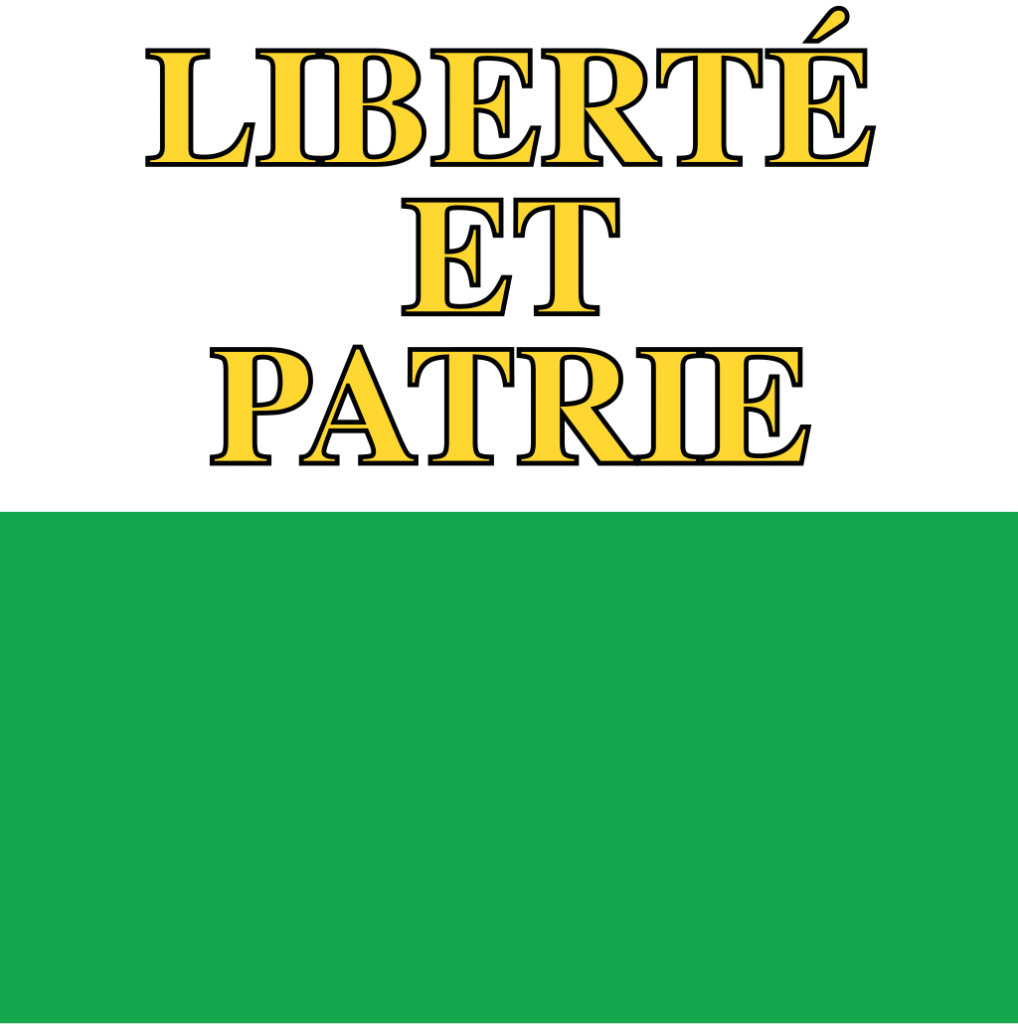
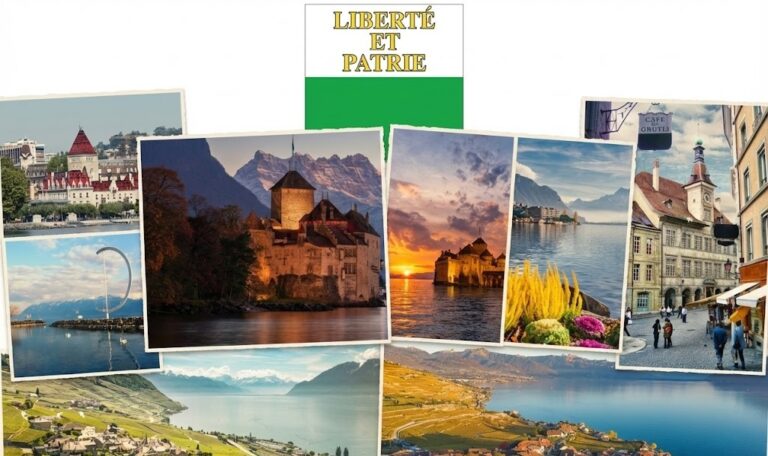
3. Vaud (Center: Lausanne)
Population: 820 Thousand / Languages: French.
Tax Level: High/Medium.
Economic Focus: International Organizations, Education (EPFL, UNIL), Viticulture (Lavaux).

4. Aargau (Center: Aarau)
Population: 690 Thousand / Languages: German.
Tax Level: Medium/Favorable.
Economic Focus: Industry, Power Plants, Logistics (proximity to Germany).
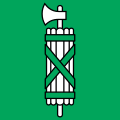
5. St. Gallen (Center: St. Gallen)
Population: 520 Thousand / Languages: German.
Tax Level: Medium.
Economic Focus: Textiles, Finance (University of St. Gallen), Eastern Swiss hub.
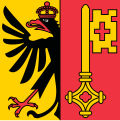
6. Geneva (Center: Geneva)
Population: 510 Thousand / Languages: French.
Tax Level: High.
Economic Focus: Diplomacy (UN, CERN), Luxury Goods Trading, Private Banking.

7. Lucerne (Center: Lucerne)
Population: 420 Thousand / Languages: German.
Tax Level: Medium.
Economic Focus: Tourism, Logistics, Education.

8. Ticino (Center: Bellinzona)
Population: 360 Thousand / Languages: Italian.
Tax Level: Medium/High.
Economic Focus: Tourism, Trade with Italy, Finance (Lugano).

9. Valais (Center: Sion)
Population: 360 Thousand / Languages: French and German.
Tax Level: Medium/Favorable.
Economic Focus: Winter Tourism (Zermatt, Verbier), Hydroelectric Power, Agriculture.

10. Fribourg (Center: Fribourg)
Population: 330 Thousand / Languages: French and German.
Tax Level: Medium.
Economic Focus: Education, Agriculture, Industry.

11. Basel-Landschaft (Center: Liestal)
Population: 290 Thousand / Languages: German.
Tax Level: Medium.
Economic Focus: Chemical and Pharmaceutical Industry (proximity to Basel).
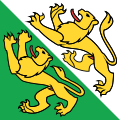
12. Thurgau (Center: Frauenfeld)
Population: 280 Thousand / Languages: German.
Tax Level: Medium.
Economic Focus: Agriculture, Food Processing, Small and Medium-sized Enterprises (SMEs).
13. Solothurn (Center: Solothurn)
Population: 280 Thousand / Languages: German.
Tax Level: Medium.
Economic Focus: Machine and Metal Industry, Logistics.

14. Basel-Stadt (Center: Basel) (Half-Canton)
Population: 200 Thousand / Languages: German.
Tax Level: High.
Economic Focus: Pharmaceuticals (Novartis, Roche), Banking, Chemistry.
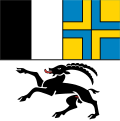
15. Graubünden (Center: Chur)
Population: 200 Thousand / Languages: German, Romansh, and Italian.
Tax Level: Medium.
Economic Focus: Tourism (Davos, St. Moritz), Energy.
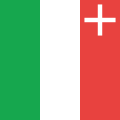
16. Neuchâtel (Center: Neuchâtel)
Population: 180 Thousand / Languages: French.
Tax Level: Medium.
Economic Focus: Watchmaking (Watch Valley), Microtechnology.
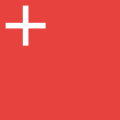
17. Schwyz (Center: Schwyz)
Population: 165 Thousand / Languages: German.
Tax Level: Low (Attractive)..
Economic Focus: Financial Services, Low Tax Center, Tourism.

18. Zug (Center: Zug)
Population: 130 Thousand / Languages: German.
Tax Level: Lowest (Very Attractive).
Economic Focus: Trading Activities, Blockchain/Crypto (Crypto Valley), Holdings.

19. Schaffhausen (Center: Schaffhausen)
Population: 85 Thousand / Languages: German.
Tax Level: Medium/Low.
Economic Focus: Industry, Trade (proximity to Germany).

20. Jura (Center: Delémont)
Population: 74 Thousand / Languages: French.
Tax Level: High.
Economic Focus: Watchmaking, Agriculture.

21. Appenzell Ausserrhoden (Center: Herisau) (Half-Canton)
Population: 55 Thousand / Languages: German.
Tax Level: Medium/Low.
Economic Focus: Textiles, SMEs.
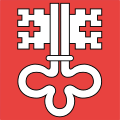
22. Nidwalden (Center: Stans) (Half-Canton)
Population: 44 Thousand / Languages: German.
Tax Level: Low (Attractive).
Economic Focus: Machine Industry, Tourism.

23. Glarus (Center: Glarus)
Population: 41 Thousand / Languages: German.
Tax Level: Medium/Low.
Economic Focus: Industry, Hydroelectric Power.
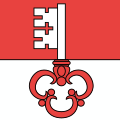
24. Obwalden (Center: Sarnen) (Half-Canton)
Population: 39 Thousand / Languages: German.
Tax Level: Low (Attractive).
Economic Focus: Tourism, SMEs.

25. Uri (Center: Altdorf)
Population: 38 Thousand / Languages: German.
Tax Level: Medium.
Economic Focus: Tourism, Transit Transport (Gotthard).

26. Appenzell Innerrhoden (Center: Appenzell) (Half-Canton)
Population: 16 Thousand / Languages: German.
Tax Level: Medium.
Economic Focus: Agriculture, Tourism.
✅ Experience / Recommendation Section:
focusAnaliz: The Secret of Harmony and the Will to Live Together – Why is the System the Best?
In my opinion, the Swiss cantonal system is one of the greatest and most beautiful examples of coexistence that many states should emulate. This system was built with the Federal Constitution of 1848, which emphasizes the equality of all peoples. However, in my view, the biggest flaw in this system is the disenfranchisement of tax-paying immigrants. Because I believe that to speak of true democracy, immigrants who share the same economic and social burden as Swiss citizens should also be granted a voice.
✅ Step-by-Step Guide / Application:
✅ Step 1: Learn Your Canton of Residence’s Rules
Before or immediately after moving, learn the local tax rates, the amount of child allowances, and the mandatory language course requirements of your canton of residence. Use local resources such as the Zurich Canton Integration Guide during this process.
✅ Step 2: Focus on Withholding Tax
Since the income taxes of foreigners without a C permit are deducted directly from their salary (Quellensteuer), calculate the net amount you will receive based on the tax rate of your canton of residence during salary negotiations.
✅ Step 3: Participate in Local Democracy
Follow the meetings and decisions at the Commune (Municipal) level, which even has a say in taxes. Political participation is an integral part of Swiss life, as detailed in the article Direct Democracy: Why and How the Swiss People Vote on Everything.
✅ Cost / Fee / Duration Table:
Item | Description | Duration / Rate |
|---|---|---|
Cantonal Tax Rate Difference | Net difference between the most expensive (GE/VD) and cheapest (ZG/SZ) cantons. | Up to 20% |
Mandatory Education | Varies as it falls under the cantons’ authority. | 11 Years (Can vary by canton) |
Federal Constitution Adoption | The legal beginning of the cantonal system. | Year 1848 |
✅ Frequently Asked Questions:
S: Can cantons manage the issuance of residence permits completely independently?
Answer: No, the Federal Government sets the general quotas and laws. However, cantons have autonomy over how they distribute these quotas internally and how meticulously they handle the processes for foreigners.
S: Why does tax inequality persist?
Answer: Because there is tax competition between the cantons. Low tax rates are a tool used to attract capital and high-income individuals to the canton. Therefore, the system can work against low-wage earners.
S: Why do residence permit extensions vary from canton to canton?
Answer: Although the Federal Government applies the same rules, each canton has its own Migration Office. This situation can change the duration of procedures due to workload and interpretation differences.
✅ Alternatives:
- Joining Political Associations: Instead of direct party membership, join cantonal non-governmental organizations focused on specific issues like tax fairness.
- Inter-Cantonal Relocation Plan: First settle in a canton with relatively affordable rent and taxes, and plan to move to high-cost centers like Zurich or Geneva after improving your financial situation.
✅ Recommendations / Tips:
- Learn Local Rules: Read the article Swiss Rules of Life: Order, Silence, and Adaptation Guide to strengthen your relationship with the local population.
- Tax Optimization: Seek tax advice in your canton of residence. Check the tax burden in your new canton before moving.
- Prepare for Bureaucracy: Always keep backup documentation for residence permit extensions and financial matters.
✅ Conclusion:
The Swiss Cantonal System is the rarest and most stable model of coexistence; it decentralizes the power of the people down to the Communes. However, the tax inequality and bureaucratic complexity that this system brings for immigrants is a personal test. Therefore, to build a stable life in Switzerland, you must actively learn the cantonal rules and design your own financial strategy according to these local laws, rather than accepting them as a passive victim.