

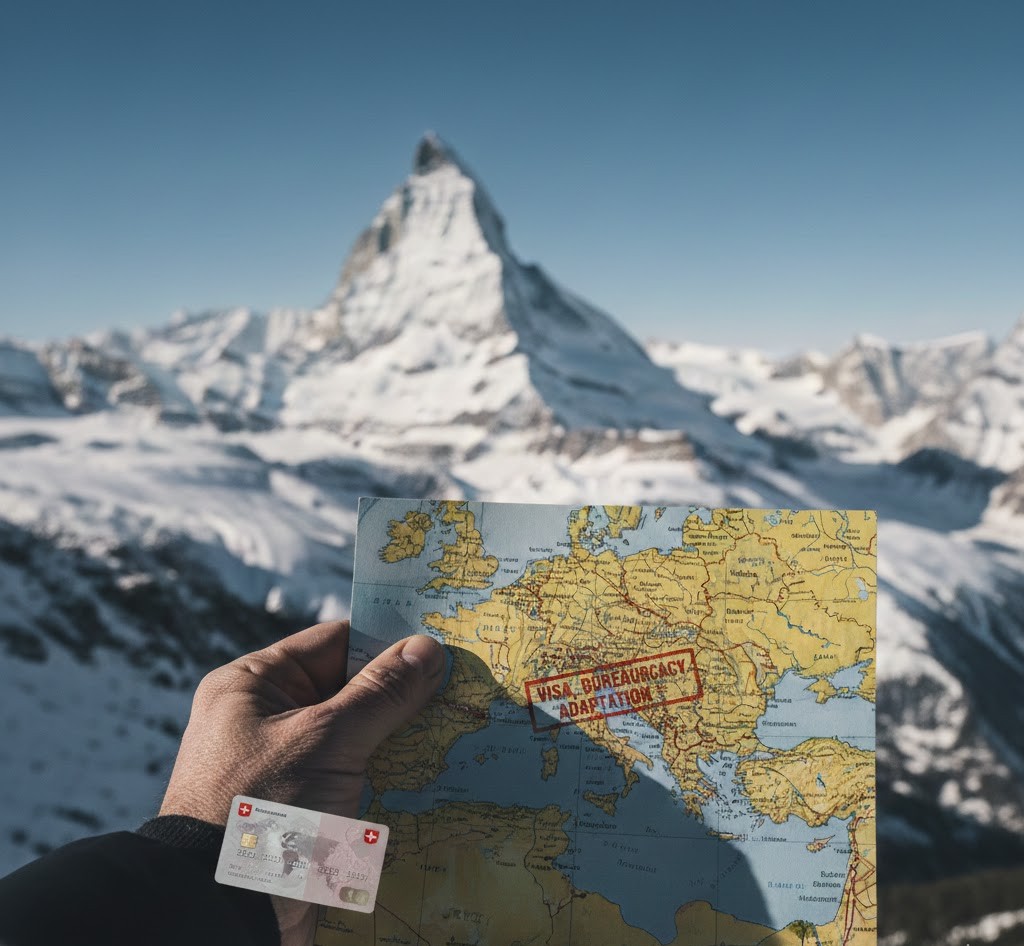
The New Immigrant’s Map of Switzerland: A Guide to Visa, Bureaucracy, and Integration Success
📝 Introduction: Mapping a New Beginning
Moving to Switzerland is far more than a geographical change; it’s a journey of mental and administrative transformation. This guide is designed not only to introduce you to the official rules of the Swiss system but also to illuminate the emotional challenges and bureaucratic obstacles that an immigrant faces along the way.
Lessons from Immigration: The Unexpected Bureaucratic Shock
Life often redraws the maps we thought were complete. For me, the Mediterranean warmth of Italy felt like the only map I needed—until love pulled me across the Alps and into the quiet, structured embrace of Bern. Getting married felt like immigrating to a new continent, as in this country, even when one door opens, you need dozens of different keys for the next one.
The biggest shock was the bureaucracy: despite being legally resident in a European country, the move to Switzerland post-marriage required a frustrating detour to the Italian Consulate in Milan for a visa. Then came the intrusive interview questions, forcing me to prove the legitimacy of my own marriage. I quickly realized that even in a place where order and trust are highly valued, every immigrant is subjected to scrutiny because of past abuses. The final, stark realization was the necessity of learning German from scratch in Bern, proving that in Switzerland, even knowing Italian isn’t enough to cross the cantonal language barrier. This demanding journey forms the foundation of this guide: The map of your new life in Switzerland shows not only the legal steps but also the emotional and bureaucratic hurdles that await you.
1. Residence Permits and Visas: Your Legal Shield
The first and most crucial step for living in Switzerland is obtaining the correct residence permit. These permits determine your legal status and are the greatest source of security for an immigrant.
General Definitions of Residence Permit Categories
These permits, managed by the Swiss State Secretariat for Migration (SEM), are mainly divided into three categories:
- L Permit (Short-term Residence): Generally valid for up to one year, issued for a specific purpose (e.g., short-term work or education).
- B Permit (Annual Residence): The most common starting permit for immigrants. It is granted for a specific duration (usually 1 or 5 years) and requires renewal. You can find a detailed comparison of these permits in our article Swiss Residence Permits (B, C, L): Which One is Right for You?.
- C Permit (Permanent Residence): Grants the right to permanent residence and has rights close to those of a Swiss citizen. This is the ultimate goal for most immigrants and involves tough integration requirements. You can learn more about the SWISS C RESIDENCE PERMIT (PERMANENT RESIDENCE) REQUIREMENTS AND DURATION.
The Door-Opening Power of the Residence Card
The most important thing I learned about residence permits is that every piece of paper in Switzerland must be treated like a magic wand. The B Permit card is more than just a document; it’s a key that opens every door, from opening a bank account to signing a rental contract. The moment you first hold your card is the greatest moment of emotional relief in the immigration process.
2. The Wall of Bureaucracy: Obstacles and Solutions
Swiss bureaucracy is disciplined and punctual, yet also slow and inflexible. The biggest struggle for immigrants is adapting to this rigid, unchanging structure.
Distribution of Authority and Cantonal Differences
Due to Switzerland’s federal structure, many important processes are managed by the cantons. For example, the duration, renewal conditions, and integration programs for residence permits can vary significantly between cantons. My obligation to learn German in Bern was the clearest example of this cantonal difference. By reading the article 26 Cantons, 26 States: Distribution of Authority and Critical Differences in the Swiss Federal Structure, you can better understand which rules are federal and which are cantonal.
Essential Bureaucratic Hurdles
- Completeness of Documents: Every form must be filled out completely and without error. Swiss authorities can cause months-long delays even for a comma mistake.
- Waiting Times: Processes have slowed, especially since COVID-19. Patience is an immigrant’s most valuable virtue. My Milan Consulate adventure showed how unexpectedly long the process can become.
- Social Security: The question How Does the Swiss Pension and Social Security System Work? is complex. Making the right decision regarding the third pillar (private retirement) is critical for your long-term financial success.
The Story of the Mysterious Envelope in the Mailbox
Every envelope that arrives by mail in Switzerland contains an important decision about your life. These envelopes, often written in German or French, can seem threatening at first. The stress I felt while opening the envelope for my B Permit renewal application was a tangible example of the feeling that an immigrant’s life is reduced to a number on paper. Therefore, keeping all legal documents organized in one file is the first rule of immigration.
3. Financial Adaptation: The Cost of Living Reality
High salaries in Switzerland go hand-in-hand with the highest cost of living in the world. The biggest challenge on an immigrant’s financial map is establishing this balance.
The Incredible Triangle of Living Costs
The financial triangle consists of:
- Rent: A large portion of income goes to rent. You can see the disparity between cantons in our article Rent Prices in Switzerland: Average House Costs by Canton.
- Health Insurance: Krankenkasse is a high cost regardless of your income. Swiss Health Insurance Selection: A Comprehensive Guide for Immigrants will help you manage this expense.
- Grocery Prices: Prices at Coop and Migros are far above European standards.
The Reality of the Price Shock at the Grocery Store
The shock I experienced at the grocery store in the first few months is unforgettable. When I saw the bill for a small basket of items for one dinner, I realized how little purchasing power that high salary actually held. That moment forced me to start shopping across the border or look for ways to save, such as those shown in our Swiss Savings Tips Grocery Energy Guide: 10 Strategies for Subscriptions, Food, and Housing Costs. Financial management in Switzerland is not just about earning, but also about spending very carefully.
4. Language and Cultural Integration: The Key to Society
Language is not just a communication tool; it is the legal and social foundation of integration. A large part of your success as an immigrant depends on your language proficiency.
The Language Barrier and Cantonal Differences
Switzerland has four national languages. The fact that my Italian was insufficient in Bern and I was forced to learn German showed that the language barrier is a cantonal necessity, not just a personal obstacle. When making your Language Integration in Switzerland: Choice Between German, French, and Italian, you must prioritize learning the language of your canton.
The Role of Language in the Adaptation Process
Language affects everything from bureaucratic procedures to neighborly relations. The answer to What is Integration in Switzerland? is much more than just passing a B1 language certificate. Language allows you to understand the local culture and cultural codes, such as those described in our Swiss Rules of Life: Order, Silence, and Adaptation Guide.
5. Adapting to the Swiss Work Culture
The heart of the Swiss economy beats in the Mittelland. The work culture, which is highly focused on discipline, punctuality, and expertise, expects a high degree of adaptation from immigrants.
Fundamental Differences in Work Culture
Swiss Work Culture is built on discipline, respect, and time management. My background in the culinary and supply chain sectors helped me adapt quickly to this discipline. Being even 5 minutes late here is taken seriously. The guide Working in Switzerland: Work Permits, Salaries, and High-Demand Occupations will help you on your career journey.
The Value Given to Labor
Switzerland demands high discipline, but in return, it values your labor. The fact that my manual labor and expertise were not reduced to a mere number on paper was the greatest moral support I experienced here. This honesty, brought about by order, is the greatest guarantee for an immigrant.
Frequently Asked Questions (FAQ)
Q: What is the fundamental difference between a visa and a residence permit in Switzerland?
A: A Visa (Schengen Visa) is a short-term entry permit. A Residence Permit (B, C, L) is the long-term legal status that grants you the right to reside, work, or study in Switzerland. The goal for immigrants is to obtain a residence permit.
Q: What is the first bureaucratic step a newcomer should take?
A: Within 14 days of your arrival in Switzerland, you must register with the cantonal registration office (Einwohnerkontrolle/Commune) of your residence and initiate the permit process. This is the prerequisite for all subsequent steps, such as opening a bank account and taking out health insurance.
Q: Is learning German truly mandatory in Switzerland?
A: Legally, language proficiency is mandatory for the C Permit (Permanent Residence). However, it is also essential for social and economic integration. The fact that my Italian was insufficient in Bern and I had to learn German shows that the local language is often more critical than the national languages.
Q: How much does marriage accelerate the residence permit process in Switzerland?
A: Marriage to an EU/EFTA citizen can accelerate the process and reduce bureaucratic formalities, but it does not eliminate them entirely. My experience with the Milan Consulate shows that the process must still follow official channels.
Conclusion: The Balance of Peace and Struggle
The map of your new life in Switzerland, through an immigrant’s eyes, shows the detailed bureaucracy behind the seemingly perfect order. This journey, despite unexpected visa detours, high cost shocks, and language barriers like mine, carries the promise of achieving peace and high quality of life in the end. Remember, this map is your companion; as long as you remain determined, disciplined, and patient despite the system’s strictness, you will find your place in Switzerland.
