Canton of Bern: The Political and Geographical Heart of Switzerland, Its Bilingual Structure and the Bear Legend
Introduction: The Balanced Centre Amidst 26 Cantons
Switzerland attracts attention not only with the magnificence of the Alps but also with its unique federal structure composed of 26 cantons. Each canton possesses its own history, culture, and administrative autonomy. Right in the middle of this diversity lies the Canton of Bern, the central and de facto capital of the country. Bern, with its political and geographical location, is essentially the heart and backbone of Switzerland. In this article, we will closely explore the identity, geographical structure, socio-economic characteristics, and multicultural composition of this historic canton. To better understand this complex structure, you can read our article 26 Cantons, 26 States: The Distribution of Authority and Critical Differences in the Swiss Federal Structure.
The Bear Legend: Honesty and a Sympathetic Touch to the City Identity
The origin of the name of the city of Bern is directly related to the bear, the symbol of the city. According to a widespread legend, Duke Berchtold V of Zähringen, who founded the city in 1191, swore to name the settlement after the first animal he would hunt. This animal was a Bear (Bär – in German), and the city thus received the name Bern.
It is a wonderful thing that such a large city is named after an animal. While this might be perceived as “lack of seriousness” in many parts of the world, it is the greatest proof of how comfortable Bern is with itself and how sympathetic the city is. Although this story is a popular folk legend, the strong connection of the bear to the city persists as a powerful symbol everywhere, from the Bernese coat of arms to the Bärenpark (Bear Park).
1. The Core Identity and Demographics of the Canton of Bern
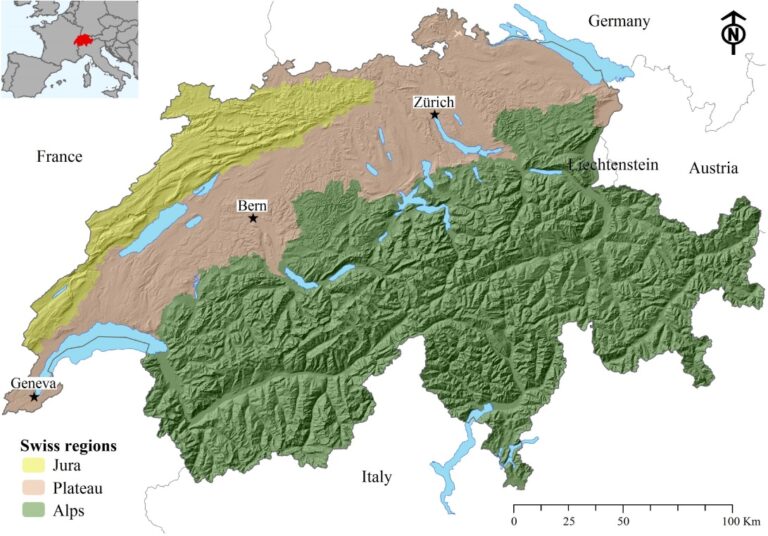
The Canton of Bern is the second-largest canton in Switzerland by area and stands out for its geographical diversity. It stretches from the majestic peaks of the Alps (Bernese Oberland) to the fertile plains of the Mittelland in the central part of the country. In our content Everything You Need to Know About Switzerland — The Comprehensive Guide, you can examine the canton’s location within the Alpine region.
Canton of Bern Demographic Data (2024)
Feature | Data (Approximate) | Description |
|---|---|---|
Total Population | 1,071,216 people | The second-most populous canton after Zurich. |
Immigrant Population Rate | 18.4% | The number of people of foreign nationality living in the canton. |
Official Languages | German and French | French is spoken in the west of the canton, but German is the dominant language. |
Number of Municipalities | 335 (approximate) | There are a large number of small and autonomous local government units. |
Major Cities | Bern (Capital), Thun, Biel/Bienne | Biel/Bienne represents an important cultural transition point with its bilingual structure. |
2. Key Features and International Role of Bern
2.1. Capital Function and Political Structure
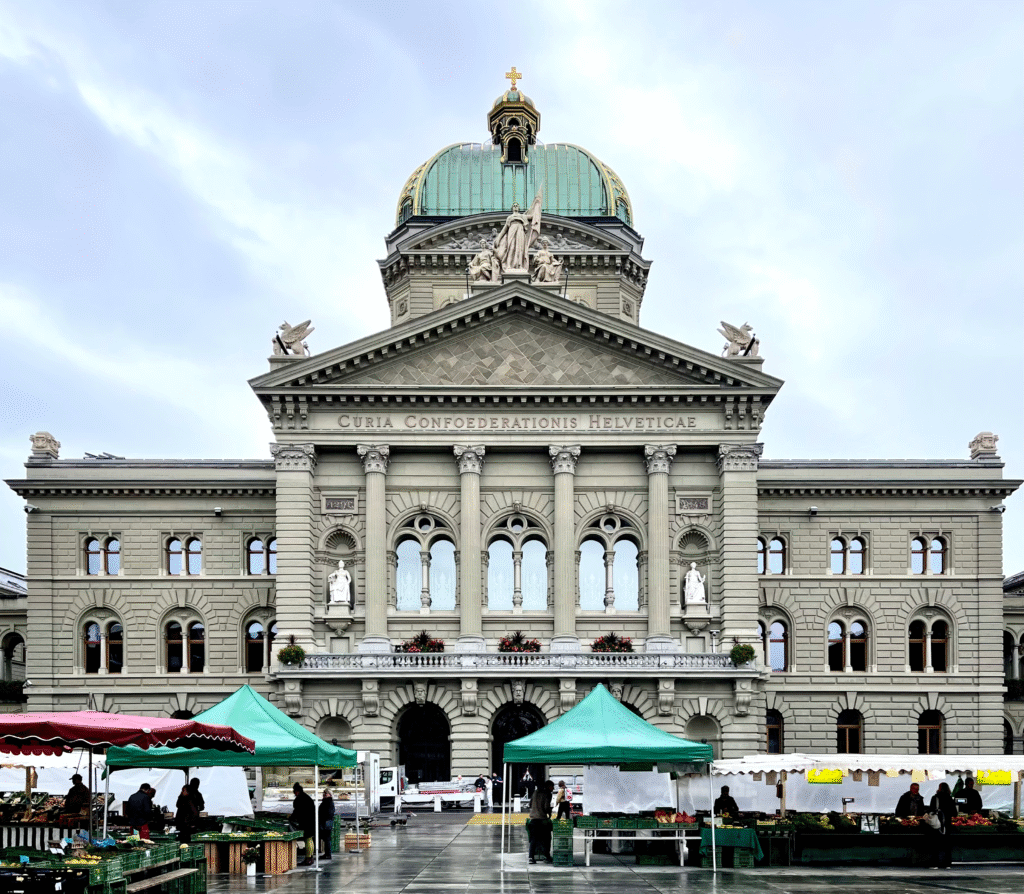
Bern is the capital of Switzerland, hosting the federal government (Bundeshaus). Thanks to its quiet capital function, it is even possible to see a politician cycling past the Federal Palace square. This is proof of how down-to-earth and people-oriented life in Bern is. To look closer at the functioning principles of the federal governance system, you can read our article Direct Democracy: Why and How the Swiss People Vote on Everything.
2.2. Historical and Cultural Heritage
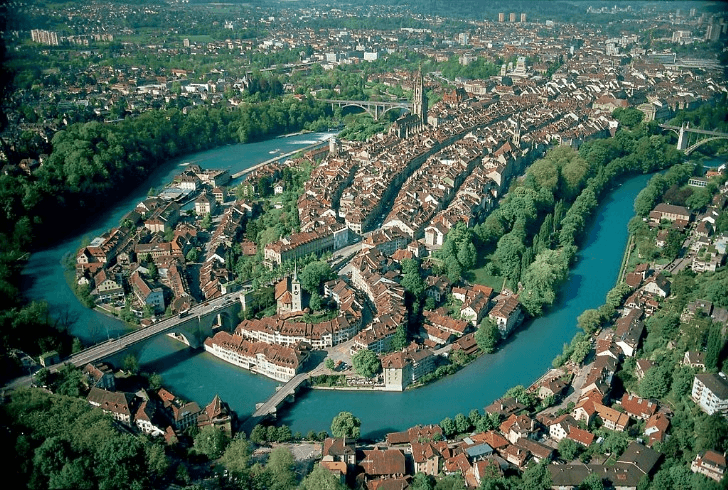
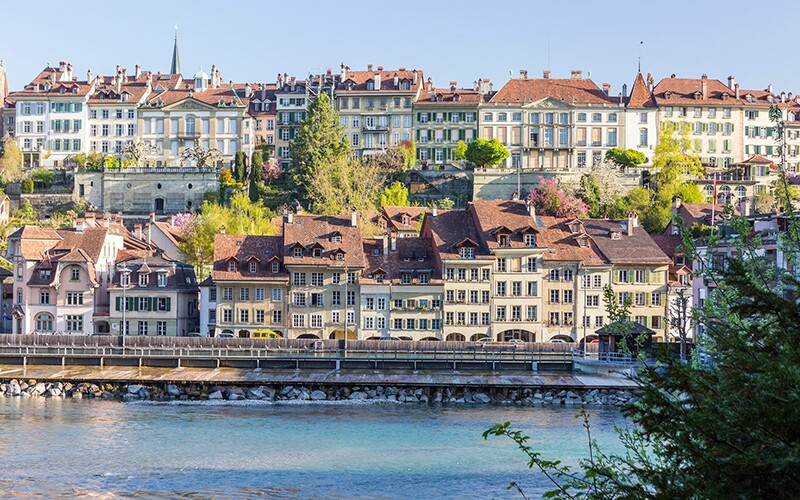
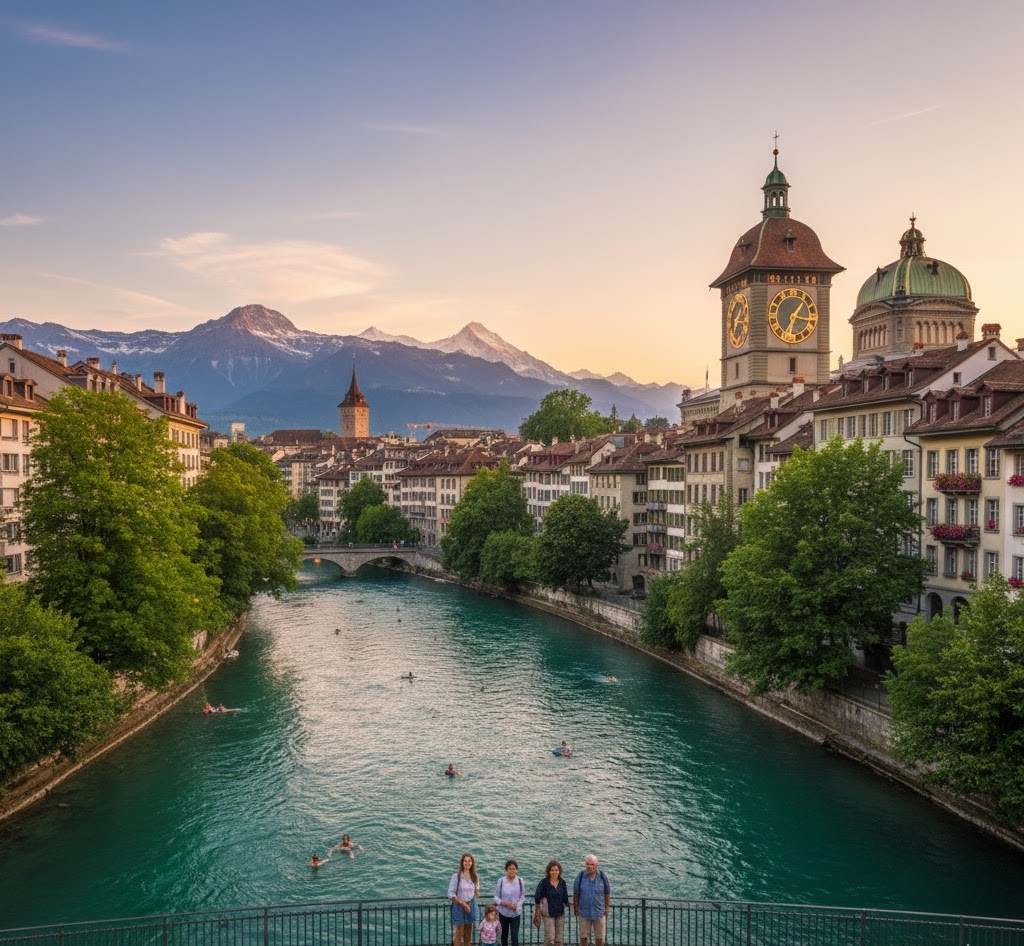
The Old City of Bern, listed as a UNESCO World Heritage Site, is famous for its well-preserved Medieval architecture. While preserving its historical texture, it also hosts modern art, rich cultural experiences, and unique natural landscapes. To understand the detailed protection status of this heritage, you can read the article Switzerland UNESCO World Heritage: A Guide to 13 Nature and Culture Wonders, their Protection Status and Critical Travel Tips.
3. Culture, Art, and Innovation Stops
Bern is not only a centre of federal administration but also carries a rich cultural heritage, having hosted everything from modern art to groundbreaking scientific thought.
3.1. Zentrum Paul Klee (Paul Klee Centre)
Paul Klee is one of the most important artists of the 20th century, having been born, lived, and died in Bern. The Zentrum Paul Klee is dedicated to Klee’s artistic legacy.
- Scope: It houses the world’s largest collection of Paul Klee’s works (approximately 4,000 pieces).
- Architecture: The museum building, designed by the famous Italian architect Renzo Piano, is a work of art itself, with its modern, hill and wave-shaped structure adapted to the Bernese Oberland landscape.
3.2. Kunstmuseum Bern and Einstein House
- Kunstmuseum Bern (Bern Art Museum): It is one of the oldest art museums in Switzerland, housing over 51,000 works of art from the Middle Ages to the present day. It gives broad space to Swiss art, particularly by Ferdinand Hodler and Paul Klee, as well as works by international masters.
- Einstein House (Einstein Haus): Albert Einstein lived at Kramgasse 49 in Bern between 1903 and 1905. This modest apartment is arranged as a museum, displaying documents and photos from the period when Einstein, working as a young patent clerk, developed the Special Theory of Relativity and other significant papers (his “Annus Mirabilis” of 1905).
4. Iconic Structures and City Rituals
The Old City of Bern is famous for its architectural elegance and its functional Medieval structures.
4.1. Zytglogge (Clock Tower) and Lauben (Arcades)
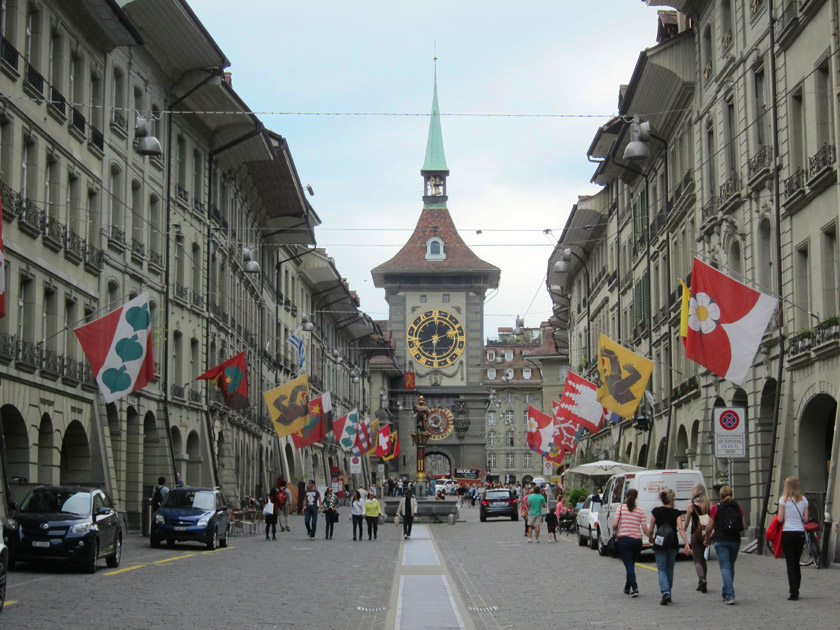
- Zytglogge: This 13th-century structure is the most recognizable landmark of the Old City, featuring a famous mechanical show with moving figures that performs every full hour (about 4 minutes before).
- Lauben: These arcades are the most distinctive architectural feature of the Old City of Bern. Stretching for approximately 6 kilometres, these continuous arched sidewalks were designed to protect traders and shoppers from the harsh Alpine weather conditions since the Middle Ages. Today, the Lauben forms the centre of Bern’s vibrant boutique, bookshop, and café culture.
4.2. Natural Beauty, Tourism, and Lifestyle
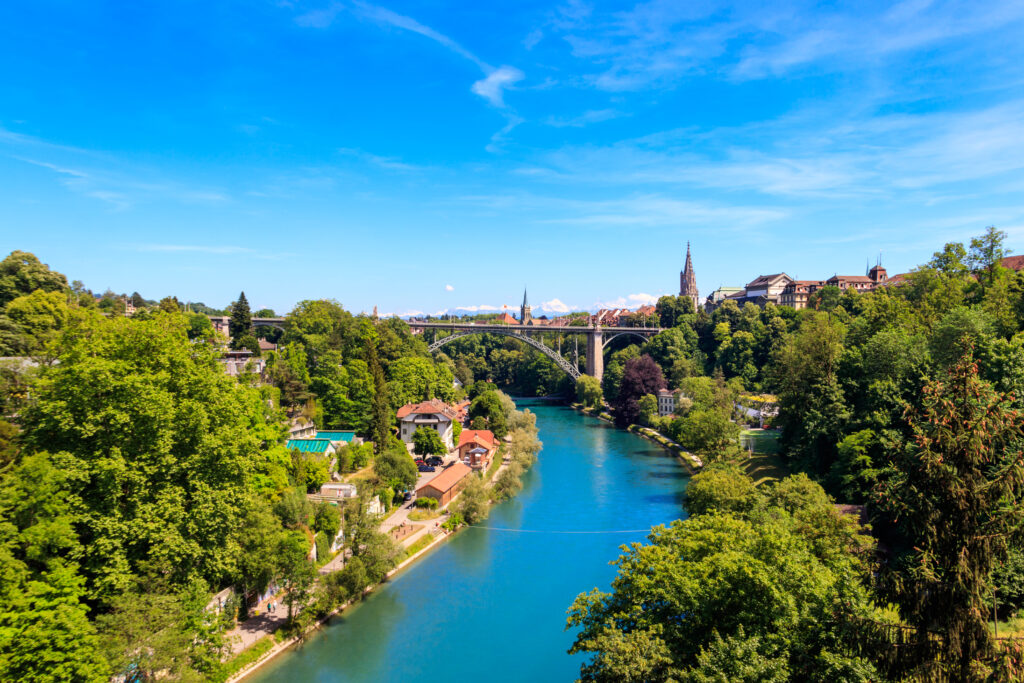
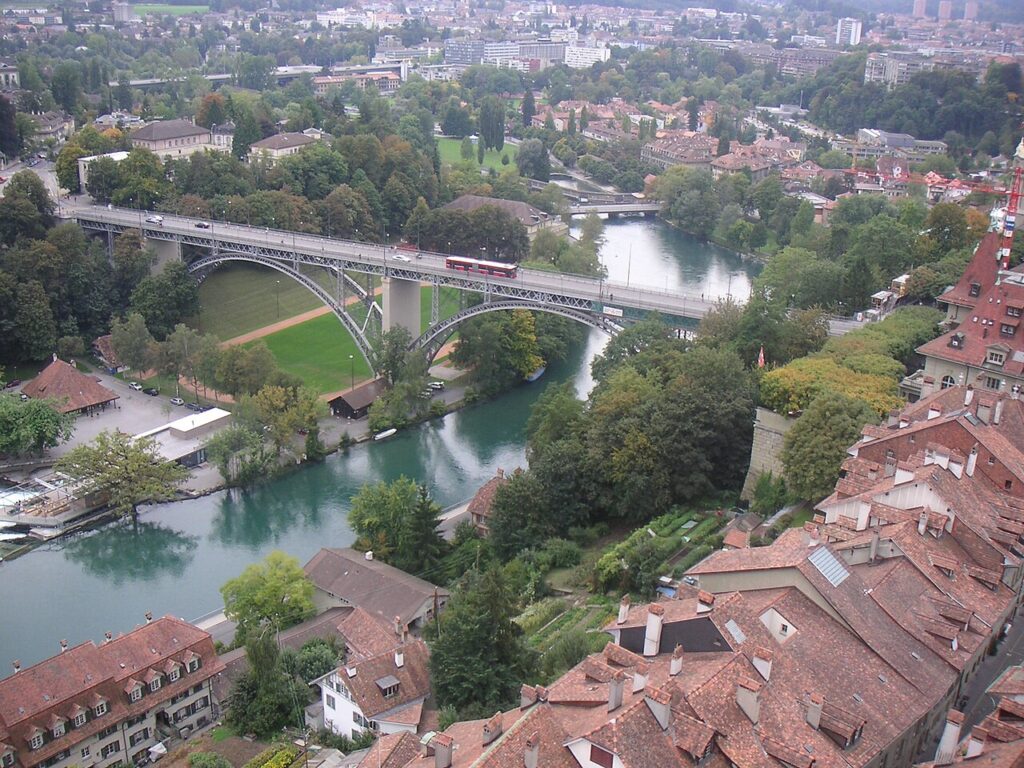
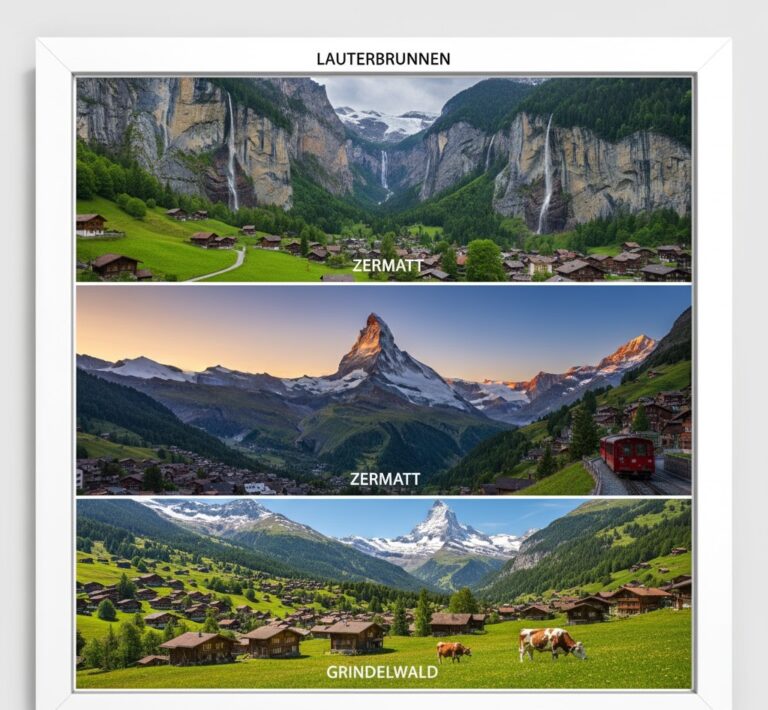
The Bernese Oberland region in the south of the canton is a world-renowned destination for winter and summer tourism. With the peaks of Eiger, Mönch, and Jungfrau, the region boasts one of the most recognized Alpine silhouettes in the world. In the summer, swimming in the Aare River is the most genuine and local way to experience the city.
Bern offers a calmer and more balanced life compared to other major Swiss cities. This balance is important for the cost of living and economic opportunities. To better understand the governance mechanism that ensures Switzerland’s stability and economic order, you can consult our article The Swiss Federal Council Model: What is the Conciliation (Consensus) Government and How Does Power Distribution Work?.
The fact that people from various nationalities live together supports the canton’s versatile economic and cultural fabric. For more information about this cultural diversity and the daily life rituals, you can examine the content Social Life in Switzerland: Neighborhoods, Festivals, and Leisure Activities.
Conclusion
The Canton of Bern is not only the political heart of Switzerland but also perfectly reflects the country’s values of discipline, history, and respect for nature. With its geographical diversity, close relationship with the federal government, and tranquil city life, Bern is a flawless example of the cultural and administrative balance of Switzerland.