Attitudes Towards Immigrants in Switzerland: Discrimination and Social Realities
From a distance, Switzerland looks like “heaven on earth” with its high salaries, punctual trains, and magnificent nature. However, living in this country, where the population is approaching 10 million as of 2026, is not just a matter of economic prosperity, but also the art of decoding complex social codes.
So, how is an immigrant (whether a highly qualified expat or a refugee starting a new life) really welcomed in Switzerland? Does the harsh language of politics reflect on the streets? Here are the social realities and a situation analysis that you won’t find in Google searches, but are proven by experience.
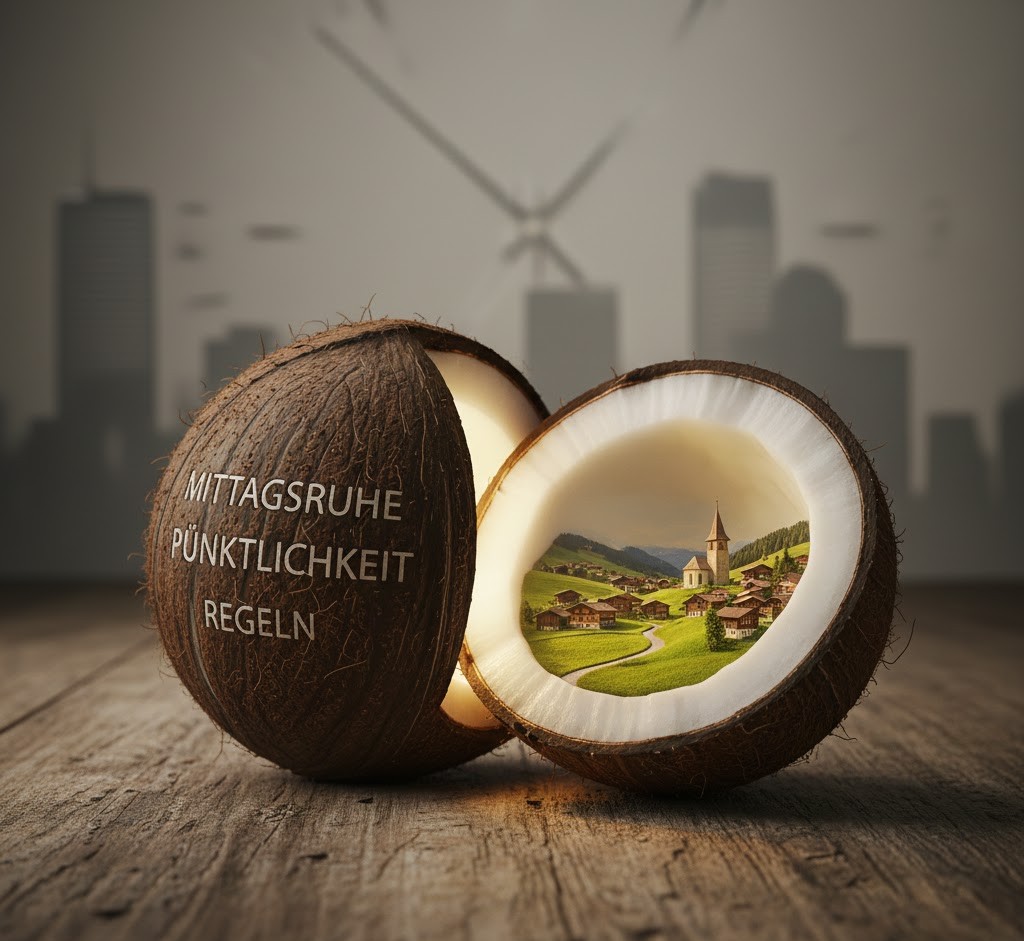
1. Coconut Culture: Coldness or Distance?
Sociologists often divide world cultures into “Peach” and “Coconut”. Peach cultures (like the USA or Mediterranean countries) are soft on the outside; people get friendly immediately, but it is hard to reach the core. Switzerland, on the other hand, is a typical “Coconut Culture”.
The outer shell is hard and difficult to crack. Newcomers often misinterpret this hardness as “coldness” or “exclusion”. However, field experience shows: The Swiss are not cold people, but principled people who expect extreme respect for their boundaries.
There is only one key to breaking this shell: Respect.
Not making noise, sticking strictly to appointments, not mowing the lawn on Sundays, or leaving the laundry room clean… These simple rules of “respect for privacy” are the foundation of an immigrant’s relationship with their Swiss neighbor. With time and patience, once that hard shell is cracked, it becomes evident that the Swiss are actually incredibly loyal and reliable friends.
Related Content: To better understand this feeling of cultural isolation, I recommend reading our article: [Guide to Coping with Loneliness in Switzerland: The Immigrant’s Psychological Journey].
2. The Gap Between Politics and the Street
Between 2024 and 2026, Swiss politics was shaken by the SVP’s (Swiss People’s Party) “No to a 10 Million Switzerland” initiative. Someone watching the news might think there is great anger towards immigrants on the streets. However, real life (Realpolitik) is different.
Politics in Switzerland is a “private” matter. Political arguments rarely happen at work, during coffee breaks, or in neighborly relations. Therefore, even if statistics show that 48% of the public wants to limit immigration, this is not thrown in your face in daily life. No one will yell “go back to your country” at you in the supermarket queue or on the bus. This “silent politeness” is part of the Swiss social peace. Discrimination makes itself felt not through rude words, but in more subtle, silent ways (for example, during apartment hunting).
For the official side of these processes, refer to our main hub: [The New Immigrant’s Map of Switzerland: A Guide to Visa, Bureaucracy, and Integration Success].
3. The “Good Immigrant” Distinction and the Social Aid Taboo
Contrary to popular belief, there isn’t a massive respect gap between a “Doctor/Engineer” (Expat) and a “Worker” in the eyes of the locals. Switzerland is a country where class distinctions are relatively low, and everyone says “Grüezi” (Hello) to each other.
However, society’s “red line” is very clear: Abusing the system.
Whether you are a white-collar or blue-collar worker; if you pay your taxes, follow the rules, and stand on your own two feet, you are respected. However, relying on the “social aid” system when you have the opportunity to work, or exploiting loopholes in the law, is met with a backlash not only by the Swiss but also by other integrated immigrants.
The Social Aid Trap and the Debt Problem
In the Switzerland of 2026, one of the biggest barriers for immigrants is how social aid (Sozialhilfe) works. The assistance offered by the state to an immigrant in financial difficulty actually appears as a “debt” that must be repaid in the future.
This situation scares people away from asking for help and creates economic stress. Especially during the citizenship process, the requirement to repay past aid with interest means being pushed out of the system for many immigrants. This is a mechanism that contradicts the spirit of “aid” and leads to indebtedness.
4. Invisible Walls in the Business World (The Glass Ceiling)
The “skilled labor shortage” (Fachkräftemangel) is Switzerland’s biggest economic reality. Companies are desperate for experts. However, there is an invisible barrier that immigrants feel in hiring and promotion processes.
- Hiring: Even if your qualifications are identical, a Swiss candidate (or someone with a local diploma and flawless language skills) is usually 1-2 steps ahead.
- Promotion and Career: At the stage of rising to executive positions, the “Glass Ceiling” effect becomes apparent. While successful immigrant professionals reach middle management without issues, they may be eliminated when moving to C-Level positions on the grounds of “cultural fit” or lack of a “local network”. This is often a reflex of the risk-averse Swiss corporate culture rather than open racism.
To navigate these dynamics, check out our guide: [Swiss Work Culture: Discipline, Respect, Time Management, and Work-Life Balance].
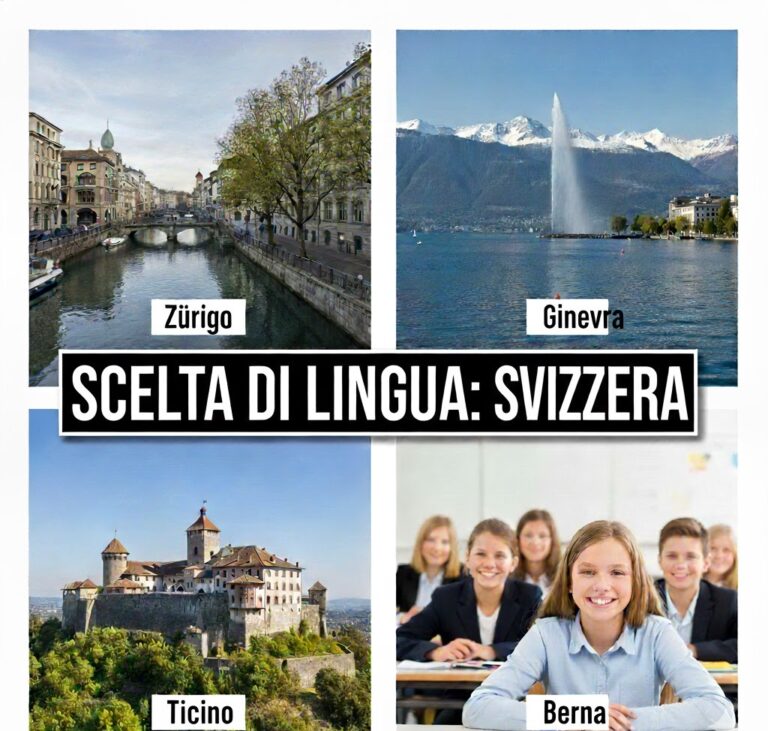
5. Röstigraben: Which Switzerland Do You Live In?
The immigrant experience can be as different as black and white depending on the canton you live in. The “Röstigraben” (Hash brown border), which culturally divides Switzerland, also divides the view on immigrants:
- German-speaking Switzerland (Zurich, Bern, Basel): Social control is higher. Expectations for compliance with rules, silence, and order are strict. Integration is defined through “being like us”.
- French-speaking Switzerland (Geneva, Lausanne): There is a more cosmopolitan and flexible structure. In citizenship and social acceptance processes, the culture of “jus soli” (right of the soil) is more dominant. The rate of an immigrant feeling like a “foreigner” is statistically lower in the Romandie region.
For a detailed breakdown of these regional differences, see: [Life in Switzerland: The Comprehensive Guide to Differences Between the German, French, and Italian Regions].
Conclusion: Integration is a Marathon
Being an immigrant in Switzerland is not easy, even in 2026. However, this difficulty reflects the country’s high standards and protectionist structure rather than a hostile attitude. The doors are not locked; you just need to use the right key (language, respect, patience, and economic independence) and know that the door won’t open immediately.
Remember; Switzerland does not open its arms and say “Welcome” to you; you prove over time with your stance and your labor that you deserve to sit at that table. For this long journey, our article [Life in Switzerland: The Realistic and Comprehensive Daily Life Guide] will serve as your compass.